
The Microdosing Majority
Quick Summary
A recent RAND study found that millions of adults microdose psilocybin, accounting for almost half of all use days. This widespread, wellness-oriented practice is largely ignored by clinical research, which focuses on high-dose therapy for specific illnesses. This disconnect creates a gap between how people actually use psilocybin and how it's portrayed by scientists and the media.
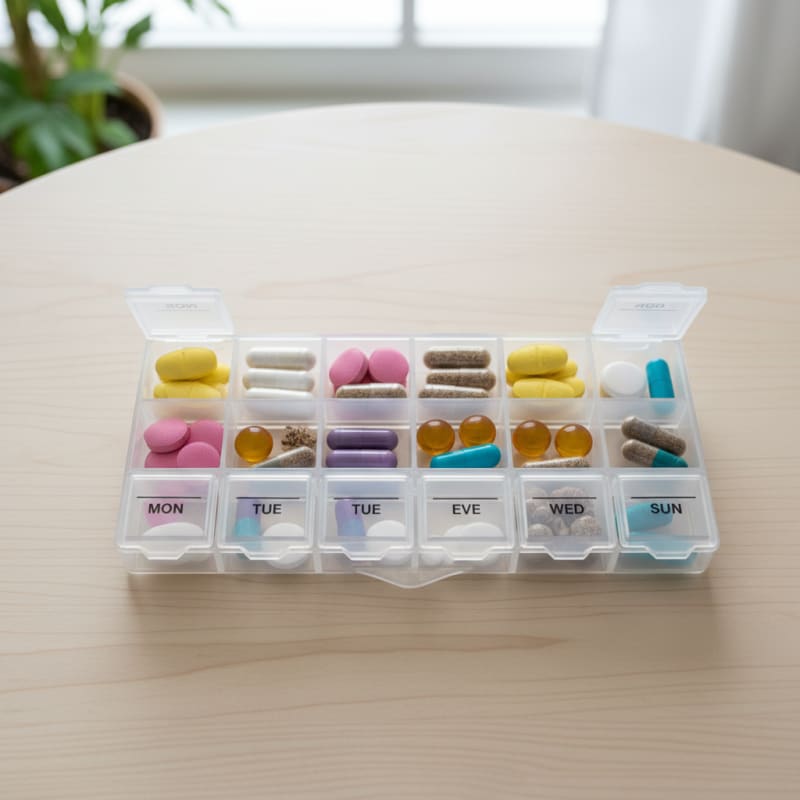
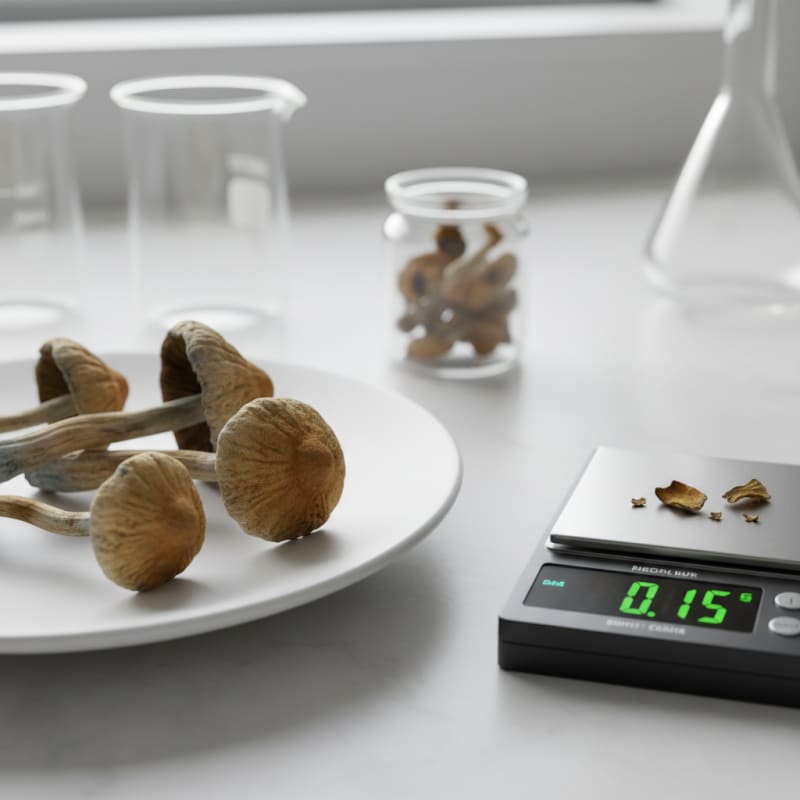
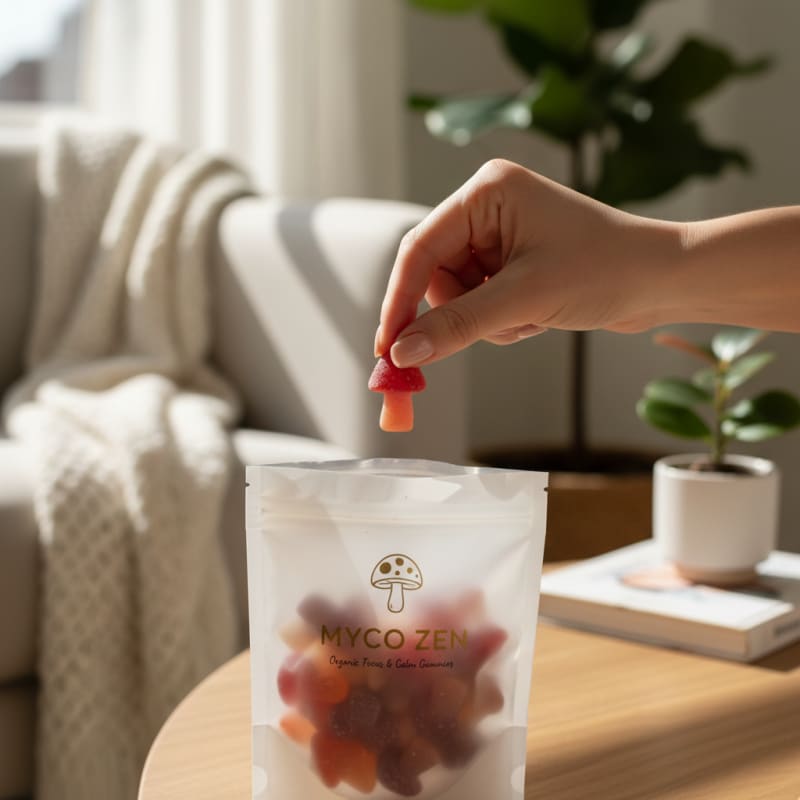
Recent data from a first-of-its-kind survey by the RAND Corporation reveals a quiet, significant shift in psychedelic use. According to the 2026 study, an estimated 10 million U.S. adults microdosed psychedelics in the past year. For psilocybin, the most commonly used substance, the numbers are even more striking: among those who used psilocybin, two-thirds reported microdosing. Nearly half of all reported psilocybin use days were, in fact, microdosing days.
This isn't a niche trend. It's a user-led movement that has outpaced both scientific research and public policy. While headlines and research funding fixate on high-dose therapeutic sessions, the data shows a different reality. For a huge number of people, regular, sub-perceptual doses are the primary way they engage with psilocybin. This disconnect between perception and reality has created an information vacuum, leaving millions to navigate their wellness journey without guidance from the institutions that are supposedly leading the charge.
Why Has Microdosing Become So Common?
The rise of microdosing can be attributed to its accessibility and practicality. Unlike a high-dose psychedelic experience, which requires significant preparation, a safe setting, and a full day or more for the session and subsequent integration, microdosing is designed to fit into an existing life.
The goal is not a transformative mystical experience, but subtle enhancements to daily life. Users most often report motivations related to mental health, creativity, and focus. A microdose is, by definition, sub-perceptual; it doesn’t produce an altered state of consciousness. This allows individuals to go about their daily responsibilities—work, family, and social commitments—without interruption. For many, it becomes part of a wellness routine, similar to vitamins or meditation.
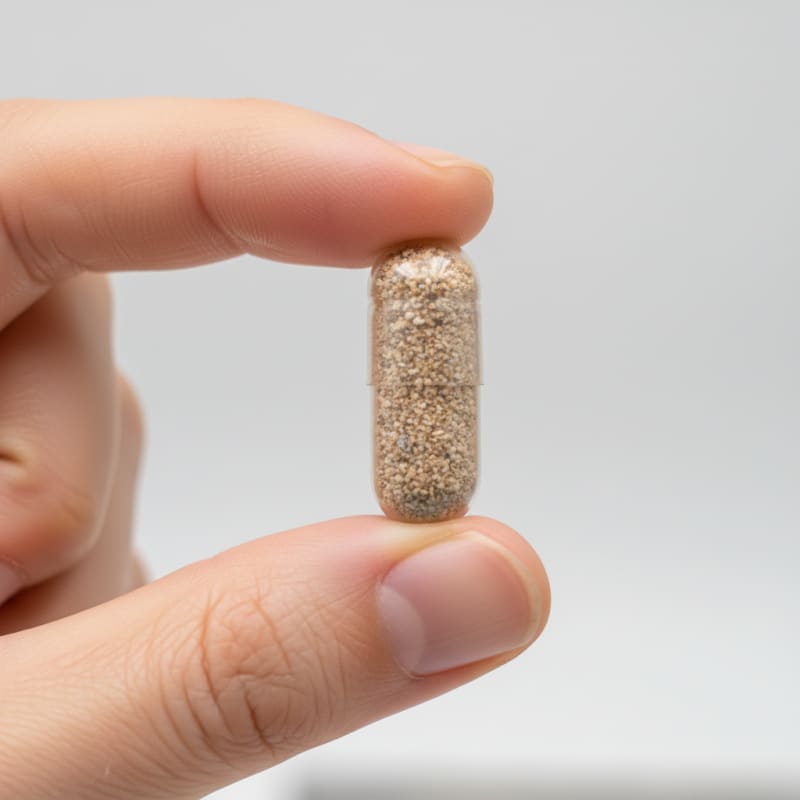
This practicality has led to the development of products tailored specifically for this purpose. Precisely measured products, like our CORE Microdose Capsules, remove the guesswork and potential for error involved in weighing and preparing doses from raw mushrooms. This desire for consistency and ease of use is a hallmark of a mature, mainstream consumer behaviour, not a fringe activity.
Consider the barriers to the alternative:
- Time: A guided high-dose session requires at least one full day, and often more.
- Cost: Clinical or therapeutic sessions can cost thousands of dollars and are not covered by insurance.
- Access: Finding trained, trustworthy facilitators is a significant challenge outside of formal clinical trials.
Microdosing bypasses these barriers, placing control directly in the hands of the user. It is an autonomous, self-directed wellness practice, which helps explain its explosive, grassroots growth.
Why Isn't Science Studying This?
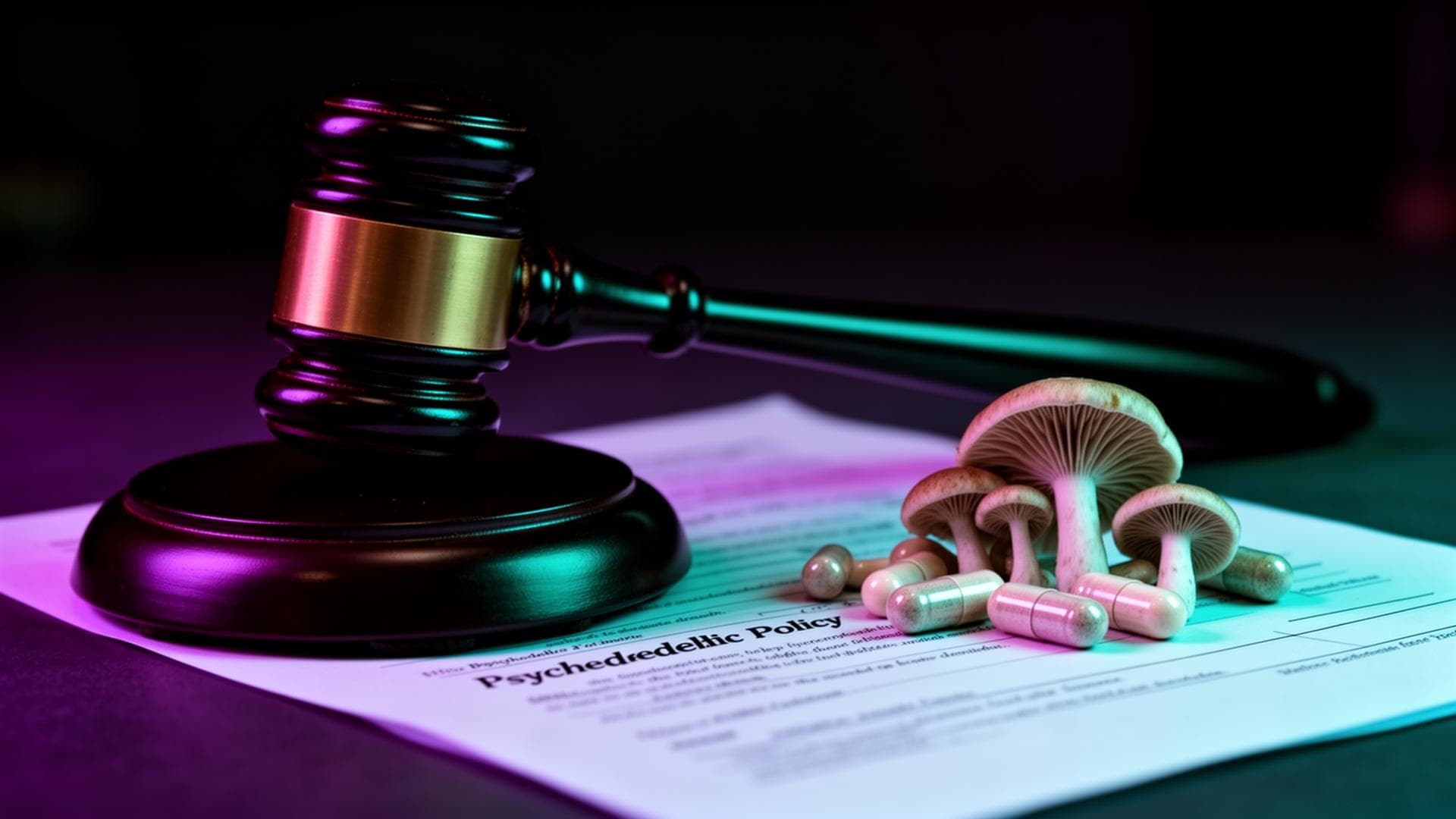
Despite the prevalence of microdosing, it remains a massive blind spot for formal psychedelic research. Institutions like the Johns Hopkins Center for Psychedelic and Consciousness Research—backed by tens of millions in funding—are almost exclusively focused on a specific model: using high doses of psilocybin in a controlled, clinical setting to treat severe psychiatric conditions like depression, PTSD, and addiction.
This focus is a direct result of the medical and regulatory systems they operate in. The primary goal of this research is to achieve FDA approval (or equivalent regulatory approval) for psilocybin as a prescription treatment. To do that, researchers must prove that the substance is a safe and effective treatment for a specific, diagnosable illness. The pronounced, life-altering effects of a high-dose session are easier to measure and quantify against a placebo in a clinical trial setting.
In contrast, the goals of microdosing—improved mood, enhanced creativity, better focus—are harder to measure objectively. They fall under the umbrella of "wellness" or "human thriving," which are not diagnosable illnesses. As a result, securing funding and designing trials for microdosing is far more challenging. It simply doesn't fit the established pharmaceutical development pipeline. This is the core of the disconnect explored in discussions about research versus real-world use.
The result is a scientific apparatus that is studying a "special occasion" use case while almost completely ignoring the far more common, everyday use case.
How Does This Disconnect Affect Public Perception?
The information vacuum created by the lack of research is quickly filled by fear and speculation. When media outlets like The Washington Post describe microdosing as an "alarming trend," they are responding to the absence of formal, clinical data. From a public health perspective that prioritizes institutionally validated data, a practice involving millions of people taking a psychoactive substance without clinical oversight appears inherently risky.
This narrative, however, ignores the lived experience of those millions. The story told by the data is not one of reckless abandon, but of intentional, measured, and wellness-oriented use. Consumers are seeking accessible formats, from precisely dosed capsules to familiar products like mushroom-infused gummies, that signal a desire for safety and control. They are making informed decisions based on the information they have, often from community networks and anecdotal reports, because the scientific establishment has failed to provide better alternatives. To learn more about what to look for in a product, our guide on what lab reports don't show can be a helpful resource.
The perception of risk is amplified by the research community's focus on high-dose effects. When the only officially sanctioned information discusses profound, consciousness-altering experiences and potential psychological risks, it's easy to misapply those warnings to the entirely different practice of microdosing.
The data now confirms that microdosing is not a fringe activity but a primary mode of psilocybin use for millions. The challenge ahead is for scientific inquiry and public conversation to catch up to the reality of how these compounds are already being integrated into modern life.

ShroomDash Editorial Team
Published 2026-04-20 · 4 min read read · Microdosing