Psilocybin Use: Days vs. Doses
Quick Summary
A new RAND study shows that nearly half of the 200 million psilocybin use days in the past year were microdoses. This 'days of use' metric, which measures frequency of consumption rather than just the number of users, reveals that low-dose, routine use is as significant as high-dose therapeutic sessions. This reality is often missed by clinical research and media, which tend to focus only on high-dose, infrequent use.


A recent RAND study has quantified what many in the wellness community have long suspected: microdosing is not a fringe activity, but a primary way people use psilocybin. The first-of-its-kind survey found that of the estimated 200 million days of psilocybin use in the past year, nearly half involved microdosing. This shifts the conversation from how many people use psilocybin to how many days of use occur, revealing a very different picture of consumption than the one typically portrayed in clinical research and media.
The dominant narrative focuses on high-dose, professionally guided sessions aimed at treating specific mental health conditions. While valuable, this clinical model represents only a fraction of how psilocybin is actually being used. The data on "days of use" confirms that for a majority of consumers, psilocybin is part of a regular wellness routine, not a rare, intense therapeutic intervention. Understanding this distinction is key to grasping the reality of psychedelic wellness in North America.
What Do We Mean by "Days of Use"?
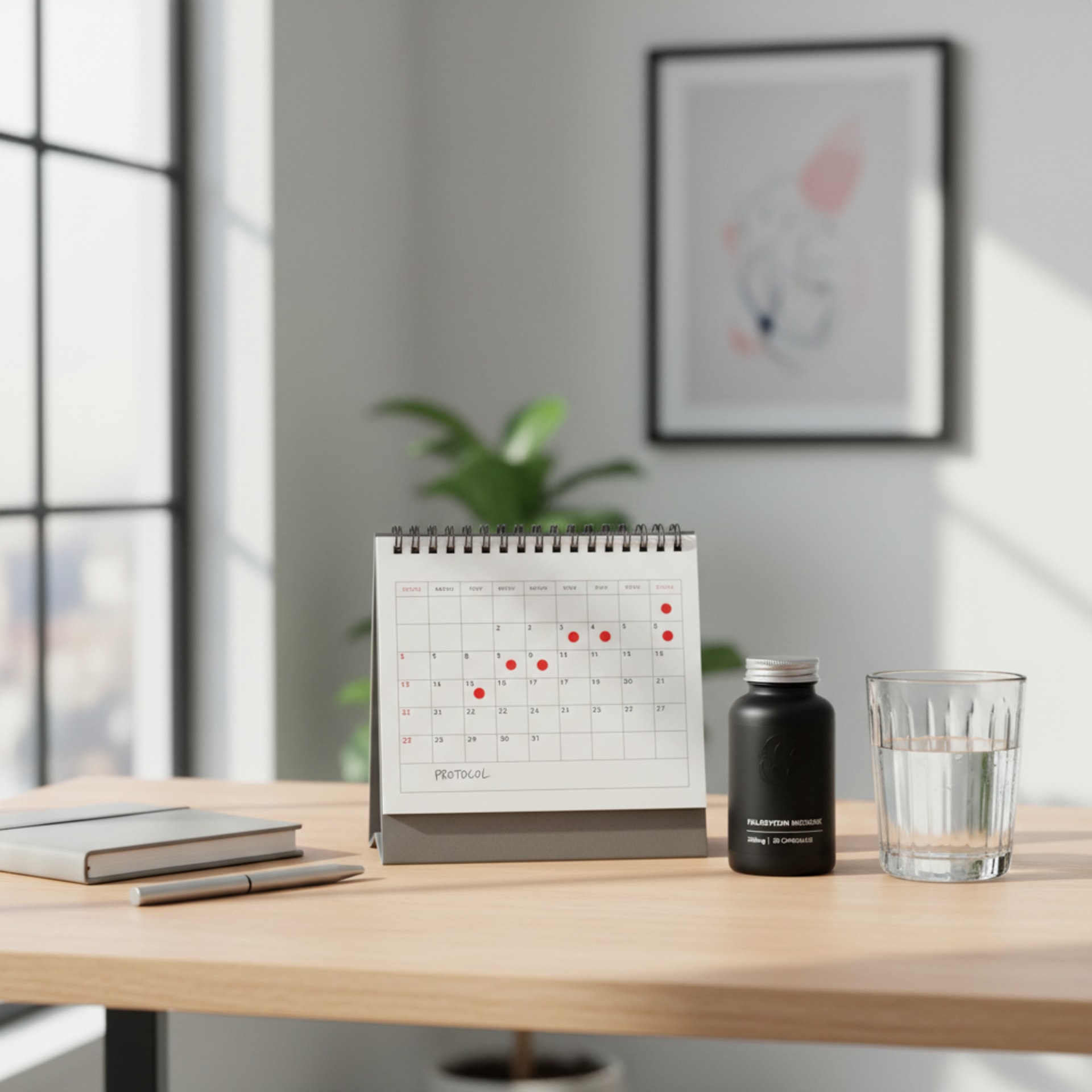
The "day of use" metric is a simple but profound reframing of consumption. It moves beyond counting individual users to measure the frequency and nature of their use. A high-dose therapeutic session might account for one or two "days of use" per year for an individual. In contrast, a person following a common microdosing protocol, such as the Fadiman or Stamets protocol, could log over 100 microdosing "days of use" in the same year.
This highlights two distinct patterns:
High-Dose Use: Characterized by infrequent, high-intensity experiences. The goal is a profound, altered state of consciousness for therapeutic or spiritual insight. Each "day of use" is a significant event. Microdose Use: Characterized by frequent, sub-perceptual doses. The goal is not an altered state, but subtle improvements in mood, creativity, or focus over time. These "days of use" are integrated into a weekly routine, much like taking a vitamin or supplement.
When we see that nearly half of all use-days are microdoses, it becomes clear that the low-dose, routine-based model is just as significant as the high-dose, event-based model. Products are formulated specifically for this purpose, with precise, low potencies that allow for consistent and predictable consumption. For many, this involves products like precisely measured psilocybin capsules, which remove the guesswork and make integration into a daily routine seamless.
Why Does Clinical Research Overlook This?
Clinical research, by its nature, is structured, controlled, and focused on proving safety and efficacy for specific medical applications. The Johns Hopkins Center for Psychedelic and Consciousness Research, a leader in the field, focuses on psilocybin-assisted therapy for conditions like depression and addiction. This model involves a limited number of high-dose sessions administered in a clinical setting with professional guidance.
This framework is essential for regulatory approval and for treating severe conditions, but it has several limitations that cause it to miss the bigger picture of real-world use:
High Cost and Low Accessibility: A single guided session can be resource-intensive. This model is not scalable or accessible for the general population seeking wellness benefits rather than treating a diagnosed illness. Focus on Pathology: Clinical trials are designed to treat disorders. They are not designed to study subtle, long-term enhancements in healthy individuals, which is the primary goal of microdosing. Measurement Mismatch: The success of clinical trials is measured by the reduction of symptoms after a few sessions. The success of microdosing is measured by the user over weeks or months of regular use. The methodologies are fundamentally different.
Because the clinical model does not account for low-dose, self-directed use, its data and conclusions will inevitably skew towards high-dose applications. Researchers count "sessions" or "patients," while the wellness community counts "days." This discrepancy explains why headlines about FDA approvals for psilocybin therapy coexist with the reality of millions of people already integrating it into their lives through microdosing.
How Media Narratives Reinforce the Gap
The media often mirrors the focus of clinical research, leading to a skewed public perception. Headlines frequently sensationalize the psychedelic experience or, as seen in some opinion columns, frame trends like microdosing as "alarming." This reaction is understandable if one’s only context for psilocybin is a high-dose, consciousness-altering event. From that perspective, frequent use sounds like a public health concern.
However, the RAND data refutes this framing. Knowing that nearly half of all psilocybin use involves no psychoactive high changes the context entirely. The narrative shifts from one of risk and altered states to one of routine and wellness. It’s not about escaping reality, but about improving it in subtle, consistent ways. The fact that microdosing has become a mainstream practice is less alarming and more of an indicator of a major shift in how people approach mental wellness and personal optimization.
Products like Orbit Gummies are designed for this exact user: someone who wants to integrate a specific, low dose of psilocybin into their life with ease and confidence. The existence and popularity of such products further demonstrate that the market is already mature and serving a need that the clinical and media narrative often ignores.
The new data doesn't invalidate the importance of high-dose therapeutic work. Instead, it completes the picture, showing that psilocybin use is a broad spectrum. Measuring consumption in "days of use" rather than just by the number of users provides a far more accurate view of this spectrum. It demonstrates that for every person seeking a profound, life-changing journey, there is another person quietly and consistently using psilocybin to make their everyday life a little better.

ShroomDash Editorial Team
Published 2026-04-17 · 4 min read read · Microdosing