
Millions Microdosing: A Silent Shift in Wellness
Quick Summary
Recent studies show millions of adults are microdosing psilocybin, making it a common practice, not a fringe activity. This widespread, self-directed use for wellness and performance is outpacing formal research and policy, creating a silent, grassroots movement in personal health.



Recent data from independent research bodies like the RAND Corporation has brought a quiet reality into sharp focus: millions of adults are not just curious about psilocybin, they are actively integrating it into their lives through microdosing. This isn't a fringe trend or a niche experiment. The findings suggest that among those who use psilocybin, taking small, non-perceptual doses is a significant and common practice. For every two people who have used psilocybin in the last year, one has microdosed, accounting for nearly half of all days of psilocybin use.
This reality stands in stark contrast to the slow pace of clinical trials and the often-sensationalized media narratives surrounding psychedelics. While regulators debate policy and researchers focus on high-dose therapeutic sessions, a silent majority has already moved forward. This grassroots movement is not waiting for permission; it is a self-directed shift in personal wellness, driven by individuals seeking to manage their mental health, enhance creativity, or improve their overall sense of well-being. The scale of this adoption indicates a fundamental change in how people approach and utilize psilocybin, far from the clinical setting and public discourse.
How Did Microdosing Become So Widespread?
The rise of microdosing as a mainstream wellness practice is a story of decentralized, community-driven education. It bypassed traditional medical and media gatekeepers, flourishing in online forums, social media groups, and community networks. Early proponents and researchers helped establish foundational protocols, but the practice was refined and popularized through the shared experiences of countless individuals.
This grassroots expansion was made possible by a few key factors:
- Information Accessibility: Digital communities became the primary source for protocols, user reports, and harm reduction advice. This peer-to-peer knowledge sharing allowed the practice to grow organically, based on real-world experience rather than top-down directives.
- Product Innovation: The emergence of precisely dosed products was a critical development. The ambiguity of sourcing and measuring raw mushrooms created a barrier for many. With the availability of professionally prepared products, the guesswork was eliminated. Consumers can now find precisely measured products on sites like ShroomDash (/shop), a factor that has made the practice more approachable and reliable for a broader audience.
- Low Barrier to Entry: Unlike high-dose experiences, which require significant preparation, a dedicated day, and a controlled environment, microdosing is designed to integrate into an existing routine. The dose is sub-perceptual, meaning it does not interfere with daily activities like work, parenting, or studying. This ease of use has been fundamental to its widespread adoption.
The development of user-friendly formats has been integral to this silent wellness shift. For instance, the Clarity Microdose Capsules provide a level of precision and convenience that supports a consistent routine, which is key for those tracking effects on mood or focus. This move towards standardized, accessible products has been a major catalyst in the normalization of microdosing.
What Does Prevalence Mean for Research?
The sheer scale of microdosing presents a challenge and an opportunity for the scientific community. Much of the formal psychedelic research has been concentrated on high-dose, clinically supervised psilocybin-assisted therapy. While this research is vital, the data on prevalence shows it only represents one side of the story. With nearly half of all psilocybin use days being microdose days, a massive body of real-world data is being generated outside of controlled settings.
This disconnect is a core theme in the modern psilocybin landscape, a topic we've explored in articles like Microdosing: Research vs. Real-World Use. Researchers are now tasked with finding ways to study this large-scale, naturalistic use. Traditional double-blind, placebo-controlled trials are difficult to conduct for a practice that individuals are already doing on their own terms. As a result, observational studies, mobile data collection, and sophisticated survey analyses like the recent RAND report are becoming increasingly important. These methods can help bridge the gap between the lab and real life, providing valuable insights into why millions of people are choosing this path and what effects they are experiencing.
This user-led phenomenon forces a new perspective on psychedelic science. It suggests that research needs to be more agile and responsive, developing methods to study how substances are being used in the real world, not just how they can be used in a clinic. The "silent majority" of microdosers represents one of the largest informal health experiments in recent history.
Why Is This a "Silent" Shift?
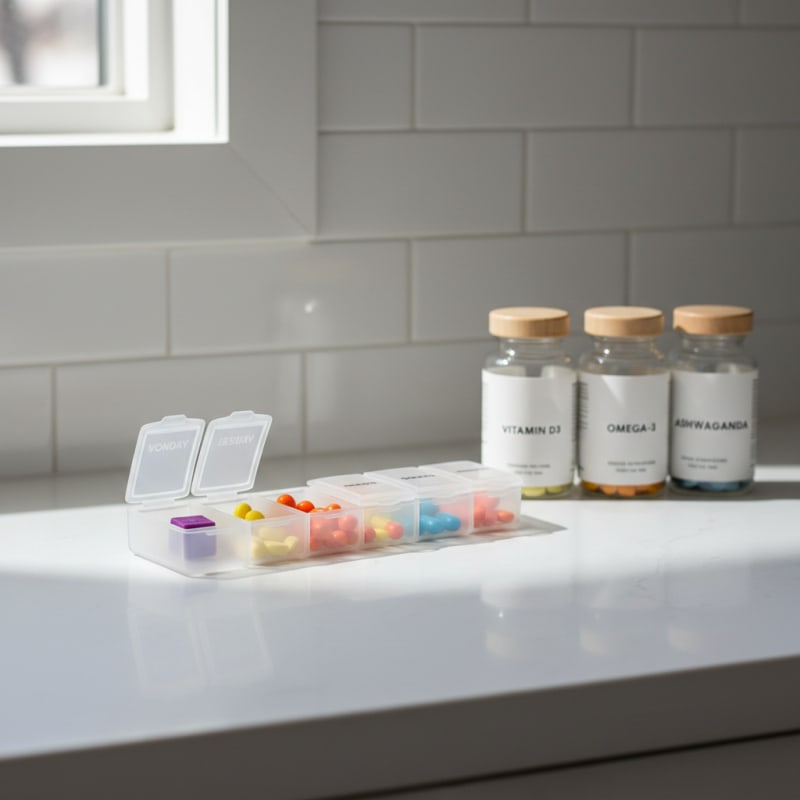
The term "silent" is fitting for two primary reasons. First, the practice itself is subliminal by design. The goal is not a psychedelic experience but a subtle enhancement of one's baseline state. Users are not taking time off work or seeking altered states of consciousness; they are integrating a small dose into their morning routine, much like a vitamin or supplement. This discretion is a core part of its appeal, particularly for professionals, athletes, and parents.
Second, the conversation around microdosing often remains private. Despite its prevalence, it is not something most people discuss openly at work or in public. This silence is partly due to lingering stigma and the complex legal landscape. Yet, it also reflects the personal nature of the practice. People are using it to manage their own internal states—to feel a bit better, more focused, or less anxious. The innovation in product formats, such as the Focus Gummies, supports this discreet usage. Products can be easily carried and consumed without drawing attention, fitting seamlessly into the fabric of a busy life, a convenience users can explore in our gummies category.
This quiet, personal utility is often missed in public discourse, which tends to gravitate towards more dramatic narratives. The reality of millions of people engaging in a subtle, routine-based wellness practice is less sensational but far more representative of modern psilocybin use. This is not a radical act for most users; it is a pragmatic choice.
The data is clear: microdosing is not an emerging trend to be watched but an established practice that is already part of the wellness landscape for millions. This user-driven movement has outpaced both scientific research and regulatory frameworks, signaling a significant shift in how individuals manage and seek to improve their own mental and emotional well-being.

ShroomDash Editorial Team
Published 2026-04-06 · 5 min read read · Microdosing