
Microdosing: Research vs. Real-World Use
Quick Summary
Millions of adults are now microdosing psilocybin, far outpacing formal scientific research. While clinical trials carefully study its effects in controlled settings, a massive 'citizen science' movement is exploring its use for mood, creativity, and well-being in real-time. This creates a significant gap between structured research and real-world practice.


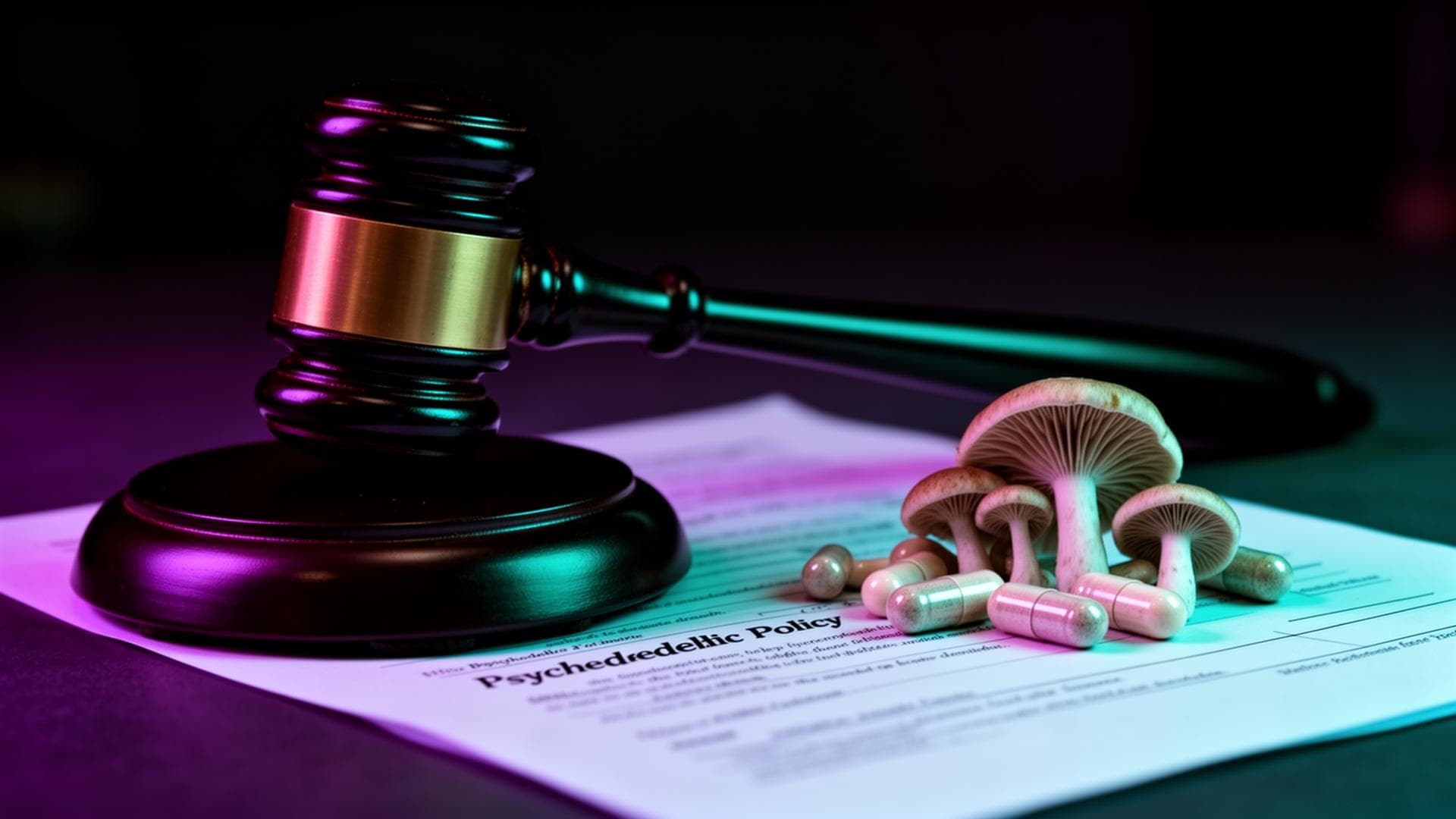
Recent data from a 2026 RAND study has brought a fascinating reality into sharp focus: psilocybin microdosing is no longer a niche activity. The research estimates that millions of adults are engaging in the practice of taking small, sub-perceptual doses of psychedelics. Among people who used psilocybin in the past year, roughly two-thirds reported microdosing, accounting for nearly half of all psilocybin usage days. This widespread adoption has created two parallel worlds operating with very different principles: the slow, methodical world of clinical research and the fast-moving, self-directed world of real-world use.
This divergence isn't just a matter of pace; it reflects a fundamental difference in approach, motivation, and evidence. While scientists in controlled laboratories work to isolate variables and establish objective efficacy, millions of individuals are conducting their own informal experiments, driven by anecdotal reports and a desire for immediate self-improvement. Understanding the gap between these two worlds is key to comprehending the current state of psilocybin in modern culture.
What Does Clinical Research on Microdosing Show?
Formal psychedelic research, like the work being done at the Johns Hopkins Center for Psychedelic and Consciousness Research, is built on a foundation of rigor and safety. The primary goal is to determine, through carefully designed studies, whether psilocybin can be a safe and effective treatment for specific conditions. These investigations adhere to the gold standard of medical science: the randomized, double-blind, placebo-controlled trial.
In this context, research on microdosing has yielded complex and often inconclusive results. Key characteristics of these studies include:
- Controlled Dosing: Participants are given precisely measured doses of synthetic psilocybin or a placebo, removing the potency variations common with raw mushrooms.
- Participant Screening: Individuals are carefully screened for pre-existing mental health conditions or other factors that could increase the risk of adverse effects.
- Blinding: Neither the participant nor the researcher knows who is receiving the psilocybin and who is receiving the placebo. This is crucial for measuring the true effect of the substance against the power of expectation (the placebo effect).
Many recent high-quality studies have found that the self-reported benefits of microdosing—such as improved mood, creativity, and focus—are often statistically indistinguishable from the effects reported by the placebo group. This doesn't necessarily mean microdosing has *no effect, but it suggests that the power of suggestion and belief plays a significant role. The scientific community moves cautiously, demanding repeatable, objective evidence before drawing firm conclusions. For a deeper dive into the active compounds at play, understanding the relationship between psilocybin and its active metabolite is essential, as detailed in our article on Psilocybin vs. Psilocin Explained.
How Are Millions Using Microdoses in Reality?
The real-world application of microdosing stands in stark contrast to the lab environment. The RAND study confirms that millions are not waiting for a scientific consensus or a doctor's prescription. This massive, informal movement is best described as a form of "citizen science."
Users are driven by a wide range of personal goals, including:
- Mental Health Management: Self-treating symptoms of depression and anxiety.
- Cognitive Enhancement: Seeking improved focus, problem-solving, and creativity.
- General Well-being: Aiming for a better mood, more patience, and a greater sense of connection.
This self-directed use relies on anecdotal reports, online community guides, and personal experimentation. Protocols like the Fadiman method (dosing once every three days) or the Stamets Stack (combining psilocybin with lion's mane mushroom and niacin) have gained popularity without validation from clinical trials. One of the biggest challenges for these users is dose consistency. The potency of raw mushrooms can vary significantly, making a true sub-perceptual dose difficult to achieve reliably. This has led many to seek out products that offer precision. For those integrating microdosing into a structured wellness routine, products like ShroomDash Clarity Microdose Capsules are designed to provide a consistent, measured amount of *Psilocybe cubensis, removing the guesswork from the equation. The demand for reliable formats is a direct response to the practical challenges of real-world use. You can explore professionally prepared options in our mushroom capsules shop.
Why Is There a Gap Between Science and Practice?
The chasm between formal research and public practice exists for several key reasons. Firstly, the legal status of psilocybin in most parts of the world creates significant barriers to research. Securing funding, regulatory approval, and the necessary licenses for clinical trials is a slow, arduous, and expensive process.
Secondly, the nature of the experience itself is difficult to study. The benefits reported by real-world users—like enhanced creativity or a better outlook on life—are subjective and hard to quantify in a lab setting. The powerful placebo effect, which clinical trials are designed to filter out, is a very real and valid part of the user's experience in the real world. If a person believes a microdose will help them, it often does, regardless of the precise pharmacological action.
Finally, access is a major driver. In Canada, the availability of psilocybin products through retailers means that individuals can explore its potential on their own terms, without needing to enroll in a multi-year study. This direct access has fueled a grassroots movement that continues to grow, independent of the scientific process. Accessible manufactured products, from capsules to edibles like ShroomDash Focus Mushroom Gummies, meet this demand for convenient and straightforward consumption methods that fit into a modern lifestyle. Many users prefer the simplicity of these formats, which can be found in our gummies collection.
The divergence between structured clinical investigation and widespread individual exploration highlights a modern dynamic in wellness, where personal experience is currently advancing faster than placebo-controlled data can be published.

ShroomDash Editorial Team
Published 2026-03-30 · 4 min read read · Microdosing