
Psilocybin Use: Sessions vs. Days
Quick Summary
The public conversation about psilocybin often focuses on high-dose therapeutic "sessions," but recent data shows that nearly half of all use involves low-dose microdosing "days." This highlights a significant disconnect between the dramatic, clinical model of use and the more common, routine wellness model, which has different goals, practices, and product needs.



The public conversation about psilocybin is largely shaped by headlines from clinical research. Terms like "breakthrough therapy," "guided sessions," and "transformative journeys" paint a picture of a specific, high-dose model of use. This model, pioneered by institutions like Johns Hopkins, involves a small number of intense, medically supervised experiences designed to treat severe conditions. Yet, a large-scale 2025 RAND study reveals a profoundly different reality: for people who use psilocybin, nearly half of all use days are microdosing days.
This single statistic reframes the entire landscape of psilocybin use. It suggests that while the media focuses on a handful of high-dose sessions, the dominant behaviour is actually a consistent pattern of low-dose days. This isn't just a matter of semantics; it represents two fundamentally different goals, methodologies, and units of measurement. The clinical world measures success in sessions. The wellness world, where most use occurs, measures it in days.
What Does a Psilocybin "Session" Entail?
A clinical psilocybin session is a structured, resource-intensive event. It is designed to induce a powerful psychedelic experience, often referred to as a "mystical" or "peak" experience, which researchers believe is key to its therapeutic effect. This model is characterized by several key features:
High Doses: A typical dose in a therapeutic setting is between 20mg and 30mg of pure psilocybin, equivalent to 3 to 5 grams of potent *Psilocybe cubensis mushrooms. This is explicitly intended to produce a strong, altered state of consciousness lasting several hours. Professional Supervision: The session is conducted in a controlled environment, supervised by one or two trained therapists or facilitators who guide the patient through the experience. Therapeutic Framework: The sessions are bookended by extensive therapy. Preparatory sessions help the patient set intentions and build trust, while integration sessions afterward help them process the experience and translate insights into lasting change. Acute Treatment: This protocol is designed as a short-term intervention—typically just one to three sessions—to address specific, often severe, psychiatric conditions like major depressive disorder, PTSD, or end-of-life anxiety.
This high-dose protocol is the subject of nearly all major scientific research and media coverage. However, it represents a tiny fraction of total psilocybin use. It is a specialized medical procedure, distinct from the way most people engage with psilocybin. For more on the differences between these approaches, see our post on therapy vs. wellness protocols.
How Does Measuring in "Use Days" Change the Picture?
The RAND study's focus on "use days" is a more accurate way to measure real-world behaviour. Instead of counting a handful of transformative trips, this metric captures the quiet, consistent, and far more common practice of microdosing. This model operates on an entirely different set of principles:
Sub-Perceptual Doses: A microdose is typically 5-10% of a recreational dose, usually between 50mg and 250mg of dried mushroom. The goal is *not to feel an altered state, but to experience subtle, sub-perceptual shifts in mood, creativity, and focus over time. Self-Administration: Microdosing is integrated into a person's daily life and routine. It is self-managed, often following a popular protocol like one day on, two days off, to prevent tolerance. Cumulative Benefits: The objective is not a single, life-altering event but the cumulative effect of small, regular doses. Users report incremental improvements in well-being, reduced anxiety, and enhanced cognitive function. It is a proactive wellness practice, not a reactive treatment.
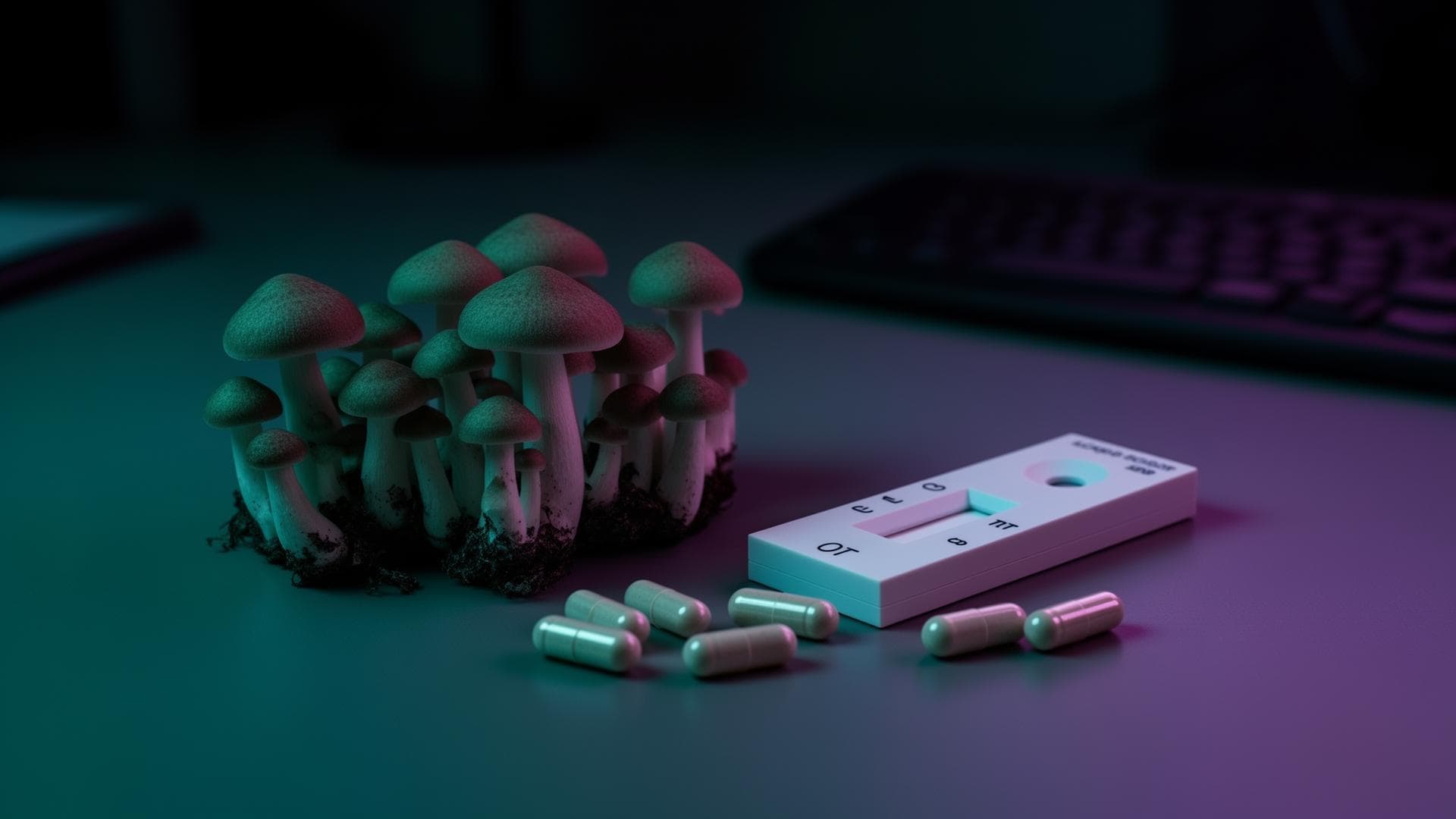
Products like our Mindful Microdose Capsules are designed specifically for this model. They provide a precise, consistent, and convenient format that allows individuals to integrate a low-dose regimen into their daily lives seamlessly. This approach, measured in days, accounts for a massive volume of psilocybin consumption that the "session" model completely overlooks. You can explore our variety of precisely dosed products in our capsules category.
Why Do We Hear More About Sessions Than Days?
The disconnect between reality and perception is largely a function of what is considered newsworthy. A multi-million dollar clinical trial showing psilocybin may help veterans with PTSD is a compelling headline. In contrast, an individual quietly taking a microdose before heading to work is a personal, non-dramatic event that does not generate news.
The "session" model is exciting and revolutionary, promising a paradigm shift in mental healthcare. The "days" model is about quiet, incremental improvement and personal wellness management. The former involves dramatic narratives of healing and transformation, which are easily packaged for public consumption. The latter is a story of subtle, sustained effort that is less visible but far more common.
This media focus creates a feedback loop. Public interest drives funding toward the clinical model, leading to more high-dose research, which in turn generates more headlines about sessions. As we've explored before, this creates a significant gap between the psilocybin narrative and the data.
What Are the Implications of This Distinction?
Recognizing the difference between the "session" and "days" models is critical for regulation, product development, and harm reduction. The safety considerations for a few high-dose, supervised sessions are entirely different from those for a long-term, self-administered microdosing regimen.
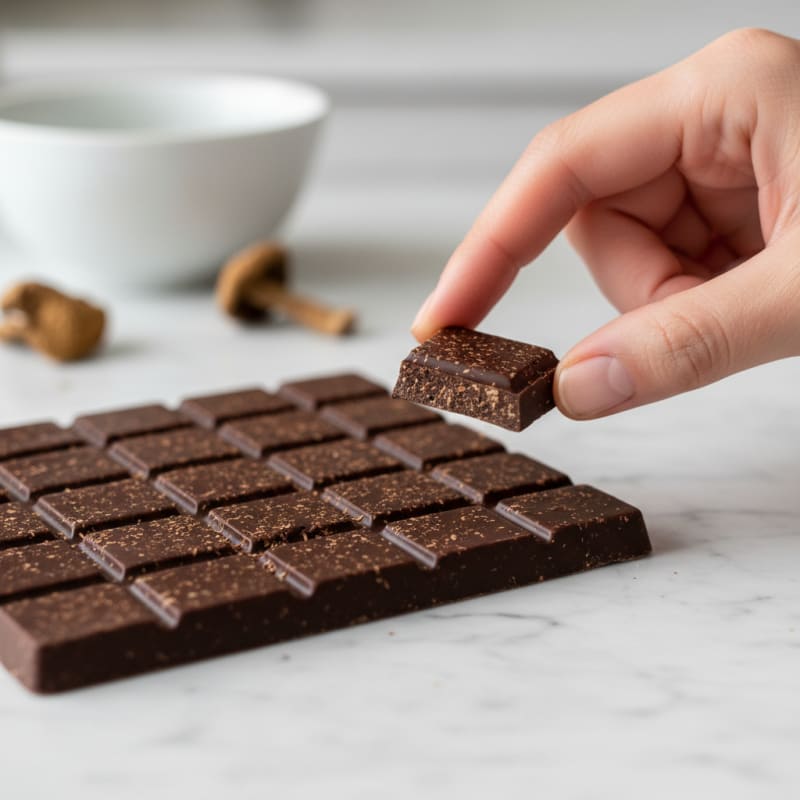
The products required are also different. Clinical trials need pure, pharmaceutical-grade psilocybin. The wellness market requires accessible, easy-to-dose, and consistent products. For many, integrating psilocybin into their routine is easier with more palatable formats. Our Fusion Chocolate bars, for example, offer a precisely dosed, enjoyable alternative to dried mushrooms or capsules, making a wellness routine more approachable.
Ultimately, the data shows that psilocybin use is not a monolith. While high-dose sessions hold therapeutic promise, they are not representative of how most people use psilocybin. The wellness model—measured in days of consistent microdosing—is the larger and more established phenomenon.
Understanding this distinction is the first step toward a more mature and nuanced public conversation about psilocybin, one that reflects the reality of how it is being used by millions of people.

ShroomDash Editorial Team
Published 2026-04-17 · 4 min read read · Dosing