
The Two Worlds of Psilocybin
Quick Summary
Recent studies show that while clinical research focuses on high-dose psilocybin therapy for major health conditions, the majority of actual use is microdosing for general wellness. This creates two different narratives: the dramatic, medical story seen in news headlines and the quieter, more widespread reality of self-directed, low-dose use for mood and creativity.
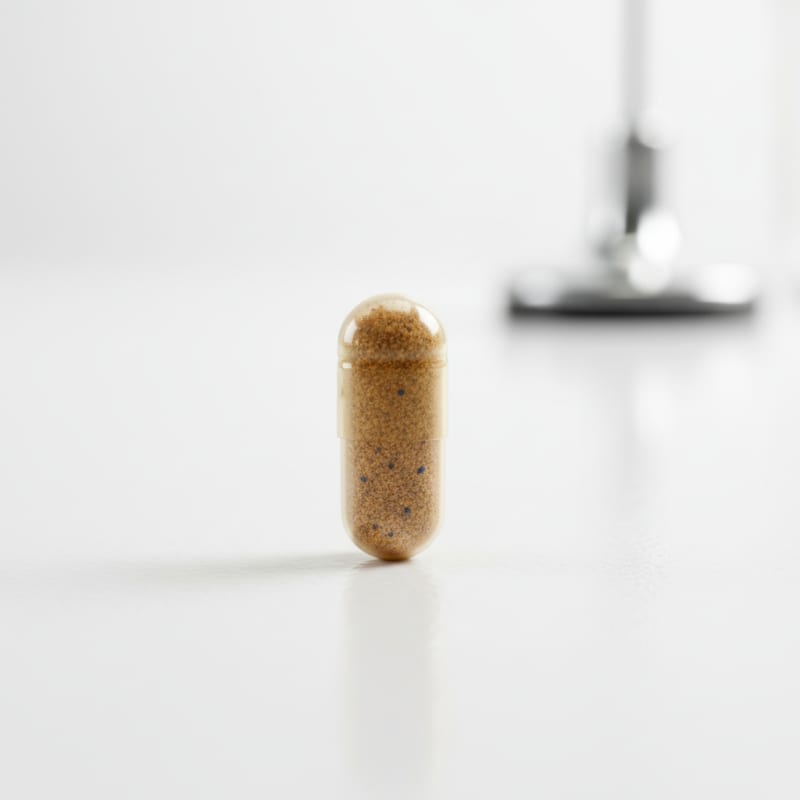


If you follow the headlines, you might believe that psilocybin use is primarily about high-dose, life-altering trips in a clinical setting. News outlets and research institutions publicize studies where participants take large doses to combat deep depression, addiction, or end-of-life anxiety. This narrative, focused on profound mystical experiences under medical supervision, is compelling. However, it only tells half of the story.
Recent data reveals a second, much larger world of psilocybin use. A 2026 study from the RAND Corporation, a non-profit research organization, surveyed psychedelic use and found that psilocybin was the most common, used by an estimated 11 million adults in the past year. More importantly, the study showed that among these users, roughly two-thirds had microdosed. In fact, of the more than 200 million days of psilocybin use reported, nearly half involved microdosing—the practice of taking a sub-perceptual dose with no intention of producing an altered state of consciousness.
This creates a profound disconnect. The public conversation is dominated by high-dose therapy, but the data shows the most common method of use is low-dose and self-directed. These are the two worlds of psilocybin: the clinical and the personal.
What Is the Clinical Psilocybin Narrative?
The clinical narrative is defined by research at institutions like the Johns Hopkins Center for Psychedelic and Consciousness Research. This work is methodical, rigorously controlled, and focused on therapeutic outcomes for specific, often severe, medical conditions. In this world, psilocybin is treated as a powerful pharmacological agent to be administered in a controlled medical environment.
A typical clinical protocol involves:
- High Doses: Participants receive a specified, high dose of synthetic psilocybin, often around 25mg, intended to induce a powerful psychedelic experience.
- Professional Supervision: The entire session, which can last for hours, is monitored by trained therapists or medical staff who provide support.
- Screened Participants: Individuals are carefully selected based on their medical history and the specific condition being studied, such as treatment-resistant depression or PTSD.
- Controlled Setting: The environment is carefully curated to be safe, comfortable, and supportive, a clinical application of the "set and setting" principles.
The goal of this research is unambiguous: to gain regulatory approval and establish psilocybin as a legitimate, prescription-based treatment integrated into the healthcare system. The narrative emphasizes safety, efficacy, and the dramatic, positive changes that can occur from a single, high-dose experience. It is a story about medicine, not wellness.
What Does Real-World Psilocybin Use Look Like?
The data from RAND paints a starkly different picture. The world of real-world use is quieter, more personal, and vastly more widespread. It is not about a single, monitored experience but about the regular, self-managed integration of psilocybin into a daily or weekly routine. This world is defined by microdosing.
Key characteristics of this model include:
- Sub-Perceptual Doses: Users take very small amounts of psilocybin, typically 50mg to 150mg of dried mushroom material, which is far below the threshold for psychoactive effects.
- Self-Directed Protocols: Individuals manage their own schedules, often following popular protocols like one day on, two days off, without any medical oversight.
- Wellness Goals: The intent is not to "trip" or have a profound mystical experience. Instead, users report seeking benefits like improved mood, reduced anxiety, enhanced creativity, and increased focus.
- Consistent, Measured Products: This type of use relies on predictable and consistent products. Psilocybin capsules are a common format, as they provide a precisely measured dose, removing the guesswork and variability of using dried mushrooms.
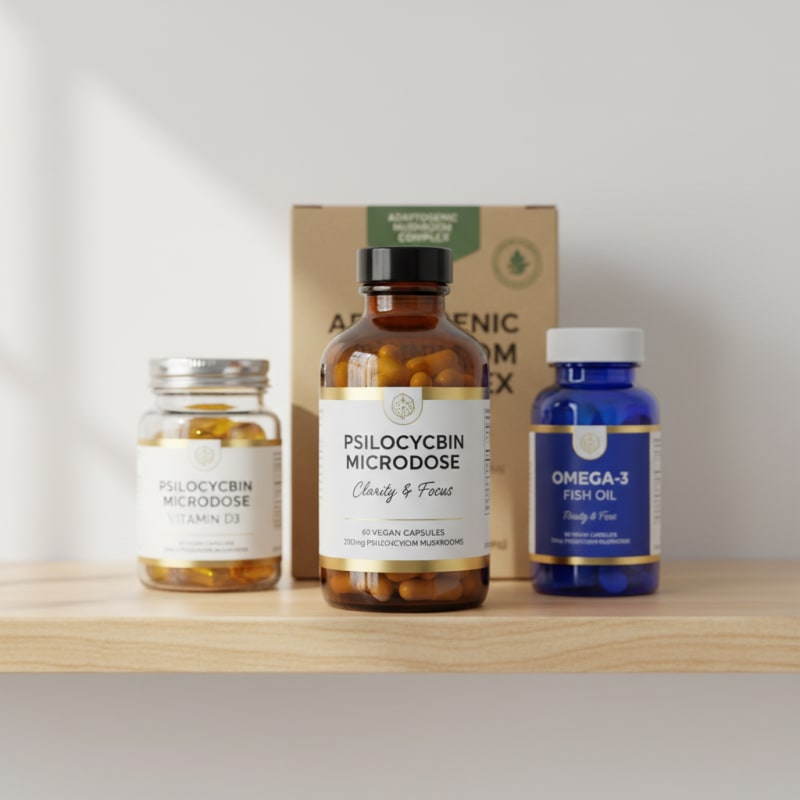
For many, this approach is less of a dramatic intervention and more like a supplement—a tool for optimizing mental and emotional well-being. This is where products like Clarity Microdose Capsules find their place, offering users a reliable way to integrate a consistent, sub-perceptual dose into their established wellness routines.
Why Is There Such a Disconnect?
The divergence between the clinical narrative and real-world use is not an accident. It is the logical outcome of how science, media, and society function. There are several key reasons for this gap:
- The Nature of Clinical Research: Scientific studies, especially those seeking FDA approval, are incredibly expensive and time-consuming. To secure funding and produce clear results, researchers must focus on standardized, high-impact interventions. A high dose of psilocybin targeting a severe disorder is far easier to measure and validate than the subtle, subjective effects of microdosing on general wellness. The nuances of microdosing in the real world vs. in research create significant challenges for study design.
- The Media’s Need for a Story: "Psilocybin Cures Depression" is a far more compelling headline than "Millions Use Small Doses to Feel Slightly Better." The media naturally gravitates toward the dramatic, transformative potential of high-dose therapy. This creates a feedback loop where clinical findings get amplified, shaping public perception and overshadowing the more common, less dramatic reality of microdosing.
- Access and Immediacy: The path to medicalization is long and slow. While researchers pursue clinical trials, millions of people are seeking solutions for their well-being *now. The wellness market has emerged to meet this immediate demand, offering accessible products that people can use on their own terms, without waiting years for a prescription model to become available.
The clinical and wellness models of psilocybin are not necessarily in conflict. They are parallel tracks that have evolved to serve different purposes, different timelines, and different needs. The data shows that while the methodical, high-dose clinical approach advances, a massive, silent experiment in personal wellness is already well underway.

ShroomDash Editorial Team
Published 2026-04-16 · 4 min read read · Dosing