
Psilocybin Protocols: Therapy vs Wellness
Quick Summary
Psilocybin is used under two main models: high-dose clinical therapy for treating specific illnesses and low-dose wellness protocols (microdosing) for general cognitive and mood enhancement. These approaches differ fundamentally in their goals, dosage, and structure, with clinical use being a rare, intense intervention and wellness use being a frequent, sub-perceptual practice.
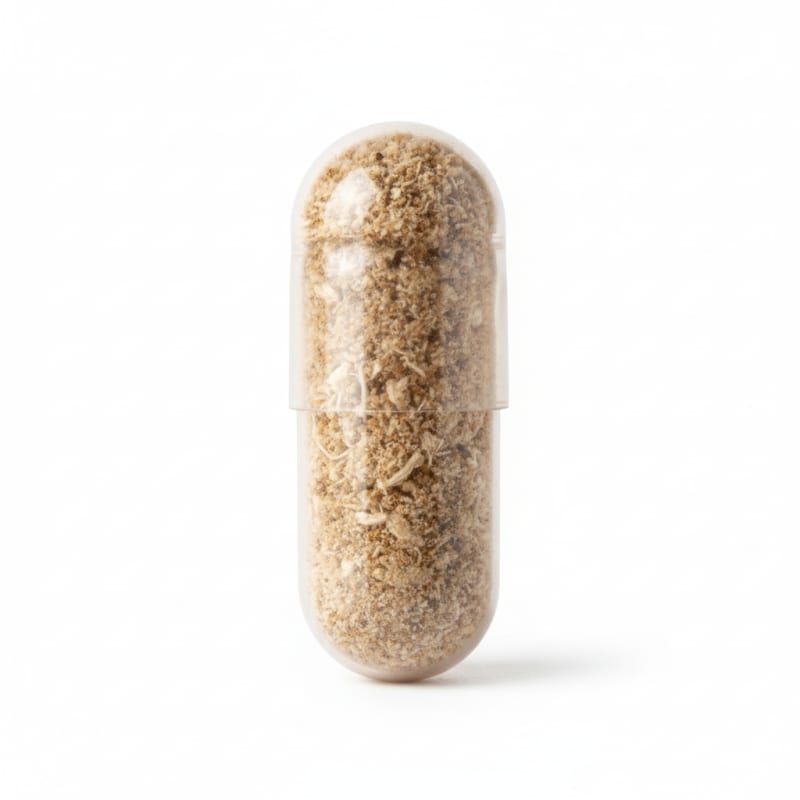


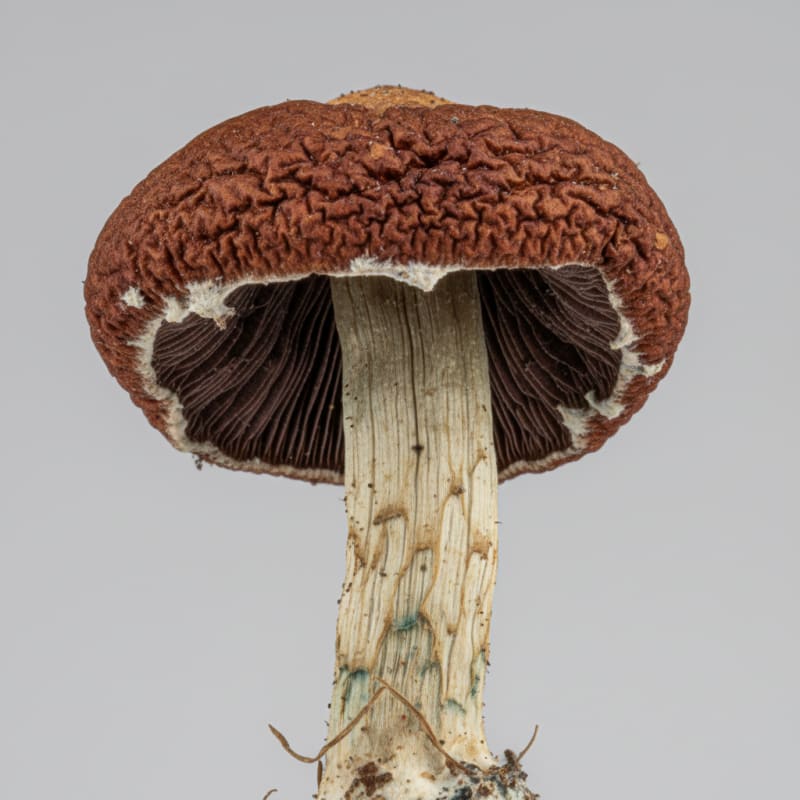
The conversation around psilocybin has split into two distinct channels. One is the clinical, medicalized path, characterized by high-dose, professionally guided sessions aimed at treating specific psychiatric conditions. The other is the wellness path, dominated by microdosing—the practice of taking sub-perceptual doses for cognitive and emotional self-enhancement. While media headlines often focus on the dramatic results of clinical trials, recent data shows that a massive number of people are quietly integrating low-dose psilocybin into their regular lives.
These two approaches are not just different in dosage; they operate with entirely different goals, structures, and expectations. A high-dose therapeutic session is an acute, intense, and infrequent event designed to catalyze a major psychological shift. A microdosing regimen is a chronic, gentle, and frequent practice intended for subtle optimization. Understanding the protocols of each is essential for making sense of the modern psilocybin landscape.
What Is a Clinical Psilocybin Protocol?
A clinical psilocybin protocol is a highly structured framework designed for use in a therapeutic setting to treat diagnosed medical conditions. Pioneered by institutions like the Johns Hopkins Center for Psychedelic and Consciousness Research, these protocols are being studied for FDA approval to address issues like major depression, end-of-life anxiety, and addiction.
The core of the clinical model is the administration of a high dose of pure, synthesized psilocybin, typically in the range of 20 to 30 milligrams. This is enough to induce a powerful psychedelic experience lasting several hours. The protocol is about much more than just the dosing day itself:
- Screening: Participants undergo extensive psychological and physical screening to ensure they are suitable candidates and to rule out contraindications like a personal or family history of psychosis.
- Preparation: Several preparatory sessions are held with two trained therapists or guides. These sessions are used to build trust, set intentions for the experience, and prepare the participant for the range of potential psychological states they may encounter.
- The Session: The high-dose session takes place in a controlled, comfortable room designed to look more like a living room than a hospital. The participant lies on a couch, often wearing eyeshades and listening to a curated music playlist, with the guides present for the entire duration to provide support and reassurance.
- Integration: Following the experience, multiple integration sessions are held. This is where the participant and therapists work together to process the insights, emotions, and memories from the session and translate them into lasting behavioral and psychological change.
The entire process may involve only two or three high-dose sessions over several months. The goal is not to feel good, but to engage in deep psychological work. The profound, sometimes called "mystical," experience is seen as a tool to help reboot brain patterns and provide a new perspective on one's illness and life.
What Is a Wellness or Microdosing Protocol?
In stark contrast to the clinical model, wellness protocols are designed for use outside of a medical setting. The most common form is microdosing, which the latest RAND survey indicates accounts for nearly half of all psilocybin use days. This approach involves taking a "sub-perceptual" dose—typically 50mg to 250mg of dried *Psilocybe cubensis mushroom—on a recurring schedule.
A microdose is not intended to produce an altered state of consciousness. The user should be able to go about their daily activities without impairment. The goals are not to treat a severe illness, but to enhance well-being through subtle shifts in mood, creativity, focus, and social ability. This path is navigated personally, and users often follow established, community-developed protocols.
Two of the most popular microdosing protocols are:
- The Fadiman Protocol: Developed by psychologist and psychedelic researcher Dr. James Fadiman, this is the most well-known schedule. It involves taking a microdose once every three days (one day on, two days off). The two-day break is intended to prevent tolerance and allow the user to notice the residual effects of the dose versus their baseline state.
- The Stamets Stack: Popularized by mycologist Paul Stamets, this protocol involves combining a psilocybin microdose with Lion's Mane mushroom and Niacin (Vitamin B3). The theory is that this combination promotes neurogenesis. It is often taken for four or five consecutive days followed by a two or three-day break.
These protocols rely on precision and consistency, which is why many users opt for pre-measured products. Formulations like Core Microdose Capsules are designed specifically for this type of structured regimen, providing a consistent 100mg dose that removes the guesswork. You can explore options in our microdose capsules collection.
Why Are the Goals and Methods So Different?
The divergence between clinical and wellness protocols comes down to their fundamental objectives. They are two different tools for two different jobs.
Clinical therapy uses psilocybin as a powerful catalyst for a short-term, acute psychological intervention. The goal is a radical shift in perspective to break through the rigid thought patterns associated with a specific psychiatric disorder. It is a targeted treatment, much like a surgical procedure, designed to have a profound and lasting impact from just a few applications. The entire framework is built around safety, containment, and maximizing therapeutic outcomes within a medical system.
Wellness or microdosing protocols use psilocybin as a sub-perceptual tool for ongoing self-optimization. The goal is a subtle, cumulative effect on general well-being. It is approached more like a supplement, integrated into a routine to gently enhance day-to-day life. This path is defined by personal experimentation, accessibility, and dose formats that fit into a daily routine, such as gummies or capsules. It exists outside the medical system, driven by individuals seeking to improve their baseline state rather than cure a disease.
These two paths are not in opposition; they simply serve different needs. The clinical path is forging a way for psilocybin to be accepted as a legitimate medicine for defined illnesses. The wellness path reflects how millions of people are already exploring the compound for personal growth and enhancement.
While the regulated, high-dose clinical model generates the most prominent research, it's the informal, low-dose wellness model that represents the vast majority of psilocybin use today. As both a sanctioned medicine and a wellness supplement, psilocybin is carving out two parallel and significant roles in modern society.

ShroomDash Editorial Team
Published 2026-04-13 · 5 min read read · Dosing