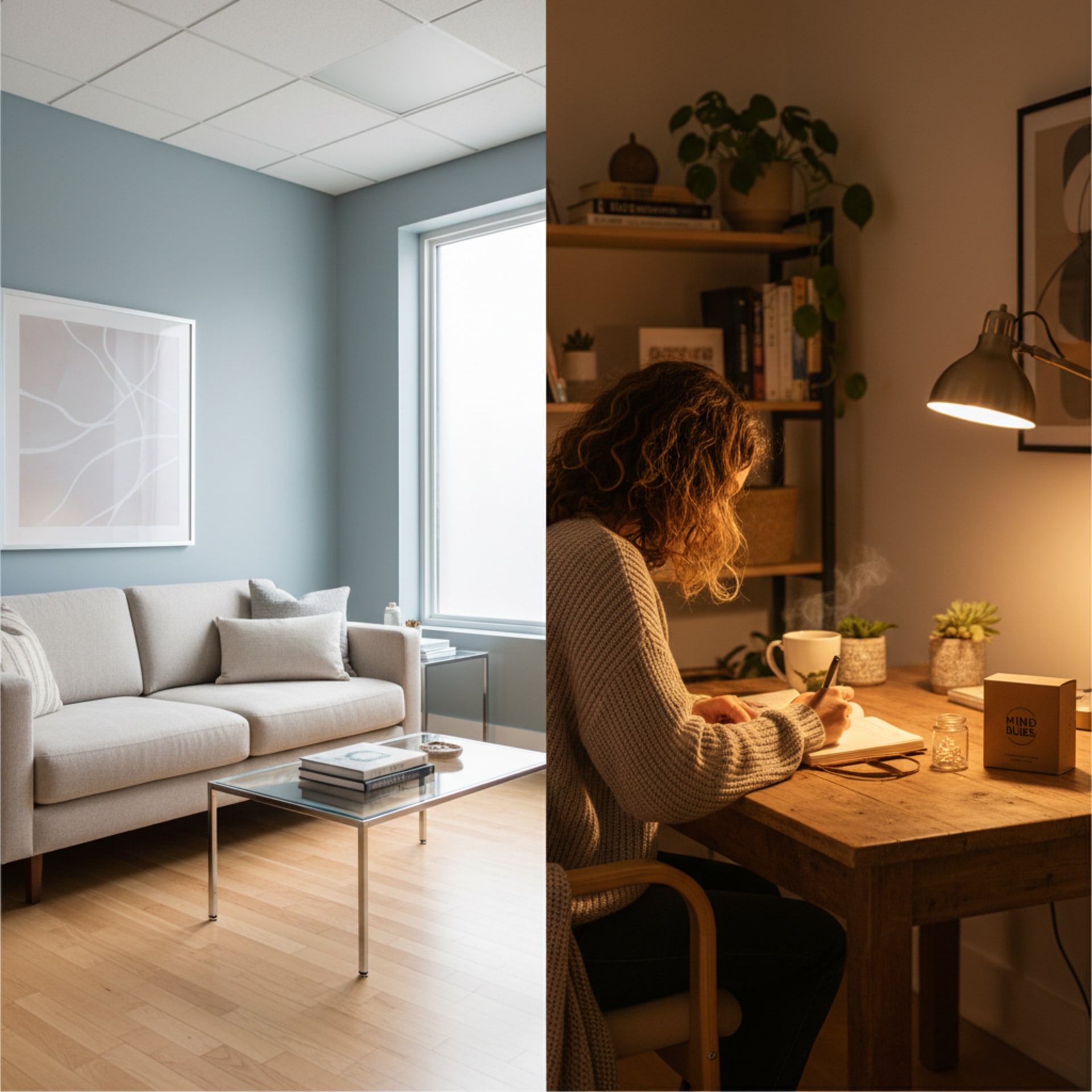
Psilocybin in the News vs. In Real Life
Quick Summary
Media headlines often focus on high-dose, therapist-guided psilocybin sessions for treating severe conditions like depression and addiction. However, recent data shows that the vast majority of real-world psilocybin use consists of low-dose microdosing for general wellness, creativity, and mood enhancement.
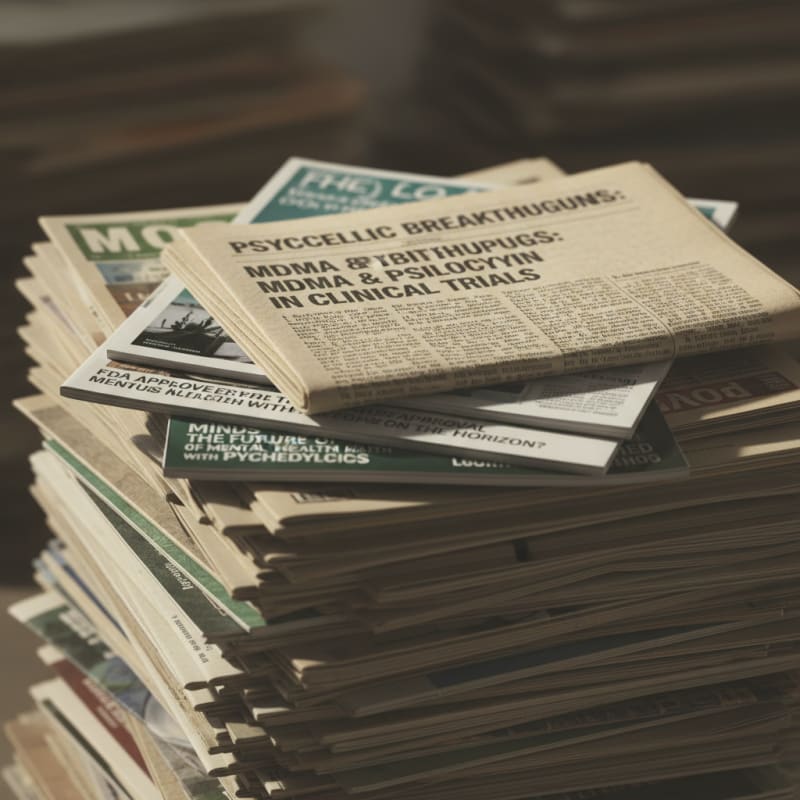
Headlines about psilocybin often paint a specific picture: a powerful, high-dose session in a clinical setting, designed to treat profound conditions like addiction or major depression. This narrative, driven by groundbreaking research from institutions like Johns Hopkins, is shaping the medical and legal future of psychedelics. Yet, it represents only one facet of psilocybin use. Away from the clinics and laboratories, a much larger, quieter trend is occurring. Recent data reveals that the vast majority of psilocybin use is not clinical or high-dose, but rather low-dose, integrated into daily life for wellness.
This creates two parallel worlds of psilocybin—the one you read about in the news and the one millions of people are actually experiencing. Understanding the difference between these two worlds is crucial for anyone navigating the topic, as the goals, doses, and contexts are fundamentally distinct.
What Does Psilocybin Use Look Like in Clinical Trials?
When media outlets report on studies showing psilocybin’s effectiveness for smoking cessation or depression, they are covering the clinical model. This approach is pharmaceutical in nature, built around rigor, safety, and measurable outcomes for specific medical conditions.
The key features of the clinical model include:
- High Doses: Participants are typically given a single, large dose of pure, synthesized psilocybin, often 25mg or more. This is enough to induce a powerful, multi-hour psychedelic experience. The goal is not subtlety, but a profound shift in consciousness that researchers believe can help rewire neural pathways related to a specific disorder.
- Controlled Setting: These sessions occur in a controlled, safe environment, sometimes resembling a comfortable living room but with medical staff on hand. The "set and setting" are meticulously managed to promote a therapeutic outcome and ensure patient safety.
- Professional Guidance: The experience is not undertaken alone. Patients are guided by trained therapists or facilitators who prepare them for the session and help them integrate the experience afterward. This therapeutic support is considered just as important as the psilocybin itself.
- Targeted Purpose: Clinical trials are not for general self-improvement. They recruit participants with diagnosed conditions, such as Major Depressive Disorder (MDD), Post-Traumatic Stress Disorder (PTSD), or substance use disorders. The success of the trial is measured by a reduction in the symptoms of that specific condition.
This model is designed to generate the robust data needed for regulatory approval and to establish psilocybin as a legitimate medical treatment. It is intensive, infrequent, and medically supervised.
How Is Psilocybin Used in the Real World?
In contrast to the focused, high-dose clinical world, psilocybin use in the general population looks entirely different. A 2026 RAND study provided the first large-scale look at this reality, and the findings were illuminating. The research estimated that 11 million U.S. adults used psilocybin in the past year. Of those users, approximately two-thirds reported microdosing at least once, and nearly half of all psilocybin "use days" were attributed to microdosing.
This form of use, often called wellness or intentional use, is characterized by:
- Low Doses: A microdose is a sub-perceptual or sub-hallucinogenic dose, typically between 50 and 250 milligrams of dried mushroom material. The goal is not to have a psychedelic experience but to achieve subtle, cumulative benefits over time.
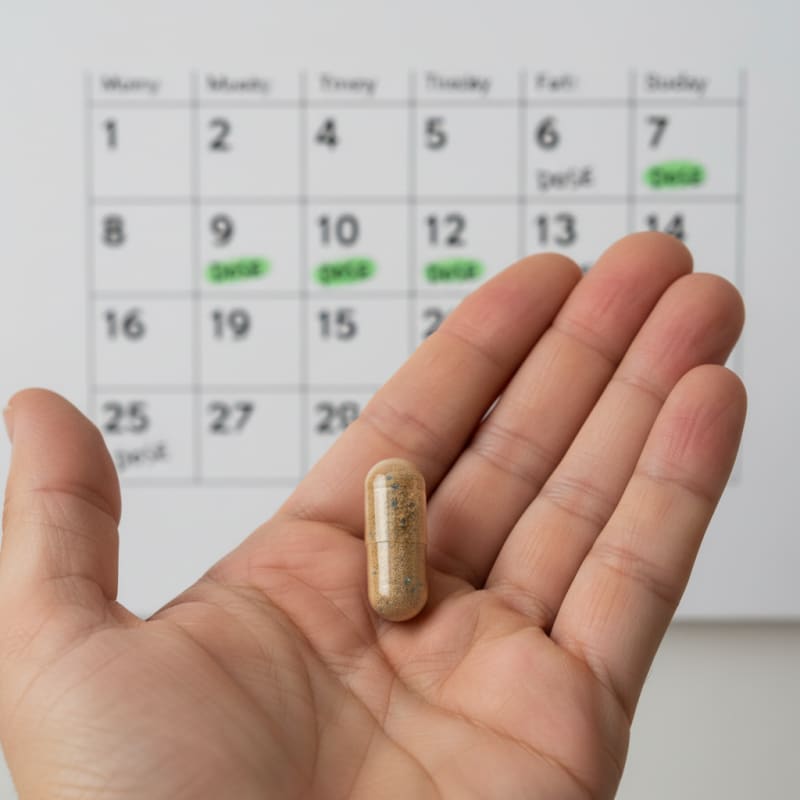
- Regular Schedules: Unlike a single clinical session, microdosing involves a consistent routine. People often follow popular protocols, such as taking a dose every three days or for five days on followed by two days off, which you can learn more about in our microdosing schedule guide.
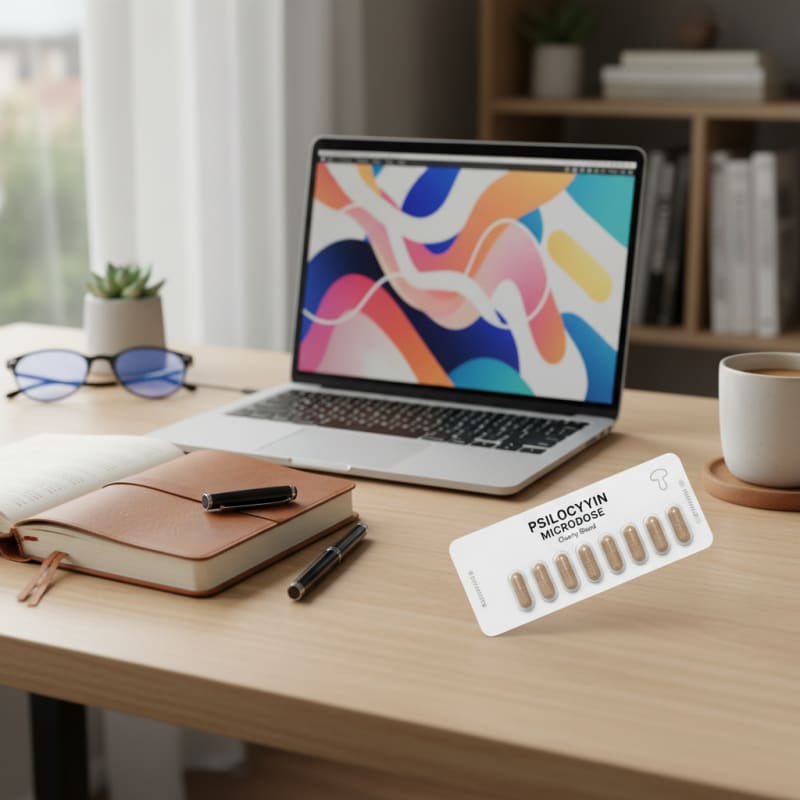
- Integration into Daily Life: Microdoses are taken at home or before work, integrated into a person’s existing routine. The intent is to enhance normal life, not escape it. Products like precisely dosed capsules are designed for this purpose, making it simple to manage intake without guesswork. You can find a variety of options in our capsules shop.
- Wellness Goals: The motivations are centered on general well-being rather than treating a specific disease. Common reported benefits include improved mood, increased creativity, better focus, and reduced anxiety. It is a proactive approach to mental wellness and cognitive enhancement.
For those managing a wellness routine, our Clarity Microdose Capsules offer a precise 100mg dose of *Psilocybe cubensis, blended with Lion's Mane and Niacin for cognitive support.
Why Does This Difference Matter?
The divergence between the clinical narrative and real-world use is more than just a curiosity; it has significant implications for public understanding and policy. The headlines are dominated by the high-dose medical model because its effects are dramatic and easier to measure in a traditional research framework. A trial that shows 67% of participants quit smoking after two psilocybin sessions is a clear, powerful result.
Measuring the subtle, long-term effects of microdosing is far more challenging for researchers. This creates a data gap, where the most common form of psilocybin use is also the least studied. The public is left with a skewed perception, where psilocybin is primarily seen as a potent, world-altering drug for the severely ill, rather than a versatile compound that most users engage with at low-doses for self-improvement.
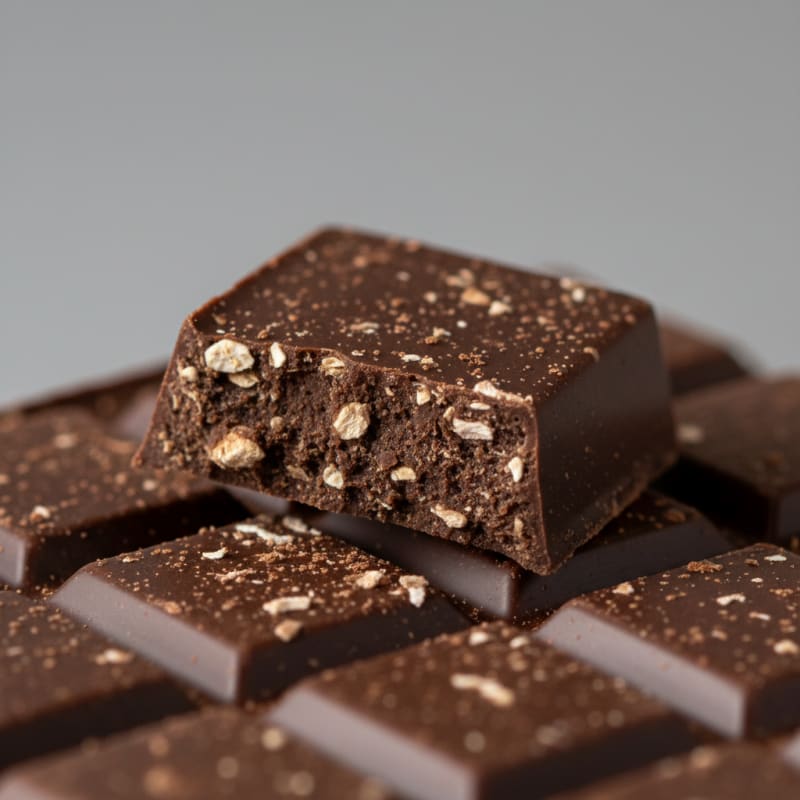
This is not to say one model is better than the other. The two worlds serve different purposes. High-dose, guided therapy offers a powerful tool for those with significant mental health challenges who have not found relief from conventional treatments. It is a targeted intervention. Meanwhile, microdosing represents a grassroots wellness movement, driven by individuals seeking to optimize their daily lives. Edibles like chocolate bars can serve both purposes, offering a simple way to take a small, functional dose or a larger, more experiential one. ShroomDash's Shroomies Artisan Chocolate Bar, for example, combines premium dark chocolate with psilocybin, offering a flexible approach from a single square for a creative lift to multiple for a more profound experience.
The real story of psilocybin is not just one of radical therapeutic breakthroughs, but also one of quiet, consistent, and widespread use for personal wellness. Both are valid and important parts of the landscape.
The ongoing conversation around psilocybin must account for both its clinical potential as a targeted medical treatment and its prevalent use as a tool for everyday mental and cognitive well-being.

ShroomDash Editorial Team
Published 2026-03-19 · 5 min read read · Dosing