
High-Dose vs. Microdose Protocols
Quick Summary
Psilocybin is used in two main ways: high-dose, supervised sessions in clinical research to treat severe conditions, and low-dose, unsupervised microdosing for everyday wellness. High-dose therapy aims for a profound, one-time experience, while microdosing involves taking small, regular amounts for subtle benefits without intoxication. These two approaches serve different goals and have vastly different logistical and risk considerations.
The conversation around psilocybin often presents a divided picture. On one hand, institutions like the Johns Hopkins Center for Psychedelic and Consciousness Research receive tens of millions in funding to study high, medically-supervised doses for treating severe depression and addiction. On the other, a 2026 RAND study reveals that for the millions of people who use psilocybin, nearly half of all use involves microdosing—taking a small amount for subtle, everyday benefits.
These two approaches, the clinical high-dose protocol and the wellness microdosing protocol, represent distinct paths. They differ not just in the amount consumed but in their goals, logistics, and accessibility. Understanding the distinction is key to navigating the modern landscape of psilocybin, moving beyond media headlines to see how it is most commonly being used.
What Is The Clinical High-Dose Protocol?
The clinical model is what typically generates news headlines. It involves administering a single, large dose of pure psilocybin in a controlled, therapeutic environment. This protocol is meticulously designed to create the conditions for a profound, and often transformative, psychological experience.
Key features include:
- Standardized High Dose: Doses in clinical trials are precise, typically ranging from 20mg to 30mg of pure psilocybin, administered to a patient with a specific, diagnosed condition. This is a substantial dose, equivalent to 3-5 grams of potent dried mushrooms, intended to reliably induce a powerful psychedelic experience.
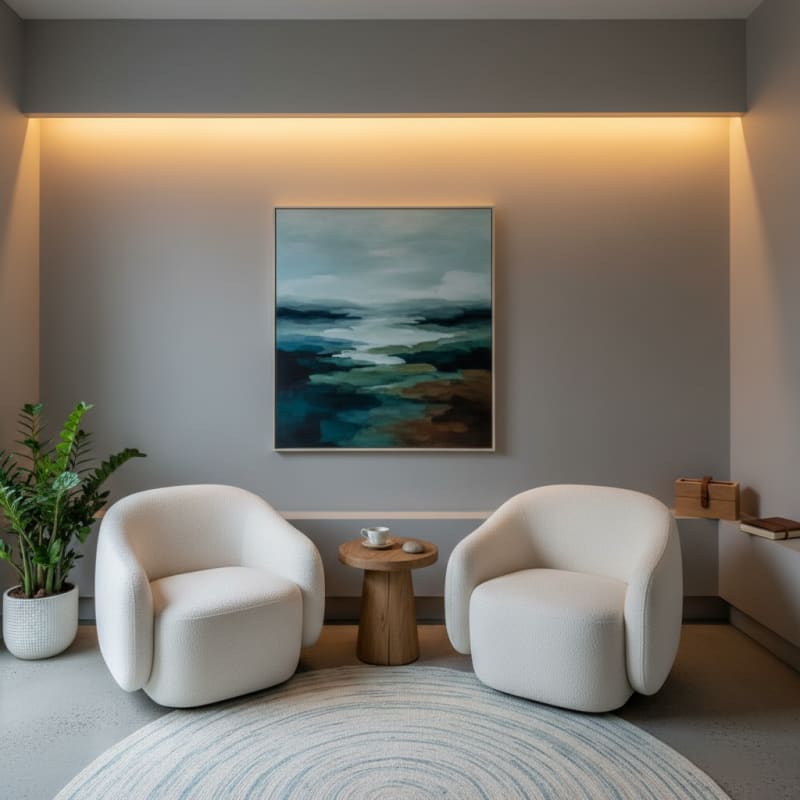
- Supervised Setting: The session is overseen by one or two trained therapists or guides. These facilitators do not direct the experience but provide reassurance and support, ensuring the patient feels safe. The physical environment is carefully controlled, often resembling a comfortable living room more than a sterile clinic, to promote a positive set and setting.
- Time Commitment: A high-dose session is a significant undertaking. The primary effects last 4-6 hours, requiring participants to take a full day off. The protocol also includes multiple preparatory sessions before the dosing day and integration sessions afterward to help process the experience.
- Therapeutic Goal: The objective is not recreational. It aims to induce a "mystical" or "peak" experience, which research correlates with therapeutic breakthroughs. By disrupting rigid patterns of thought and emotion, high-dose therapy can create a window of neuroplasticity, helping individuals reframe their relationship to trauma, addiction, or depression.
The entire process is structured as a powerful but infrequent intervention, designed to address severe and persistent mental health challenges.
What Is The Wellness Microdosing Protocol?
In stark contrast to the clinical model, the wellness protocol is defined by small, routine doses integrated into everyday life. This is the approach the RAND study found to be exceptionally common among psilocybin users. It operates on a completely different philosophy and scale.
Microdosing protocols are characterized by:
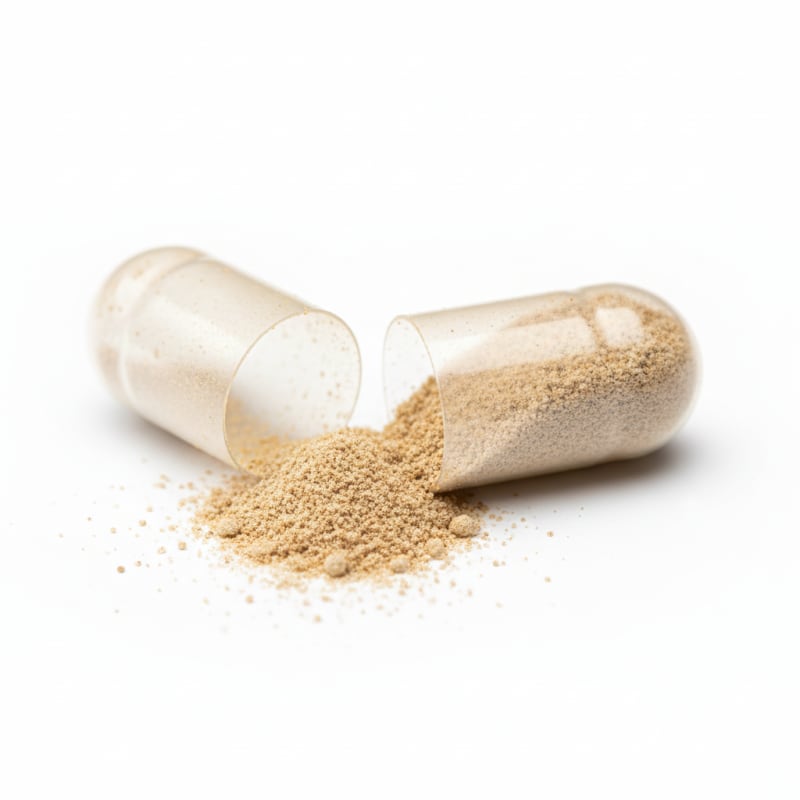
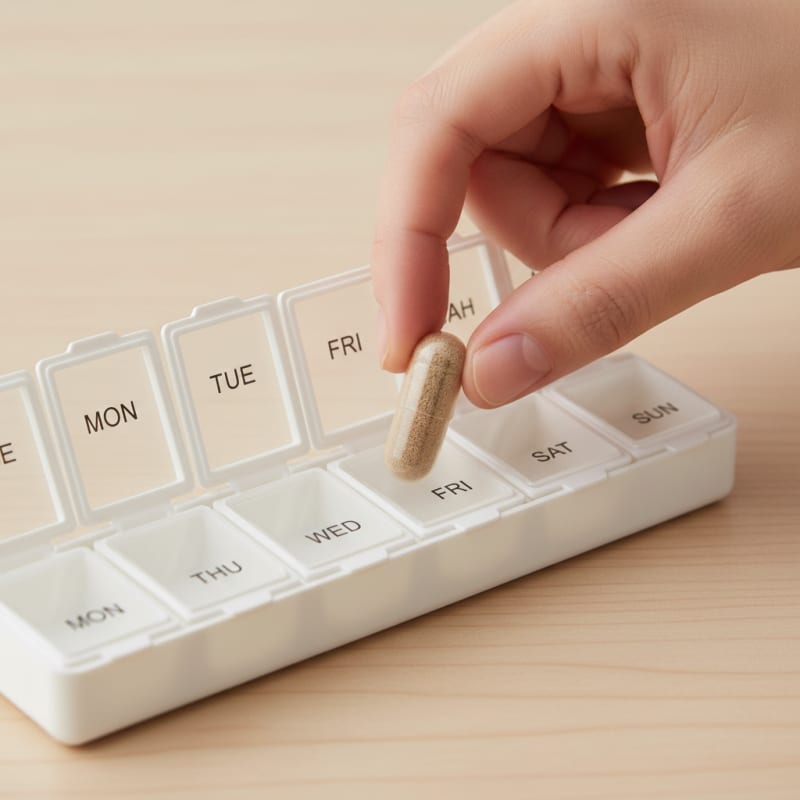
- Sub-Perceptual Doses: A microdose is a dose so small it does not produce a noticeable psychedelic effect. Typically, this is 50mg to 250mg (0.05g to 0.25g) of dried *Psilocybe cubensis mushrooms, often taken in a product like Core Microdose Capsules. The goal is sub-perceptual, meaning the user can go about their day—work, study, or socialize—without impairment. Users report subtle benefits rather than an altered state.
- Regular Schedules: Unlike a single high dose, microdosing is done according to a schedule. Common protocols, like the one popularized by Dr. James Fadiman, involve taking a dose one day and then taking two days off to prevent tolerance. This routine use is what makes it a "protocol" rather than a one-time event.
- Unsupervised Use: Microdosing is done independently, without the need for a guide or clinic. It is managed personally, tailored to individual needs and schedules. This accessibility is a major reason for its widespread adoption, as seen in the increasing popularity of precisely dosed psilocybin capsules.
- Wellness Goals: The aims of microdosing are not to treat a severe clinical disorder but to enhance general well-being. Users commonly report improved mood, increased creativity, better focus, reduced anxiety, and enhanced emotional connection. It is used as a tool for optimization and personal growth, not as a dramatic intervention.
Why Are These Models So Different?
The divergence between the high-dose clinical path and the low-dose wellness path stems from their fundamentally different objectives. One is designed to radically interrupt a state of disease, while the other is intended to subtly enhance a state of health. This core difference informs everything else.
- Intent: Clinical protocols target diagnosable conditions like Major Depressive Disorder or PTSD. The high dose is a powerful tool meant to occasion a breakthrough. Wellness protocols are for personal enhancement, akin to taking a vitamin or practicing meditation. Both may improve well-being, but their methods and intensity are worlds apart.
- Logistics and Accessibility: High-dose therapy is expensive, time-consuming, and requires specialized infrastructure and personnel. It is, by design, inaccessible to most. Microdosing is comparatively inexpensive, discreet, and fits into a daily routine, making it a far more accessible option. Some users may opt for low-dose edibles, like the Balance 1g Chocolate Bar, to find a middle ground they can manage independently.
- Risk and Effect: A high dose carries the risk of a challenging psychological experience ("bad trip") and requires a safe, guided setting. A microdose has a much lower risk profile, with effects so subtle they are often noticed cumulatively over weeks or months. This is a key reason why microdosing research lags behind real-world use; measuring small, incremental changes is far more difficult for researchers than observing the outcome of a single, powerful event.
The two protocols exist in parallel because they serve entirely different purposes for different people. The clinical model offers a potential cure for the profoundly ill, while the wellness model offers a tool for enhancement to the generally healthy.
The development of these two distinct tracks highlights the versatility of psilocybin. Its effects are not monolithic but are instead intricately tied to dosage, setting, and, most importantly, the user's intention.

ShroomDash Editorial Team
Published 2026-04-14 · 4 min read read · Dosing