
Why Psilocybin Research Focuses on High Doses
Quick Summary
Millions of adults now microdose psilocybin, yet most formal scientific studies focus on high, clinically-administered doses. This is because research aims to treat severe conditions with statistically significant results, which are easier to achieve with powerful, high-dose experiences. Studying the subtle, long-term effects of microdosing presents significant scientific challenges, creating a gap between real-world use and clinical data.
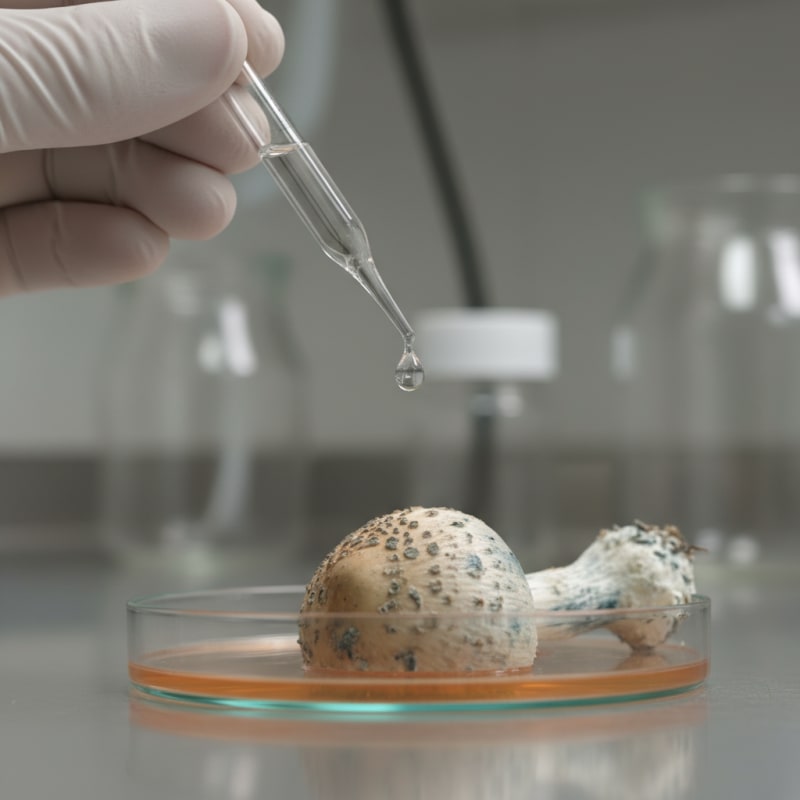

Recent survey data reveals a fascinating disconnect: while millions of people are now using psilocybin in small, repeated doses (a practice known as microdosing), the vast majority of formal, clinical research focuses on single, high-dose sessions. A 2026 RAND study highlighted that nearly half of all psilocybin use days in the previous year involved microdosing, making it an incredibly common practice. Yet, when you look at the work being done at institutions like the Johns Hopkins Center for Psychedelic and Consciousness Research, the emphasis is clearly on large, therapist-guided doses to treat specific conditions.
This gap between "real-world" use and the scientific standard raises a critical question: if so many people are microdosing, why is the research community almost exclusively dedicated to studying high doses? The answer lies in the differing goals, methodologies, and challenges inherent to each approach.
What Is the Goal of Clinical Psilocybin Research?
The primary objective of modern psilocybin research is to develop effective, approved treatments for severe and difficult-to-treat conditions. This includes major depressive disorder (MDD), end-of-life anxiety in cancer patients, and substance use disorders. To achieve this, studies must be designed to produce results that are both statistically significant and therapeutically powerful. High-dose psilocybin sessions are well-suited for this purpose.
Key factors that lead researchers to prioritize high doses include:
Quantifiable Effects: A high dose of psilocybin (typically 20-30mg) induces a profound, non-ordinary state of consciousness. This experience is unambiguous and produces measurable changes in brain activity, subjective experience, and long-term psychological outcomes. It is far easier to prove that a powerful intervention had an effect than to measure the subtle, cumulative impact of a sub-perceptual dose. The "Peak Experience": Much of the therapeutic success in clinical trials has been correlated with the occurrence of a "mystical" or "peak" experience. This is a state of ego dissolution, profound connectedness, and deep emotional release that is characteristic of a high dose. Researchers hypothesize that this specific experience acts as a catalyst for breaking rigid, negative thought patterns associated with depression and anxiety. Controlled Variables: Clinical trials thrive on controlling variables. A single, supervised dose in a controlled "set and setting" is a contained event. The therapeutic container includes preparatory sessions before the dose and integration sessions after. This model allows researchers to isolate the effects of the psilocybin session itself, strengthening their findings.
High-dose research is not aimed at optimizing daily wellness or creativity; it is a targeted medical intervention designed to address serious health conditions in a controlled, clinical environment.
Why Is Microdosing So Difficult to Study?
If high-dose research is about creating a powerful, measurable event, microdosing presents the opposite challenge. The entire point of a microdose is that it is "sub-perceptual," meaning it does not produce a noticeable psychedelic effect. This subtlety, combined with the way people microdose in the real world, creates significant hurdles for researchers.
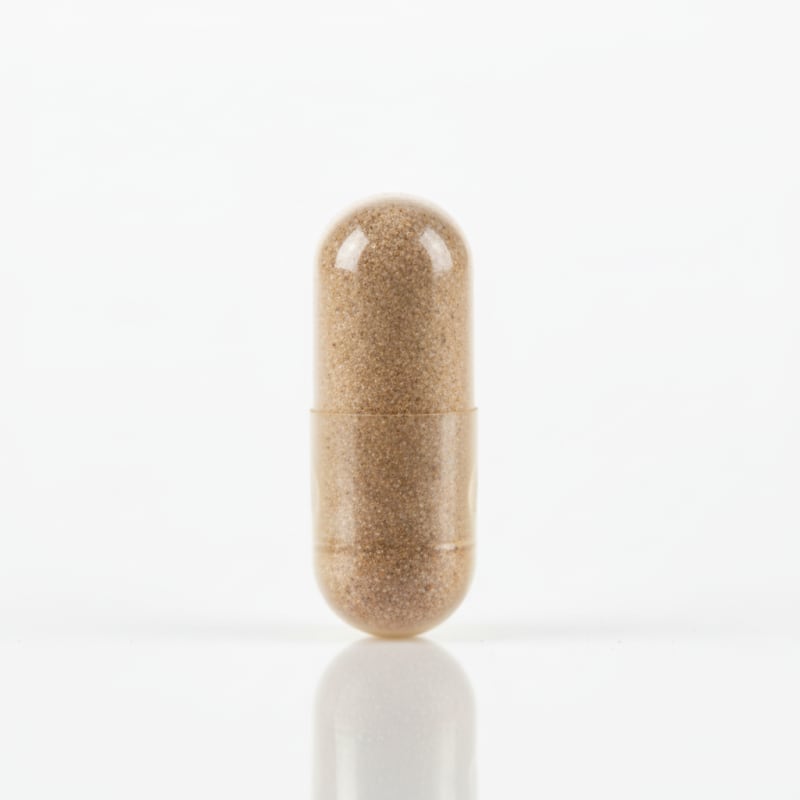
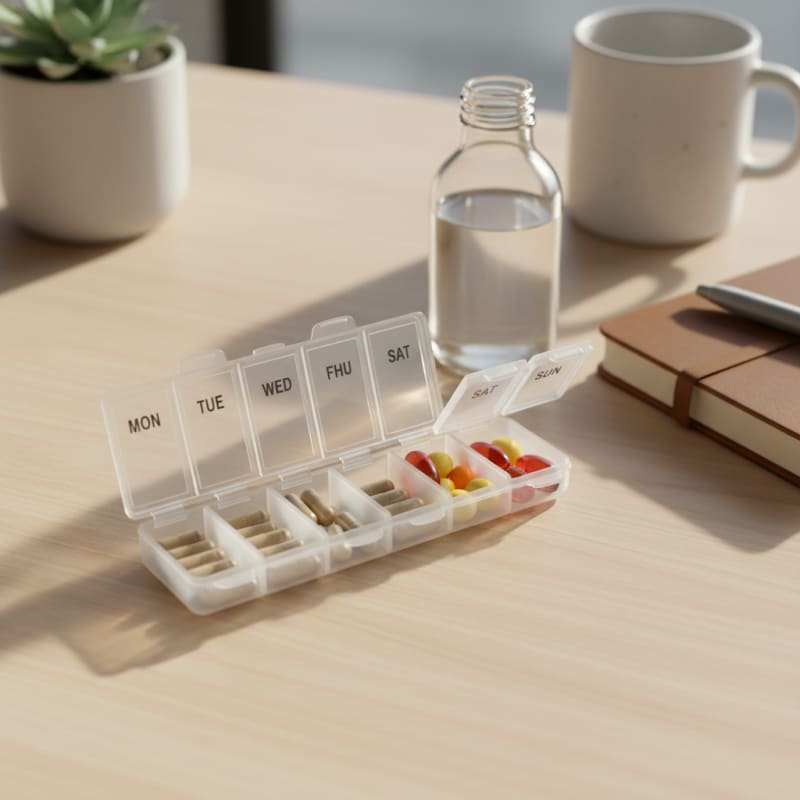
The Placebo Problem: The gold standard of clinical research is the randomized, double-blind, placebo-controlled trial. This is extremely difficult with microdosing. Because the expected effects are subtle (e.g., slightly improved mood, better focus), they are highly susceptible to the placebo effect. If a participant expects to feel better, they often will, regardless of what is in their capsule. It is challenging to blind a study when the active dose is not supposed to be consciously felt. Uncontrolled Protocols: In the real world, people use a wide variety of microdosing protocols. Some follow the Fadiman protocol (one day on, two days off), while others use the Stamets Stack, which combines psilocybin with Lion's Mane and Niacin. You can learn more about this in our post on Psilocybin, Lion's Mane & Niacin Stacks. This lack of a single, standardized user protocol makes it nearly impossible for scientists to study a consistent behaviour. The popular Cognito Microdose Capsules are designed for consistency, providing exactly 100mg of ground *Psilocybe cubensis for predictable use, but individual schedules still vary. Countless Confounding Variables: A person's diet, sleep, stress levels, and exercise habits can all influence the subtle outcomes attributed to microdosing. In a large-scale observational study, these variables are impossible to control. For a lab study to control them would require isolating participants for weeks or months, which is prohibitively expensive and impractical.
Products like precisely dosed mushroom capsules aim to solve the dose variable, but the behavioural and environmental factors remain a major scientific challenge.
Does "Real-World" Data Have Any Value?
The data from real-world use, including large-scale surveys and countless anecdotal reports, is immensely valuable, just not in the same way as a clinical trial. This type of data is observational, not experimental. It can identify trends, generate hypotheses, and inform public health policy, but it cannot prove that psilocybin *causes a specific outcome.
The RAND study, for example, didn't prove microdosing works. Instead, it proved that microdosing is a dominant form of psilocybin use. This finding alone is crucial, as it tells researchers and policymakers what people are actually doing. It highlights a disconnect that needs attention, as discussed in our article on Clinical Trials vs. Real-World Psilocybin Data.
This user-led exploration often paves the way for formal science. The thousands of people reporting benefits from microdosing are what created the scientific interest in the first place. For those looking for a balanced dose that sits between a microdose and a clinical-level dose, products like the Portal Mushroom Chocolate Bar, with 1g per bar, offer a different approach to personal use outside of a research context.
Ultimately, the two paths of psilocybin exploration are running in parallel. The clinical track is slow, methodical, and focused on high-dose therapeutic interventions for medical approval. The real-world wellness track is fast-moving, user-driven, and centered on the more accessible and sustainable practice of microdosing. Both are contributing to a more complete, if complex, picture of how psilocybin can be used.

ShroomDash Editorial Team
Published 2026-03-09 · 4 min read read · Lab Science