
Psychedelic Use: The Data vs. The Narrative
Quick Summary
New data from a RAND study shows that millions of adults use psilocybin, with the majority engaging in microdosing for general wellness. This real-world behaviour contrasts sharply with the popular narrative and clinical research, which focuses primarily on high-dose, therapist-guided sessions for mental illness.
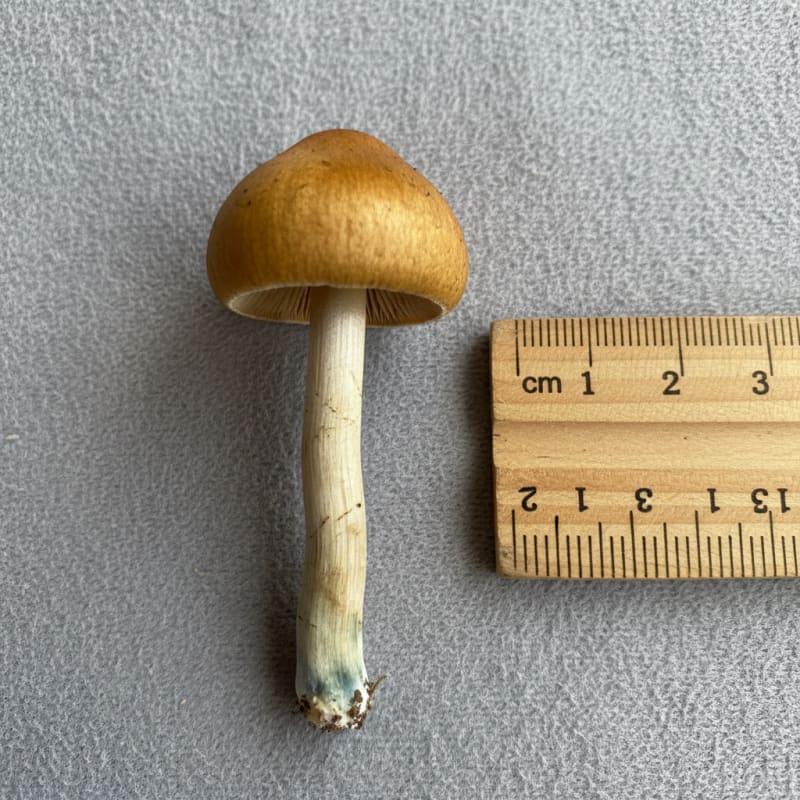
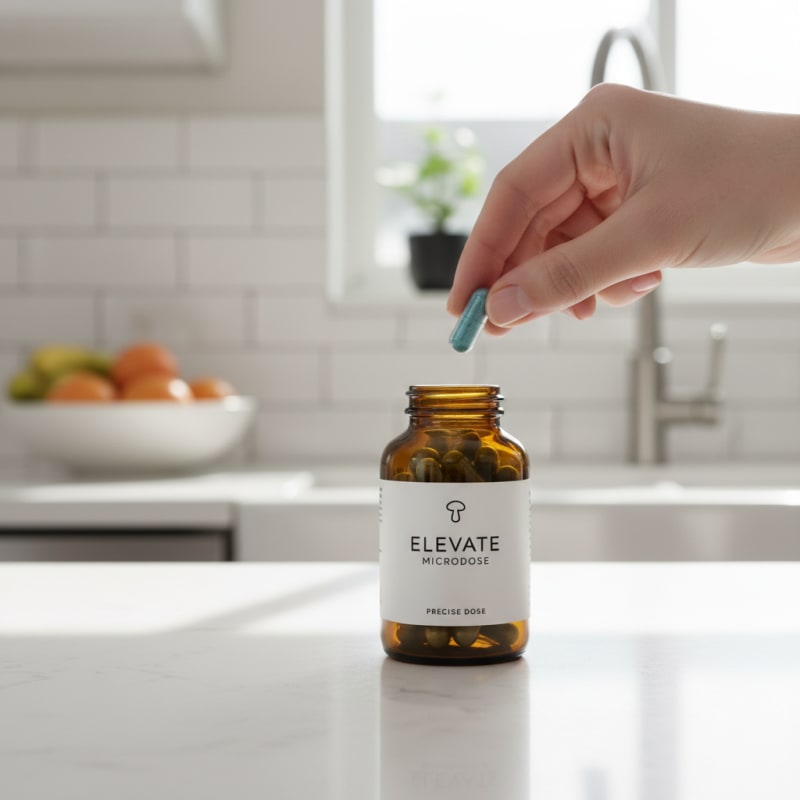
The mainstream conversation around psilocybin is often shaped by dramatic headlines and pioneering clinical research. We hear about high-dose, therapist-assisted sessions showing promise for treating severe depression, addiction, and end-of-life anxiety. Institutions like the Johns Hopkins Center for Psychedelic and Consciousness Research are at the forefront, studying psilocybin as a powerful therapeutic agent. While this research is vital, new data reveals it only tells a small part of the story.
A groundbreaking 2026 study from the RAND Corporation offers an unprecedented look into how psychedelics are actually being used by the general population. The findings confirm what many have long suspected: the reality of psilocybin use is far from the clinical narrative. The data shows a landscape dominated not by high-dose therapy, but by low-dose, wellness-oriented microdosing.
What Does the New Data Show?
The RAND study, the first of its kind in the U.S., paints a clear picture with numbers. In 2025, an estimated 11 million adults used psilocybin, making it the most common psychedelic by a wide margin. But the most significant finding lies in how they used it.
Consider these key statistics:
- Microdosing is the norm: Among adults who used psilocybin in the past year, approximately two-thirds reported microdosing at least once.
- Frequency tells the story: Of the more than 200 million days of psilocybin use reported, nearly half involved microdosing.
This means that for every person undergoing a high-dose, clinically styled session, there are many more integrating small, sub-perceptual amounts of psilocybin into their regular routines. The user base is not primarily composed of patients seeking acute treatment for a diagnosed illness, but of individuals pursuing general wellness, creativity, and mental clarity. The distinction between these two models is fundamental to understanding the psychedelic landscape. For more context on this trend, see our post on microdosing's real-world use vs. research.
How Is This Different From a Clinical Setting?
Clinical research protocols, like those used at Johns Hopkins, are necessarily strict and controlled. A typical therapeutic session involves:
- High Doses: Patients receive a precisely measured, high dose of synthetic psilocybin (often 20-30mg), intended to produce a powerful and transformative psychedelic experience lasting several hours.
- Supervised Environment: The session takes place in a controlled, clinical setting, often resembling a comfortable living room, with at least two trained therapists present at all times.
- Therapeutic Framework: The experience is part of a broader therapeutic program that includes extensive preparation sessions before and integration sessions after.
- Specific Goal: The objective is to treat a specific, diagnosed condition, such as treatment-resistant depression or nicotine addiction.
In stark contrast, the behaviour captured by the RAND data represents an entirely different model. This wellness-driven approach is characterized by:
- Low Doses: Users take a microdose, typically 50mg to 150mg of dried mushroom material, which is not intended to alter consciousness or impair daily function.
- Unsupervised Use: Doses are self-administered at home, at work, or as part of a daily routine, without clinical oversight.
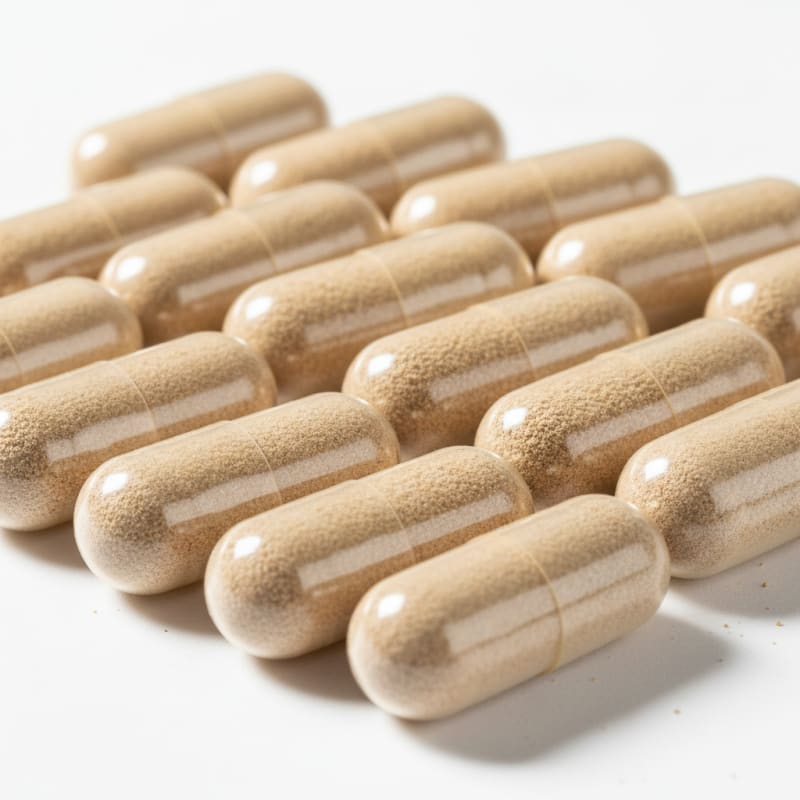
- Product Formats: Consumers aren't using pure, synthetic psilocybin, but rather accessible products like precisely dosed capsules. Many people prefer the convenience of our psilocybin capsules as a straightforward way to manage their intake.
- General Goals: The aim is not to treat a specific illness, but to enhance well-being, improve focus, or foster creativity.
A product like Balance Microdose Capsules, which blends a small amount of *Psilocybe cubensis with functional ingredients like Lion's Mane, is designed for this exact purpose. It fits seamlessly into a daily wellness regimen rather than a structured therapeutic protocol.
Why Does This Data Gap Exist?
The disconnect between the clinical narrative and real-world use isn't accidental. It stems from a combination of research priorities, funding models, and media dynamics.
Clinical research is difficult and expensive. To secure funding and regulatory approval, studies must focus on clearly defined, measurable outcomes. It is far simpler to measure the reduction in a depression score after a high-dose session than it is to quantify a subtle increase in creativity or well-being from microdosing over several months. The goals of products like the Focus Microdose Capsules, which aim to enhance mental clarity, fall outside the scope of traditional medical research, which is not designed to measure cognitive enhancement in healthy individuals.
Furthermore, the funding that powers major research centres is overwhelmingly directed toward finding patentable treatments for medical conditions. This pharmaceutical model prioritizes high-potency interventions for diagnosable illnesses, as that is where the medical and financial incentives lie. General wellness is a vast market, but it is not a medical one, a topic we explore further in our article on therapy vs. wellness protocols.
This clinical focus is then amplified by the media, which naturally gravitates toward more dramatic stories of transformation. "Psychedelic journey cures depression" is a more compelling headline than "Millions of people microdose to feel a little better." The result is a public narrative that overemphasizes the intensive, therapeutic model while overlooking the more common, low-dose reality.
The RAND data does not diminish the importance of clinical research. Instead, it provides a crucial dose of perspective, revealing that the public's engagement with psilocybin is far broader and more nuanced than the headlines suggest. It shows that for millions of people, psilocybin is not a radical intervention but a component of a proactive wellness strategy.
This widespread adoption of microdosing indicates that a significant portion of psilocybin use is happening well outside the formal therapeutic framework, a reality that scientific research and public policy have yet to fully address.

ShroomDash Editorial Team
Published 2026-04-15 · 4 min read read · Lab Science