Clinical Trials vs. Real-World Psilocybin Data
Quick Summary
Psilocybin research is split into two worlds. Clinical trials use high, guided doses for specific medical conditions, generating deep but narrow data. In contrast, new surveys show millions of people are microdosing in the real world for general wellness, revealing a massive trend that current research largely overlooks.

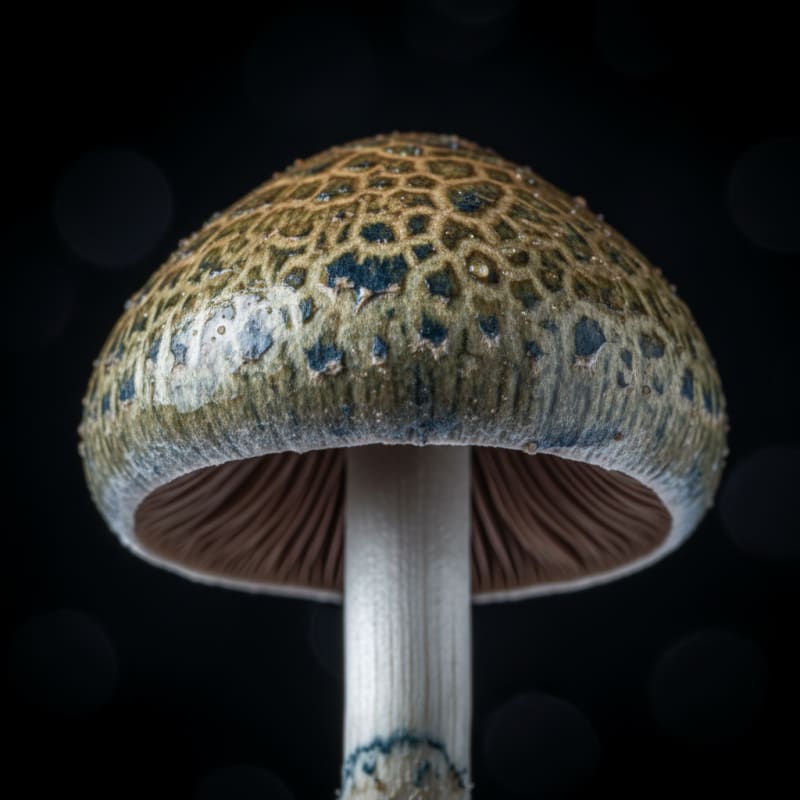
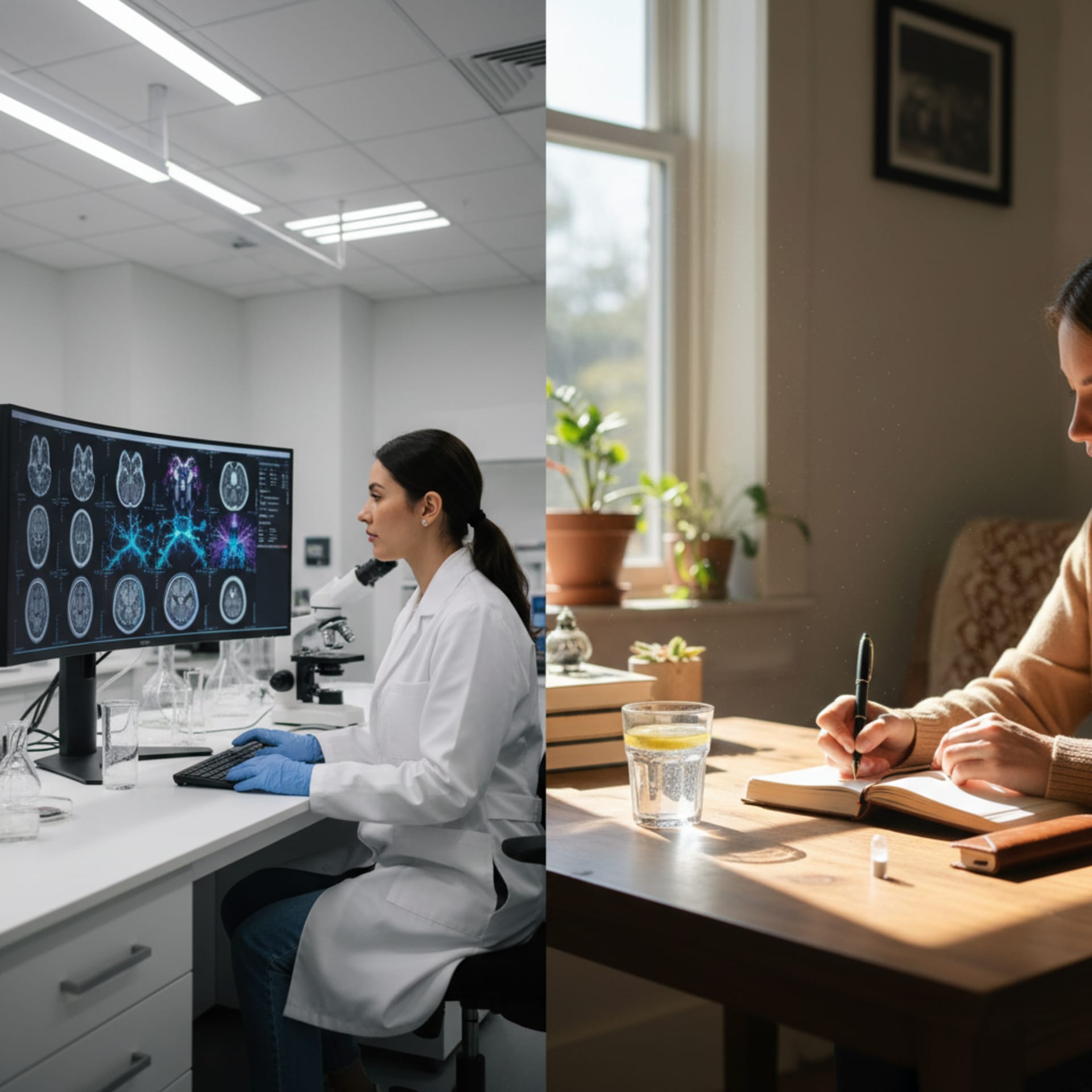
An interesting gap is widening in the world of psilocybin. On one side, there are the highly publicized clinical trials from institutions like Johns Hopkins, which study the effects of large, infrequent, therapist-guided doses on individuals with serious health conditions. On the other side is the reality of how psilocybin is being used by millions of people, a picture painted by large-scale surveys. Recent data reveals that for every person in a clinical trial, there are thousands using psilocybin on their own terms, often in ways that research protocols overlook.
This disconnect isn’t an accident. It’s a product of how scientific research is funded, designed, and regulated. While clinical trials provide incredibly detailed information about specific applications of psilocybin, they don’t capture the full scope of its use. Understanding both worlds is key to grasping the complete picture of psilocybin's role in modern society.
What Kind of Data Do Clinical Trials Produce?
Clinical trials are the gold standard for medical research for a reason. They are designed to be rigorous, controlled, and produce data that can stand up to scrutiny from regulatory bodies like the FDA and Health Canada. When you read about psilocybin research in the news, it's almost always in the context of these trials.
Key characteristics of clinical trial data include:
- Specificity: Research focuses on a narrow, well-defined population, typically those with a specific diagnosis like Major Depressive Disorder (MDD) or end-of-life anxiety related to cancer. The goal is to determine if psilocybin is a safe and effective treatment for that illness. More on that can be found in our post on a study on psilocybin and Major Depressive Disorder.
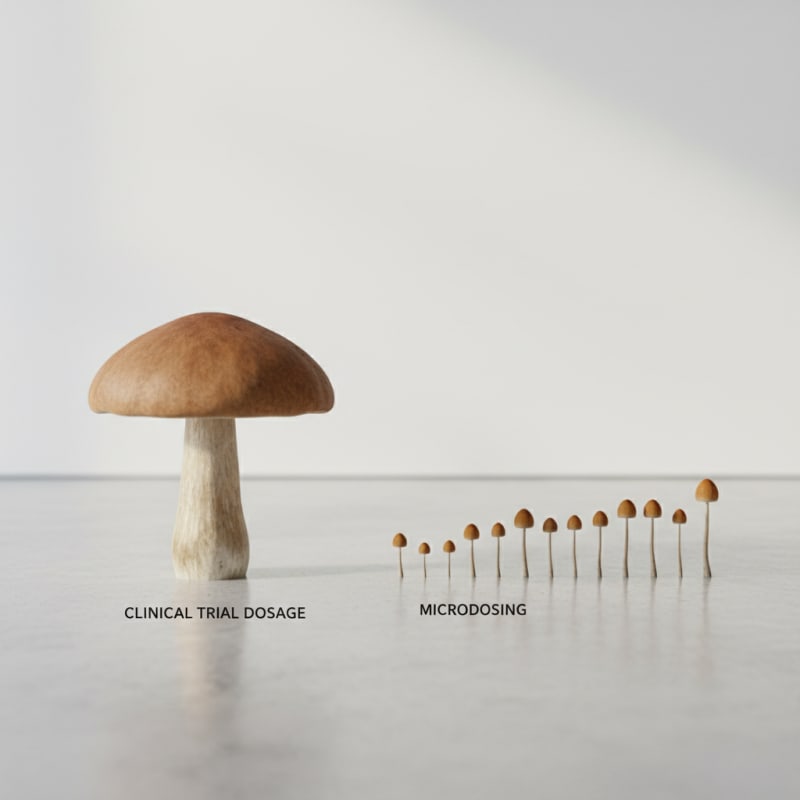
- High-Dose Sessions: Participants are usually given one or two substantial doses of psilocybin in a therapeutic setting. These are not small amounts; they are intended to produce a profound psychedelic experience.
- Controlled Setting: The experience is heavily managed. It takes place in a comfortable room, guided by multiple trained therapists, and is often paired with extensive cognitive-behavioral therapy before and after the session.
- Deep but Narrow Data: The data collected is incredibly detailed. It includes everything from brain imaging (fMRI) and blood tests to validated psychological questionnaires administered over many months. This produces a deep understanding of psilocybin's effects, but only for a specific use case and a small number of people.
This approach is essential for proving medical benefit, but its strict protocols mean it can't tell us much about more casual, wellness-oriented use.
What Does Real-World Usage Data Show?
While clinical trials are studying hundreds of patients, recent survey data has begun to reveal what millions of people are actually doing. A 2026 RAND study, for instance, provided a first-of-its-kind look into the prevalence of psychedelic use, and the findings were illuminating. It’s a completely different dataset that answers different questions.
This real-world data shows:
- Massive Scale: Psilocybin is the most commonly used classic psychedelic, with an estimated 11 million U.S. adults using it in the past year. This number dwarfs the number of participants in all psilocybin clinical trials combined.
- Microdosing is Prevalent: The most striking finding is the popularity of microdosing. The RAND study found that among people who used psilocybin in the past year, about two-thirds had microdosed. Nearly half of all days of psilocybin use involved microdosing—taking a sub-perceptual dose for focus, creativity, or mood enhancement rather than a full psychedelic experience.
- Wellness, Not Illness: People in the real world are often not using psilocybin to treat a diagnosed psychiatric condition. They are using it to enhance well-being, improve work performance, or explore their consciousness. Our guide on how to microdose psilocybin covers the common protocols people follow for this purpose.
This data is broad but less detailed. It tells us what people are doing and how often, but it relies on self-reported information and lacks the controlled, objective measurements of a clinical trial.
Why Does This Disconnect Exist?
The gap between clinical research and real-world use isn't due to a lack of curiosity from scientists. It stems from practical, structural, and financial realities.
First, clinical trials are incredibly expensive, often running into the millions of dollars. Funding is easier to secure when targeting a recognized disease with a clear, measurable outcome that regulators can evaluate. It is much harder to get funding for a study on how psilocybin might make healthy people more creative.
Second, studying microdosing is methodologically complex. A high-dose session produces dramatic, undeniable effects that are easy to measure. The effects of microdosing are subtle by definition. Designing a study that can reliably distinguish these subtle effects from a placebo is challenging and resource-intensive. For users practicing on their own, finding a product that offers precise, low-dose increments is key. Many turn to manufactured products available in the grey market, such as precisely dosed gummies or capsules.
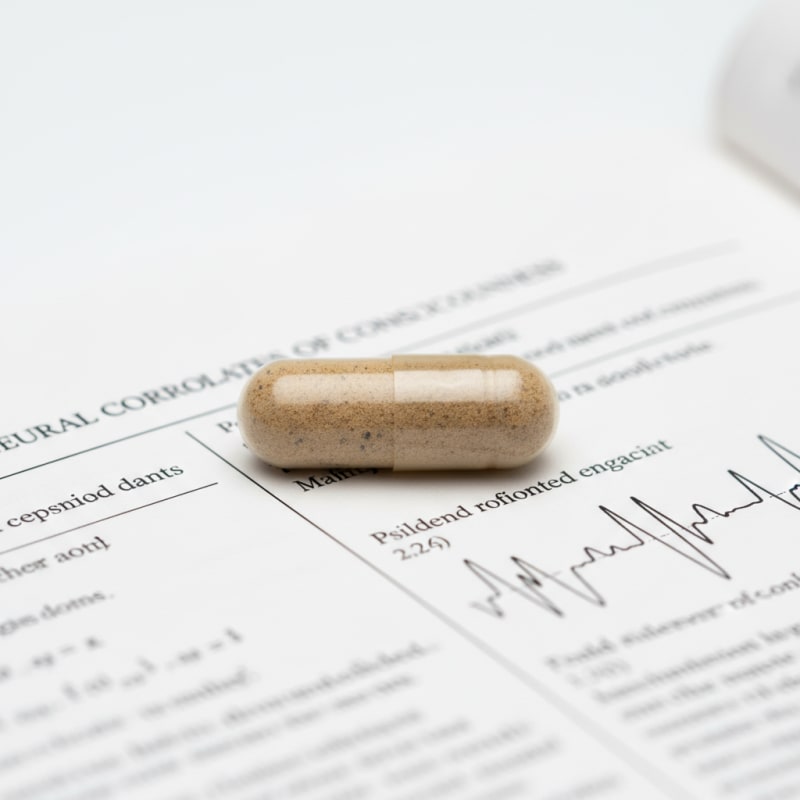
Product Spotlight: For those looking to follow a microdosing protocol, consistency is paramount. Our Precision Microdose Capsules are made with this in mind. Each capsule contains exactly 100mg of ground *Psilocybe cubensis, taking the guesswork out of dosing and ensuring a reliable, sub-perceptual experience every time.
Finally, public and institutional perception plays a role. Headlines that frame trends like microdosing as "alarming" can create a risk-averse environment. As a result, research institutions tend to stick to the most defensible, medicalized path: high-dose therapy for severe illness. This is seen as the most direct route to legitimization and legal reform.
The result is two parallel tracks of knowledge. The clinical track provides a detailed map of a very small, specific island of therapeutic use. The real-world data provides a satellite image of the entire ocean of psychedelic practice, showing its vast scale but with less detail. Both datasets are valuable, but they are measuring different things on different scales, and it is important not to mistake one for the other.

ShroomDash Editorial Team
Published 2026-03-02 · 4 min read read · Lab Science