Psilocybin's Two Stories: Clinical vs. Real-World Use
Quick Summary
The popular story about psilocybin revolves around intense, high-dose therapeutic sessions. However, recent data shows that nearly half of all psilocybin use is actually microdosing. This gap exists because clinical trials favour high doses for their measurable effects, while media prefers dramatic stories, leaving the quiet reality of routine wellness use underreported.
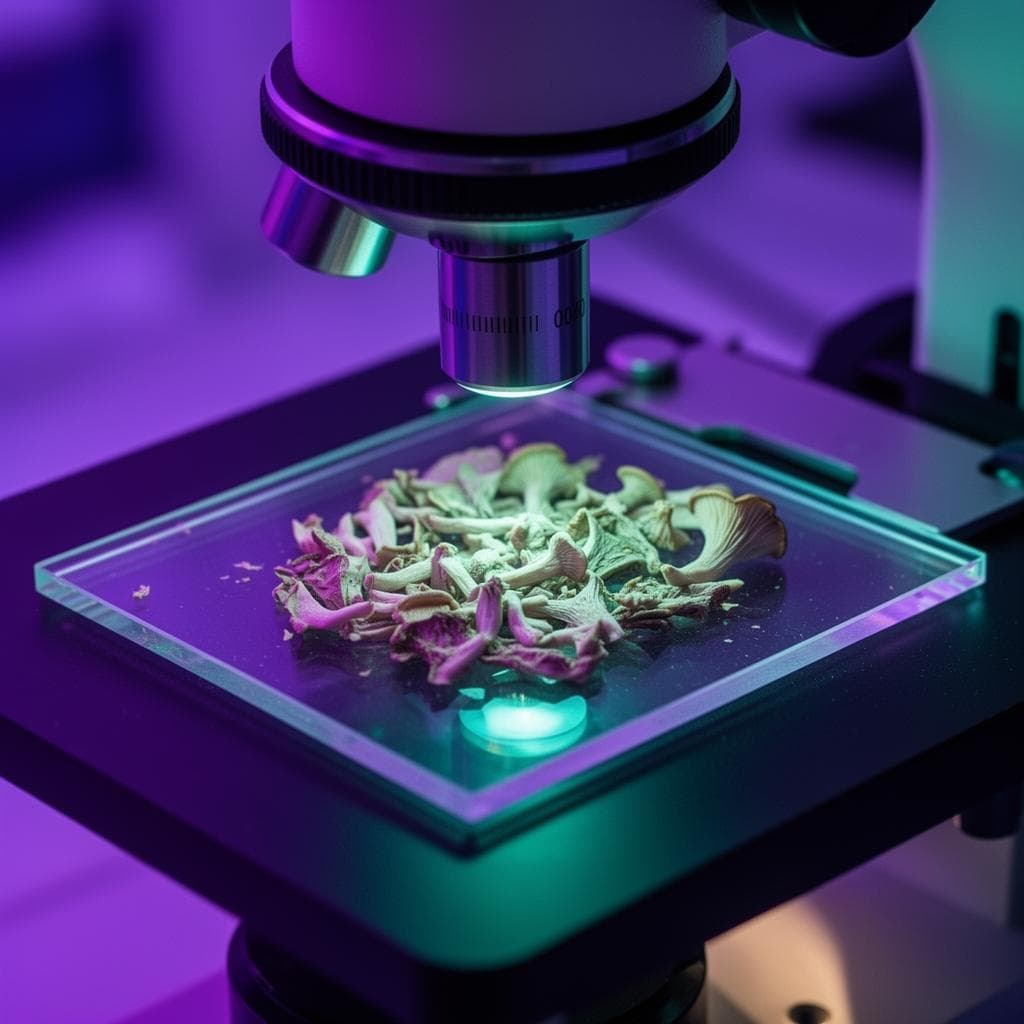
Psilocybin is increasingly discussed in two very different contexts. In one, it is the subject of high-stakes clinical trials, administered in large, single doses under strict medical supervision to treat profound psychological conditions. In the other, it is a component of a quiet, daily wellness routine, used in small, sub-perceptual amounts to enhance focus, creativity, or mood. While clinical research and media coverage tend to focus heavily on the first narrative, real-world data reveals that the second story is just as, if not more, significant.
The public perception of psilocybin is largely shaped by the dramatic potential of high-dose, therapeutically-guided sessions. Research from institutions like Johns Hopkins has demonstrated remarkable outcomes for conditions such as treatment-resistant depression, end-of-life anxiety, and addiction. These studies are methodologically rigorous and designed to produce clear, measurable results. Media outlets, in turn, are naturally drawn to these powerful human stories of transformation. This creates a feedback loop where the most visible narrative about psilocybin is one of intense, life-altering experiences. This clinical path is essential for medical validation and regulatory approval, but it represents only a fraction of how psilocybin is actually being used.
Why Does Research Prioritize High-Dose Studies?
The design of clinical trials favours interventions with strong, easily observable effects. When studying a substance for a condition like severe PTSD, researchers need to see a significant change from baseline to determine efficacy. A high dose of psilocybin, by inducing a powerful psychedelic experience, provides a potent and acute intervention. Its effects, whether positive or negative, are pronounced and can be measured against a control group over subsequent weeks and months. This approach fits neatly into the established framework for pharmaceutical research and development.
Microdosing, in contrast, presents significant challenges for the classic randomized controlled trial (RCT) model. Its effects are subtle, cumulative, and deeply subjective.
- Subtlety: A user might report a slight improvement in mood or focus, which is difficult to quantify and distinguish from the placebo effect.
- Cumulative Effects: The benefits of microdosing are often reported to build over weeks or months of consistent use, a timeline that is costly and complex for clinical trials.
- Subjectivity: The goals of microdosing—such as enhanced creativity or emotional openness—are not easily measured with existing clinical instruments designed to track psychiatric symptoms.
Because of these factors, the body of "gold standard" research on microdosing is small and often inconclusive. This doesn't invalidate the experiences of users, but it means the clinical narrative, by necessity, focuses on the more easily studied high-dose applications. A deeper understanding of how dosage impacts effect is critical, and you can explore this further in our post on understanding psilocin's role in mushroom potency.
How Does Real-World Use Differ From the Headlines?
While the headlines focus on psychedelic therapy, a quiet majority of users are integrating psilocybin into their lives in a much more routine manner. A landmark 2026 RAND study highlighted this disconnect, finding that among adults who used psilocybin in the past year, roughly two-thirds had microdosed at least once. More strikingly, microdosing accounted for nearly half of all psilocybin use days reported. This suggests that for every person undergoing an intense, high-dose session, there may be many more incorporating psilocybin into their lives much like a daily vitamin or supplement.
This type of use is not about inducing an altered state of consciousness. It's about subtle optimization and management. The primary format for this is capsules, which offer precise, low-dose, and convenient administration. For those looking for a consistent and reliable option, products like our Clarity Microdose Capsules are designed for this exact purpose, blending a sub-perceptual dose of *Psilocybe cubensis with complementary botanicals. The prevalence of this routine-based use points to a wellness model rather than a medical one, a distinction often lost in public discourse. Those interested in this format can browse a variety of options in our capsules category.
What Does This Narrative Gap Mean for Users?
The divergence between the clinical story and the reality of widespread use creates a narrative gap. On one hand, the intense focus on high-dose therapy can create unrealistic expectations. It can also lead to an overemphasis on potential risks, framing all use through the lens of acute psychedelic effects, as seen in some media that raises alarm about the trend. On the other hand, the lack of rigorous research on microdosing means that users are largely navigating this space based on anecdotal reports and community knowledge.
For many, the goal is not a dramatic psychological breakthrough but sustained functional improvement. Our Action Microdose Capsules, for example, are formulated with Cordyceps and other ingredients to support energy and focus during the workday, a use case that falls squarely outside the clinical research paradigm. As the landscape evolves, it becomes crucial to understand what a "dose" of psilocybin actually is, as the term's meaning shifts dramatically between a therapeutic context and a daily wellness routine.
The two primary psilocybin narratives—the high-dose clinical intervention and the low-dose daily supplement—are not in conflict, but rather represent two distinct applications of the same compound. The clinical research is paving the way for medical legitimacy, while the widespread, real-world use demonstrates a broad and growing demand for psilocybin as a tool for personal well-being and optimization. As data continues to surface, it is becoming clear that the story of psilocybin is not a single narrative, but a dual one, with both paths shaping its future.

ShroomDash Editorial Team
Published 2026-04-28 · 4 min read read · Lab Science