What Defines a "Sub-Perceptual" Microdose?
Quick Summary
Recent studies show millions of adults are microdosing psilocybin, often for wellness benefits without psychoactive effects. However, the line between a sub-perceptual microdose and a low recreational dose is thin and depends on individual factors like metabolism and tolerance. Understanding this distinction is key to achieving the intended outcome.
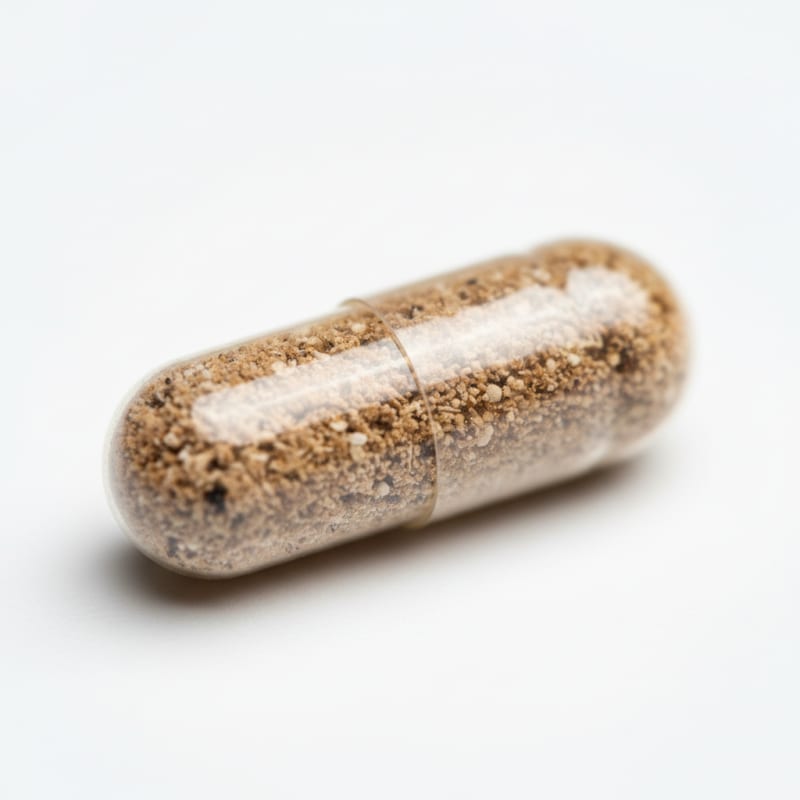
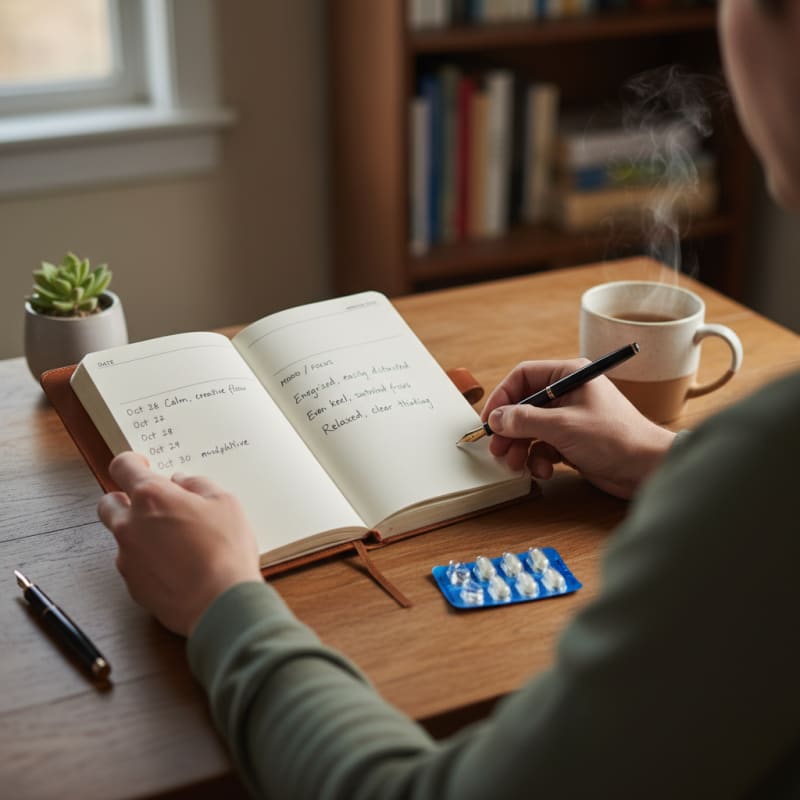
Recent data from the RAND Corporation indicates that millions of adults are now microdosing psilocybin, with the practice being common among those who use psychedelics. The stated intention of microdosing is nearly always to achieve a "sub-perceptual" effect—that is, to harness the potential wellness benefits without producing a noticeable high or altered state of consciousness. Users often seek enhanced creativity, improved mood, or relief from mental health symptoms.
But the line between a sub-perceptual dose and a low-level psychoactive experience is exceptionally thin. A dose that is sub-perceptual for one person may be overtly psychoactive for another. This variability raises an important question for anyone practicing microdosing: what exactly defines the experience, and what happens when you unintentionally cross the threshold?
What Is the Technical Definition of a Microdose?
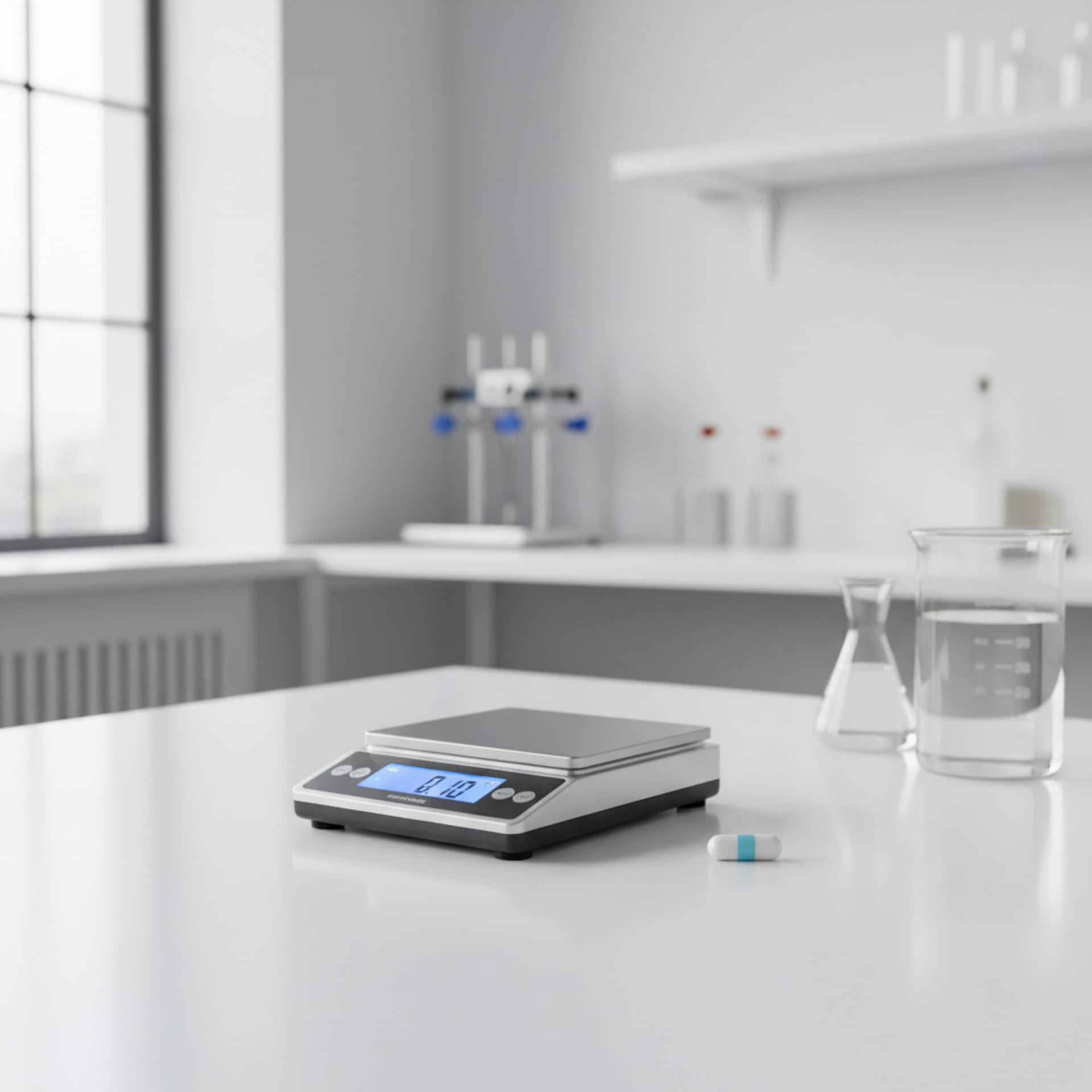
A microdose is generally defined as approximately 5% to 10% of a standard recreational dose. For *Psilocybe cubensis, the most common species, this typically translates to a dose between 50 and 250 milligrams (0.05 to 0.25 grams) of dried mushroom material. The goal is to engage with the psilocybin at a low enough level to influence neurological pathways related to mood and cognition without triggering the classic psychedelic effects like visual distortions or profound shifts in consciousness.
At this level, the effects should be subtle and cumulative, noticed over days or weeks of following a protocol. Users might report feeling slightly more present, focused, or emotionally balanced. The key is that they can go about their daily activities—work, school, and social engagements—without any impairment or obvious change in their behaviour or perception. This is the "sub-perceptual" ideal.
When Does a Microdose Become a "Minidose"?
The territory between a true microdose and a full trip is often called a "minidose," "creative dose," or "threshold dose." This is typically where a dose falls in the 300-700 milligram range. At this level, the experience is no longer sub-perceptual. While it may not induce full-blown hallucinations, it produces noticeable effects:
Sensory Enhancement: Colours may seem more vibrant, sounds may feel fuller, and textures more pronounced. Emotional Amplification: Positive and negative emotions can feel more intense. A sense of mild euphoria or giddiness is common. Cognitive Shifts: Thought patterns may become more fluid and associative, leading to what some describe as enhanced creativity. Physical Sensations: A light body load, such as a feeling of energy, tingling, or yawning, may be present.
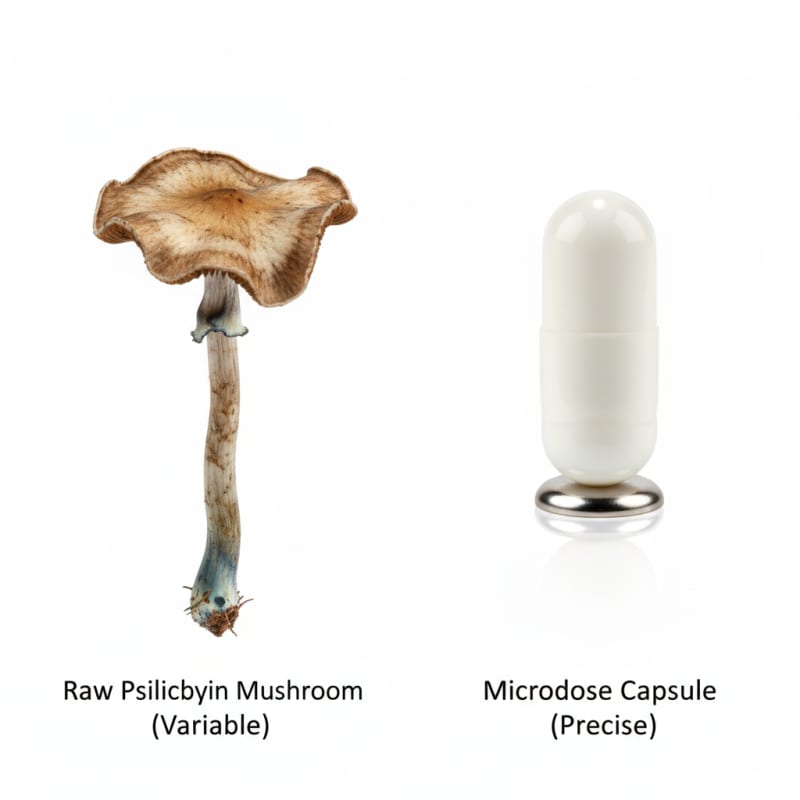
Accidentally taking a minidose is a common experience, especially for those new to microdosing or using imprecise methods. This can happen due to the natural potency variations in raw mushrooms or miscalculation of dosage. For those seeking consistency, precisely measured products are essential. Products like the Core 100mg Microdose Capsules are specifically designed to deliver a reliable dose, helping users stay within the sub-perceptual range and avoid unintended psychoactive experiences. Understanding the need for accuracy is a central theme we explore in our article on why dosing consistency matters more than strain names.
How Do Individual Factors Affect Dose Perception?
Even with a precisely measured dose, the perceived effect can vary significantly from person to person and from day to day. Several individual factors determine whether a dose remains sub-perceptual or crosses the line.
Metabolism and Body Chemistry: Each person's body metabolizes psilocybin at a different rate. Genetic variations in liver enzymes, particularly the CYP2D6 enzyme, play a crucial role in how quickly psilocybin is converted to its active form, psilocin. Two people can take the exact same 100mg dose and have markedly different experiences based on their unique physiology. Tolerance: The body quickly builds a tolerance to psilocybin. If you took a dose yesterday, the same dose today will have a diminished effect. This is why established protocols, which we detail in our a Microdosing Schedule Guide, incorporate regular break days to reset tolerance and maintain the sensitivity needed for a microdose to be effective. Set and Setting: While "set and setting" are paramount for high-dose experiences, they still influence the perception of a microdose. If you take your dose on a stressful day or in a chaotic environment, you may be more likely to notice and amplify subtle feelings of anxiety or cognitive shifts. Conversely, a calm and focused state of mind can help integrate the effects smoothly. Stomach Contents: Taking a capsule or edible on an empty stomach leads to faster absorption, which can cause a more pronounced and rapid onset. This can sometimes be enough to push a well-measured dose over the perceptual threshold. For those who prefer edibles, products like Focus Mushroom Gummies offer another precisely measured format, available in our /shop?category=gummies. Users should simply be aware that absorption patterns may differ from capsules.
The boundary between a sub-perceptual microdose and a low-level psychoactive experience is not a fixed line but a subjective and shifting threshold. It is defined by a combination of the dose itself, product consistency, individual biology, and the context in which it is taken. Acknowledging this inherent variability is a fundamental aspect of using psilocybin with intention and care.

ShroomDash Editorial Team
Published 2026-03-04 · 4 min read read · Dosing