
Psilocybin Users: The Silent Majority
Quick Summary
Recent data shows that most psilocybin use is not for intense, infrequent "trips," but for regular, sub-perceptual microdosing. Millions of adults are using psilocybin as a consistent tool to enhance focus, regulate emotions, and improve daily well-being, a reality that is often overlooked in media and clinical research.


The public conversation around psilocybin is often dominated by two extremes: high-dose clinical trials for treating severe depression, or sensationalized media stories about intense, life-altering "trips." While both of these are valid aspects of the psychedelic landscape, they create a skewed perception of how the majority of people actually engage with psilocybin. Recent data reveals a much quieter, more routine reality. For a large and growing number of adults, psilocybin is not a rare, earth-shattering event, but a regular part of a wellness routine.
A groundbreaking 2026 study from the RAND Corporation surveyed psychedelic use in the United States, and the findings are significant. Researchers estimated that 11 million adults used psilocybin in the past year. More importantly, the study drilled down into *how they were using it. The results paint a clear picture: for those who use psilocybin, taking small, sub-perceptual doses is a very common practice. This silent majority is reshaping the narrative from the ground up, moving psilocybin from the fringes into the mainstream of daily wellness.
Who Is the Modern Psilocybin User?
The stereotype of a psychedelic user is often a holdover from the 1960s counter-culture. The data suggests this image is outdated. The modern user is not necessarily a "psychonaut" seeking to explore the outer reaches of consciousness. Instead, they are often professionals, parents, students, and retirees looking for subtle, sustainable improvements in their daily lives. They are using psilocybin for a wide range of reasons that don’t always involve a full psychedelic experience.
These uses include:
Enhanced Focus and Creativity: Many report that microdosing helps them enter a flow state, making it easier to concentrate on work, art, or other complex tasks. Emotional Regulation: Users often point to a greater sense of calm, reduced anxiety, and an improved ability to navigate daily stressors. Social Connectivity: Small doses can help some people feel more open, empathetic, and engaged in social situations without the intensity of a high-dose experience. Replacing Other Substances: A growing number of individuals are using psilocybin as a deliberate replacement for alcohol, caffeine, or prescription medications.
The sheer scale reported by RAND—with nearly half of all psilocybin use days being microdosing days—shows that this is not a niche activity. It is a widespread phenomenon of self-directed wellness. People are exploring the spectrum of available psilocybin products to find what works for their individual needs and lifestyles.
How Are Most People Actually Using Psilocybin?
While clinical trials for smoking cessation or depression often use one or two high doses in a therapeutic setting, this is not representative of typical consumption. The RAND data showed that among past-year psilocybin consumers, approximately two-thirds reported microdosing. This pattern of use prioritizes consistency and subtlety over intensity.
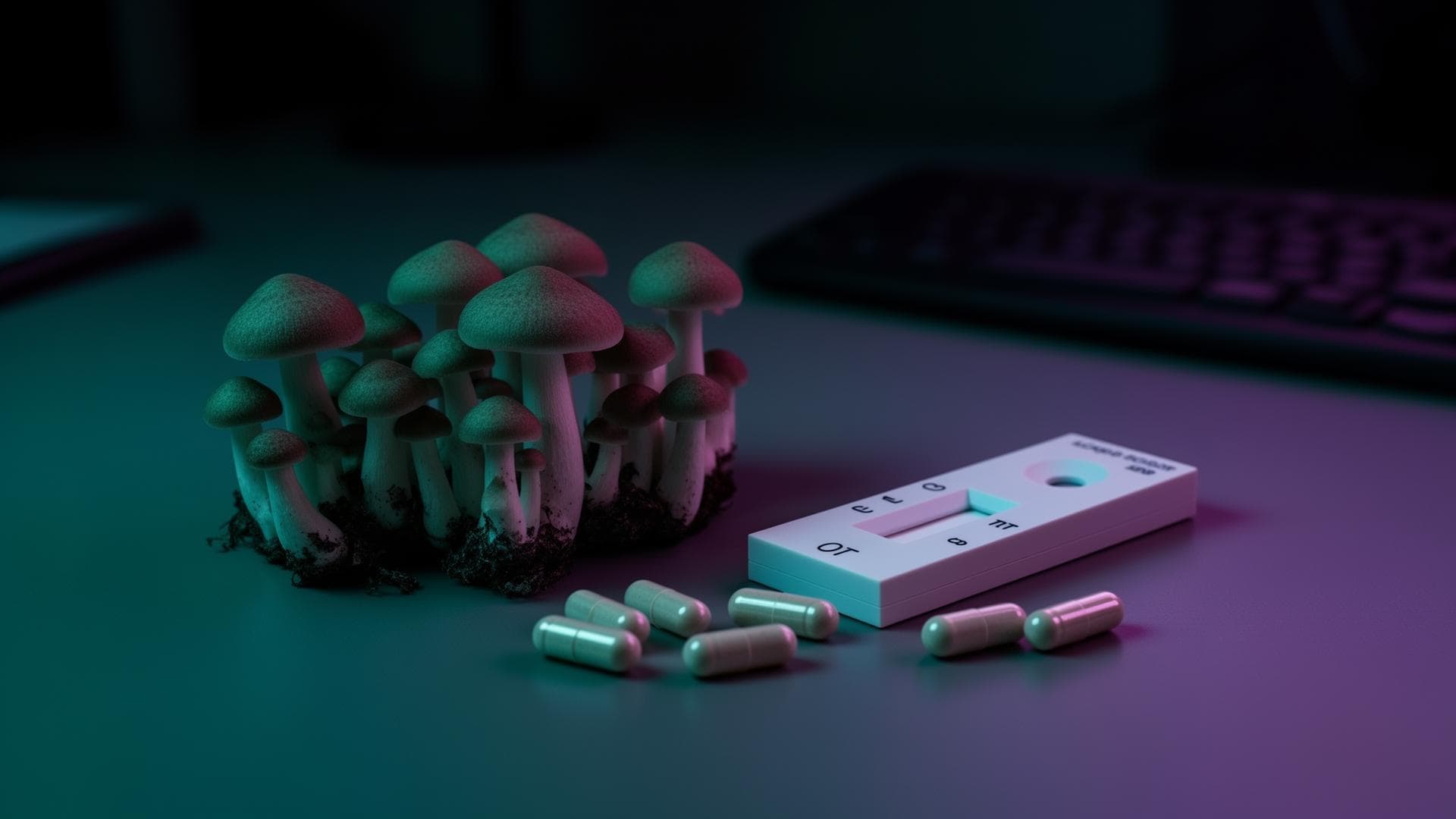
A microdosing routine often involves taking a sub-perceptual dose (typically 50mg to 150mg of dried mushroom) on a recurring schedule, such as a few times per week. The goal is not to feel the acute effects of the substance, but to experience its cumulative benefits over time. Products like Mojo Microdose Capsules are specifically designed for this purpose, offering a precisely measured dose in a convenient format. Integrating a microdose capsule into a morning routine is, for many, no different than taking a daily vitamin or supplement. It’s a quiet, personal practice.
This stands in stark contrast to the high-dose experience, which requires significant preparation, a safe and supportive environment (set and setting), and a day or more for integration. While these profound experiences have immense value, their infrequency means they account for a smaller portion of total use days. The data suggests that for every person undertaking a high-dose journey, there are many more quietly using microdose capsules to navigate their week.
Why the Disconnect Between Perception and Reality?
The gap between how psilocybin is portrayed and how it is most commonly used can be attributed to several factors. High-dose clinical research is what generates headlines and attracts funding. It is far easier to measure the dramatic effects of a single large dose on a condition like Major Depressive Disorder than it is to quantify the subtle, long-term benefits of microdosing. This is a known issue in the scientific community, and as we have explored before, there is often a disconnect between psilocybin research and real-world-use.
Media outlets are naturally drawn to the more dramatic stories. A personal account of overcoming deep-seated trauma with a single psychedelic journey is a more compelling narrative than the story of a professional who feels slightly more focused and less anxious thanks to a consistent microdosing schedule. This selection bias creates a feedback loop where the public, policymakers, and even some medical professionals only see the most extreme and intense applications of psilocybin.
Products like Solasta Mushroom Chocolate exist to bridge this gap, offering a format that is approachable and easily divisible for either microdosing or more intentional, larger doses. The reality is that the psilocybin space is not a monolith. It accommodates a wide spectrum of intentions, from profound healing to subtle daily enhancement.
The emerging data does not invalidate the importance of high-dose therapy or psychedelic exploration. Instead, it completes the picture, revealing a silent majority of users who have integrated psilocybin into their lives in a way that is practical, sustainable, and focused on everyday well-being. This widespread, routine use has significant implications for public health, policy, and how we understand the role of psychedelics in modern society. It suggests that for millions of people, psilocybin is simply a tool for living a better life.

ShroomDash Editorial Team
Published 2026-04-23 · 4 min read read · Dosing