Psilocybin vs. Alcohol: A Look at Use Patterns
Quick Summary
Psilocybin and alcohol have fundamentally different use patterns. Alcohol is often consumed frequently and socially for recreation, with responsibility measured by quantitative limits. Psilocybin use is typically more intentional and less frequent, centered on either occasional high doses for profound experiences or regular microdoses for wellness, with responsibility focused on "set and setting" and dose precision.
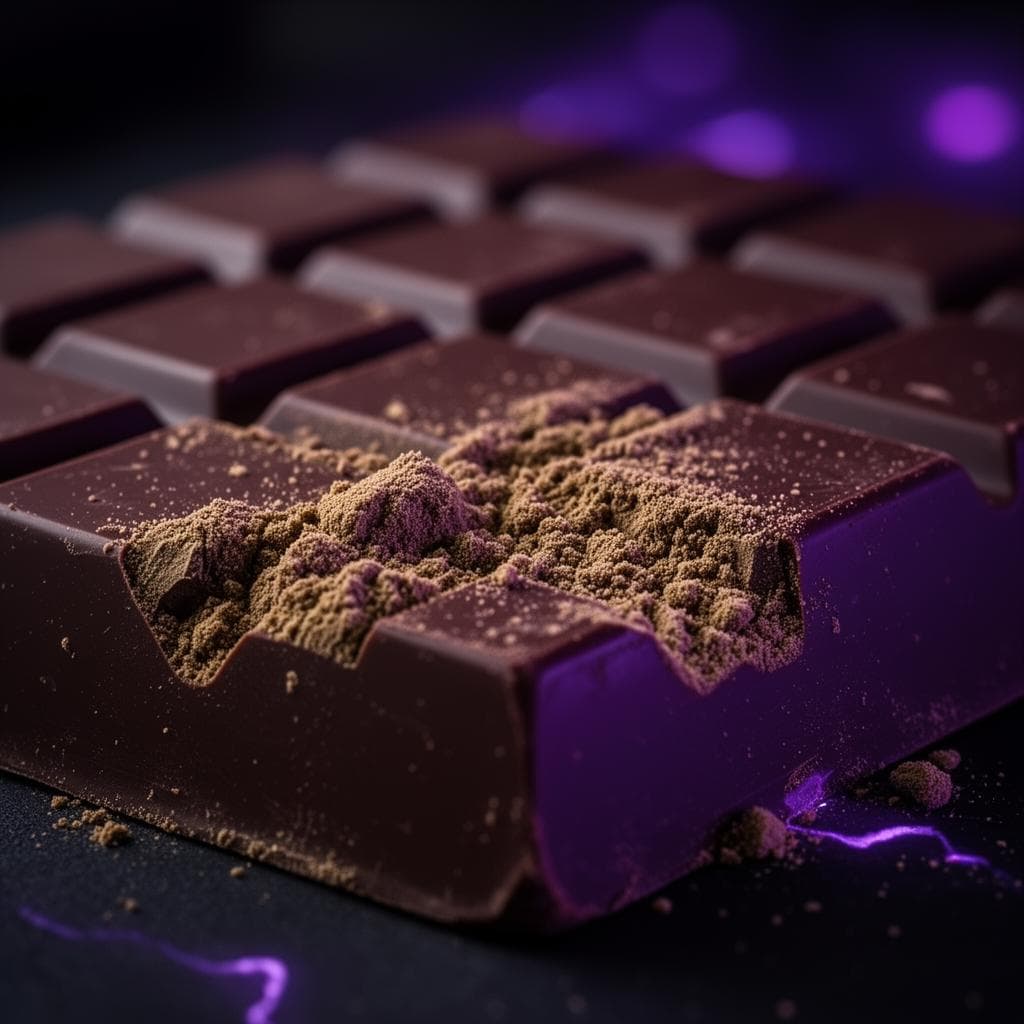
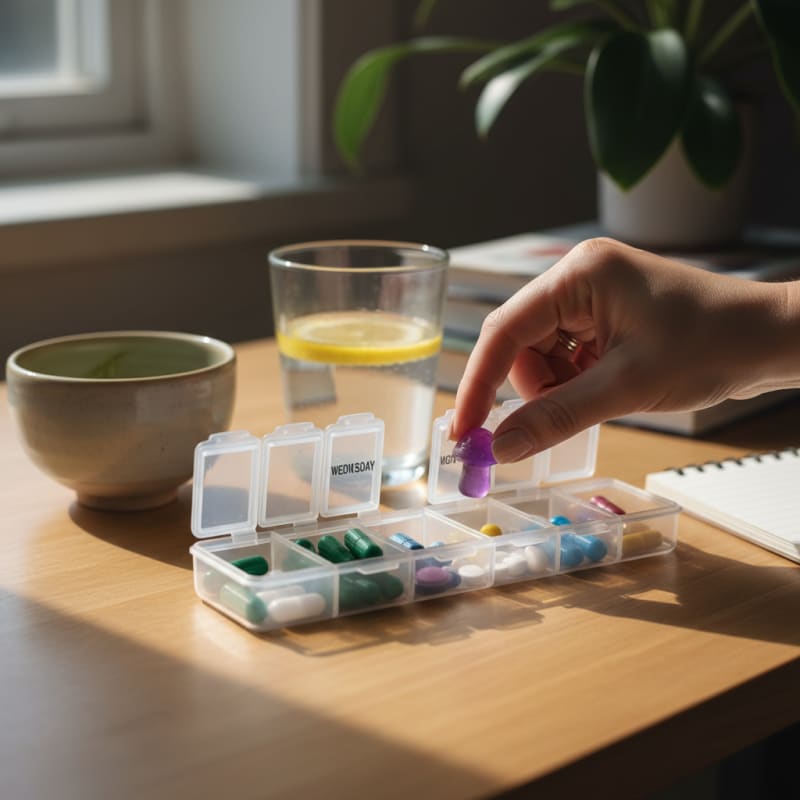
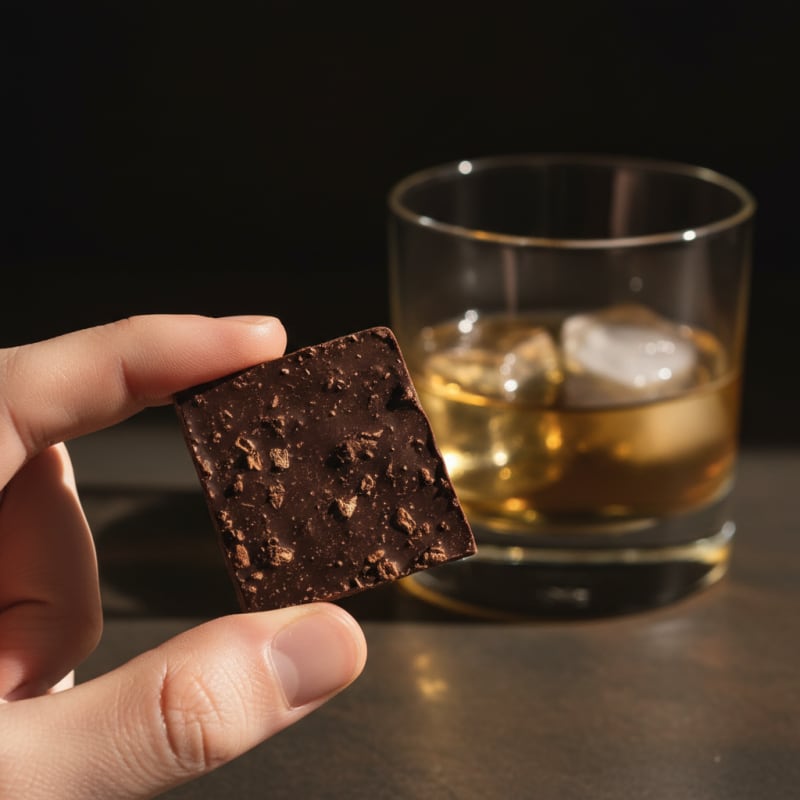

Alcohol is a fixture in global culture, seamlessly integrated into social rituals, celebrations, and daily routines. Its use is frequent, widely understood, and regulated around concepts like "standard drinks" and daily limits. Psilocybin, by contrast, is often perceived as a substance for rare, momentous occasions—a perception shaped by media focus on high-dose "trips" and clinical studies. This framing obscures a more common and nuanced reality: the majority of psilocybin use involves sub-perceptual microdoses, consumed more like a supplement than a social intoxicant.
Comparing psilocybin and alcohol reveals two fundamentally different models of substance use. One is built around frequent, high-volume consumption for social and recreational purposes, while the other is centered on infrequent or low-dose, intentional use for specific wellness goals. Understanding these distinctions is key to appreciating their vastly different roles and risk profiles.
How Do Consumption Patterns Differ?
The most significant difference between alcohol and psilocybin use lies in frequency and quantity. For alcohol, "moderate" use is often defined by national health organizations as up to one or two drinks per day. Socially, it's common for individuals to consume multiple drinks in a single session, several times per week.
Psilocybin consumption patterns are starkly different:
- High-Dose Use: A therapeutic or recreational "macrodose" (e.g., 2-5 grams of dried mushrooms) is a powerful experience that necessitates significant preparation and recovery time. Due to rapidly developing tolerance, it is impractical and ineffective to have such experiences on consecutive days. Most users limit high doses to a few times per year.
- Microdosing: This is the most common use case. It involves taking a sub-perceptual amount (typically 50-150mg) according to a specific schedule, or "protocol." Popular protocols, like the Fadiman Protocol, involve taking a microdose every three days. This pattern is not about intoxication but about cumulative benefits for mood, creativity, or focus. It more closely resembles a supplement routine than recreational drinking.
Intentionality is another key differentiator. While alcohol is often consumed habitually or for social lubrication, psilocybin use is typically goal-oriented. Whether seeking a profound mystical experience with a macrodose or enhanced focus from a microdose, the user generally has a specific outcome in mind. Products like precisely dosed Clarity Microdose Capsules are designed for this kind of structured, intentional regimen, a concept that rarely applies to alcoholic beverages.
What Does 'Responsible Use' Mean for Each?
The concept of "responsible use" for alcohol is primarily about managing intoxication and mitigating physical harm. Health authorities establish clear upper limits for daily and weekly consumption to reduce the risk of chronic disease, dependency, and acute harm. Responsible drinking means staying within these quantitative limits.
For psilocybin, responsibility is less about quantity and more about quality—specifically, the quality of one's preparation and mindset. The principles of set and setting are paramount:
- Set: Refers to your mindset, mood, and intentions. Responsible use involves entering the experience in a positive and stable state of mind, with a clear purpose.
- Setting: Refers to the physical and social environment. A safe, comfortable, and supportive setting is crucial, especially for higher doses, to minimize the risk of anxiety or a challenging experience.
Furthermore, responsibility in the psilocybin space involves dose accuracy. Unlike pouring a glass of wine, which can be highly variable, psilocybin products are most effective when dosed with precision. Using a product like our Mindful Blend Gummies, which contains a known, low quantity of psilocybin, allows for predictable, repeatable experiences. This focus on meticulous dose control, preparation, and integration stands in sharp contrast to the social norms governing alcohol.
How Does the Intoxication Profile Compare?
While both substances are psychoactive, their effects on the body and mind are vastly different. Alcohol is a central nervous system depressant. Its primary effects include disinhibition, impaired motor control, sedation, and memory impairment. It is physically toxic at high doses and carries a significant risk of physiological dependence.
Psilocybin is a classic psychedelic that acts primarily on the brain's serotonin 2A receptors. It is not a depressant but an agent of profound perceptual and cognitive change. Its effects are characterized by:
- Altered Perception: Changes in how one sees, hears, and feels the world.
- Emotional Amplification: Heightened emotional responses, both positive and negative.
- Introspection: A tendency toward deep self-reflection.
- Ego Dissolution: At high doses, a temporary loss of the sense of self, which is often a key component of its therapeutic effects.
Critically, psilocybin is not considered physiologically addictive and has very low physical toxicity. The primary risks are psychological, such as inducing anxiety or paranoia, which can be largely mitigated by adhering to the principles of set and setting.
At the microdose level, there is no "intoxication" at all. The goal is a sub-perceptual effect that enhances normal functioning without interfering with it, a concept with no parallel in alcohol consumption.
Ultimately, comparing data on use patterns shows that psilocybin and alcohol occupy different planets in the world of psychoactive substances. One is a tool for frequent social recreation, while the other is a tool for infrequent but profound introspection or for subtle, supplemental wellness. Their chemical actions, risk profiles, and the cultures surrounding them are so distinct that they almost defy comparison.

ShroomDash Editorial Team
Published 2026-04-23 · 4 min read read · Dosing