Psilocybin Protocols: Reset vs. Routine
Quick Summary
There are two main ways people use psilocybin. The first is a "reset," which is a single, large dose meant to create a major shift in thinking, often for therapeutic reasons like quitting smoking. The second is a "routine," which involves taking very small microdoses regularly for ongoing benefits like better mood and focus. These two methods can even be used together.

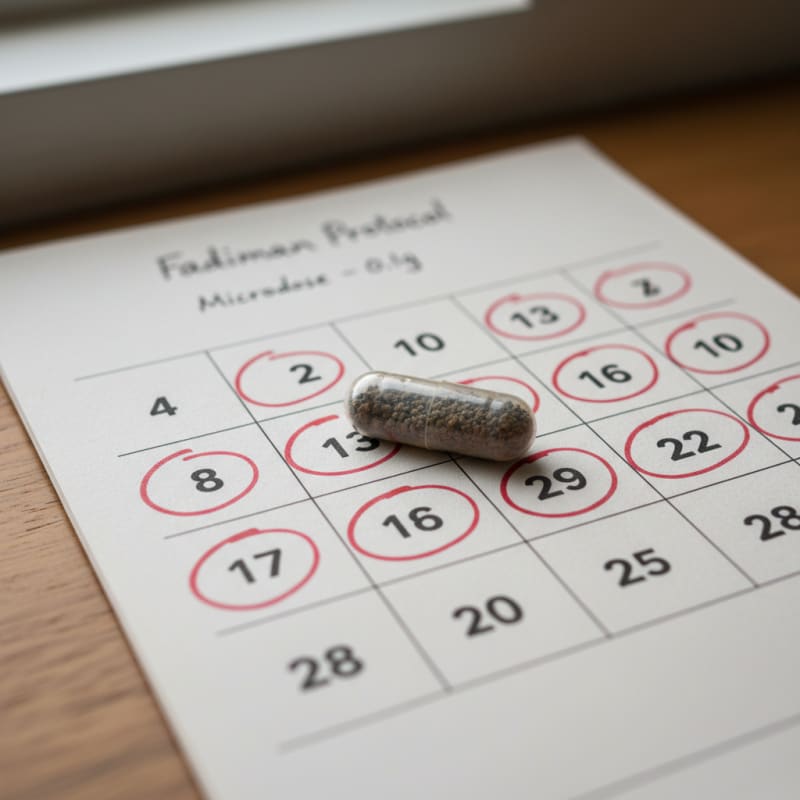

The conversation around psilocybin has split into two distinct narratives. In one, you have the high-dose, clinically supervised therapeutic session—a powerful, often single-day event designed to produce profound, lasting change. This is the world of psilocybin-assisted therapy for addiction and trauma, heavily researched by institutions like Johns Hopkins. In the other narrative, there is the practice of microdosing—taking regular, sub-perceptual doses for ongoing wellness, creativity, and focus. A recent RAND study revealed just how common this is, finding that of the millions of adults who use psilocybin, nearly half of all use days are microdosing days.
These two approaches are not in competition. Instead, they represent two different protocols for two different goals: the therapeutic "Reset" and the wellness "Routine." Understanding the intent behind each is crucial for anyone exploring the potential of psilocybin.
What Is a Therapeutic "Reset" Dose?
A therapeutic "reset" is what many people think of as a classic psychedelic experience. It involves a macrodose, typically ranging from 2 to 5 grams of dried *Psilocybe cubensis mushrooms (or its equivalent in psilocybin extract), taken in a safe, intentional setting. The goal is not recreational; it is to catalyze a significant psychological or behavioral shift.
This type of high-dose session is the focus of nearly all clinical research. Studies examining psilocybin for smoking cessation, for example, use one or two high-dose sessions as the core intervention. The protocol is designed to induce what researchers call a "mystical" or "peak" experience. This state is characterized by:
- A sense of unity or interconnectedness
- The transcendence of time and space
- A feeling of sacredness or awe
- A deeply felt positive mood
It is hypothesized that this experience temporarily disrupts rigid, default-mode network brain activity. By quieting the brain's ego-associated networks, a "reset" dose creates a window of heightened neuroplasticity. In this state, the brain is more open, flexible, and able to form new connections. This allows individuals to break free from entrenched patterns of thought and behavior that underpin conditions like addiction, major depression, and post-traumatic stress disorder. A therapeutic reset is best understood as a targeted, acute intervention intended to produce a lasting paradigm shift.
How Does a "Routine" Microdose Work?
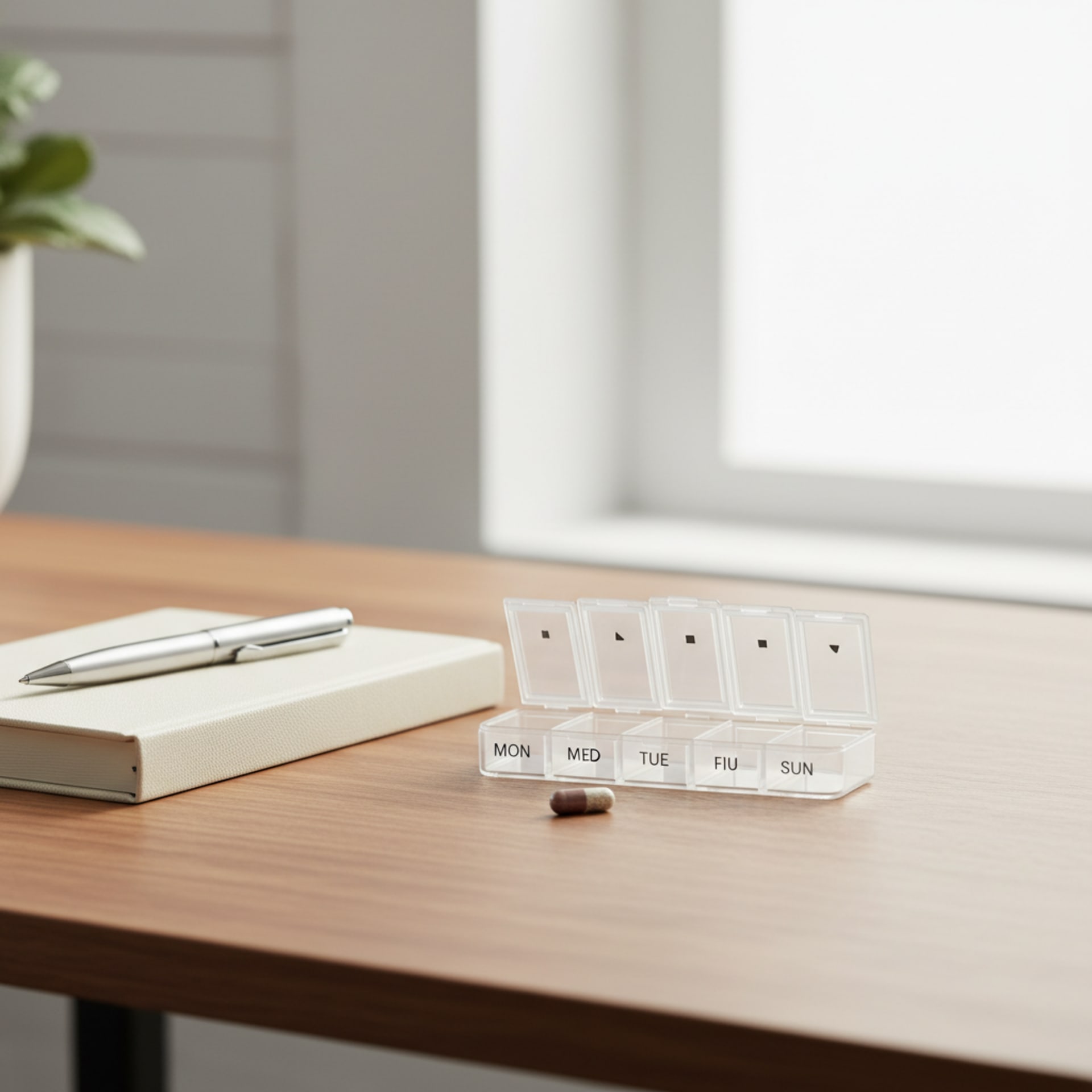
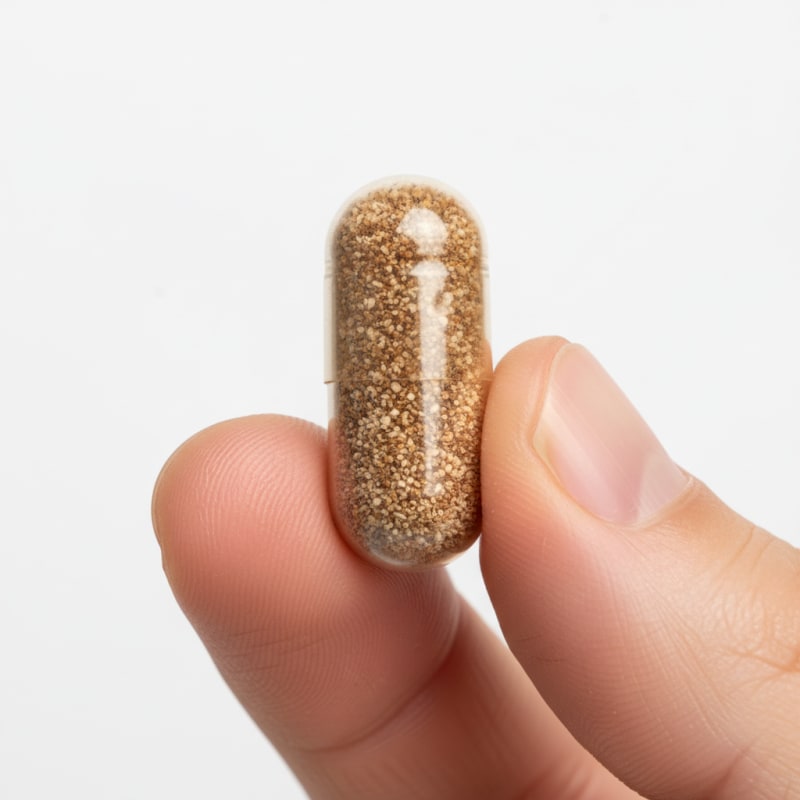
If the "reset" is a major system overhaul, the "routine" is daily system maintenance. Microdosing involves taking a sub-perceptual dose of psilocybin, typically 50mg to 150mg, on a recurring schedule. The goal is not to feel psychedelic effects but to achieve subtle, cumulative benefits over time. It is a wellness practice, much like taking a daily vitamin or supplement.
The massive prevalence of microdosing, as highlighted by the RAND data, shows that millions of people are engaging with psilocybin for its ongoing wellness benefits rather than for an intense psychoactive experience. Users often follow specific schedules, known as protocols (like the Fadiman or Stamets methods), which involve dosing for several days followed by integration days off. This structured approach helps maximize benefits while minimizing tolerance buildup.
Reported benefits of a microdosing routine include:
- Improved mood and emotional regulation
- Enhanced focus and concentration
- Increased creativity and problem-solving abilities
- Greater presence and mindfulness
Many users find that pre-measured products are essential for maintaining a consistent and effective routine. The precision of psilocybin capsules removes the guesswork involved in measuring small amounts of mushroom material, ensuring a reliable, sub-perceptual dose every time. The Core Microdose Capsules are specifically designed for this purpose, providing a precisely measured 100mg dose for a consistent wellness routine.
Are Reset and Routine Protocols Mutually Exclusive?
One of the most practical questions is whether these two protocols can coexist. The answer is yes; in fact, they can be highly complementary. The "reset" and the "routine" are not an either/or choice but can be seen as two phases of a larger process. A therapeutic reset can act as a catalyst, while a microdosing routine can help with the crucial next step: integration.
For instance, an individual might use a planned, high-dose session to gain profound insights into a long-standing personal issue. The experience can reveal new perspectives and create the motivation for change. However, translating those insights into lasting behavioral adjustments is a separate challenge. This is where a follow-up microdosing routine can be invaluable.
By continuing with a sub-perceptual dose in the weeks and months following a reset, an individual can help sustain the state of heightened neuroplasticity and mindfulness. It helps keep the lessons of the experience top-of-mind and supports the formation of new, healthier habits. For anyone navigating psilocybin, knowing how to choose the right products is key to aligning the format with the goal. A flexible product like the Evolve Chocolate Bar, with its easily-portioned squares, can be adapted for either a precise microdosing routine or stacked for a more moderate, intentional reset.
The co-existence of these two distinct protocols in the wellness landscape demonstrates psilocybin's versatility. Its application ranges from a powerful agent for acute therapeutic change to a subtle tool for the ongoing maintenance of mental and emotional well-being.

ShroomDash Editorial Team
Published 2026-04-22 · 4 min read read · Dosing