The Great Microdosing Research Gap
Quick Summary
Millions of people regularly microdose psilocybin for wellness, making it the most common way of using mushrooms. However, major research institutions focus almost exclusively on high-dose, supervised therapy to treat severe illness because it is easier to study and fund. This creates a significant gap between scientific knowledge and real-world practice.
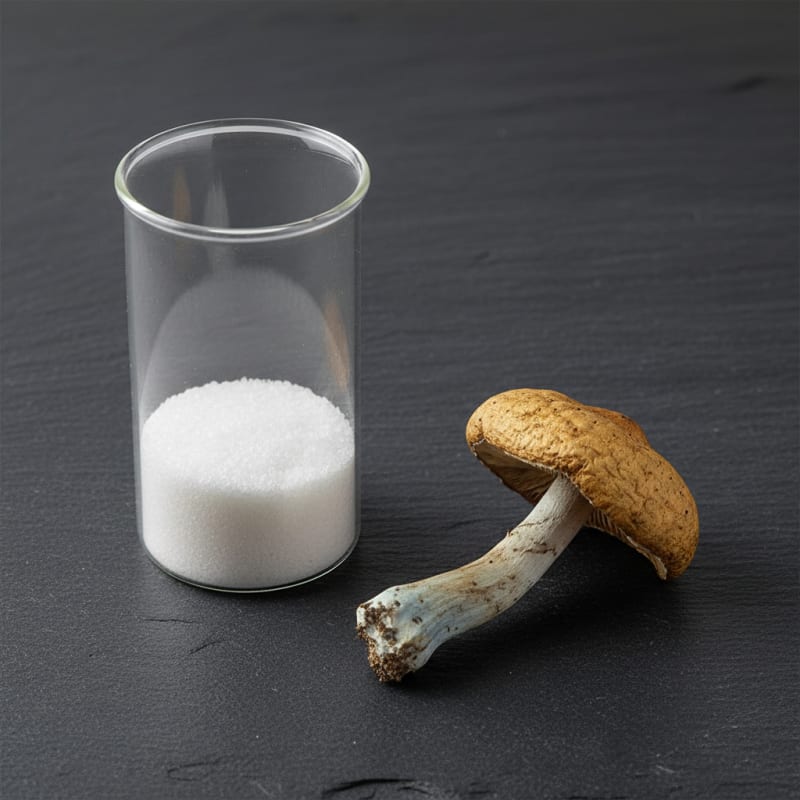

A 2025 study from the RAND Corporation confirmed what many suspected: microdosing is the dominant form of psilocybin use. The report estimates that of the 11 million U.S. adults who used psilocybin in the past year, about two-thirds microdosed at least once. In total, nearly half of all psilocybin "use days" involved a microdose—a small, sub-perceptual amount taken for wellness rather than a full psychedelic experience. Yet, if you look at the landscape of professional, institutionally-backed psychedelic science at centers like Johns Hopkins, you see a near-exclusive focus on high-dose, therapeutically-guided sessions.
This creates a profound disconnect. Millions of people are integrating small amounts of psilocybin into their daily lives for subtle benefits, while the vast majority of research funding and media attention is directed at dramatic, high-dose interventions for severe clinical conditions. This isn't an accident; it's a result of the fundamentally different goals, methodologies, and challenges inherent to studying wellness versus treating illness. Understanding this gap is key to understanding the current state of psychedelic science.
Why Does Clinical Research Focus on High Doses?
The modern psychedelic renaissance was built on the high-dose clinical model. Pioneering research from institutions like Johns Hopkins, NYU, and Imperial College London has demonstrated the potential of one to three high-dose, professionally guided psilocybin sessions to produce significant and lasting relief for conditions like major depressive disorder, end-of-life anxiety, and addiction. From a scientific perspective, this model is far more practical to study.
Here’s why:
- Clear, Measurable Outcomes: A high-dose session is a powerful, acute event. Its effects, such as the dissolution of ego or mystical-type experiences, can be correlated with long-term therapeutic outcomes. Researchers can measure changes in depression scores or smoking cessation rates before and after a distinct intervention. The effects are large and statistically significant, making for powerful data.
- Control and Safety: These studies occur in highly controlled clinical settings. Participants are screened, prepared, and monitored by trained therapists for the duration of the 6-8 hour experience. This minimizes risks and standardizes the protocol, which is essential for FDA approval and medical legitimacy.
- Funding and Medical Paradigm: It is easier to secure funding to treat a diagnosed illness than to study general wellness or cognitive enhancement. The clinical model fits neatly into the existing medical paradigm of treating a disorder with a powerful, targeted intervention. Most current research uses pure, pharmaceutical-grade psilocybin, which is different from the full-spectrum mushroom products most people use. For more details on the differences, you can read our post on Clinical Trials vs. Real-World Psilocybin Data.
This approach has been instrumental in legitimizing psilocybin as a potential medicine. However, its goals are fundamentally different from those of the average microdoser.
What Are the Challenges of Studying Microdosing?
If millions are microdosing, why isn't it the primary focus of research? The short answer is that studying it rigorously is incredibly difficult and expensive. The subtle nature of microdosing presents major methodological hurdles that high-dose research avoids.
- Defining the Dose: There is no universally agreed-upon standard for a "microdose." As RAND researcher Beau Kilmer noted, it is generally defined as a fraction of a full dose not intended to produce a trip. But this varies by person, product potency, and intention. Without a standard unit of measure, creating repeatable experiments is a challenge. For a deeper look, see our article on what defines a "sub-perceptual" microdose.
- The Placebo Problem: The effects of microdosing—improved mood, enhanced focus, greater creativity—are subtle. This makes it incredibly difficult to design studies that can distinguish the drug's effects from the power of placebo or expectation. Several studies have found that participants who think they are microdosing report benefits, even when they are receiving a placebo.
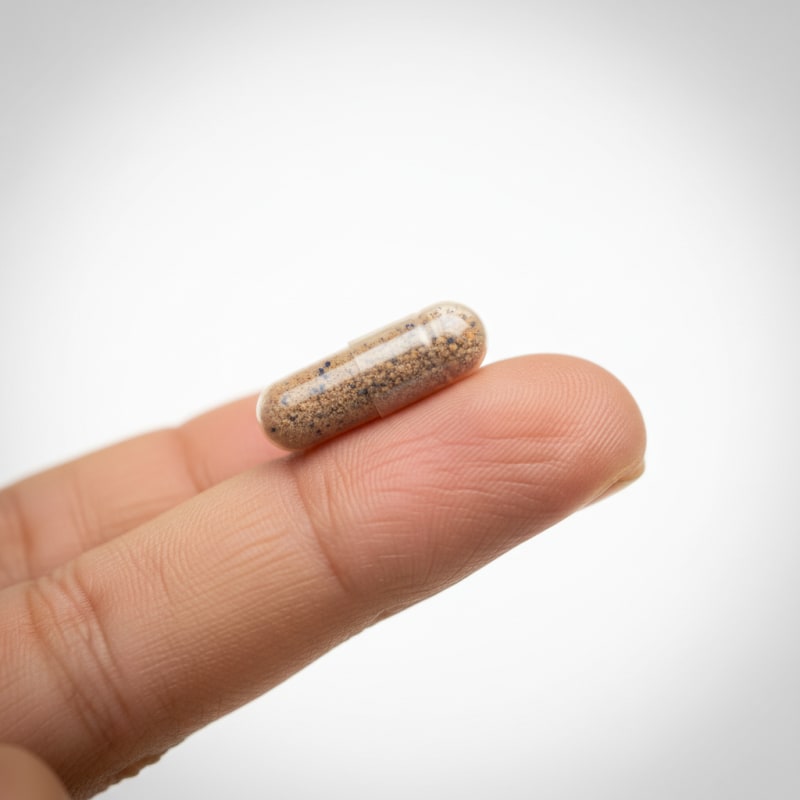
- Longitudinal Complexity: Unlike a single-session intervention, microdosing involves repeated doses over weeks or months, often following specific schedules or "stacks." A great example is the Neuro-Stack Niacin & Lion's Mane Capsules, which combine psilocybin with other compounds believed to support cognitive function. Tracking participants, ensuring compliance, and gathering data over such a long period is logistically complex and costly compared to observing a few 8-hour sessions.
Because of these challenges, most of the compelling evidence for microdosing comes from observational studies and self-reported data, which, while valuable, does not meet the "gold standard" of a randomized controlled trial required for medical claims.
How Does Real-World Use Differ From Clinical Trials?
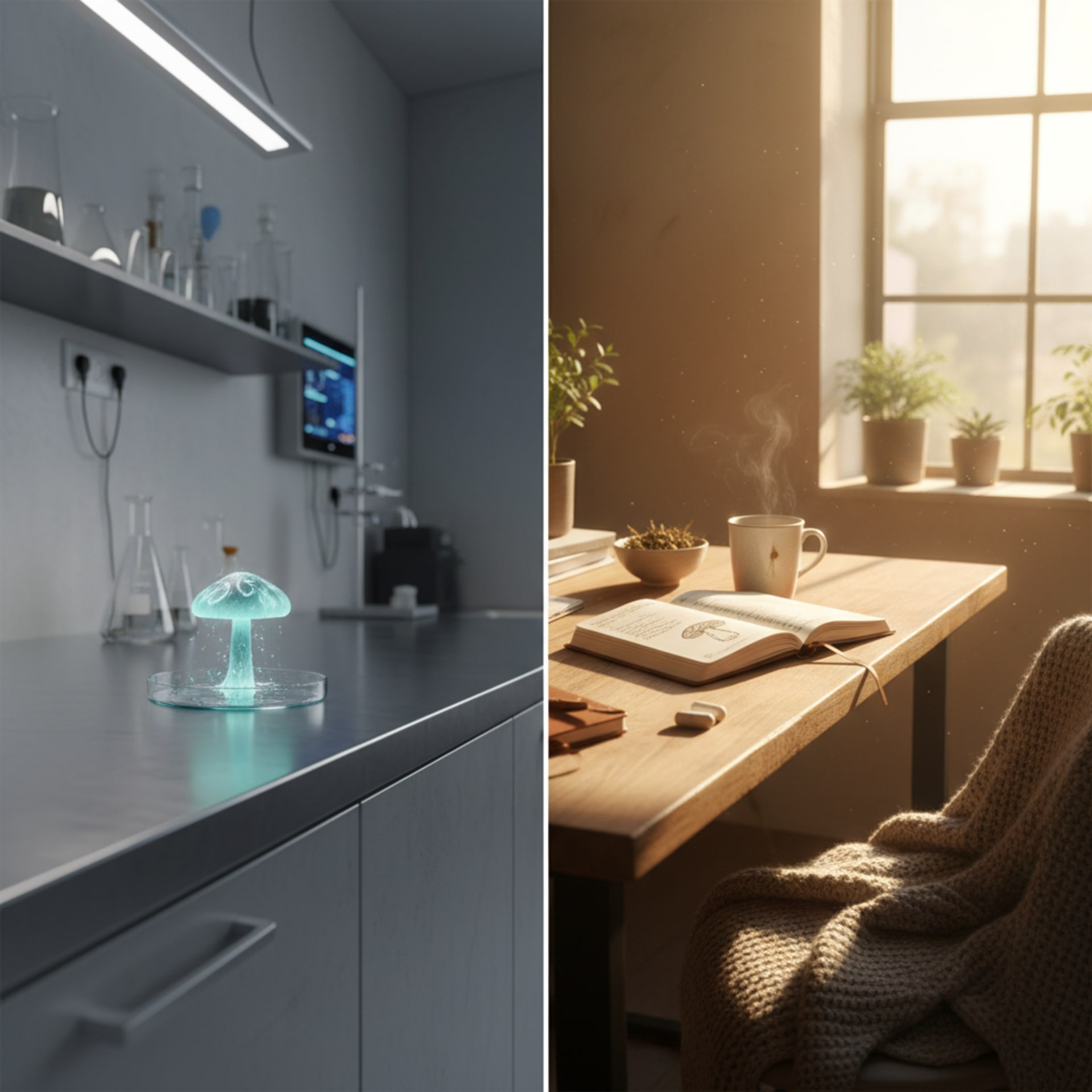
The gap between the lab and the real world comes down to purpose. One seeks to cure disease, while the other seeks to optimize daily life.
In a clinical trial, the patient is passive; they are administered a specific substance in a controlled environment to treat a diagnosed condition. In the real world, the user is active; they choose their substance, format, and dose to achieve a personal wellness goal. This often involves user-friendly products rather than pure chemical compounds. Many prefer the simplicity of edibles like a ShroomDash Milk Chocolate Bar for its predictable dosing and format, which integrates easily into a daily routine.
This is not a matter of one approach being right and the other wrong. High-dose clinical research is essential for developing psilocybin into a potential prescription treatment for those with severe mental health conditions. It provides the rigorous safety and efficacy data that regulators require. At the same time, the massive, real-world trend of microdosing points to a different but equally valid application focused on general well-being.
The current landscape shows a clear divergence. The most common use case for psilocybin remains the least studied, while the rare, high-intensity application receives nearly all scientific and financial support. This discrepancy underscores that there are two parallel worlds of psilocybin use, and for now, only one is being mapped by formal science.

ShroomDash Editorial Team
Published 2026-03-16 · 4 min read read · Lab Science