
Psilocybin Use: Perception vs. Reality
Quick Summary
Public perception of psilocybin is often shaped by high-dose clinical studies for conditions like depression. However, recent data shows that millions of people are actually microdosing regularly for wellness, making it a primary, not niche, use case.
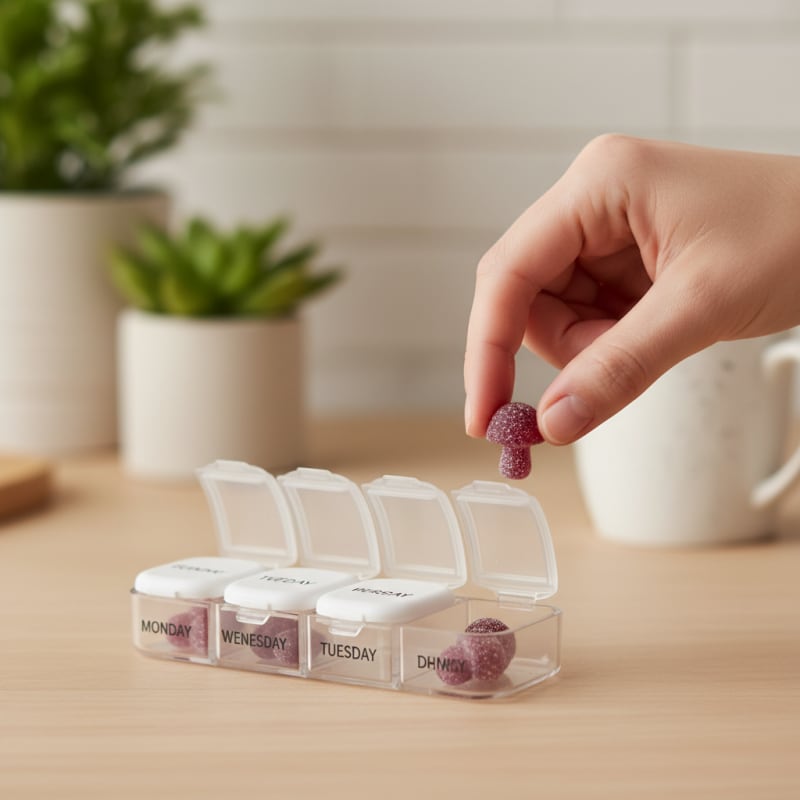
The public conversation around psilocybin is often defined by its extremes. On one hand, clinical research reports dramatic, life-altering experiences from high, medically supervised doses used to treat conditions like severe depression and nicotine addiction. On the other, media headlines can lean towards alarmism, questioning the safety and wisdom of its growing popularity. While both of these narratives capture a part of the story, they miss what might be the most common and widespread application of psilocybin today: the quiet, routine, and sub-perceptual practice of microdosing.
Recent data reveals a significant disconnect between the perception of psilocybin as a powerful, occasional intervention and the reality of its role as a consistent wellness tool for millions. The story of psilocybin in the real world is less about a single, monumental experience and more about a subtle, integrated part of a daily or weekly routine. This gap in understanding has significant implications for consumers, researchers, and regulators alike.
What Does the Data on Psilocybin Use Actually Show?
Until recently, the scale of real-world psilocybin use was largely a matter of speculation. However, new survey data is beginning to provide a clearer picture. A landmark 2026 study from the RAND Corporation, for instance, offered one of the first comprehensive looks at psychedelic use among U.S. adults, and the findings were illuminating. It found psilocybin to be the most commonly used psychedelic, with an estimated 11 million adults having used it in the past year.
The most striking statistic, however, relates to *how it's being used. The research found that among those who used psilocybin in the past year, roughly two-thirds reported microdosing at least once. Furthermore, of the more than 200 million days of psilocybin use reported, nearly half involved microdosing.
This data reframes microdosing from a niche, experimental practice into a primary use case. It suggests that for every person seeking a profound, high-dose experience, there may be at least one other person integrating tiny, non-intoxicating amounts into their regular life. This pattern of use points toward a different set of motivations—not necessarily to "trip," but to potentially enhance mood, creativity, or focus, much like one would use coffee or a dietary supplement. Understanding this is critical to grasping how psilocybin is actually functioning in society today.
Why Does Clinical Research Focus on High Doses?
Given the prevalence of microdosing, it is reasonable to ask why the vast majority of clinical research focuses almost exclusively on high-dose sessions. The answer lies in the practical requirements of scientific methodology. Clinical trials are designed to produce clear, statistically significant results that can be easily distinguished from a placebo. A single, large dose of psilocybin reliably induces a powerful, measurable psychological experience. Researchers can observe and quantify its effects on brain activity, mood, and behavior in a controlled setting over a relatively short period.
This approach is highly effective for studying psilocybin's potential to treat specific, severe conditions. For example, groundbreaking studies on psilocybin for Major Depressive Disorder (MDD) rely on one or two high-dose sessions to "reset" neural pathways. In this context, the profound experience itself is a key part of the therapeutic mechanism.
Studying microdosing, by contrast, is far more complex. The effects are subtle and cumulative, occurring over weeks or months. It is incredibly difficult to design a trial that can reliably separate the subtle benefits of a microdose from the placebo effect over such a long duration. While research is beginning to emerge, the logistical and financial barriers mean that high-dose studies remain the low-hanging fruit for researchers seeking to prove psilocybin's therapeutic value in a clinical model.
How Does This Data Change Our Understanding of Psilocybin?
Acknowledging that millions of people microdose fundamentally shifts the conversation from a purely medical or psychotherapeutic context to a wellness and lifestyle one. The goals are different. A person in a clinical trial may be seeking relief from debilitating depression. A person microdosing is more likely seeking subtle enhancements to their everyday life: improved mood, greater patience, or a more creative approach to problem-solving.
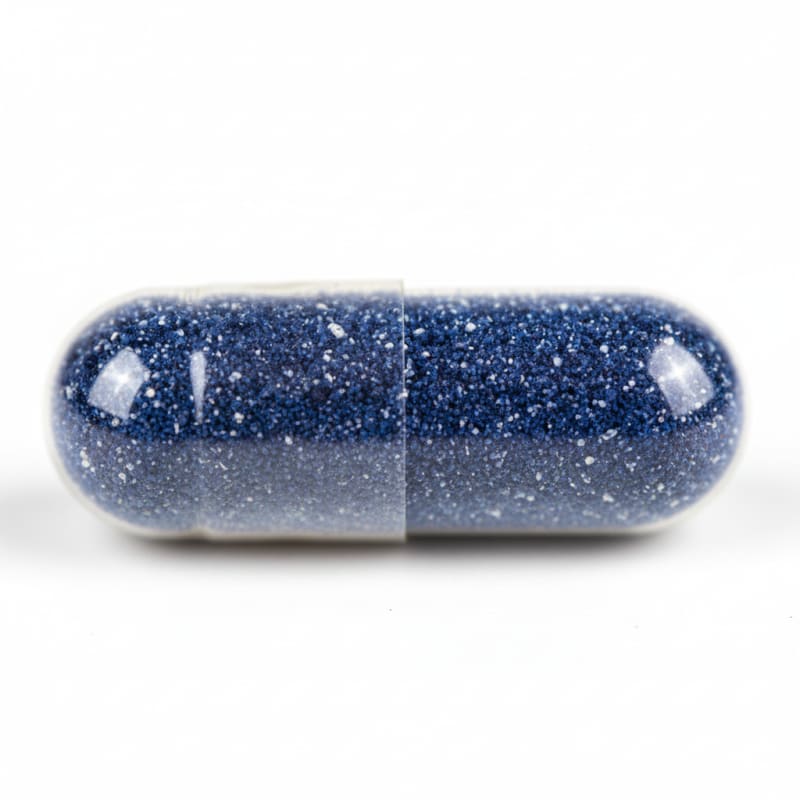
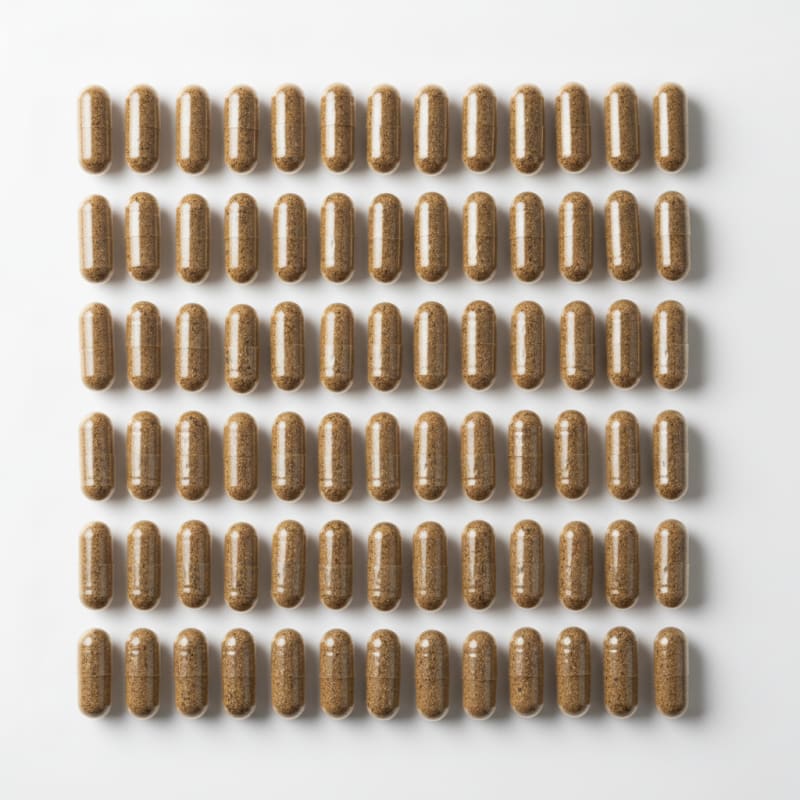
This widespread use suggests that people are finding tangible value in this practice, independent of clinical validation. For these users, consistency and reliability are paramount. Many turn to precisely formulated products to manage their routine. For instance, Neuro Blend Microdose Capsules are designed specifically for this purpose, combining a measured dose of psilocybin with functional ingredients like Lion's Mane and Niacin. You can explore Neuro Blend Capsules to see how products are being tailored for these wellness applications. This reality challenges the narrative that psilocybin's only legitimate use is in treating severe illness under strict medical supervision. It opens up a parallel track where psilocybin is treated more like a functional supplement than a powerful pharmaceutical.
What Are the Practical Implications for Consumers?
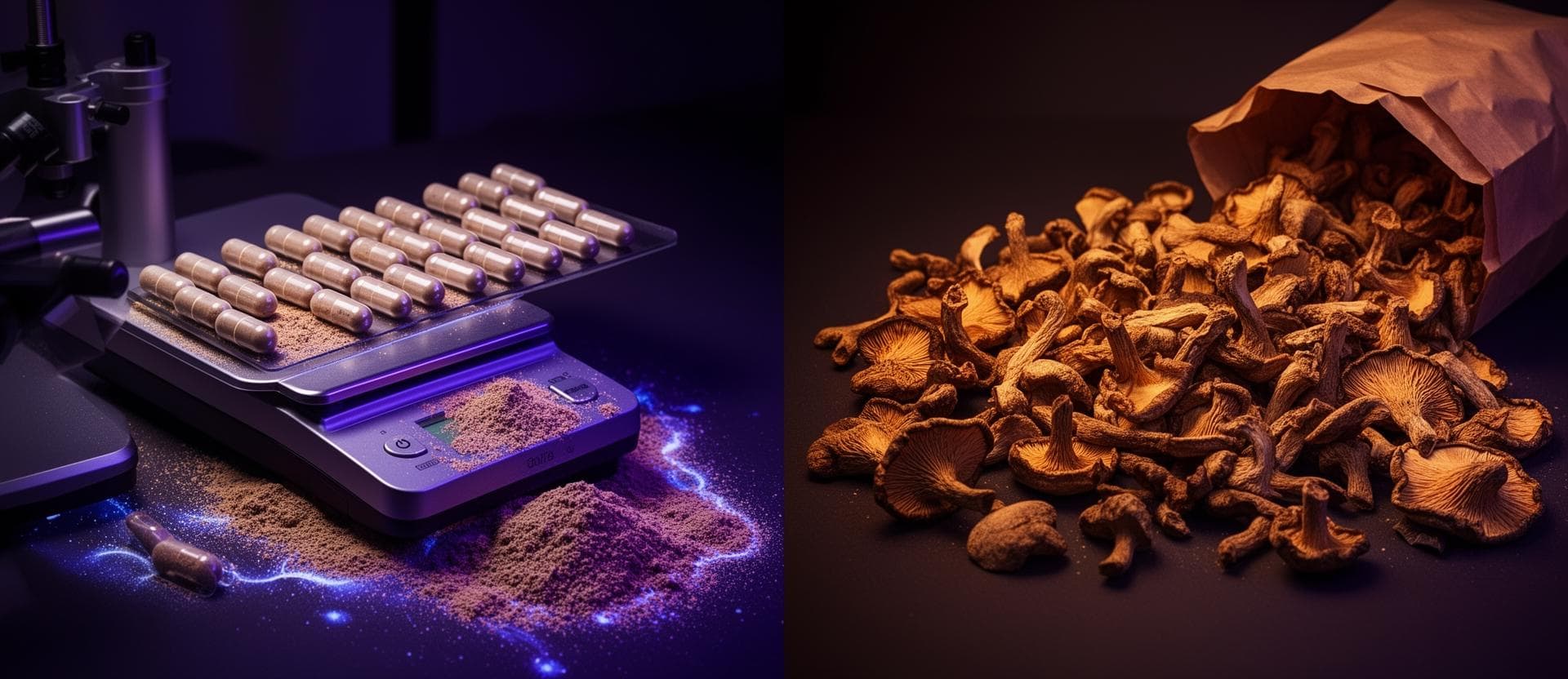
The growing prevalence of microdosing places a strong emphasis on product quality, dosage accuracy, and accessible formats. When the goal is a sub-perceptual effect, the variability inherent in raw, dried mushrooms becomes a liability. Potency can vary significantly from one mushroom to another and even between the cap and stem of the same mushroom. This makes achieving a consistent microdose difficult and unreliable.
This is why many consumers gravitate towards professionally prepared products that guarantee a precise amount of psilocybin in every serving. It eliminates the guesswork and ensures the experience remains truly sub-perceptual. Products like Align Microdose Gummies cater directly to this need, offering a specific dose (e.g., 100mg) in a simple format. For those curious about this approach, you can discover Align Microdose Gummies as an example of how the market is responding. Learning how to microdose psilocybin properly starts with a reliable and consistent product, whether that be in the form of gummies, chocolates, or capsules.
The data clearly indicates that while high-dose therapeutic sessions capture the headlines, the day-to-day reality of psilocybin use for millions of people is a far more subtle and integrated practice.

ShroomDash Editorial Team
Published 2026-03-11 · 4 min read read · Dosing