Psilocybin's Two Narratives: Clinical vs. Wellness
Quick Summary
The public conversation about psilocybin often focuses on its use in high-dose, clinical therapy for serious conditions. However, recent data shows that a majority of real-world use involves microdosing for general wellness, creating two distinct narratives—one about intense, supervised treatment and another about routine, daily enhancement.
Recent headlines about psilocybin often paint a specific picture: a powerful, transformative compound used in high-dose, clinically supervised sessions to treat severe conditions like PTSD, addiction, and end-of-life anxiety. This narrative is driven by groundbreaking work from institutions like the Johns Hopkins Center for Psychedelic and Consciousness Research, which focuses on the therapeutic potential of psilocybin in a medical context. While this research is vital, it represents only one side of the story.
Data from recent studies, such as a 2026 RAND report, reveals a vastly different and more common reality. The report found that among adults who used psilocybin in the past year, roughly two-thirds reported microdosing at least once. Of the more than 200 million days of psilocybin use, nearly half involved microdosing. This suggests that for a significant majority of users, psilocybin is not a rare, intense therapeutic event but a routine tool for general wellness and cognitive enhancement. This creates two parallel narratives: the clinical and the real-world.
Why does the clinical narrative get more attention?
The focus on high-dose, therapeutic use in media and scientific literature is understandable. This research is novel and operates within established frameworks for drug development and FDA approval. Studies require significant funding and rigorous controls, making them newsworthy events. They investigate psilocybin's potential to address some of the most challenging psychiatric and behavioral disorders, which carries immense social and medical weight.
Key characteristics of the clinical model include:
- High Doses: Sessions involve administering large, psychoactive doses of psilocybin intended to induce a profound or "mystical" experience.
- Controlled Setting: The experience takes place in a carefully controlled clinical environment, often referred to as "set and setting," which you can read more about in our post on the topic [/blog/set-and-setting-psilocybin].
- Guided Sessions: Patients are supervised by trained medical professionals or therapists who guide them through the experience.
- Specific Therapeutic Goals: The primary aim is to treat a diagnosed condition, such as smoking cessation or major depressive disorder.
- Pure Compounds: Research typically uses precisely dosed, synthesized psilocybin to ensure consistency and eliminate variables from raw mushroom material.
This approach is methodical and risk-averse, designed to produce measurable data that can withstand scientific and regulatory scrutiny. The dramatic nature of the experiences and their potential to revolutionize mental healthcare make for compelling headlines.
What does the wellness narrative look like?
The wellness or "real-world" narrative is quieter but far more widespread. It reflects the way millions of people integrate psilocybin into their daily lives. According to the RAND data, this type of use accounts for a massive volume of total consumption days. For these individuals, the goal is not a dramatic overhaul of their psyche but subtle, ongoing improvements in mood, creativity, focus, and overall well-being.
This wellness model is defined by:
- Low Doses: The most common practice is microdosing, taking a sub-perceptual dose that does not produce an altered state of consciousness.
- Routine Use: Doses are often taken on a regular schedule, such as a few times a week, much like a daily supplement.
- Real-World Settings: Psilocybin is used at home, at work, or during regular daily activities.
- General Wellness Goals: Motivations are broad and include enhancing productivity, reducing mild anxiety, improving emotional regulation, or fostering creative thinking.
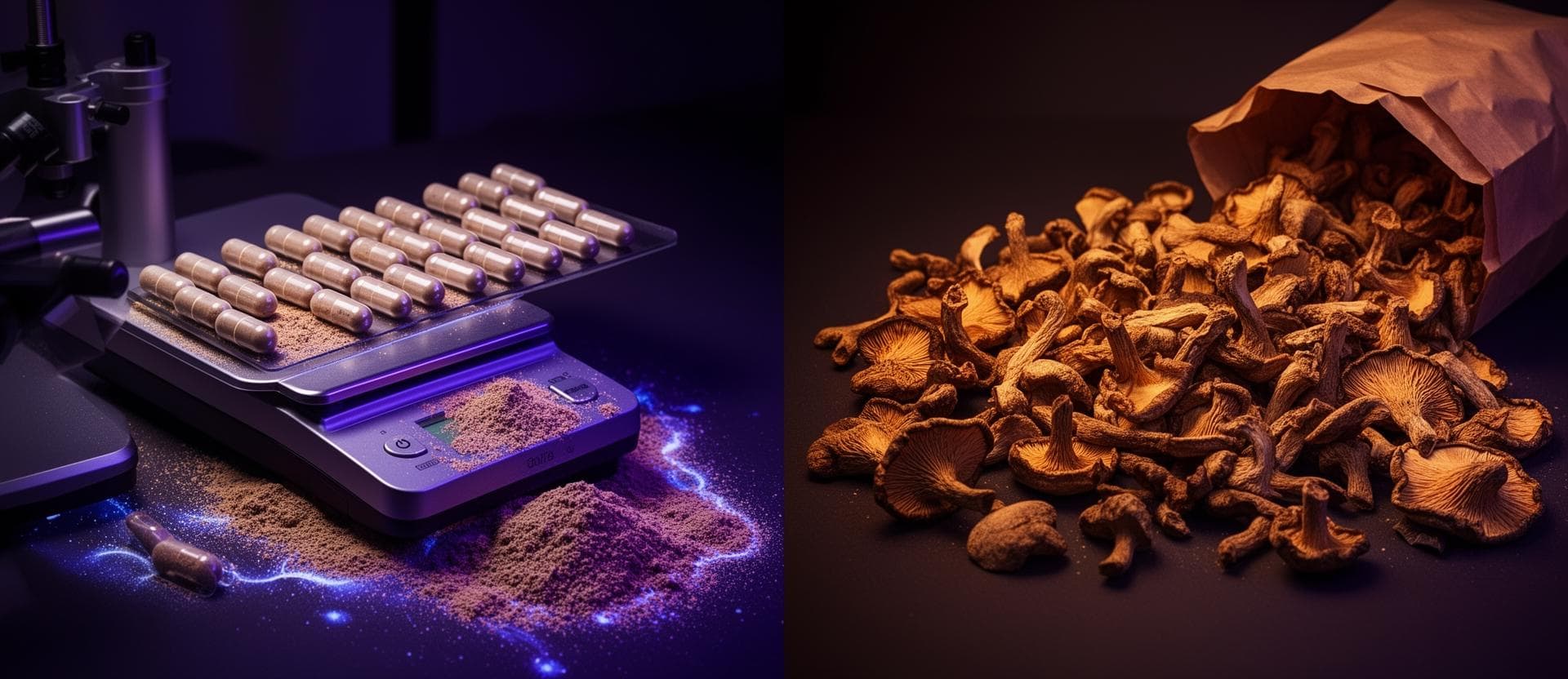
- Accessible Product Formats: This world relies on consumer-friendly products. Instead of pure synthesized compounds, users opt for precisely dosed microdose capsules or edibles like mushroom chocolates and gummies that are easy to manage and integrate into a routine.
The Origin Microdose Capsules are a prime example of a product designed for this context. By blending *Psilocybe cubensis with functional ingredients like Lion's Mane and Niacin, the focus shifts from a singular psychedelic event to a holistic wellness supplement for cognitive support.
How do products reflect these different intentions?
The divergence between the clinical and wellness worlds is clearly visible in the product formats available. The clinical world requires sterile, pharmaceutical-grade psilocybin, often in a simple pill with no branding, designed for function over form. The active ingredient is the sole focus.
In contrast, the wellness market has driven innovation in product development to meet consumer needs for convenience, consistency, and a pleasant experience.
- Precise Dosing: While clinical trials dose by the milligram of pure psilocybin, consumer products focus on dosing by the dried mushroom equivalent. This allows users to find a predictable, effective dose that works for them. You can learn more about how potency is measured in our post [/blog/how-potency-is-measured-in-the-lab].
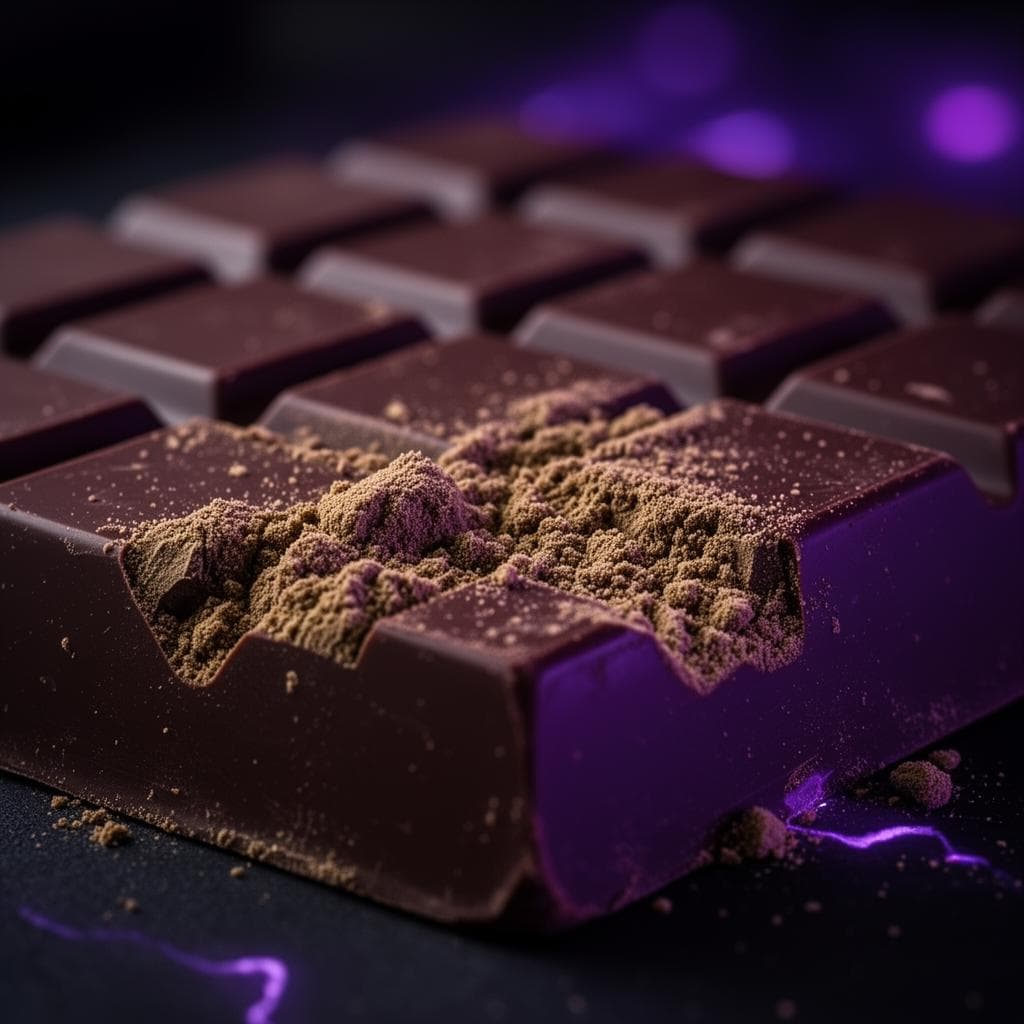
- Taste and Palatability: Raw mushrooms have a strong, earthy flavour that many find unpleasant. Edible formats like the Mynd Milk Chocolate Bar mask this taste, making a daily routine more enjoyable. Infusing psilocybin into chocolate or gummies transforms it from a raw ingredient into a finished good.
- Ingredient Synergy: Many wellness products combine psilocybin with other functional, non-psychoactive ingredients. This "stacking" approach aims to create synergistic effects tailored to specific goals like focus, relaxation, or energy.
These two narratives are not in conflict; they simply serve different purposes for different people. One seeks to heal deep-seated trauma and illness through powerful, medically-guided interventions. The other seeks to enhance daily life through subtle, self-managed adjustments.
The psilocybin landscape is defined by this duality. While clinical research provides a critical framework for understanding safety and therapeutic potential, the widespread, low-dose wellness application demonstrates how the compound is being used in practice by the majority of consumers.

ShroomDash Editorial Team
Published 2026-04-28 · 4 min read read · Dosing