Psilocybin Volume: Microdosing's Hidden Share
Quick Summary
Recent data shows that while high-dose psychedelic trips get more attention, microdosing accounts for nearly half of all psilocybin use days. This means a significant volume of the total psilocybin consumed is through small, regular doses, reflecting a widespread wellness trend rather than just occasional therapeutic use.
The public conversation around psilocybin is largely dominated by the concept of the "trip"—a significant, consciousness-altering experience undertaken for therapeutic or spiritual reasons. Clinical studies, media reports, and anecdotal stories often focus on macrodoses, the large amounts of psilocybin required to produce these profound effects. This narrative, however, overlooks a quieter but equally significant phenomenon: the sheer volume of psilocybin consumed through microdosing.
Recent data has begun to illuminate the scale of this practice. A 2026 RAND study revealed that of the more than 200 million days of psilocybin use in the United States, nearly half involved microdosing. While a single microdose is functionally invisible from a perceptual standpoint, the cumulative effect of millions of people taking these small doses on a regular basis represents a massive portion of the total psilocybin consumed. This reality paints a very different picture of psilocybin use, one that is less about occasional, dramatic interventions and more about consistent, supplemental wellness routines.
What is the difference between use days and total volume?
Understanding the impact of microdosing requires a shift in perspective from counting individual "doses" to calculating total aggregate consumption. A single person taking a 3-gram macrodose for a therapeutic session is a single-use day. Another person following a microdosing protocol might consume 100 milligrams every other day for two months. While the individual doses are tiny, their total consumption over that period is also 3 grams (100mg x 30 doses).
When we extrapolate this across a population, the numbers become significant. The RAND study finding that nearly half of all use days are microdosing days is profound. It means that for every person engaging in a high-dose experience, there is another person engaging in a consistent microdosing regimen. Because microdosing involves repeated use by its very nature, the total weight of psilocybin consumed by this group is substantial. This highlights a critical distinction: the most visible method of consumption (macrodosing) may not be representative of the largest volume of consumption when measured over time. This consistent demand pattern has a stabilizing effect on the market, shaping it into something that more closely resembles the supplement industry than the niche world of powerful psychedelics.
How does this pattern of use shape the market?
The dominance of the high-dose narrative has practical consequences for both producers and consumers. Research and media focus on high-potency mushroom strains and the precise measurement of psilocybin and psilocin for intense, predictable experiences. However, the data on microdosing suggests a different, parallel market exists—one focused on consistency, convenience, and reliability for daily use.
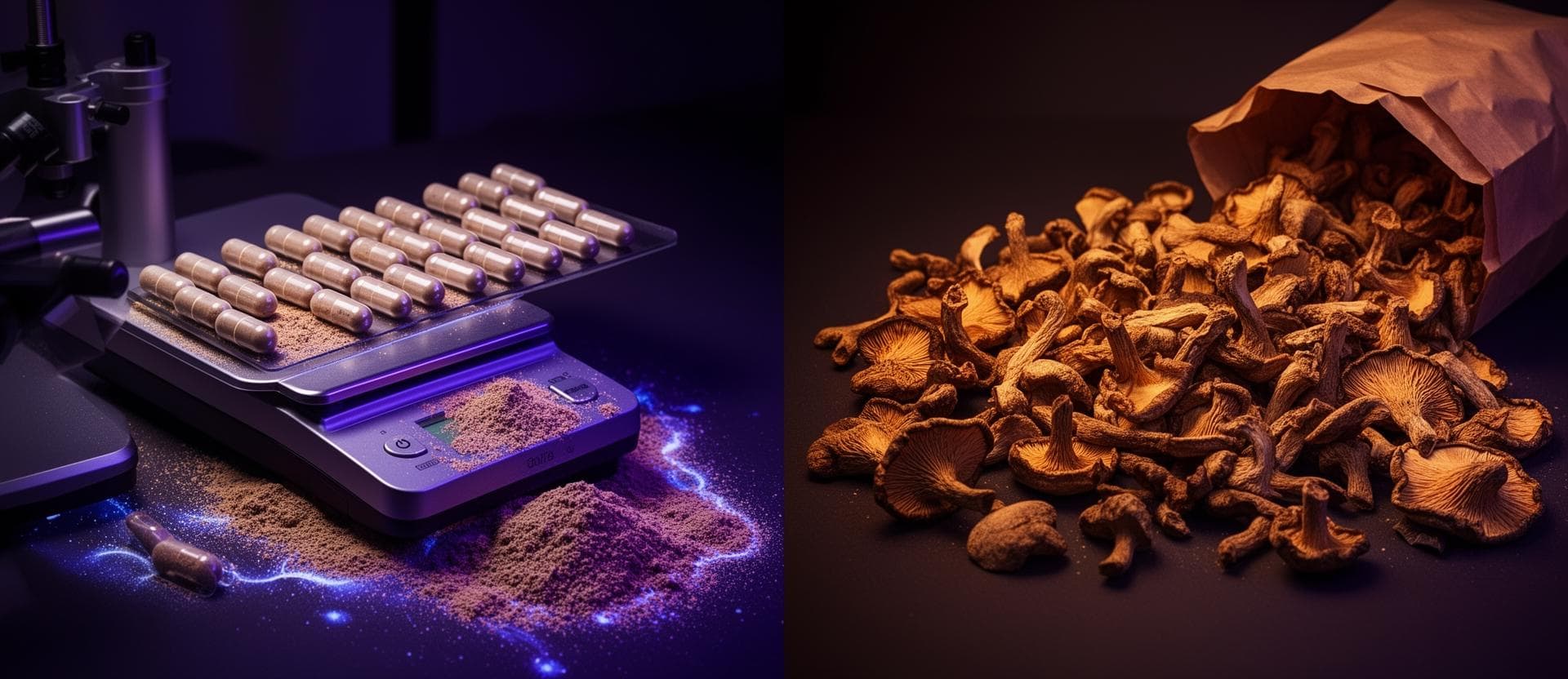
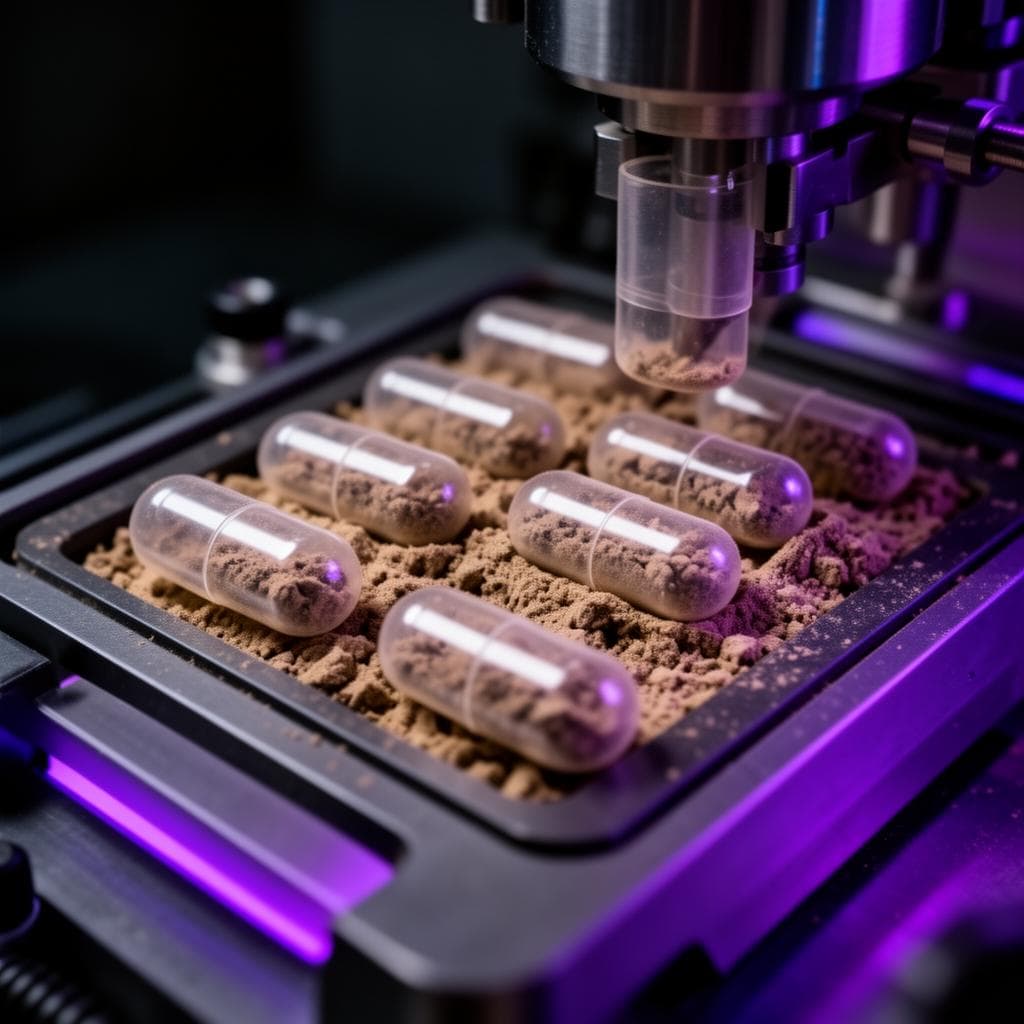
This is where product formats like precisely measured capsules become essential. For a user integrating psilocybin into a wellness routine, the priority is not a transformative experience but a reliable, sub-perceptual dose. Products designed for this purpose, such as our Mynd Microdose Capsules, cater directly to this need, providing a consistent amount of psilocybin in an easy-to-consume format. This user is more likely to be a repeat customer, purchasing products on a regular schedule. Learn more about our range of precisely formulated products in our capsules category. The economic engine of the wellness market is driven by this kind of routine replenishment, a model that differs significantly from the occasional, high-cost investment of a guided therapeutic macrodose. The quiet but immense volume of psilocybin moving through microdosing channels indicates that for a large number of users, mushrooms are a pantry staple, not a rare indulgence.
Why does the macrodose narrative persist?
The disconnect between the reality of psilocybin consumption volume and the public perception of it stems from several factors. Firstly, clinical trials, which generate significant media attention, almost exclusively use high doses. The goal of this research—for example, in studies on smoking cessation or depression—is to induce a peak experience that can reset neural pathways. The results are often dramatic and newsworthy. A headline about a single dose of psilocybin helping smokers quit is far more compelling than a story about millions of people feeling slightly more focused at work.
Secondly, the subjective effects of a macrodose are, by definition, more pronounced and easier to describe. Trip reports and stories of personal transformation are powerful narratives that capture the imagination. Microdosing, in contrast, produces subtle effects that are often difficult to isolate from other variables like diet, sleep, and mood. Its benefits are cumulative and nuanced, making for a less exciting story. This creates a visibility bias where the most extreme use cases receive the most attention, shaping a public understanding that doesn't align with the day-to-day reality for a huge segment of users. This gap is explored further in our post about the two paths of psilocybin use: clinical vs. wellness.
What are the implications for consumers?
Recognizing that a substantial volume of psilocybin is consumed via microdosing helps to normalize and validate this approach. New users may feel that the only "correct" way to use psilocybin is through a high-dose, ceremonial experience, when in fact, a majority of their peers are integrating it in a much more subtle way. This understanding empowers individuals to choose the method that best suits their goals, free from the pressure of a dominant but incomplete narrative.
It also encourages a more sophisticated look at product formats. While dried mushrooms remain a popular choice, the demands of a consistent microdosing schedule have led to innovations in product formulation. Edibles, for instance, offer a discreet and palatable alternative. Products like Wonder Mushroom Gummies provide a lower, more approachable dose that can serve as an entry point for microdosing or as a standalone mild experience. This variety allows users to tailor their consumption with precision, whether they are following a strict protocol or simply seeking a gentle mood enhancement. Exploring formats like gummies can provide a more accessible path for those new to psilocybin.
The data on consumption volume reveals that the psilocybin landscape is far more diverse than the prevailing narrative suggests. While macrodose experiences are a valid and powerful application, they represent only one facet of a broader pattern of use, where small, consistent doses account for a significant share of the total psilocybin being consumed.

ShroomDash Editorial Team
Published 2026-04-27 · 5 min read read · Dosing