Psilocybin "Use Days": A New View on Dosing
Quick Summary
Data on 'psilocybin use days,' which measures consumption occasions rather than user numbers, shows microdosing accounts for nearly half of all use. This challenges the common perception of psilocybin as a substance taken only for infrequent, high-dose experiences. The findings highlight a significant demand for precise, consistent, low-dose product formats like capsules and edibles.
Recent data from the RAND Drug Policy Research Center has provided a clearer picture of how psilocybin is being used today. While headlines often focus on the number of individual users, a more telling metric has emerged: the "use day." The 2023 report found that nearly half of all psilocybin consumption days involve microdosing—taking a small, sub-perceptual amount.
This finding challenges the public perception of psilocybin use, which is often narrowly associated with infrequent, high-dose "trips." The data suggests a reality where psilocybin is just as likely to be used in a manner similar to a daily supplement as it is for a profound psychedelic experience. Understanding the distinction between the number of people using a substance and the total occasions of use is critical for an accurate view of consumption patterns. The "use day" metric provides this essential granularity, shifting the focus from who is using to how they are using.
What Exactly Are ‘Use Days’?
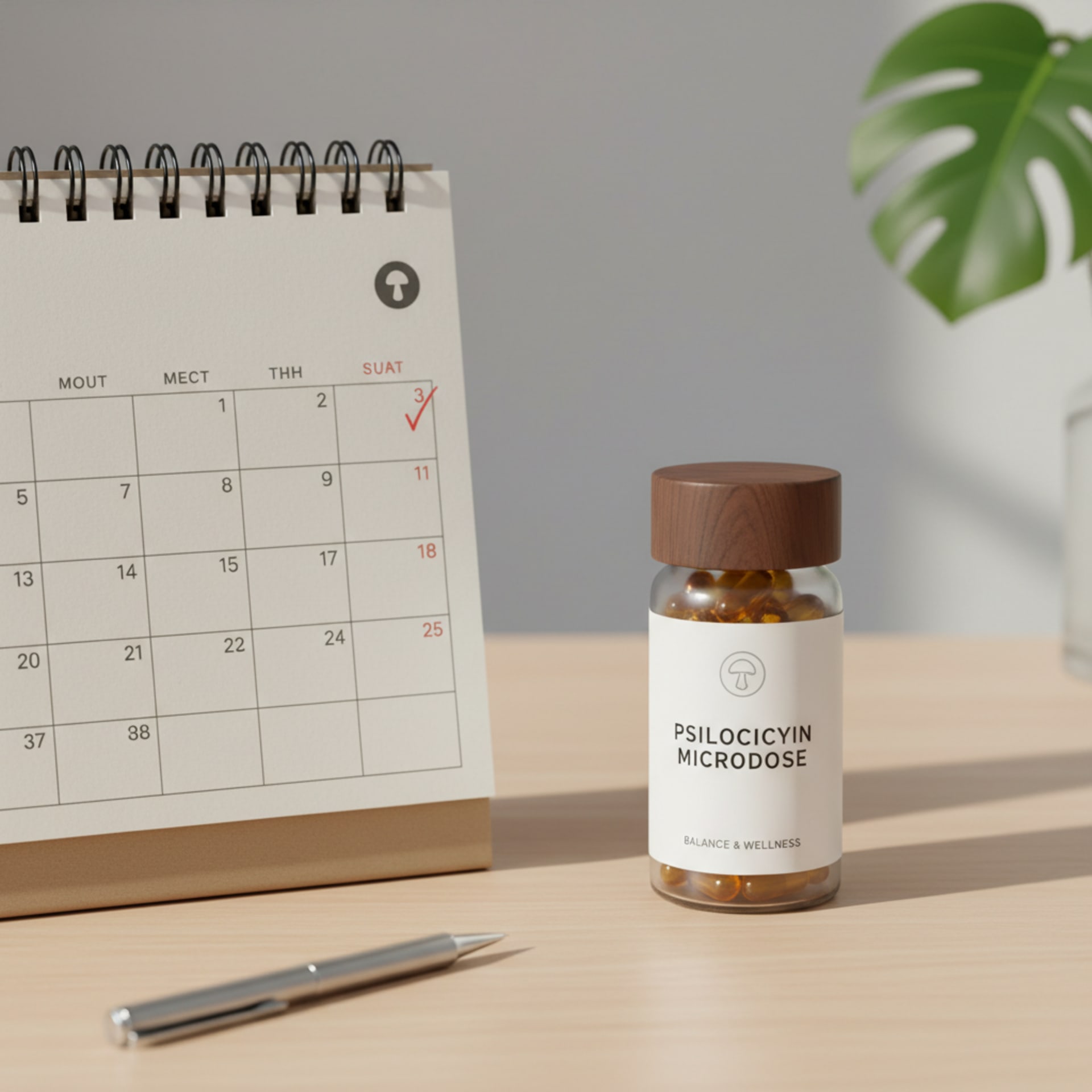
The concept of a "use day" is a simple but powerful tool for understanding substance use patterns. Instead of counting each person who reports using psilocybin in a given year as a single data point, this metric counts each day a person consumes psilocybin. If one person microdoses five days a week for a month, they contribute 20 "use days" to the total. If another person takes a single high dose for a ceremonial experience, they contribute one "use day."
This approach offers a more nuanced perspective than user count alone. For instance, statistics on alcohol consumption often differentiate between the number of drinkers and the number of "standard drinks" consumed per week. This distinction separates the occasional social drinker from the daily heavy drinker. Similarly, the "use day" metric for psilocybin helps differentiate between distinct patterns of use:
- High-Dose Use: Characterized by infrequent, intense experiences. These sessions are often planned in advance and undertaken for therapeutic, spiritual, or deeply introspective purposes. This type of use contributes relatively few total "use days" to the annual aggregate.
- Microdosing: Involves taking sub-perceptual doses, often on a recurring schedule (e.g., several times per week). This pattern, aimed at enhancing mood, creativity, or focus, contributes a high number of "use days" per individual. The data shows this is not a niche activity but a primary driver of overall consumption.
The RAND analysis reveals that these two modalities represent two distinct, yet equally significant, worlds of psilocybin consumption, a reality that cannot be seen by looking at user numbers alone.
How Does This Data Reshape the Conversation?
The finding that microdosing accounts for nearly half of all use days is significant. It quantitatively confirms what many in the community have observed anecdotally for years: a massive, and growing, interest in the functional, sub-perceptual application of psilocybin. This runs counter to the prevailing media and even scientific narrative, which tends to focus almost exclusively on the effects of high-dose clinical research.
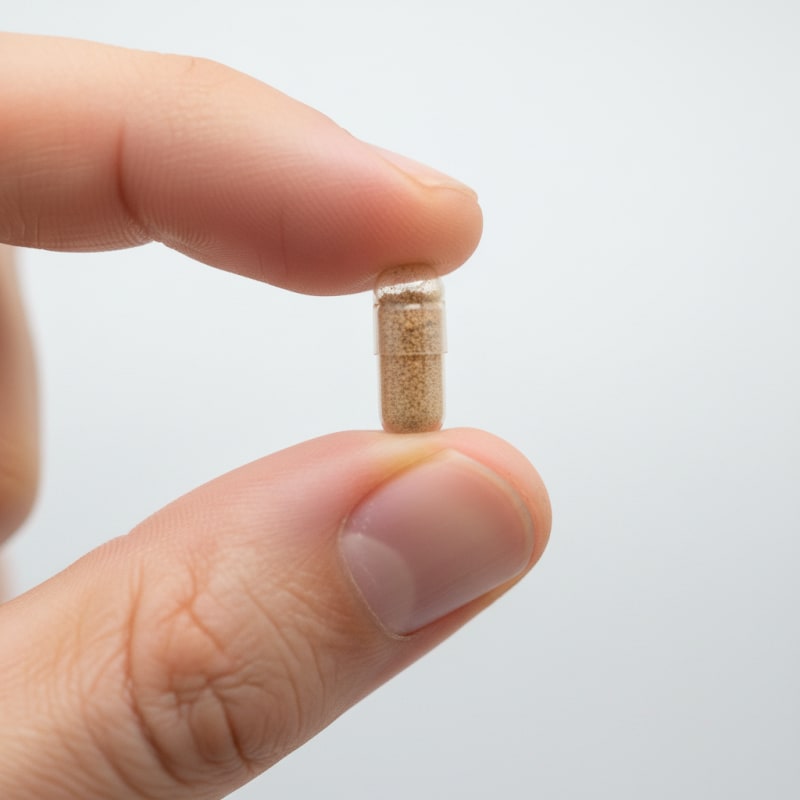
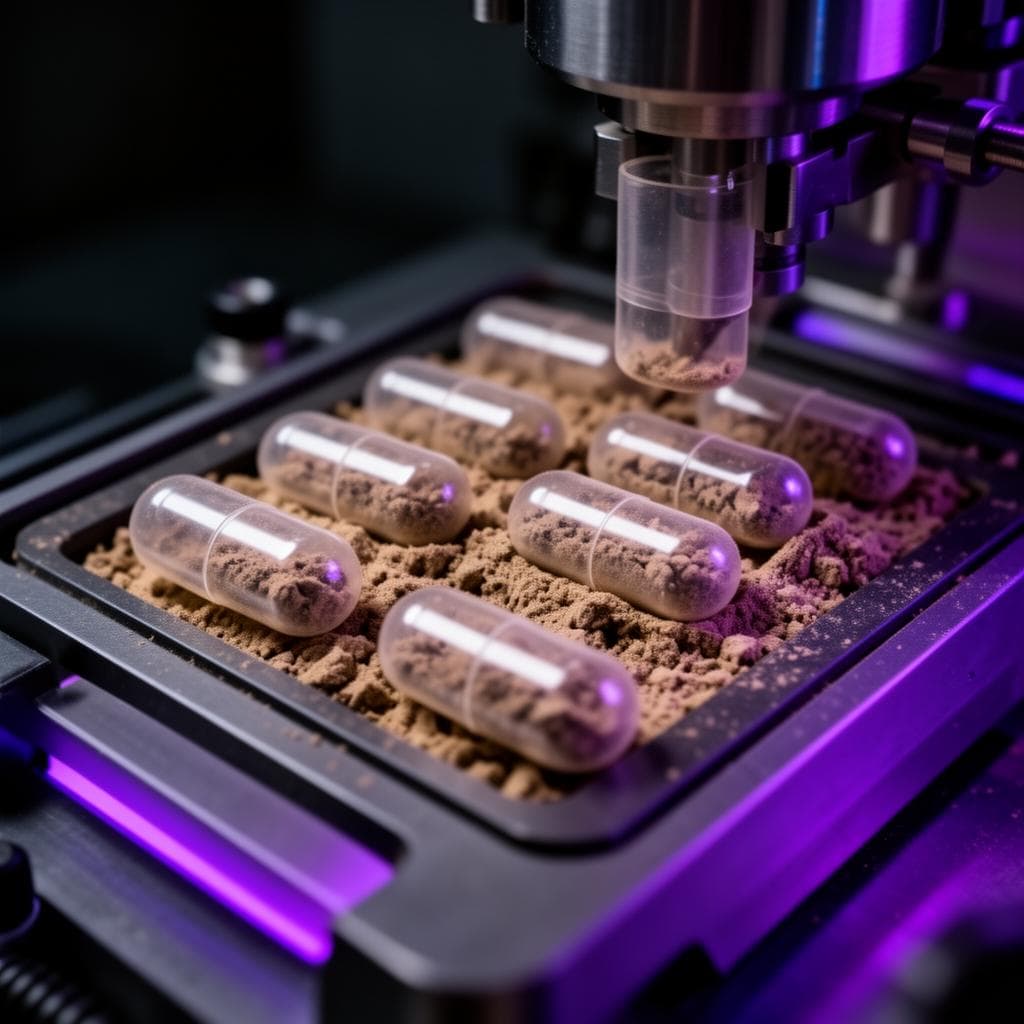
This data forces a recalibration of how we discuss psilocybin. The conversation can no longer be limited to the profound, life-altering "trip." It must now also include the quiet, consistent integration of microdosing into daily life for wellness purposes. This bifurcation explains the market demand for products that serve two very different needs. One user may seek a potent 3.5-gram chocolate bar for a single, powerful session, while another needs a 30-day supply of 100mg capsules for their daily routine. For this latter use case, precision is paramount. Products like the Clarity Microdose Capsules are developed to meet this need, providing a reliably consistent dose that is difficult to achieve with raw mushrooms, where potency can vary significantly.
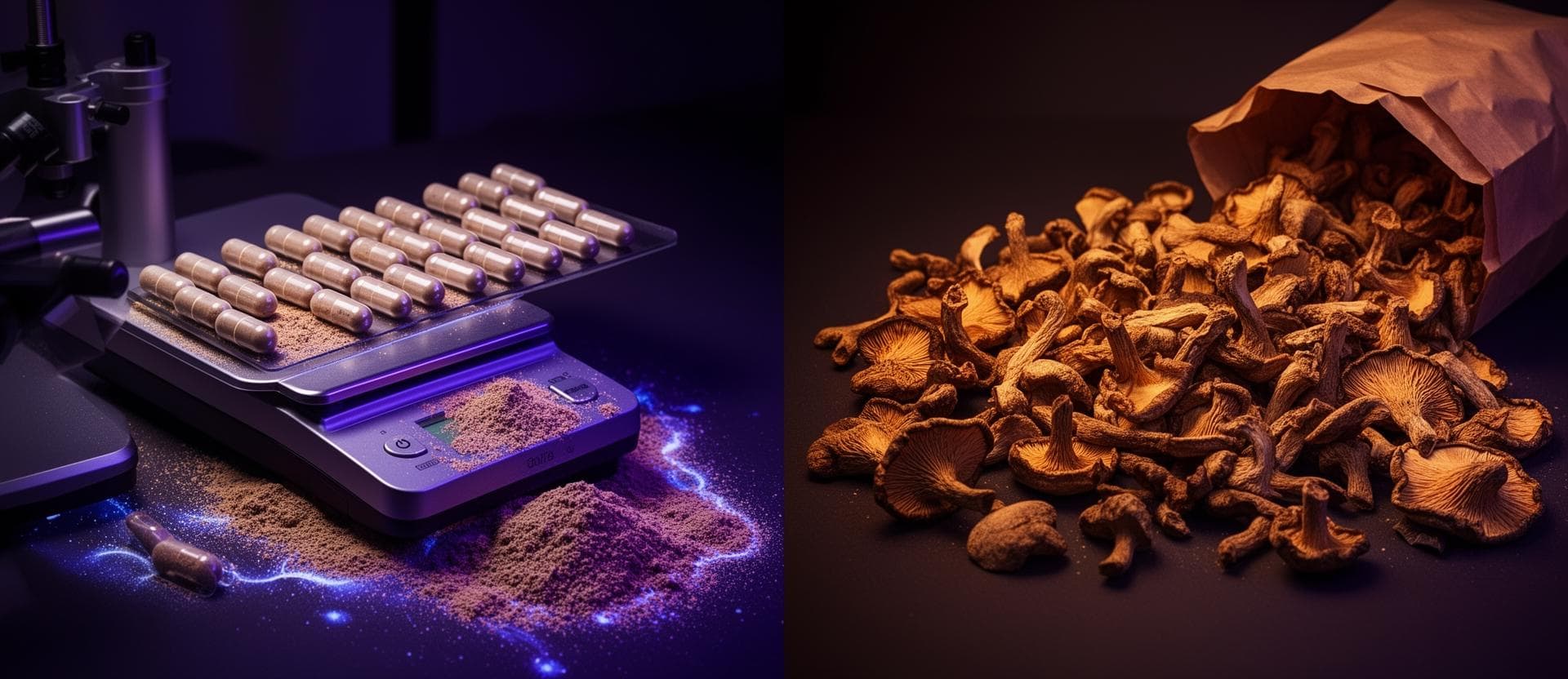
The data also highlights the necessity for dosing formats that prioritize precision and convenience. It is impractical and inaccurate to try and divide a raw mushroom into consistent 100mg microdoses. This reality has driven innovation in product formats, leading to the popularity of precisely formulated mushroom capsules and edibles.
What Are the Implications for Product Design?
The widespread adoption of microdosing has clear implications for product development. The focus shifts from sheer potency to accuracy, consistency, and ease of use. When psilocybin is used as a functional tool rather than for an occasional peak experience, users depend on a predictable effect every time.
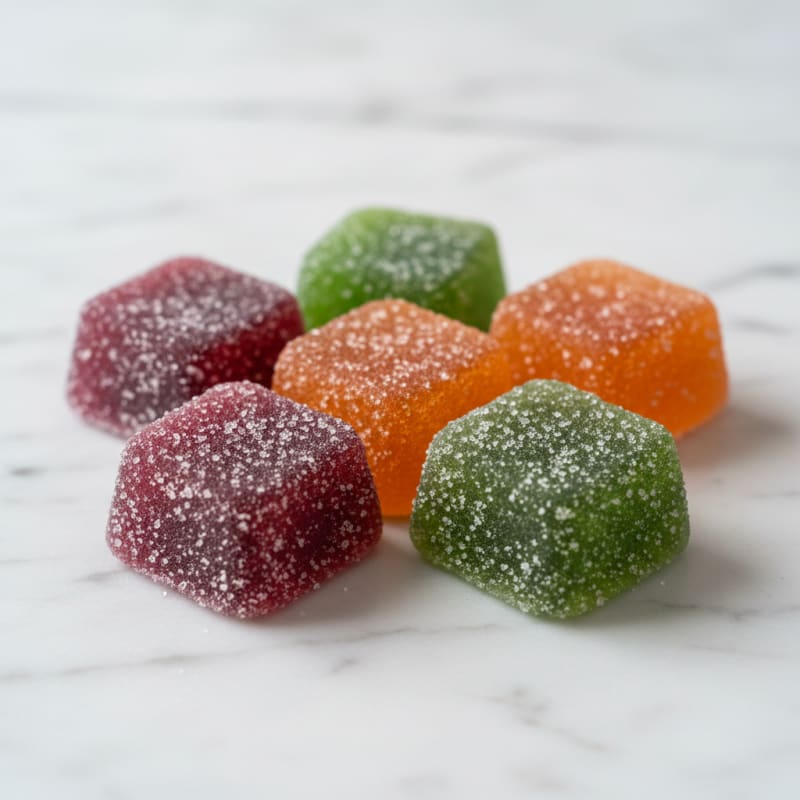
This is where formulated products excel. Unlike raw mushrooms, where psilocybin content varies from mushroom to mushroom and even from the cap to the stem, manufactured edibles and capsules are made from a homogenized, lab-tested powder. This process ensures that every single dose is consistent. For a microdoser, this means they can rely on getting the intended sub-perceptual effect without accidentally crossing the threshold into an active dose. Edibles like our Focus Gummies offer another accessible format, providing a pre-measured, low dose in a palatable form that is ideal for those new to psilocybin or who prefer not to swallow capsules.
The "use day" data validates the industry’s move toward products that emphasize metered dosing. It suggests that the future of psilocybin access lies not just in providing the raw material, but in offering refined, purpose-built formats that align with how the substance is actually being consumed.
The "use day" metric ultimately paints a more complete picture of psilocybin consumption, revealing a landscape where daily wellness use is just as prevalent as profound psychedelic exploration. This quantitative insight confirms that the needs of the modern psilocybin user are more diverse than is commonly portrayed.

ShroomDash Editorial Team
Published 2026-03-15 · 4 min read read · Dosing