Psilocybin's Two Economies: Clinical vs. Wellness
Quick Summary
The psilocybin landscape is divided into two distinct models. The clinical economy uses high-dose, therapist-guided sessions to treat specific medical conditions, making it a high-cost, event-based intervention. The wellness economy is built on low-dose, self-directed microdosing for general life enhancement, making it an accessible, process-based routine.

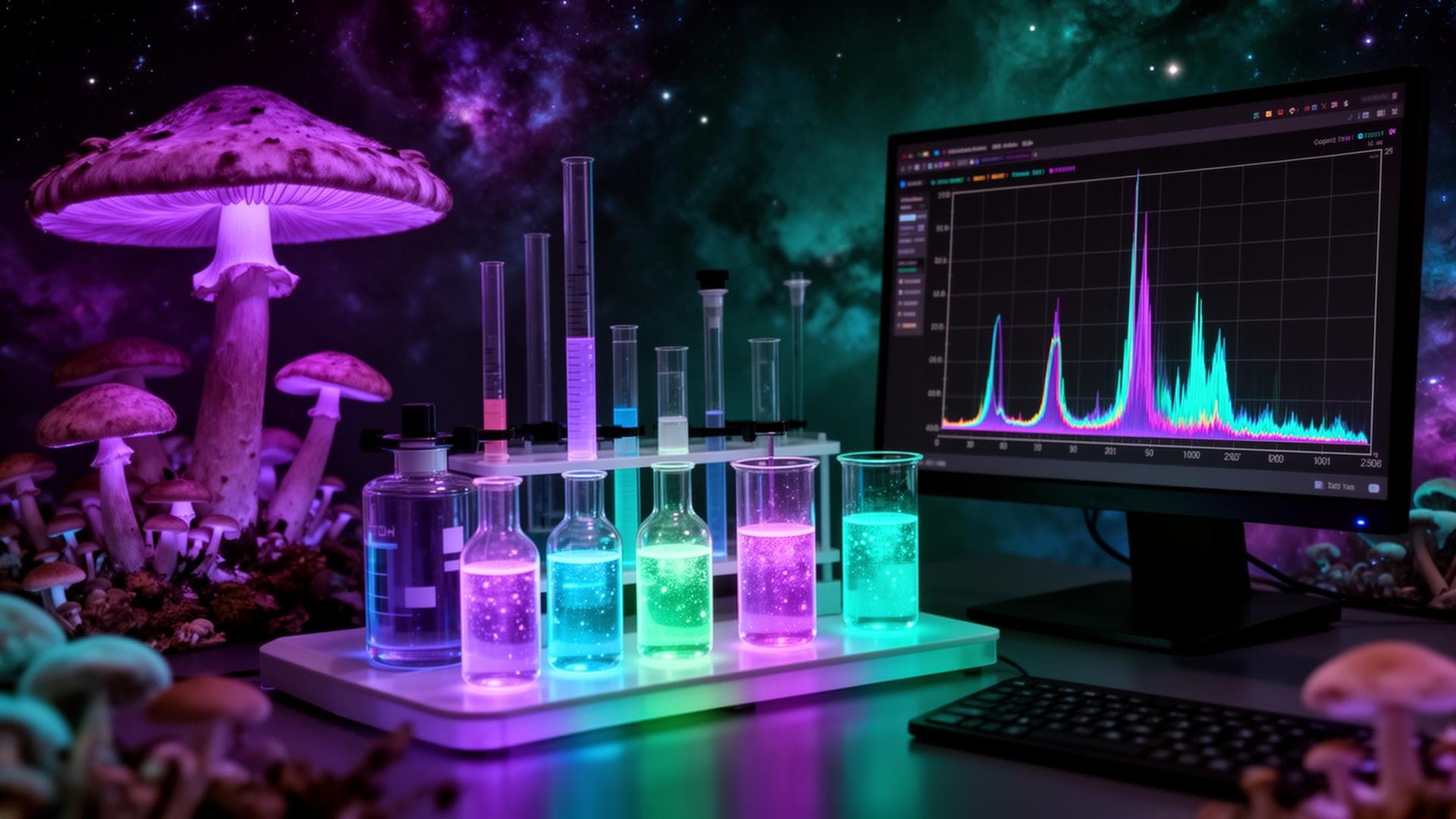
The public conversation around psilocybin is often split into two distinct narratives. One story, championed by research institutions and amplified by mainstream media, focuses on the profound potential of high-dose, therapeutically-guided sessions. This is the world of psychedelic-assisted therapy, where psilocybin is a powerful tool for addressing conditions like treatment-resistant depression and end-of-life anxiety. This clinical model treats psilocybin as a rare, powerful event.
The other story is quieter, yet represents a much larger volume of use. This is the wellness model, centered on low-dose, regular use—or microdosing. It’s a world of personal enhancement, where individuals use psilocybin not for a radical psychological reset, but as a tool for improving mood, focus, and creativity. These two parallel economies—one high-cost, high-barrier, and medically supervised; the other low-cost, accessible, and self-directed—are shaping the future of psilocybin access and perception.
What Defines the Clinical Psilocybin Model?
The clinical model is characterized by its structure, supervision, and intent. It operates within a medical framework, requiring significant infrastructure and professional oversight.
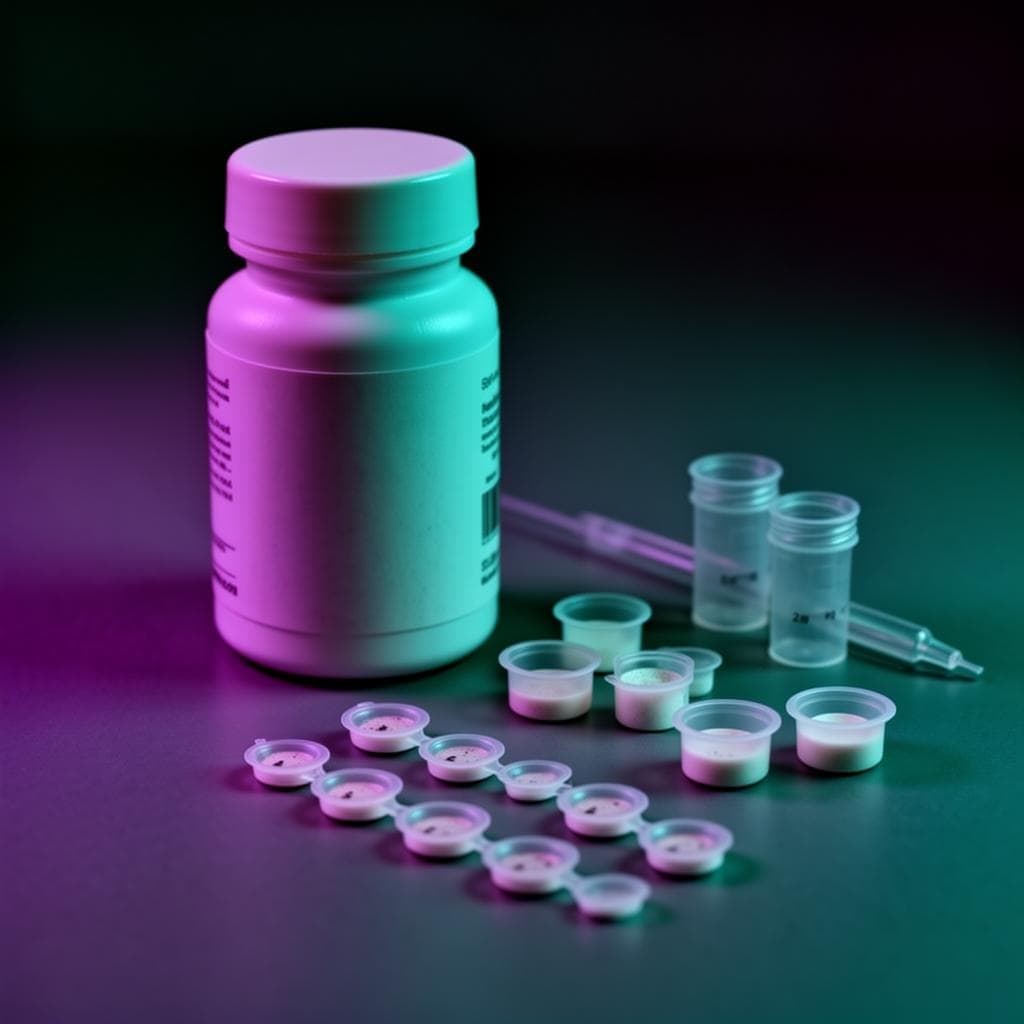
- High-Dose Sessions: This model is built around macrodosing. Patients consume a single, high dose (typically 25mg of psilocybin or more) with the goal of inducing a powerful psychedelic experience. The experience itself is considered the primary therapeutic mechanism.
- Therapeutic Guidance: Sessions are never undertaken alone. They involve extensive preparation with a trained therapist and are conducted in a controlled, clinical setting. The therapist guides the patient through the experience and helps them integrate the insights gained in subsequent sessions.
- Specific Indications: Research focuses on psilocybin as a treatment for diagnosed medical conditions. Clinical trials target specific disorders, such as Major Depressive Disorder (MDD), Post-Traumatic Stress Disorder (PTSD), and substance use disorders.
- High Cost and Low Accessibility: Due to the need for medical facilities, trained personnel, and regulatory approval, psychedelic-assisted therapy is expensive, often costing thousands of dollars per session. It is not a readily accessible option for the general public.
- Event-Based Dosing: The entire model is built around a small number of intense, transformative events. A full course of treatment may only involve two or three high-dose sessions over several months.
This economy is funded by venture capital, driven by pharmaceutical development, and aimed at eventual regulatory approval as a prescription medicine.
How Does the Wellness Model Differ?
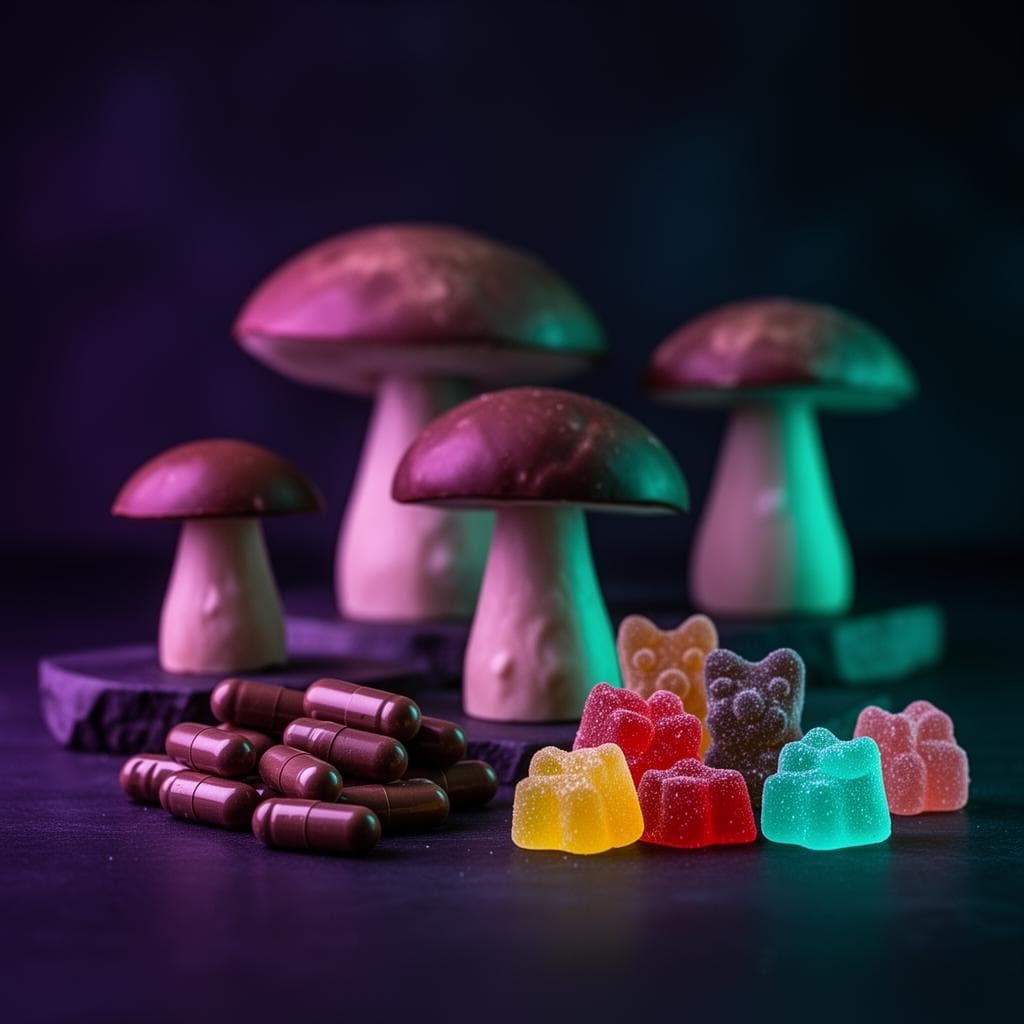
The wellness model is the mirror image of the clinical one. It is user-driven, largely unregulated, and focuses on integration into daily life rather than a singular therapeutic event. It's a world where precise, low-dose products are key. Many users prefer the convenience and consistency of edibles, which is why psilocybin capsules have become a mainstay of the wellness market.
- Low-Dose Regimens: The cornerstone of this model is the microdose—a sub-perceptual dose taken on a recurring schedule. The goal is not to have a psychedelic experience but to achieve subtle, positive shifts in mood, cognition, and emotional regulation over time.
- Self-Direction: Users, not clinicians, determine their own protocols. They decide on the dose, schedule, and intention for their use, often based on community knowledge and personal experimentation.
- General Enhancement: The goals are broad and not tied to a specific diagnosis. People microdose to manage mild anxiety, break creative blocks, increase empathy, or simply improve their overall sense of well-being.
- Low Cost and High Accessibility: Products are available through a grey market, making them significantly more affordable and accessible than clinical therapy. The supply chain is direct-to-consumer, bypassing the medical system entirely.
- Process-Based Dosing: This model treats psilocybin use as an ongoing process or routine, much like taking a daily supplement. The benefits are seen as cumulative, achieved through consistent, long-term use rather than a single session.
Why Do These Two Economies Rarely Overlap?
The clinical and wellness economies for psilocybin operate in separate spheres due to fundamental differences in their products, goals, and user bases. The clinical world relies on pharmaceutical-grade, often synthetic psilocybin to meet stringent regulatory standards for consistency and purity. In contrast, the wellness market is built almost exclusively on natural, whole mushrooms. This distinction is a core reason for the divide, as discussed in our post comparing whole mushrooms vs. synthetic psilocybin.
The regulatory pathways are also entirely different. The clinical economy navigates the complex, lengthy, and expensive process of drug approval through federal bodies like Health Canada or the FDA. The wellness economy operates outside of this system, relying on a network of growers and online retailers. Their legal frameworks and business models are incompatible.
The target user is another key point of divergence. The clinical user is a patient with a diagnosed condition seeking a specific therapeutic outcome under medical care. The wellness user is a consumer seeking personal growth, enhancement, or general well-being through self-directed means. While both seek a positive change, the context, cost, and method of use create two distinct, non-overlapping markets.
These parallel paths—one a high-stakes medical intervention, the other a widespread wellness practice—will likely continue to evolve independently, each serving a different but equally valid set of human needs.

ShroomDash Editorial Team
Published 2026-05-03 · 4 min read read · Guides