
The Danger of "Mushroom" Chocolate
Quick Summary
Many popular "mushroom chocolate" bars sold on the grey market do not contain psilocybin. They may contain other substances like Amanita muscaria or synthetic research chemicals, posing risks to consumers. Sourcing products from transparent producers who provide third-party lab testing is the only way to ensure safety, purity, and proper dosage.
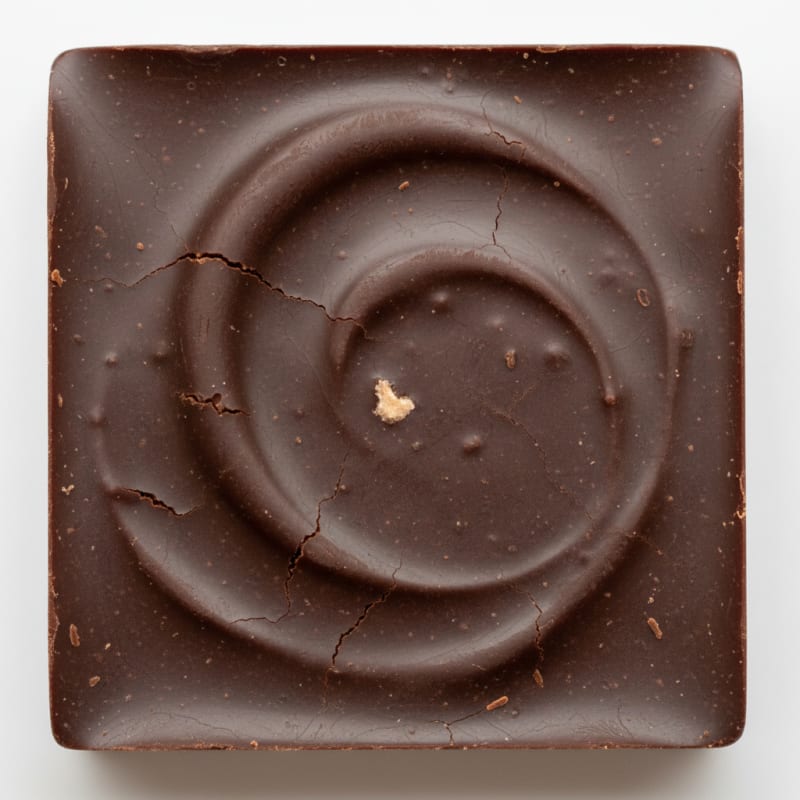


The market for psilocybin-infused edibles has grown rapidly, with chocolate bars being one of the most popular formats. They offer a convenient and palatable way to consume psilocybin, masking the earthy flavour of dried mushrooms that some find unpleasant. However, the convenience of these products in a legally grey market comes with significant hidden risks. A recent report from the CDC highlighted numerous cases of severe illness linked to "mushroom-containing chocolate products" sold in the U.S. These incidents underscore a critical issue: in an unregulated environment, there is no guarantee that what is advertised on the package is what is actually inside.
The ambiguity of terms like "mushroom chocolate" or "magic mushroom bar" on flashy packaging allows unscrupulous manufacturers to mislead consumers. These products may not contain psilocybin at all, or they may contain other, more dangerous substances. This lack of transparency poses a direct threat to consumer safety and undermines the potential for responsible psilocybin use.
What's Really in Unregulated Mushroom Edibles?
When a chocolate bar is vaguely labelled as containing "mushrooms," a host of substances could be responsible for its psychoactive effects. The contents often fall into one of several categories, each with different implications for safety and experience.
- Amanita muscaria: One of the most common substitutes is the *Amanita muscaria mushroom. Though visually iconic with its red cap and white spots, it does not contain psilocybin. Its primary active compounds are muscimol and ibotenic acid, which interact with GABA receptors in the brain, unlike psilocybin which primarily affects serotonin receptors. The experience is profoundly different, often described as sedative-hypnotic and dissociative, and can be accompanied by unpleasant side effects. Using it carries different risks, and it is not the substance most consumers are seeking when they purchase a "magic mushroom" product. For more details, see our post on the key differences between psilocybin and Amanita.
- Research Chemicals: To cut costs and bypass sourcing actual mushrooms, some producers use synthetic psychoactive compounds, known as research chemicals. The most common is 4-AcO-DMT, a synthetic prodrug of psilocin. While it produces an experience that is subjectively very similar to psilocybin, its long-term safety profile is not as well understood. Other, more obscure and potentially dangerous chemicals could also be used, turning consumers into unwitting test subjects.
- Incorrect or Inconsistent Dosing: Even if a product does contain genuine *Psilocybe cubensis mushrooms, an unregulated production process means there is no way to verify the dose. Potency can vary dramatically from one mushroom to another, and without proper homogenization and testing, one square of chocolate could contain a microdose while another contains a heroic dose. This inconsistency makes safe and predictable experiences impossible.
- No Active Ingredients: In some cases, these products are simply scams, containing no psychoactive ingredients whatsoever. While not physically dangerous, this erodes consumer trust and harms the credibility of the entire market.
Why Does Ingredient Transparency Matter?
Knowing exactly what is in a psilocybin product is fundamental to safety and achieving the desired outcome. The differences between psilocybin, muscimol, and synthetic chemicals are not trivial. Each has a unique mechanism of action, duration, and potential for adverse effects. Mixing them up is not just a matter of preference; it can lead to confusing, uncomfortable, or dangerous medical situations, as the CDC report illustrates.
Transparent labeling, backed by verifiable lab reports, is the only way to ensure you are consuming what you intend to consume. For example, a product like a Mindful Mend Psilocybin Chocolate Bar states clearly that it is made with a specific quantity of *P. cubensis mushrooms, allowing for predictable dosing. This stands in stark contrast to products that rely on hype and flashy packaging without disclosing their contents. Consumers interested in safe and reliable options can explore tested products in our chocolate edibles collection.
Accurate dosing allows for intentional use, whether that involves a structured microdosing regimen or a planned macrodose experience. Without it, a person could inadvertently take a high dose in a situation where it is unsafe to have their judgment impaired.
How Can Consumers Verify Product Safety?
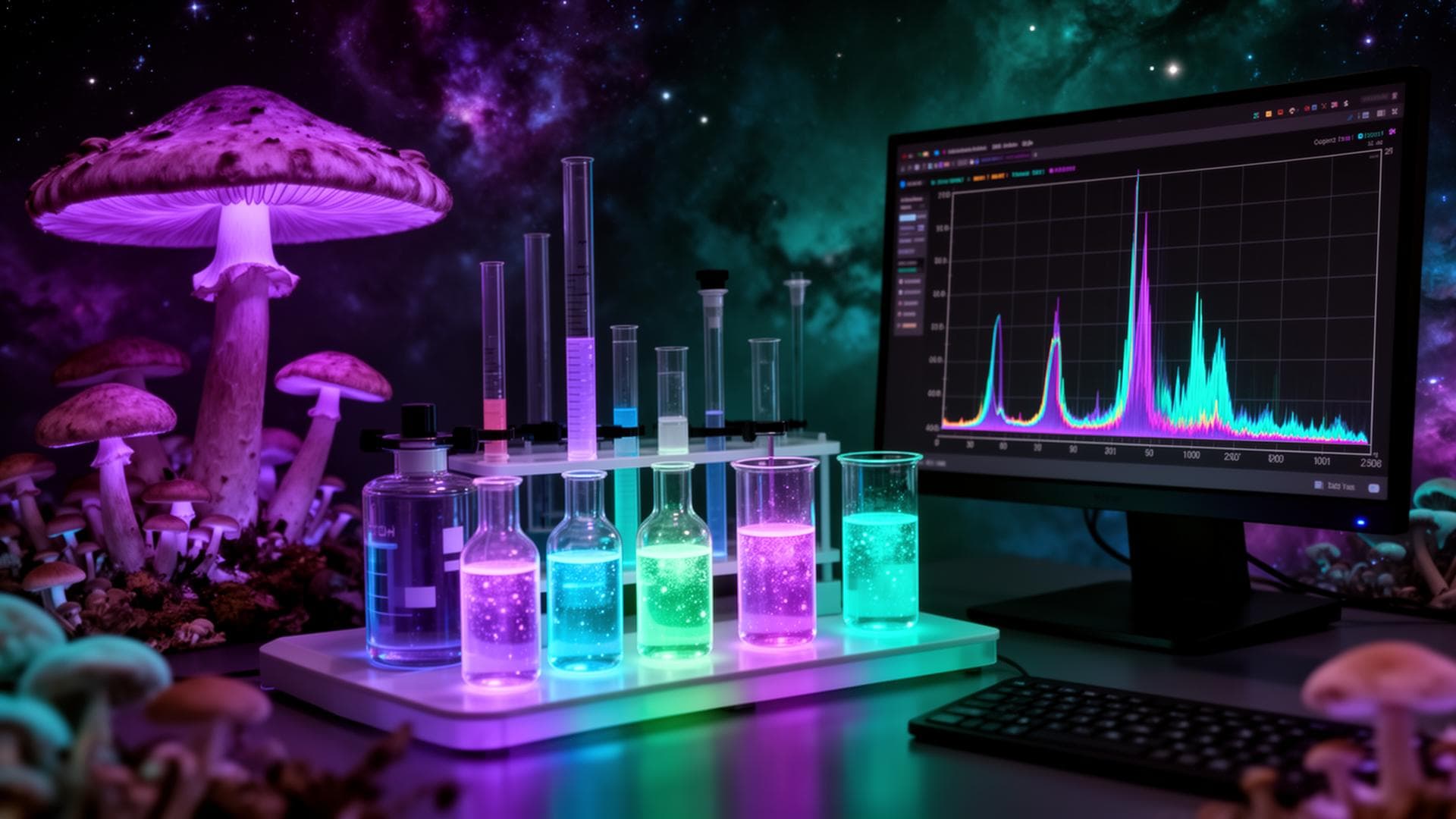
The most reliable tool for verifying the safety and contents of a psilocybin product is third-party lab testing. Reputable producers make these lab reports, often called Certificates of Analysis (COAs), readily available to their customers. These documents provide a detailed breakdown of the product's chemical composition.
When reviewing a COA, consumers should look for several key pieces of information:
- Cannabinoid & Terpene Profile: This section is for cannabis, and its presence on a psilocybin report is a red flag that the testing company doesn't specialize in mushrooms.
- Active Compound Analysis: The report should confirm the presence and quantity of psilocybin and psilocin. This verifies that the product is made from genuine psilocybin mushrooms and quantifies the dose.
- Contaminant Screening: A comprehensive COA will also show that the product has been tested for and is free of harmful contaminants like pesticides, heavy metals, and mycotoxins.
For those who prioritize precision above all else, products like SporeLumin Microdose Capsules offer a straightforward way to consume a verified, consistent dose of psilocybin without any added ingredients found in edibles. Exploring options in our capsules category provides a clear path to standardized dosing.
Ultimately, the growth of the psilocybin market has created a divide between transparent, safety-focused producers and those who exploit the lack of regulation. As consumer knowledge grows, the ability to distinguish between a professionally manufactured product and a mysterious, unregulated edible is becoming the most important skill for navigating the modern psychedelic landscape.

ShroomDash Editorial Team
Published 2026-04-11 · 4 min read read · Guides