Psilocybin Data: The Missing Half
Quick Summary
The public narrative around psilocybin is focused on high-dose clinical trials for treating severe conditions. However, this represents only a fraction of actual use, as data shows the vast majority of people use psilocybin in small, sub-perceptual microdoses for ongoing wellness and cognitive enhancement. This gap between research and reality skews public understanding and affects regulatory development.

The public conversation about psilocybin is shaped almost entirely by clinical research. Media headlines and scientific journals focus on high-dose, therapist-guided sessions designed to treat severe conditions like major depression and post-traumatic stress disorder. This research, conducted by institutions like Johns Hopkins, is vital and groundbreaking. It has reopened the door to psychedelic science. However, it represents only one side of the story.
Recent data reveals a second, parallel narrative that is largely absent from mainstream discussion: the widespread practice of microdosing. While clinical trials focus on large, infrequent "reset" experiences, the vast majority of psilocybin use is actually sub-perceptual, integrated into daily or weekly routines for general wellness and performance enhancement. This creates a significant gap between the scientific literature and how psilocybin is used in the real world. The data from clinical trials is not wrong, but it is incomplete, showing only half of a much larger picture.
Why Does Clinical Research Focus on High Doses?
The current model for psilocybin research is built on a specific therapeutic framework. The goal is to induce a powerful, often described as "mystical," experience that can catalyze profound psychological shifts in a short period. This approach is rooted in the "psycholytic" or "psychedelic-assisted therapy" model, where the substance acts as a catalyst within a structured therapeutic container.
There are several key reasons for this focus:
- Treatment of Severe Conditions: The primary targets for this research are treatment-resistant conditions like major depressive disorder (MDD), post-traumatic stress disorder (PTSD), and end-of-life anxiety. The working hypothesis is that a powerful, consciousness-altering experience can disrupt rigid, negative thought patterns and allow for deep emotional processing that is difficult to achieve through conventional therapy alone.
- Measurable Outcomes: A high-dose session produces distinct and powerful effects that can be more easily quantified and correlated with therapeutic outcomes. Researchers can measure the intensity of the subjective experience and link it to long-term changes in depression scores or anxiety levels. Microdosing, with its subtle, sub-perceptual effects, presents significant challenges for measurement and control in a clinical setting.
- Regulatory Pathway: To gain approval from health authorities, researchers must demonstrate a clear, potent, and replicable effect. High-dose therapy, with its dramatic results in some patients, provides a more straightforward path for regulatory bodies accustomed to the pharmaceutical model of a powerful intervention for a specific diagnosis. It frames psilocybin as a potent medicine, not a wellness supplement.
This model is designed to create a "neurobiological reset." It is intensive, requires significant clinical oversight, and is intended to be an infrequent event, not a continuous regimen.
What Does Real-World Psilocybin Use Actually Look Like?
Away from the controlled environment of the lab, a different story emerges. Data on purchasing behavior and self-reported use indicates that microdosing is not a niche practice but the dominant form of psilocybin consumption. Millions of individuals incorporate very small, sub-perceptual amounts of psilocybin into their lives, not for a single, transformative trip, but for ongoing benefits.
This wellness-oriented use is characterized by:
- Routine, Not Ritual: Unlike a high-dose session, which is a significant, planned event, microdosing is a routine. Users often follow specific protocols, such as taking a dose every few days. The goal is not a dramatic experience but a subtle, cumulative effect on mood, focus, and creativity. For those new to the concept, understanding the various approaches is key; you can learn more by reading about common microdosing schedules explained.
- Enhancement, Not Treatment: The motivation is often enhancement rather than treating a diagnosed illness. Users report benefits like increased productivity, improved creative problem-solving, better mood regulation, and a greater sense of well-being. It is viewed more like a cognitive or emotional supplement than a potent medicine for a severe disorder.
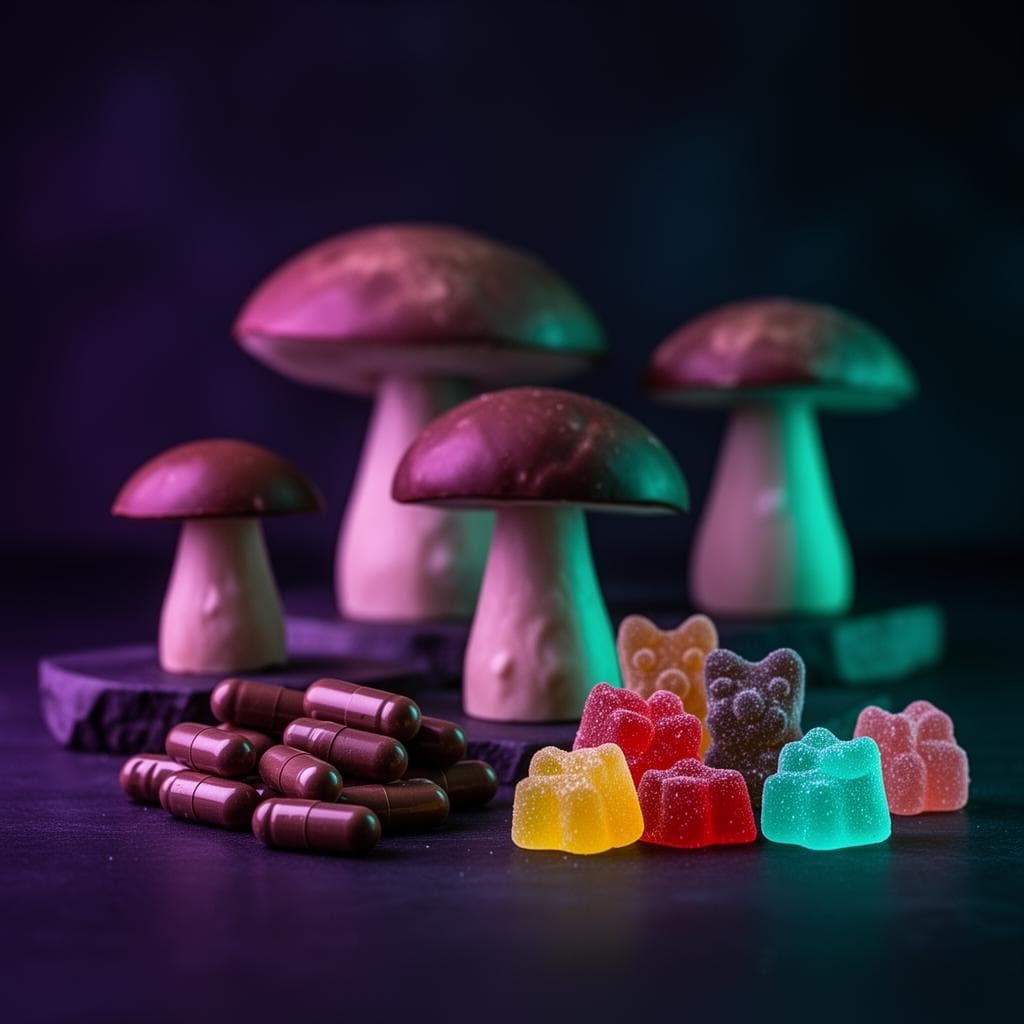
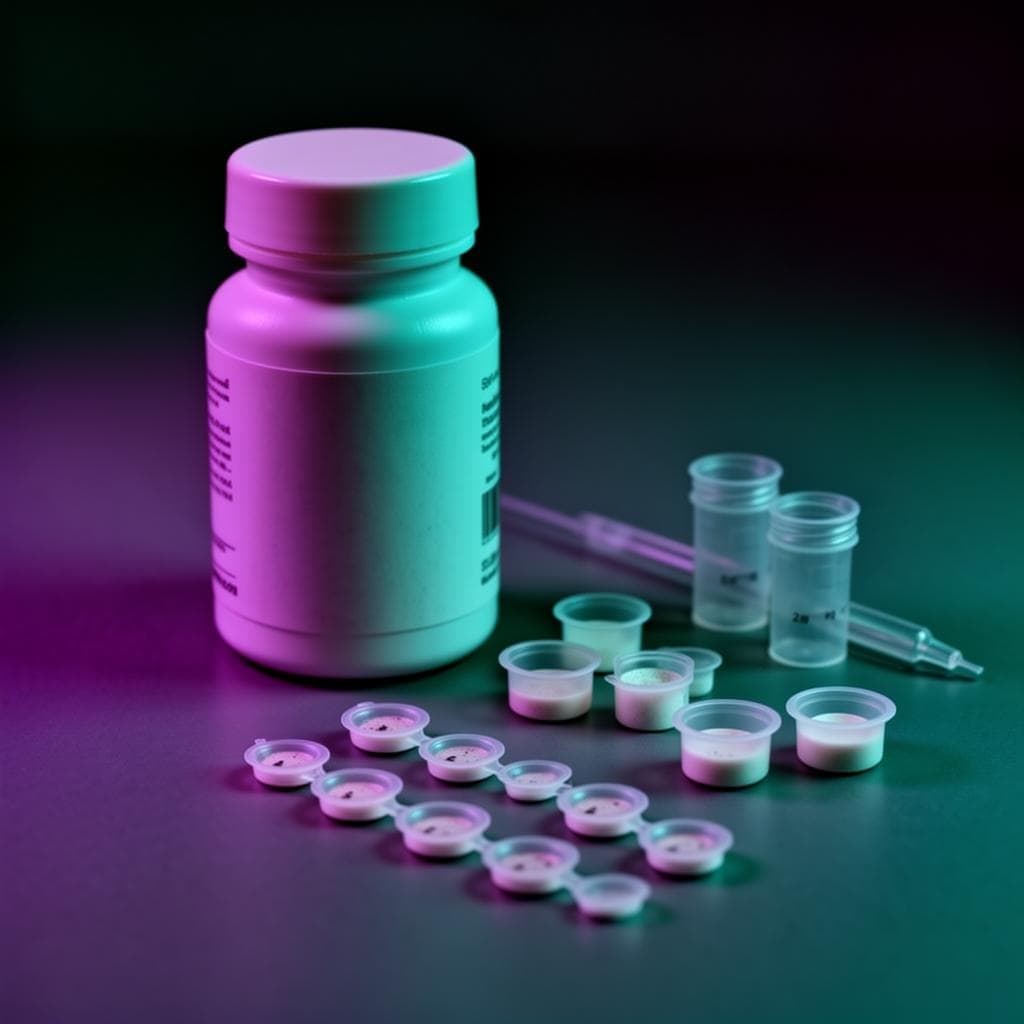
- Precise, Low Doses: This model relies on products that offer consistent and precise dosing, allowing for a reliable, sub-perceptual effect. This is why formats like psilocybin capsules are particularly well-suited for microdosing regimens. The intention is to feel functional and clear-headed, not intoxicated. Our Microdose Capsules (100mg) are formulated for this exact purpose, providing a consistent and reliable dose of *Psilocybe cubensis in a convenient format.
This user base is not seeking a mystical experience or a psychological reset. They are engaged in a long-term practice of subtle modulation, using psilocybin to optimize their daily experience.
How Does This Data Gap Affect Public Understanding?
The almost exclusive focus on high-dose therapy in media and research creates a skewed public perception of psilocybin. It reinforces the idea that psilocybin is solely a powerful, reality-bending drug used for treating deep trauma. While true, this narrative completely overlooks the far more common, subtle, and routine use case.
This gap has several important consequences. First, it creates a disconnect between the lived experience of most users and the scientific conversation. The questions and concerns of a daily microdoser—about tolerance, long-term effects, and optimal schedules—are not being addressed by a research paradigm focused on single high-dose sessions.
Second, it impacts the development of sensible regulation. Policies and legal frameworks built only around the high-dose medical model may fail to account for the needs and safety of the much larger wellness community. It risks creating a system where psilocybin is only accessible through a complex and expensive clinical pathway, ignoring the millions who use it safely and effectively as a personal wellness tool. The data shows two distinct worlds of psilocybin use, but the public conversation and regulatory planning are almost entirely focused on one.
The reality of psilocybin use is a spectrum, from the occasional high-dose therapeutic session to the routine, sub-perceptual microdose. Acknowledging this full spectrum is essential for balanced research, informed public discourse, and effective regulation. The missing half of the data is not just a statistical footnote; it represents the most common way people are engaging with psilocybin today.

ShroomDash Editorial Team
Published 2026-04-29 · 4 min read read · Guides