
Whole Mushrooms vs. Synthetic Psilocybin
Quick Summary
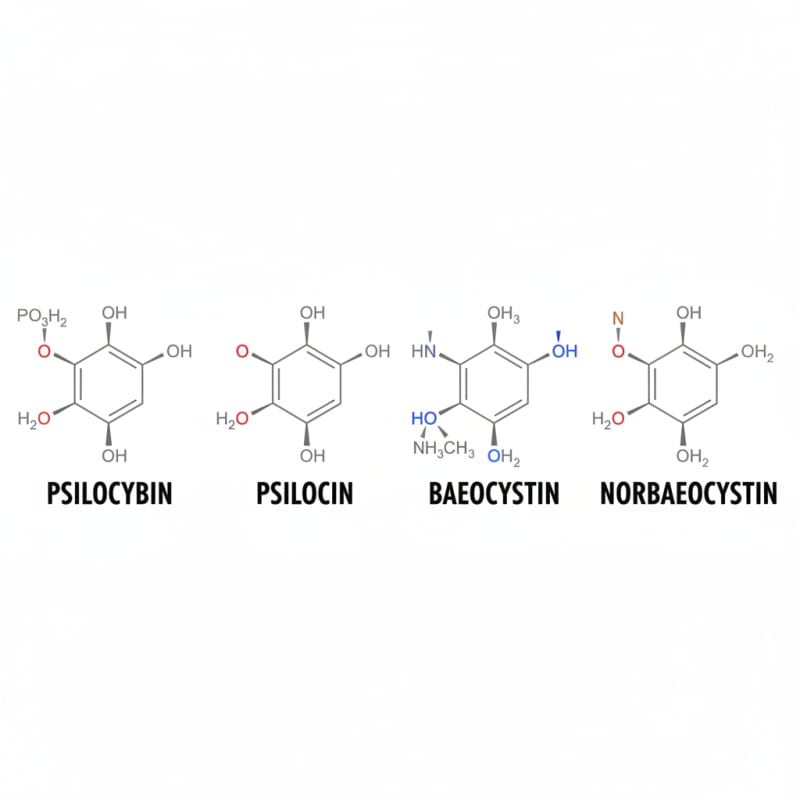
Synthetic psilocybin is a single, pure molecule used in clinical research for consistency. Whole psilocybin mushrooms contain other alkaloids like psilocin, baeocystin, and norbaeocystin, which may work together in an "entourage effect" to create a more nuanced experience distinct from the pure compound.


When discussing psilocybin, it is important to distinguish between two distinct forms: the pure, synthetic molecule used in controlled clinical settings, and the whole, unprocessed mushroom that contains a complex array of chemical compounds. While clinical trials rely on synthetic psilocybin for its consistency and purity, most individuals engaging with psilocybin for wellness or personal growth do so by consuming the mushroom itself. This distinction is not merely academic; the presence of other alkaloids in the mushroom may significantly alter the resulting experience through a phenomenon known as the "entourage effect."
What Is Synthetic Psilocybin?
Synthetic psilocybin is the 4-phosphoryloxy-N,N-dimethyltryptamine (4-PO-DMT) molecule created in a laboratory. It is chemically identical to the psilocybin found in mushrooms but is isolated from any other biological material. For researchers, this purity is paramount. Clinical trials must control as many variables as possible to produce reliable, reproducible data. By using a precise, known quantity of a single active compound, scientists can more accurately attribute observed effects to the molecule itself.
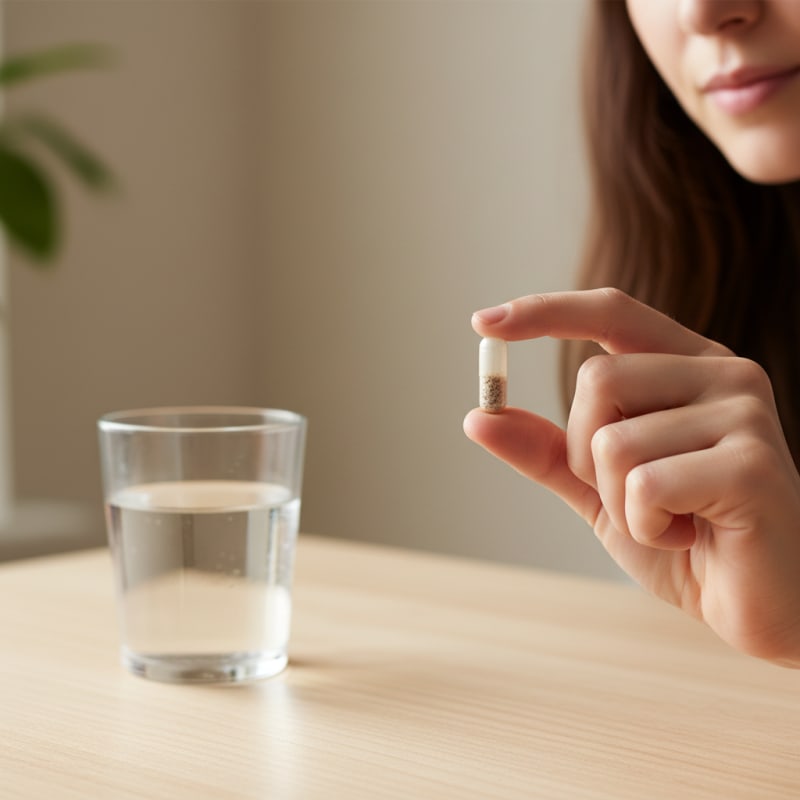
This crystalline powder is typically dissolved or placed in a capsule for administration to study participants. The entire process, from synthesis to dosing, is governed by strict manufacturing and clinical protocols. The result is a highly predictable dose of a single alkaloid, which is essential for understanding its fundamental effects on the human brain and its therapeutic potential for conditions like depression, anxiety, and addiction.
What Else Is In a Psilocybin Mushroom?
Unlike its synthetic counterpart, a dried *Psilocybe mushroom is a complex biological package. It contains dozens of compounds, and while psilocybin is the most famous, it is far from the only one. The combination of these alkaloids and other molecules makes up the mushroom's unique chemical profile. This is where the concept of the entourage effect comes into play—the theory that these compounds work synergistically to produce effects that are distinct from psilocybin alone.
Key compounds found alongside psilocybin include:
- Psilocin: Psilocybin is actually a prodrug for psilocin. After ingestion, the body dephosphorylates psilocybin into psilocin (4-HO-DMT), which is the primary compound responsible for the mushroom's psychoactive effects. As discussed in our post on psilocybin vs psilocin, whole mushrooms contain variable amounts of both compounds, which can affect the onset and nature of the experience.
- Baeocystin and Norbaeocystin: These are structural analogs of psilocybin. Discovered in the 1960s, their specific pharmacology is still not fully understood. Some anecdotal reports and early studies suggest they may have their own subtle psychoactive properties or, more likely, act as modulators of the overall experience. Their presence could contribute to the qualitative differences reported between experiences with different mushroom species or even different batches of the same species.
- Aeruginascin: Found in species like Inocybe aeruginascens, this compound is a quaternary ammonium analog of psilocin. Emerging research suggests it might be associated with a reduced likelihood of experiencing dysphoria or anxiety during a psychedelic experience. While not present in all Psilocybe species, its existence highlights the chemical diversity within psychedelic fungi.
- Beta-carbolines: Some mushroom species have been found to contain small amounts of beta-carbolines such as harmine and harmane. These compounds are mild monoamine oxidase inhibitors (MAOIs). In theory, their presence could slightly inhibit the breakdown of neurotransmitters like serotonin and tryptamines like psilocin, potentially prolonging or intensifying the psychedelic effects.
How Do These Compounds Change the Experience?
The core idea of the entourage effect is that the sum is greater than its parts. While synthetic psilocybin provides a "clean" and direct psychoactive effect, the presence of other alkaloids in whole mushrooms may create a more nuanced, full-spectrum experience. Users often describe the effects of whole mushrooms as more "grounded," "organic," or "holistic" compared to the sometimes-stark intensity of pure tryptamines.
This concept is not unique to mushrooms. In the world of cannabis, it's widely accepted that the combination of cannabinoids (like THC and CBD) and terpenes (aromatic compounds) creates distinct effects. A strain's profile is defined by this chemical synergy, not just its THC content. Similarly, the unique cocktail of alkaloids in a psilocybin mushroom likely contributes to its specific character.
For many, products made from whole, ground mushrooms are preferable because they deliver this complete chemical profile. Our mushroom capsules, for instance, are made using the entire fruiting body to ensure the natural spectrum of compounds is preserved. This approach respects the natural complexity of the organism.
Product Spotlight: Golden Teacher Capsules For those seeking a classic, balanced experience rooted in the whole mushroom, our Golden Teacher Capsules are an excellent reference point. Made from ground *Psilocybe cubensis, each capsule contains the full spectrum of alkaloids native to the mushroom, not just isolated psilocybin. This ensures an authentic experience true to the strain's reputation.
The difference may not just be subjective. The way these minor alkaloids interact with serotonin receptors or modulate the metabolic breakdown of psilocin could have tangible, if subtle, effects on the duration, quality, and after-effects of the experience. Research into these compounds is still in its infancy, and much of the evidence remains anecdotal, but it points toward a rich field for future discovery. The ongoing investigation into these molecules will likely reveal more about the intricate pharmacology of psilocybin mushrooms.

ShroomDash Editorial Team
Published 2026-04-04 · 4 min read read · Lab Science