
Psilocybin for Addiction: High-Dose vs. Microdose
Quick Summary
Clinical studies for addiction use single, high doses of psilocybin in a therapeutic setting to create a profound, perspective-shifting experience. In contrast, real-world use often involves microdosing, which relies on the subtle, cumulative effects of sub-perceptual doses to increase mindfulness and disrupt habitual thought patterns. While the clinical model is more easily studied, the widespread practice of microdosing represents a parallel, wellness-focused approach to habit change.


The potential of psilocybin to treat complex conditions like addiction is a major focus of modern psychedelic science. High-profile studies have shown remarkable success in using psilocybin-assisted therapy to help individuals quit smoking and reduce alcohol dependence. These clinical interventions, however, look very different from how psilocybin is often used in the real world for goals related to habit change.
The dominant form of psilocybin use today is microdosing—taking a small, sub-perceptual amount on a recurring basis. As research into high-dose therapy accelerates, a gap emerges between the clinical model and the wellness trend. This raises a key question: how do these two approaches—a single, high-dose session versus a long-term microdosing protocol—differ when applied to addiction and habit formation?
What Does Clinical Research for Addiction Involve?
When headlines report that psilocybin is effective for treating addiction, they are almost always referring to a specific, highly structured therapeutic model. This approach is far more than just administering a substance; it's a comprehensive protocol designed to maximize the potential for a transformative psychological experience within a safe and controlled environment.
Key components of the clinical model include:
- High Doses: Participants are given a single, substantial dose of psilocybin, typically ranging from 20mg to 30mg, which is enough to induce a powerful psychoactive experience lasting several hours. The goal is not subtle change but a profound "mystical" or "peak" experience that can reframe a person's perspective on their life and addictive behaviors.
- Therapeutic Support: The experience takes place in a comfortable, controlled setting, often resembling a living room rather than a sterile clinic. Participants are guided by one or two trained therapists who provide support but do not direct the experience. The therapists are there to ensure safety and help the individual navigate challenging moments.
- Preparation and Integration: Clinical trials do not begin with the dosing session. They involve several hours of preparatory therapy where participants build rapport with their guides, discuss their intentions, and understand what the experience might entail. Following the session, multiple integration sessions help the participant make sense of their experience and translate insights into tangible changes in their daily life.
This model leverages psilocybin's ability to create a window of enhanced neuroplasticity and emotional openness. The profound experience can disrupt rigid thought patterns and emotional loops that underpin addiction, while the therapeutic support helps build new, healthier patterns in their place. This is not about "self-medicating" but about using a powerful tool within a structured, professionally guided process. Our article on why psilocybin research focuses on high doses explores this model in further detail.
How Might Microdosing Be Used for Habit Change?
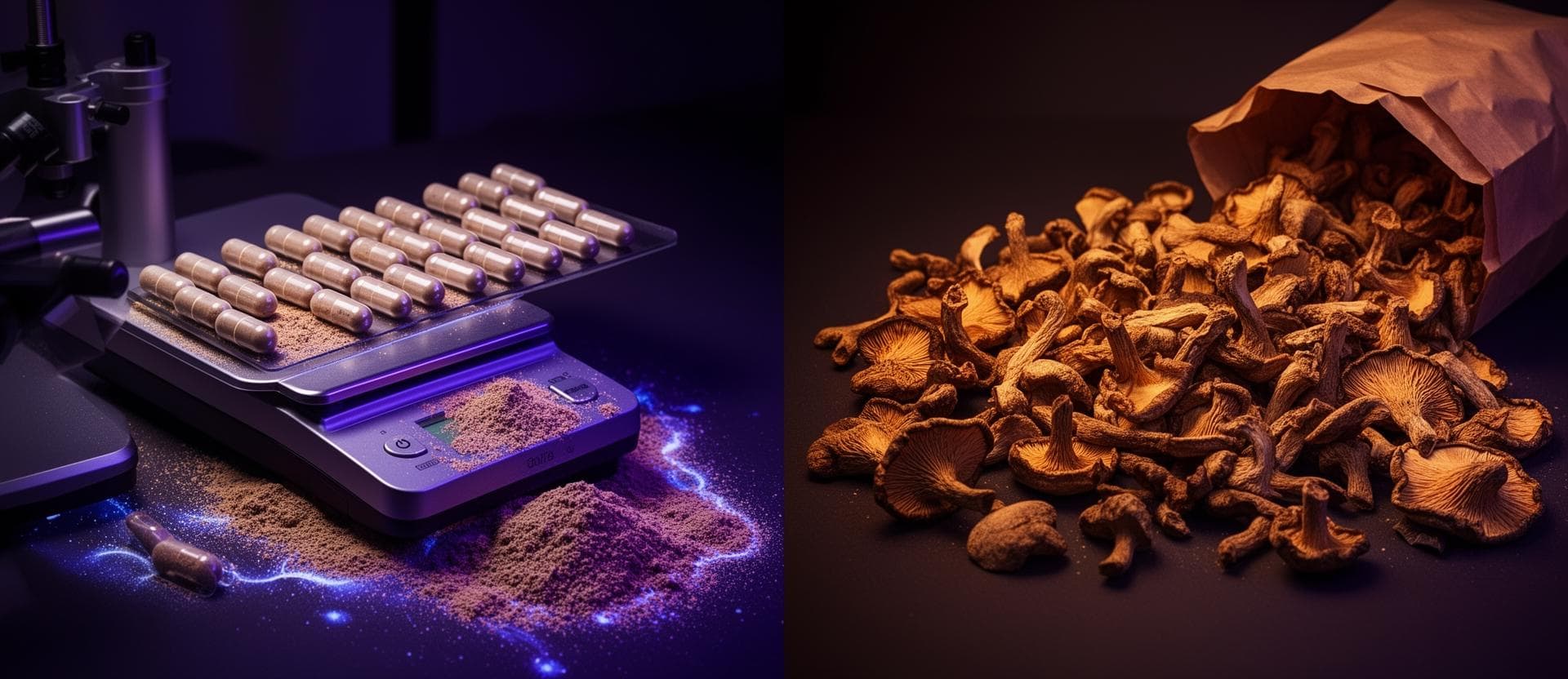
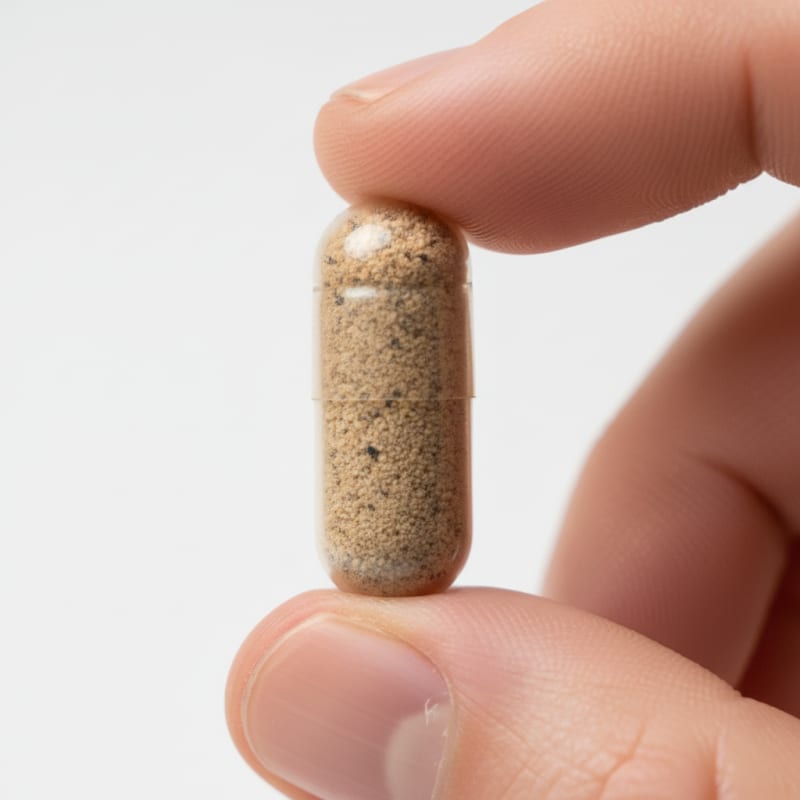
In contrast to the single, high-impact clinical session, microdosing operates on a completely different principle. This approach involves taking a very small dose of psilocybin—typically 5% to 10% of a full psychoactive dose—on a regular schedule. The aim is sub-perceptual, meaning it should not produce any noticeable psychedelic effects like visuals or an altered sense of reality.
Instead of a single breakthrough, the theory behind microdosing for habit change is based on subtle, cumulative effects over time. Users often adopt specific schedules, such as the Stamets Stack or the Fadiman Protocol, to structure their intake. Interested readers can learn more in our complete microdosing schedule guide. For those seeking a consistent and precisely measured amount, products like our Clarity Microdose Gummies are designed to provide a reliable dose for structured protocols.
While rigorous clinical data is sparse, anecdotal reports from millions of users suggest that microdosing may support habit change through several mechanisms:
- Increased Mindfulness: Many users report being more present and aware of their thoughts and emotional states. This heightened self-awareness can make it easier to recognize addictive triggers and break automated, unhealthy routines.
- Improved Mood and Reduced Anxiety: A more stable and positive emotional baseline can reduce the impulse to use a substance as a coping mechanism for stress, anxiety, or depression.
- Enhanced Cognitive Flexibility: Psilocybin is believed to increase neuroplasticity. At a micro-level, this might help "unstick" the rigid cognitive loops associated with addiction, making it easier to adopt new perspectives and behaviors.
- Greater Motivation: Some users report increased energy and motivation, which can be applied to building new, healthy habits like exercise, journaling, or meditation that can replace the old addictive ones.
The microdosing approach is a self-directed wellness practice, not a medical treatment. It empowers the individual to become an active observer of their own internal processes, using the subtle effects of psilocybin as a catalyst for gradual change.
Why Is One Studied and the Other Practiced?
The divergence between the clinical research focus and real-world user trends is stark. While studies on high-dose therapy for addiction produce compelling, headline-grabbing results, microdosing remains largely in the realm of anecdotal evidence and survey data. There are several practical reasons for this research gap.
First, clinical trials are designed to produce clear, measurable outcomes. A single, high-dose intervention is easier to study than a long-term, low-dose regimen. The effects are acute, powerful, and produce a strong signal that can be reliably measured against a placebo. It is much harder to design a trial that can isolate the subtle, long-term effects of microdosing from placebo effects or other lifestyle variables.
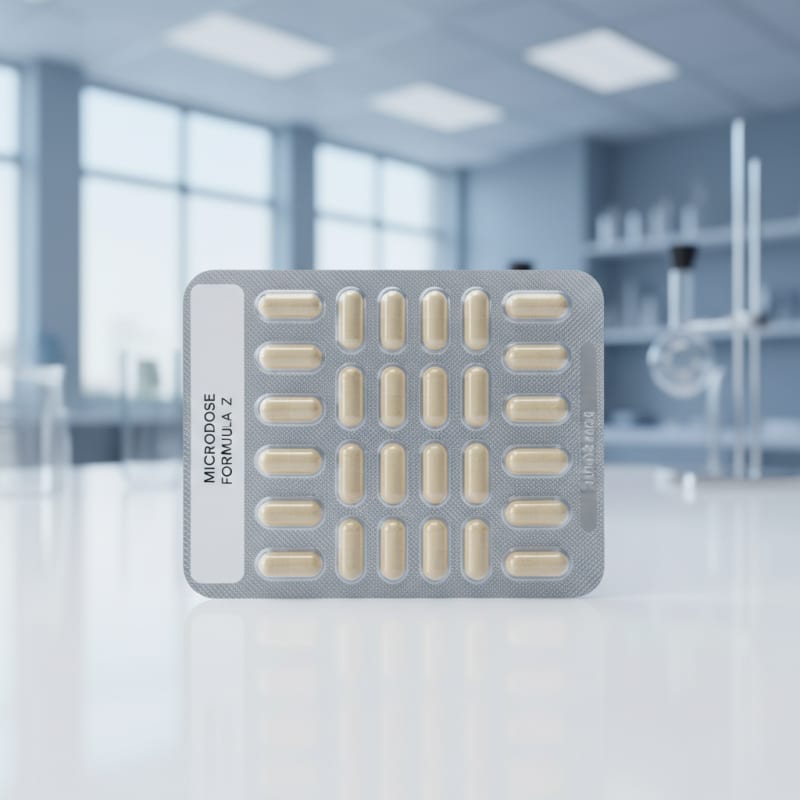
Second, the "drug-plus-therapy" model fits more neatly into existing regulatory and medical frameworks. It positions psilocybin as a powerful medicine to be administered under professional supervision. Microdosing, as a self-directed wellness practice, is more difficult to medicalize and monetize in a way that would attract funding for large-scale, expensive clinical trials. For many users exploring this path, consistency is key, which is why precisely measured products like Microdose Capsules (Focus), available in our capsules shop, are a common choice.
This does not mean microdosing is ineffective; it simply means the scientific community has not yet found a reliable and efficient way to study it. The millions of people who microdose constitute a massive, real-world experiment that runs parallel to the formal clinical track.
The ongoing research into high-dose psilocybin therapy provides a formal pathway for using these compounds to overcome serious conditions like addiction. At the same time, the widespread practice of microdosing for habit formation highlights a different, more accessible approach focused on gradual self-improvement and wellness.

ShroomDash Editorial Team
Published 2026-03-10 · 5 min read read · Dosing