
Microdosing: Real-World Use vs. Research
Quick Summary
Data shows that microdosing is the most common way people use psilocybin, focusing on wellness and enhancement. This contrasts sharply with clinical research, which primarily studies high, therapeutic doses for treating specific medical conditions. This creates a significant gap in understanding the effects and protocols of the most popular form of psilocybin use.


Recent data has put hard numbers to a phenomenon many have observed for years: microdosing is the dominant form of psilocybin use. A 2024 report analyzing psilocybin consumption patterns revealed that of the millions of North American adults who used psilocybin in the past year, roughly two-thirds had microdosed. In fact, nearly half of all the days people spent using psilocybin involved a sub-perceptual dose. This paints a clear picture of how psilocybin is being used in the real world. It's not primarily for intense, transformative journeys, but for subtle, ongoing wellness support. Yet, this reality stands in stark contrast to the landscape of clinical research, which overwhelmingly focuses on high-dose, therapist-assisted sessions.
This divergence creates a significant knowledge gap. The primary method of psilocybin consumption by the general public remains the least studied. Understanding this disconnect is key to appreciating the two parallel worlds of psilocybin that exist today: the clinical and the wellness-oriented.
Why Does Clinical Research Prioritize High Doses?
The focus of formal psilocybin research is shaped by the objectives of the medical and regulatory systems. The goal is to develop targeted treatments for specific, diagnosable health conditions that can pass the rigorous, multi-phase approval process of bodies like the FDA and Health Canada.
Key drivers for the high-dose focus include:
- Clear Endpoints: Clinical trials require measurable outcomes. A high-dose session produces acute, powerful psychological experiences that can be directly correlated with therapeutic outcomes, such as a rapid and significant reduction in symptoms of major depressive disorder. The effects are profound and easier to quantify in a short-term study.
- The Medical Model: Research is funded to find potent interventions for serious illnesses like PTSD, end-of-life anxiety, and treatment-resistant depression. High-dose psilocybin, which can occasion mystical-type experiences, is seen as a powerful tool capable of creating lasting change in these contexts. You can read more about how this model contrasts with real-world use in our post on the two paths of psilocybin use.
- Logistical Feasibility: It is more practical and cost-effective to study a single, high-impact session than it is to design a long-term study monitoring the subtle effects of microdosing over months or years. A trial for a high-dose session might involve just two or three dosing days, whereas a microdosing trial would require a much more complex and extended protocol.
This research is vital and has been instrumental in changing the perception of psilocybin from a recreational drug to a promising therapeutic agent. However, its strict, medically-oriented framework does not capture the full scope of how people use and benefit from psilocybin.
How Is Psilocybin Used in the Real World?
The data shows that most people are not waiting for a clinical diagnosis to explore psilocybin. They are using it in small, repeated doses to enhance their daily lives. This wellness model is not about treating a disorder but about improving overall quality of life, boosting creativity, and managing subtle mood fluctuations. The motivations are different, and so are the methods.
Real-world use is characterized by:
- Sub-perceptual Doses: The goal is not to "trip" but to achieve subtle effects that do not interfere with daily functioning. A typical microdose is between 50mg and 150mg of dried mushroom, a quantity that should not produce noticeable psychedelic effects. You can find a more detailed breakdown in our data-driven look at what constitutes a microdose.
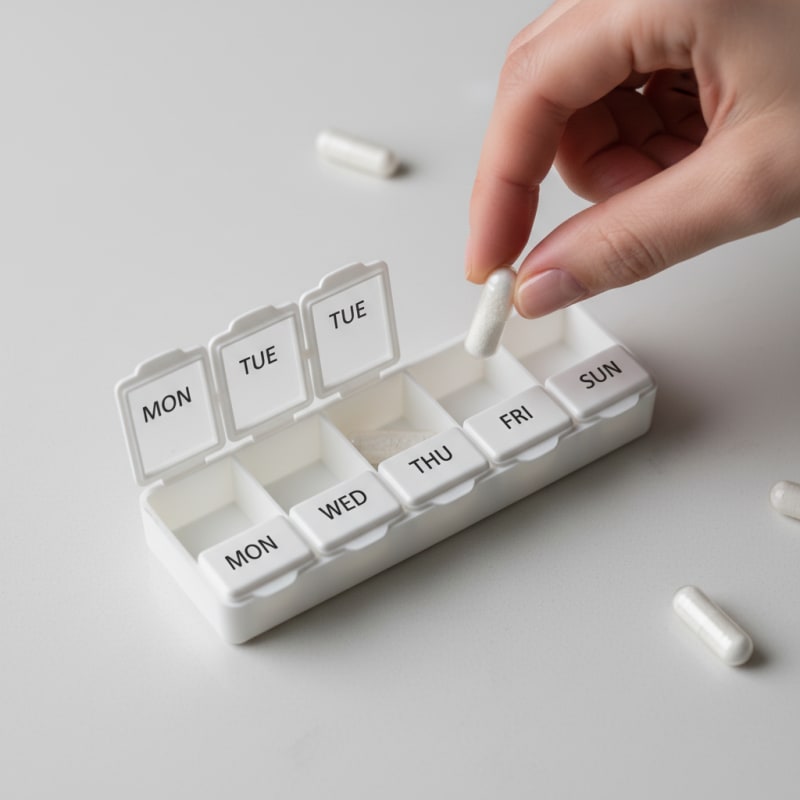
- Precise and Convenient Formats: The need for accurate, low doses has driven the popularity of specific product formats. ShroomDash Golden Teacher Capsules, for example, provide a precisely measured 125mg dose, eliminating the guesswork and variability of using raw mushrooms. This allows for consistent and predictable use, which is essential for a regular microdosing regimen.
- Regular Schedules: Microdosing involves protocols, such as the Fadiman protocol (one day on, two days off) or the Stamets Stack. This structured, long-term approach is fundamentally different from the one or two high-dose sessions in a clinical trial.
What Nuances Does the Research Overlook?
By focusing almost exclusively on high-dose interventions for specific disorders, the clinical research lens misses the subtleties of mainstream wellness use. It overlooks the reasons that have made microdosing the most common application of psilocybin.
Important aspects not captured in current research include:
- The "Enhancement" Model: People microdosing are often healthy individuals seeking to optimize their lives. They report benefits like increased focus, improved mood, and enhanced creativity. These outcomes fall outside the scope of disease treatment and are therefore not typically studied.
- Long-Term, Low-Dose Effects: The cumulative impact of taking small amounts of psilocybin over extended periods is a significant unknown. Clinical trials are not yet designed to measure these subtle, long-term shifts in cognition, mood, and behaviour.
- The Entourage Effect: Most research uses synthetic, single-molecule psilocybin. In contrast, real-world users consume whole mushrooms, which contain other potentially active compounds like psilocin, baeocystin, and norbaeocystin. This "entourage effect," where multiple compounds work together, is completely absent from studies using isolated psilocybin.
The current body of clinical research is foundational, but it only illuminates one part of the psilocybin landscape. The data on real-world consumption shows a clear demand for understanding the effects and potential of low-dose, long-term use. As the conversation evolves, the scientific community may begin to explore the questions that millions of users are already answering for themselves.

ShroomDash Editorial Team
Published 2026-04-10 · 4 min read read · Dosing