Measuring Psilocybin: Trips vs. Use Days
Quick Summary
The common perception of psilocybin use focuses on high-dose 'trips,' but this overlooks a larger trend. New data suggests that counting 'use days' is a better metric, revealing that nearly half of all psilocybin consumption comes from low-dose microdosing, making it a primary, high-volume practice rather than a niche activity.
The public conversation about psilocybin is often dominated by a single image: the high-dose, consciousness-altering "trip." Clinical research, media reports, and personal anecdotes frequently focus on these profound, infrequent events. This narrative, while important, overlooks a much larger and more common pattern of use. Data now suggests that the true scale of psilocybin consumption isn't best measured by counting transformative trips, but by counting the total number of "use days."
This shift in perspective from event to frequency reveals that microdosing—the practice of taking sub-perceptual doses—is not a fringe activity but a primary driver of psilocybin consumption volume. While a high-dose session is a significant event, a microdosing regimen is a consistent practice, accumulating a substantial number of use days over time. Understanding this distinction is key to accurately portraying how psilocybin is being integrated into modern life.
What qualifies as a "psilocybin use day"?
A "psilocybin use day" is any 24-hour period in which an individual consumes psilocybin, regardless of the quantity. This metric treats a 5-gram macrodose and a 100-milligram microdose as single, equivalent units of frequency. While they are vastly different experiences in terms of intensity and intent, each constitutes one day of use. This framework allows for a more comprehensive understanding of consumption patterns.
Recent research highlights the importance of this metric. A 2026 RAND study on psychedelic use in the United States provided a startling figure: of the more than 200 million days of psilocybin use reported in the previous year, nearly half involved microdosing. This single statistic reframes the entire landscape. It suggests that for every person undertaking a high-dose journey, there are many others engaging in a regular, low-dose regimen, contributing significantly to the total volume of consumption.
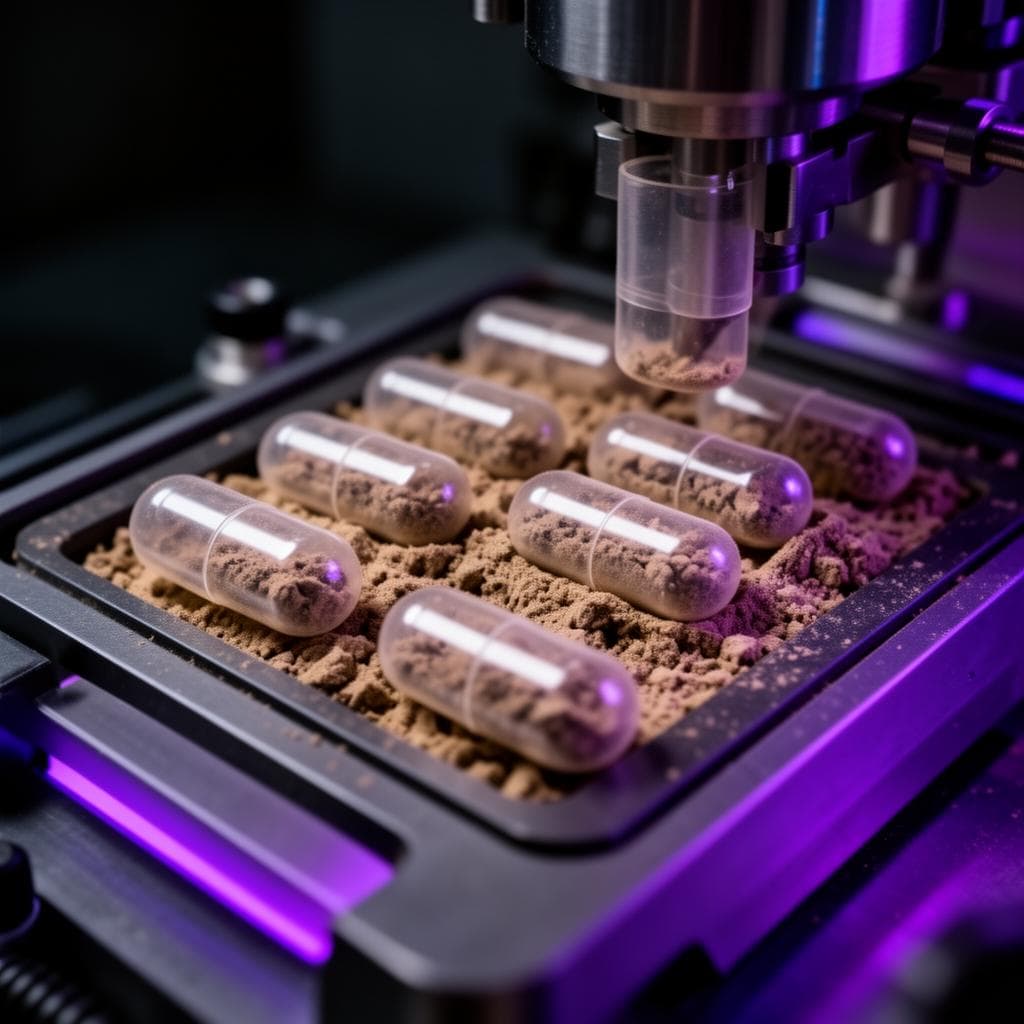
This routine-based use is often managed with precisely measured products. For those maintaining a consistent schedule, knowing the exact potency of each dose is critical. This has led to the popularity of products like our Neuro Blend Microdose Capsules, which provide a reliable 100mg dose of *Psilocybe cubensis designed for structured protocols. The goal of these use days is not a psychedelic experience, but subtle shifts in mood, focus, or creativity.
Why does the research narrative focus on high-dose trips?
The disconnect between public perception and actual use patterns is largely due to the necessary methodologies of clinical research. Institutions like the Johns Hopkins Center for Psychedelic and Consciousness Research conduct studies designed to measure the efficacy of psilocybin for specific, severe conditions such as major depression, addiction, and end-of-life anxiety.
In this context, a high-dose, therapeutically guided session is the most logical approach for several reasons:
- Measurable Outcomes: A high-dose trip creates a powerful, acute experience whose effects can be measured and compared against a placebo over the following weeks and months. The dramatic nature of the event provides a clear "before and after."
- Controlled Environment: Clinical trials require a highly controlled "set and setting" to ensure participant safety and data integrity. A single, monitored session is more feasible to manage than a long-term, at-home microdosing regimen.
- Therapeutic Potential: The mystical-type experiences often occasioned by high doses are believed to be a key mechanism for their therapeutic benefits, allowing patients to gain new perspectives on their conditions.
This research is vital and has been instrumental in changing laws and perceptions around psilocybin. However, its focus on high-dose events inadvertently skews the public narrative, creating a blind spot for the more common, low-dose applications people are exploring on their own. This is a clear example of the difference between psilocybin's two stories: clinical vs. real-world use.
How does this metric change our understanding?
Adopting the "use day" metric fundamentally changes the psilocybin story from one of rare, powerful events to one of widespread, regular practice. It shows that for a large segment of users, psilocybin is being approached more like a daily supplement than a once-in-a-lifetime experience. This has significant implications for product development, harm reduction, and policy.
When nearly half of all consumption days are microdose days, it indicates a demand for products that offer precision, consistency, and convenience. Consumers engaging in a microdosing protocol are not seeking variability; they are seeking reliability. This is why many users gravitate toward edibles, where the dosage is standardized. Products such as our Mindful Mango Microdose Gummies offer a predictable 100mg of psilocybin in a familiar format, removing the guesswork associated with consuming raw mushroom material. By shopping for psilocybin gummies, users can better control their intake for a consistent regimen.
This understanding also highlights that the wellness and self-improvement market is just as significant as the clinical, high-dose therapeutic market. The person taking a capsule to enhance focus at work and the patient in a clinical trial for depression are both part of the same ecosystem, yet their needs, intentions, and consumption patterns are entirely different.
The data on psilocybin use days suggests that while high-dose sessions are powerful and newsworthy, the bulk of psilocybin consumption is happening at a much lower volume, integrated into the daily lives of millions of people.

ShroomDash Editorial Team
Published 2026-05-07 · 4 min read read · Dosing