The Great Divide: Clinical vs. Wellness Psilocybin Use
Quick Summary
Clinical research on psilocybin primarily investigates high, single doses in controlled settings to treat severe conditions like depression. However, new data shows that most people use psilocybin by microdosing—taking small, regular amounts for general well-being, a practice largely unaddressed by formal studies.
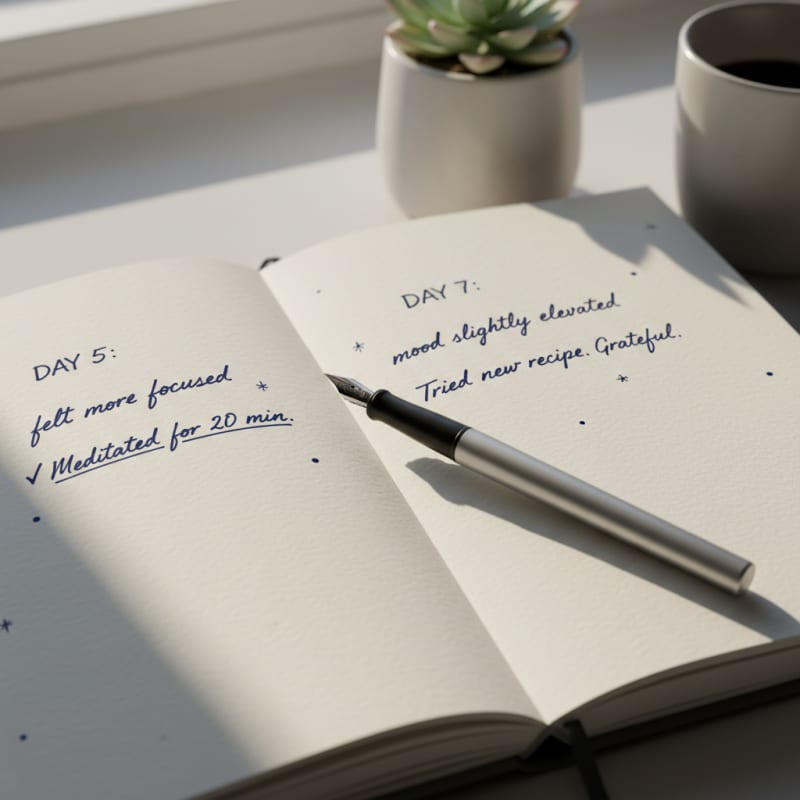
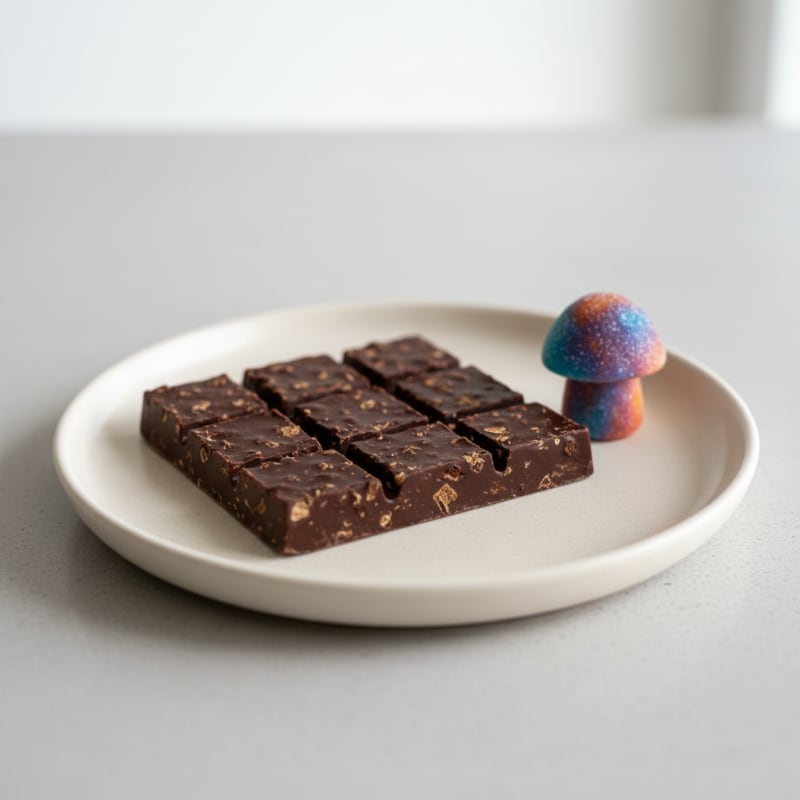
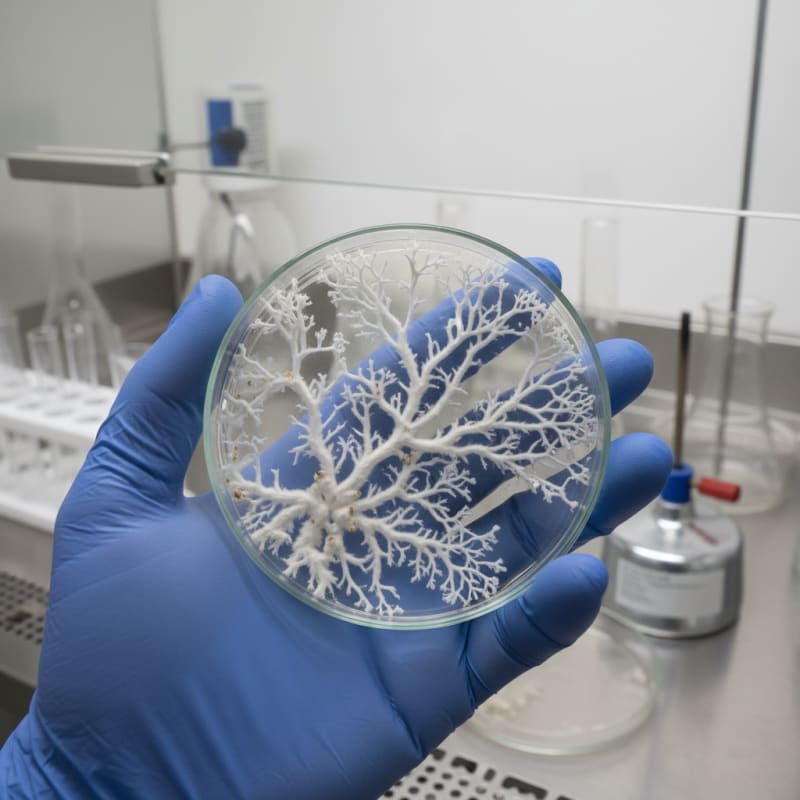
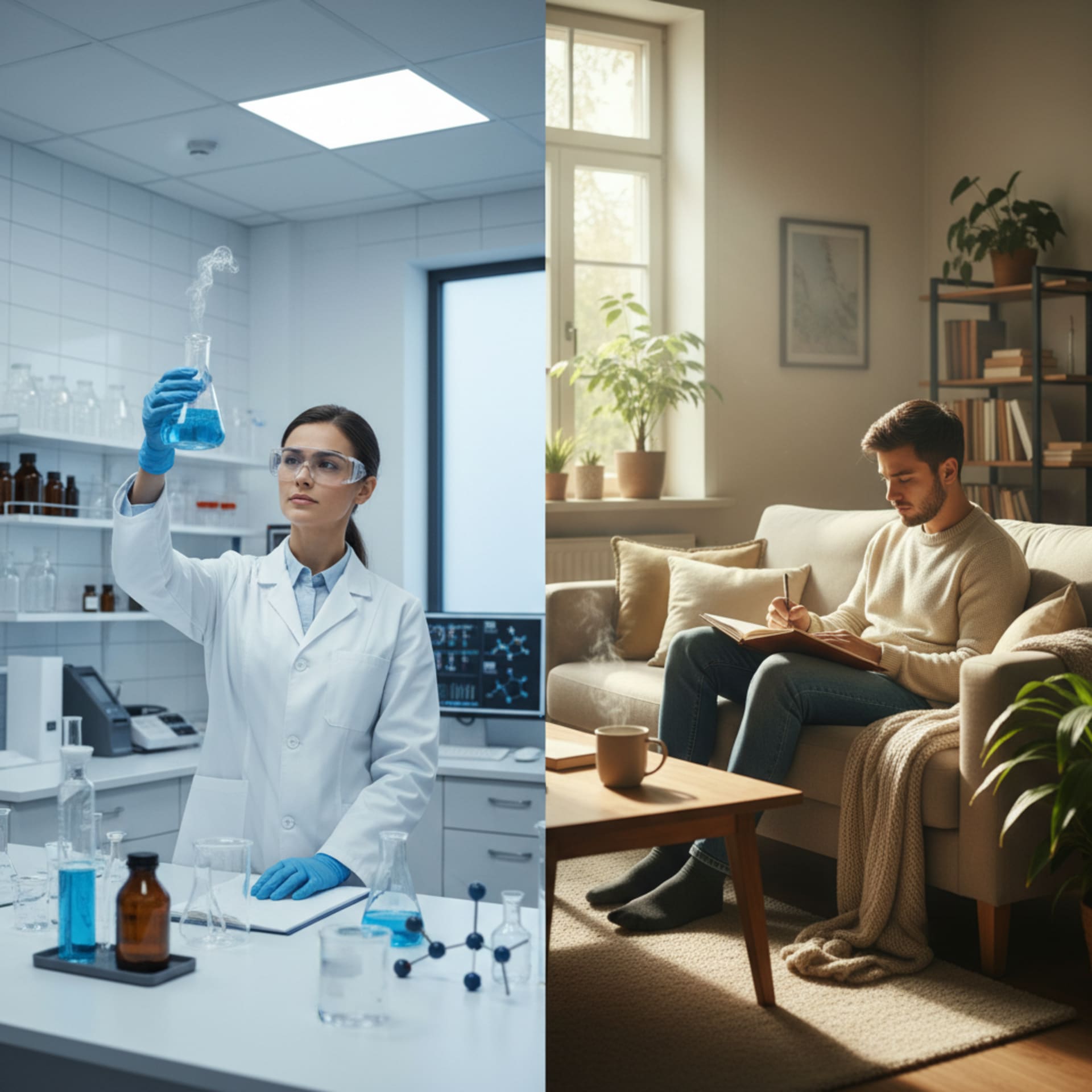
The world of psilocybin is splitting into two distinct paths. One is the narrow, tightly controlled road of clinical research, characterized by high-dose, medically supervised sessions aimed at treating severe mental health conditions. The other is a sprawling, user-driven landscape of wellness, where millions of people are self-experimenting with microdosing for goals like enhanced creativity and mood. While headlines often focus on the promising results from institutions like Johns Hopkins, new data reveals that the clinical model represents only a fraction of how psilocybin is actually being used.
A recent RAND study brings this divide into sharp focus. In 2025, an estimated 11 million U.S. adults used psilocybin, making it the most common psychedelic. The most significant finding, however, was that nearly two-thirds of these users reported microdosing. This practice—taking a small, sub-perceptual dose—accounted for almost half of all the days psilocybin was consumed. This reveals a fundamental disconnect: the primary subject of scientific inquiry (high-dose therapy) is not the primary method of real-world application (microdosing).
What Does Clinical Psilocybin Research Actually Study?
When you read about breakthroughs in psilocybin therapy, you are almost exclusively reading about a specific, high-dose paradigm. Researchers at leading institutions are investigating psilocybin as a powerful therapeutic tool, not as a daily supplement. The entire framework is built around medical intervention.
The typical clinical trial involves:
- High Doses: Participants receive a single, large dose of synthetic psilocybin, often between 20mg and 30mg. This is enough to induce a powerful, hours-long psychedelic experience, often referred to as a "mystical-type" experience.
- Controlled Setting: The session takes place in a comfortable, clinical room designed to be calming and safe. It is nothing like recreational or home use. The environment is meticulously managed as part of the therapeutic protocol, a concept explored in our post on how set and setting influence mushroom experiences.
- Trained Facilitators: Two trained therapists or guides are present for the entire duration of the experience. They offer support but do not direct the session, intervening only when necessary.
- Therapeutic Integration: The psilocybin session is bracketed by extensive psychotherapy. Multiple therapy sessions occur before the dosing day to prepare the participant and multiple sessions follow to help them integrate the insights from their experience into their lives.
- Specific Indications: Research is not studying "general betterment." It targets specific, diagnosed conditions like Major Depressive Disorder (MDD), end-of-life anxiety in cancer patients, and treatment-resistant addiction. The goal is to gain regulatory approval from bodies like Health Canada or the FDA for psilocybin as a prescription treatment.
This model is resource-intensive, expensive, and designed to generate the robust data needed for medical validation. It treats the psilocybin experience as a profound, acute event that can reset brain patterns and create a window for intense therapeutic progress.
How Is Psilocybin Being Used in the Real World?
The real-world application of psilocybin, as the RAND data shows, looks very different. The wellness user is not typically seeking a single, earth-shattering experience to overcome a severe clinical diagnosis. Instead, they are engaging in microdosing, a routine practice defined by what it *doesn't do: produce a psychedelic trip.
This approach involves:
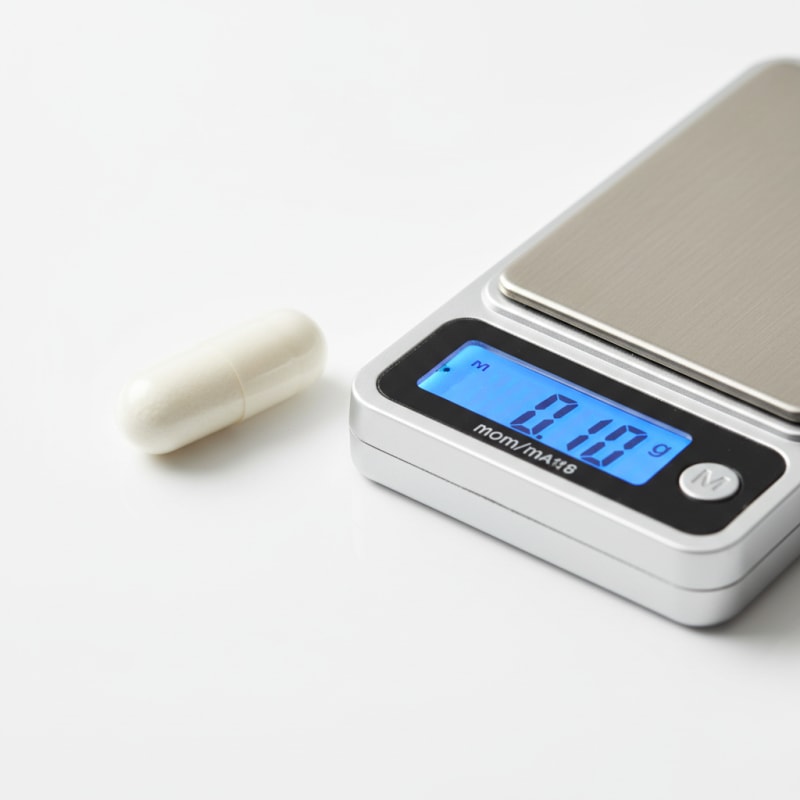
- Sub-Perceptual Doses: A microdose is a fraction of a therapeutic or recreational dose, typically ranging from 50mg to 150mg of dried *Psilocybe cubensis mushroom. The goal is to feel a subtle effect on mood, focus, or creativity without any overt changes in perception.
- Regular Schedules: Unlike a one-off clinical session, microdosing is done according to a schedule, or "protocol." Some users take a dose every three days, while others might dose for five days and then take two days off. Consistency is key, which is why many users prefer precisely measured products over raw mushroom pieces. For those seeking consistency, our ShroomDash Microdose Capsules (Focus) are formulated with 50mg of psilocybin alongside Lion's Mane and Niacin for a predictable, targeted effect.
- Wellness Goals: The stated goals of microdosing are broad and focused on optimization. Users commonly report seeking reduced anxiety, improved mood, sharper focus, and enhanced creativity.
- Unsupervised Use: This is perhaps the most significant difference. Wellness use is entirely self-directed and occurs in the context of daily life—at home, in the office, or out in nature. It operates entirely outside the medical system, a topic we touch on in our guide on how to microdose psilocybin.
This user-led movement has spawned its own ecosystem of products and practices. Enjoyable and simple formats are prized. For example, products like our ShroomDash Mello Ropes offer pre-measured doses in a familiar gummy candy format, prioritizing accessibility and ease of use for the wellness-minded consumer.
Why Does This Disconnect Exist?
The gap between clinical research and real-world use isn't accidental; it stems from practical, financial, and methodological challenges.
First, clinical trials are designed to answer questions that regulators care about. Health authorities approve treatments for specific diseases, not for enhancing creativity. Therefore, research funding is directed toward high-impact targets like depression and PTSD, where a clear benefit can be measured against a control group.
Second, studying microdosing is notoriously difficult. The effects are subtle and cumulative, making them harder to quantify than the changes produced by a single high dose. The "placebo problem" is also a major hurdle. In high-dose studies, it's obvious who received the active drug. In microdosing trials, participants often guess whether they got the placebo or the psilocybin, which can confound the results as their expectations influence their reported outcomes.
Finally, the lack of a standardized definition of a "microdose" complicates research efforts. The amount, the schedule, and the user's intent all vary widely, making it difficult to design a study that accurately reflects how millions of people are actually using it.
The result is two parallel tracks. The clinical track moves slowly and methodically, building a case for psilocybin as a powerful medical treatment for the few. Meanwhile, the wellness track is a dynamic, grassroots movement where millions are exploring a completely different application of the same compound, largely without scientific oversight.
Both paths are shaping the future of psilocybin, but they are seeking answers to fundamentally different questions. While researchers focus on healing the sick with profound, therapist-guided experiences, the general public is more interested in how small, regular doses can make healthy individuals function better.

ShroomDash Editorial Team
Published 2026-03-08 · 5 min read read · Lab Science