
What Is A Microdose? A Data-Driven Look
Quick Summary
A microdose is a sub-perceptual dose of psilocybin, typically 0.1g to 0.3g of dried mushrooms, intended to provide cognitive and emotional benefits without psychoactive effects. The ideal amount varies per person and depends on product consistency, as the potency of raw mushrooms is highly variable.
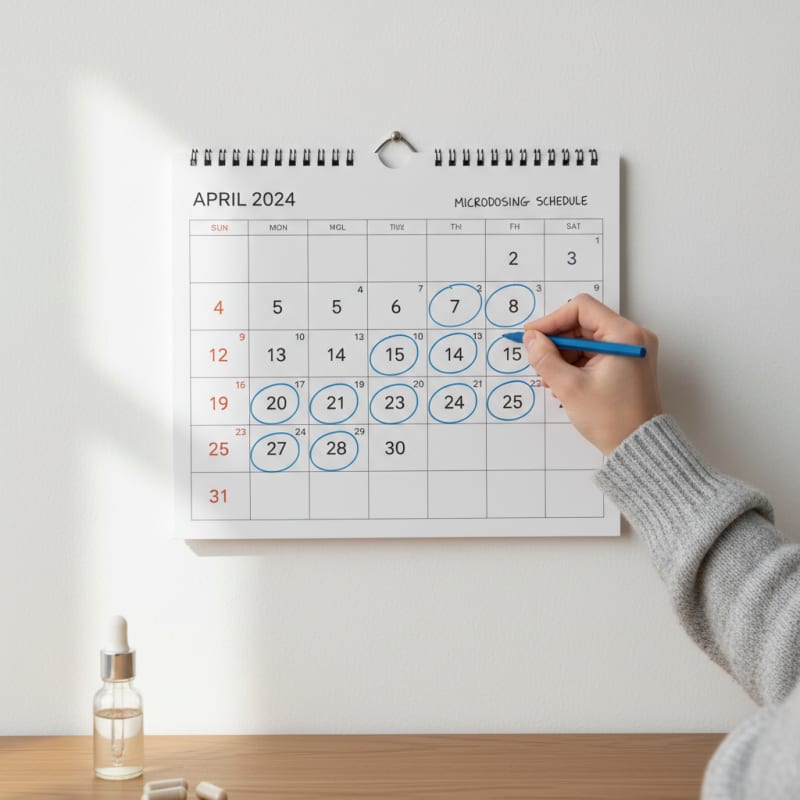
Recent survey data highlights a significant trend: microdosing has become a primary way adults use psilocybin. A 2022 RAND study revealed that of the millions of adults who used psilocybin in the past year, about two-thirds reported microdosing, accounting for nearly half of all psilocybin use days. This widespread adoption brings a fundamental question to the forefront: what, exactly, qualifies as a microdose? The term is used frequently, but its definition can be elusive, varying from person to person.
At its core, a microdose is a sub-perceptual dose of a psychedelic substance. The goal is not to experience the classic psychoactive effects—such as visual distortions or a profoundly altered state of consciousness—but to access more subtle benefits. Users often microdose with the intention of enhancing creativity, increasing focus, improving mood, or fostering a greater sense of emotional balance. It is a practice integrated into a daily or weekly routine, much like taking a vitamin or supplement, rather than a standalone psychedelic journey.
What Does "Sub-Perceptual" Really Mean?
The term "sub-perceptual" means the effects are below the threshold of conscious perception. Put simply, if you feel like you are "tripping" or noticeably intoxicated, you have exceeded a microdose. The intended experience is one of functionality and clarity. While the user might notice a slight shift in their baseline state—perhaps colors seem a little brighter or thoughts flow more easily—these effects do not interfere with daily activities like working, socializing, or driving.
This threshold is not a universal constant; it varies based on individual physiology, metabolism, and sensitivity to psilocybin. The reasons for this are complex, touching on everything from genetics to gut health, which helps explain why mushrooms affect people differently. What is sub-perceptual for one person might be noticeably psychoactive for another. This variability is a key reason why finding a personal microdosing regimen involves a period of careful experimentation, starting with a very low dose and adjusting as needed.
How Much Psilocybin Is In a Typical Microdose?
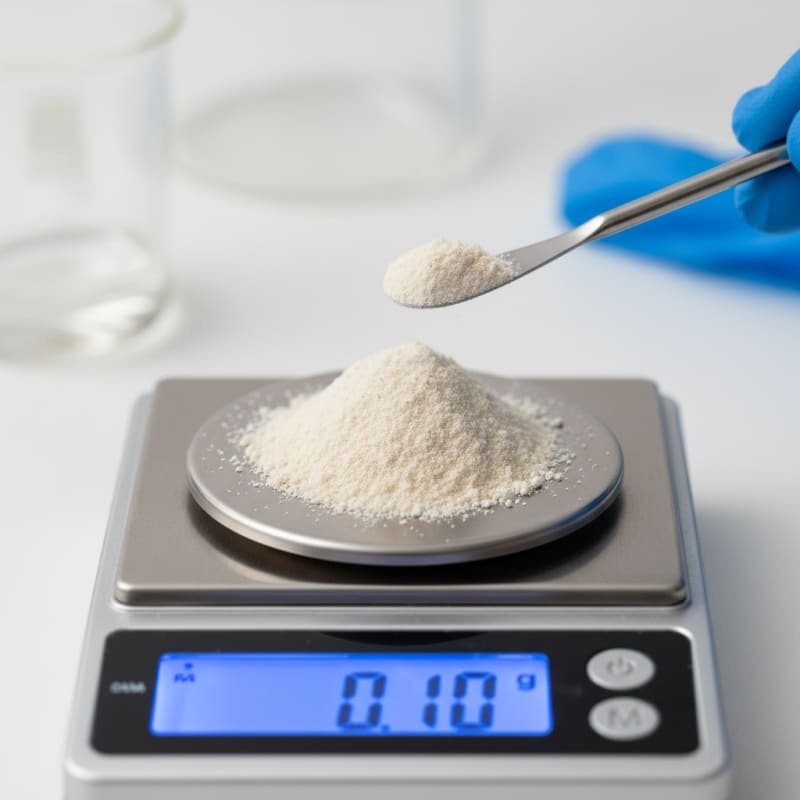
Conventionally, a microdose of dried *Psilocybe cubensis mushrooms is considered to be between 0.1 grams and 0.3 grams. However, this measurement is based on the weight of the raw mushroom, not the active psychedelic compounds, psilocybin and psilocin.
The potency of dried mushrooms can vary dramatically for several reasons:
- Species and Strain: Different mushroom varieties naturally produce different concentrations of active compounds.
- Growing Conditions: Substrate, humidity, and temperature all impact a mushroom's final potency.
- Part of the Mushroom: The caps and stems can have different concentrations of psilocybin.
- Age and Storage: Potency degrades over time, especially with exposure to oxygen, heat, and light.
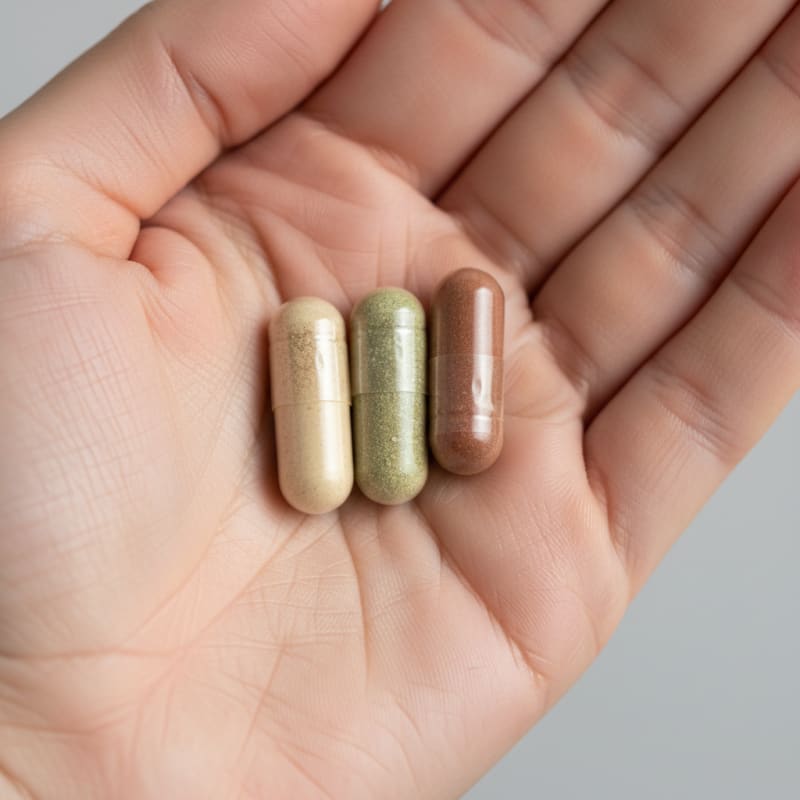
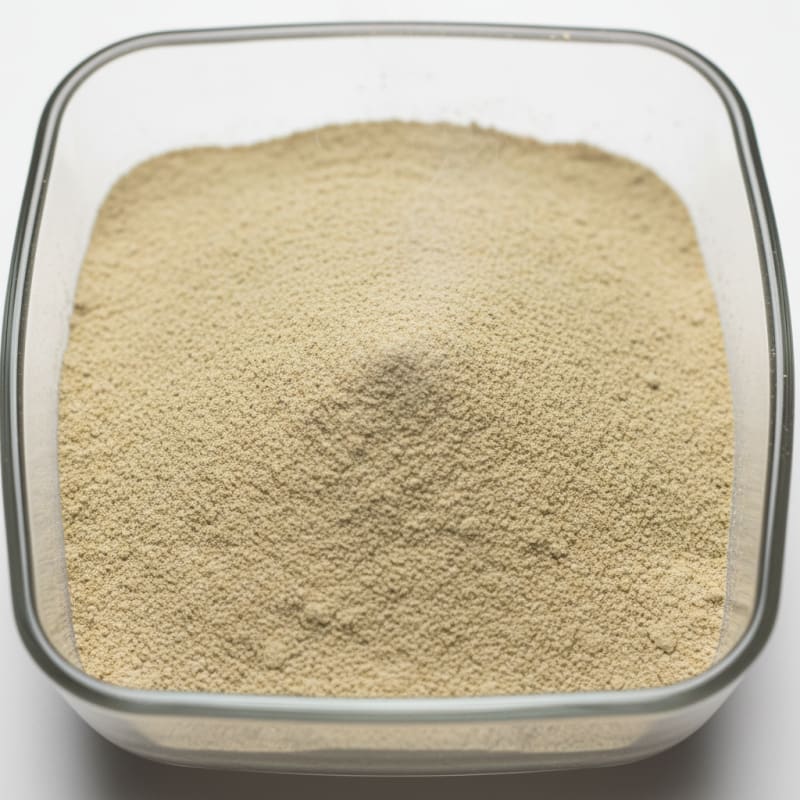
Because of this inherent inconsistency, measuring a microdose by the weight of raw mushrooms is an imprecise science. A 0.2-gram dose from one batch might feel perfect, while the same weight from another could be unexpectedly strong or have no effect at all. This is why lab-tested products have become the standard for reliable dosing. In a lab setting, the mushroom material is homogenized (ground into a fine powder) and tested to determine the exact percentage of active compounds. This allows for products where the dose is measured in milligrams (mg) of psilocybin, providing a far more accurate and repeatable experience. For instance, our Golden Teacher Microdose Capsules are formulated to provide a consistent and reliable amount of homogenized mushroom powder in each dose.
Why Is Dosing Consistency So Important?
The primary purpose of microdosing is to achieve a stable, predictable, and positive effect on one's mental and emotional state over time. This requires a consistent dose. If the amount of active compound varies with each dose, it becomes impossible to reliably stay below the perceptual threshold and accurately track the effects on mood, focus, or creativity. One day might bring clarity, while the next might bring unwanted distraction or anxiety, derailing the entire purpose of the regimen.
Consuming a piece of a raw mushroom cap or stem introduces significant dosing uncertainty. An article exploring a beginner's guide to mushroom products explains how different formats address this challenge. To solve for consistency, manufacturers of psilocybin products use homogenization to create a uniform powder that can be measured precisely. This powder is then used to create edibles, teas, or capsules.
Mushroom capsules, in particular, offer a straightforward solution for microdosing. They contain a specific weight of homogenized mushroom powder, ensuring that each capsule delivers the exact same dose every time. This precision removes the guesswork and allows users to confidently follow a chosen microdosing protocol, such as those developed by James Fadiman or Paul Stamets. Products like our Mindful Microdose Niacin Blend are specifically designed for these types of structured regimens, combining psilocybin with other complementary ingredients in a precisely measured format.
What Else Influences an Individual's Microdose?
Beyond dose consistency, several personal factors determine what constitutes an ideal microdose:
- Metabolism and Body Weight: While there isn't a direct, linear relationship, an individual's weight and metabolic rate do influence how they process psilocybin.
- Diet: Taking a microdose on an empty stomach will typically lead to faster absorption and a more pronounced effect compared to taking it after a heavy meal.
- Tolerance: The body quickly builds a tolerance to psilocybin. If microdosed every day, the effects will diminish rapidly. This is why most protocols include "off" days to allow tolerance to reset.
- Intention and Setting: While "set and setting" are critical for macrodoses, they still apply to microdosing. Your mindset, environment, and daily stressors can all influence the subtle effects of a microdose.
The ongoing conversation and growing body of user-reported data are gradually refining our understanding of what a microdose is. It is not a single, universally defined quantity but rather a personal calibration based on a sub-perceptual threshold, enabled by consistent and accurately measured products.

ShroomDash Editorial Team
Published 2026-03-12 · 4 min read read · Microdosing