Psilocybin Use: Counting Trips vs. Counting Days
Quick Summary
While media and clinical research focus on high-dose psilocybin "trips," recent data measuring "use days" shows a different reality. This new metric reveals that nearly half of all psilocybin consumption days are actually microdoses, highlighting the massive scale of low-dose, routine use for wellness.
When psilocybin is discussed in mainstream media, the image is often one of a profound, hours-long experience. It’s the high-dose, clinically supervised session aimed at treating severe depression or the guided "trip" intended to produce a mystical-type experience. This narrative, focused on singular, intense events, has shaped public perception and much of the scientific research agenda. However, new data is revealing a much wider, more common pattern of use that this narrative overlooks. The story of psilocybin in the modern wellness landscape isn't just about infrequent, high-dose events; it's increasingly about low-dose, routine processes.
The key to understanding this divergence lies in how use is measured. By shifting the metric from counting "trips" to counting "use days," a more accurate picture emerges, one where microdosing accounts for a massive, previously underestimated share of total psilocybin consumption.
How is Psilocybin Use Conventionally Counted?
Historically, and particularly within clinical research, psilocybin use has been quantified by the session or "trip." Research institutions like the Johns Hopkins Center for Psychedelic and Consciousness Research focus on the therapeutic potential of one to three high-dose, professionally guided sessions. In this model, the unit of measurement is the event itself. A study might involve 20 participants, each undergoing two sessions. The total count would be 40 sessions.
This approach is logical and necessary for its purpose. Researchers are studying the acute, powerful effects of a large dose of psilocybin on the brain and consciousness. The goal is often to induce a neurobiological and psychological reset to address conditions like treatment-resistant depression, end-of-life anxiety, or severe addiction. The "trip" is the therapeutic intervention being measured.
This event-based model has generated groundbreaking headlines and is crucial for advancing psilocybin-assisted therapy in a medical context. However, it inadvertently creates a skewed perception of how psilocybin is used by the general population. It frames consumption as a rare, high-stakes occurrence, which is only part of the story. By focusing exclusively on the most intense applications, it misses the quiet majority of use cases.
What Does "Psilocybin Use Days" Reveal?
A more inclusive and revealing metric is the "use day"—any day an individual consumes any amount of psilocybin. This simple change in perspective shifts the focus from the intensity of the experience to the frequency of consumption. When viewed through this lens, the landscape of psilocybin use changes dramatically.
A 2026 RAND study provided a startling look at this new picture. It surveyed U.S. adults and found that of the more than 200 million days of psilocybin use in the past year, nearly half involved microdosing. This single statistic is transformative. It suggests that for every high-dose, consciousness-altering experience, there is roughly one day of low-dose, sub-perceptual use. While clinical trials focus on a few thousand high-dose sessions per year, millions of microdosing days are occurring in parallel. This reality is further explored in our article on microdosing research vs. real-world use.
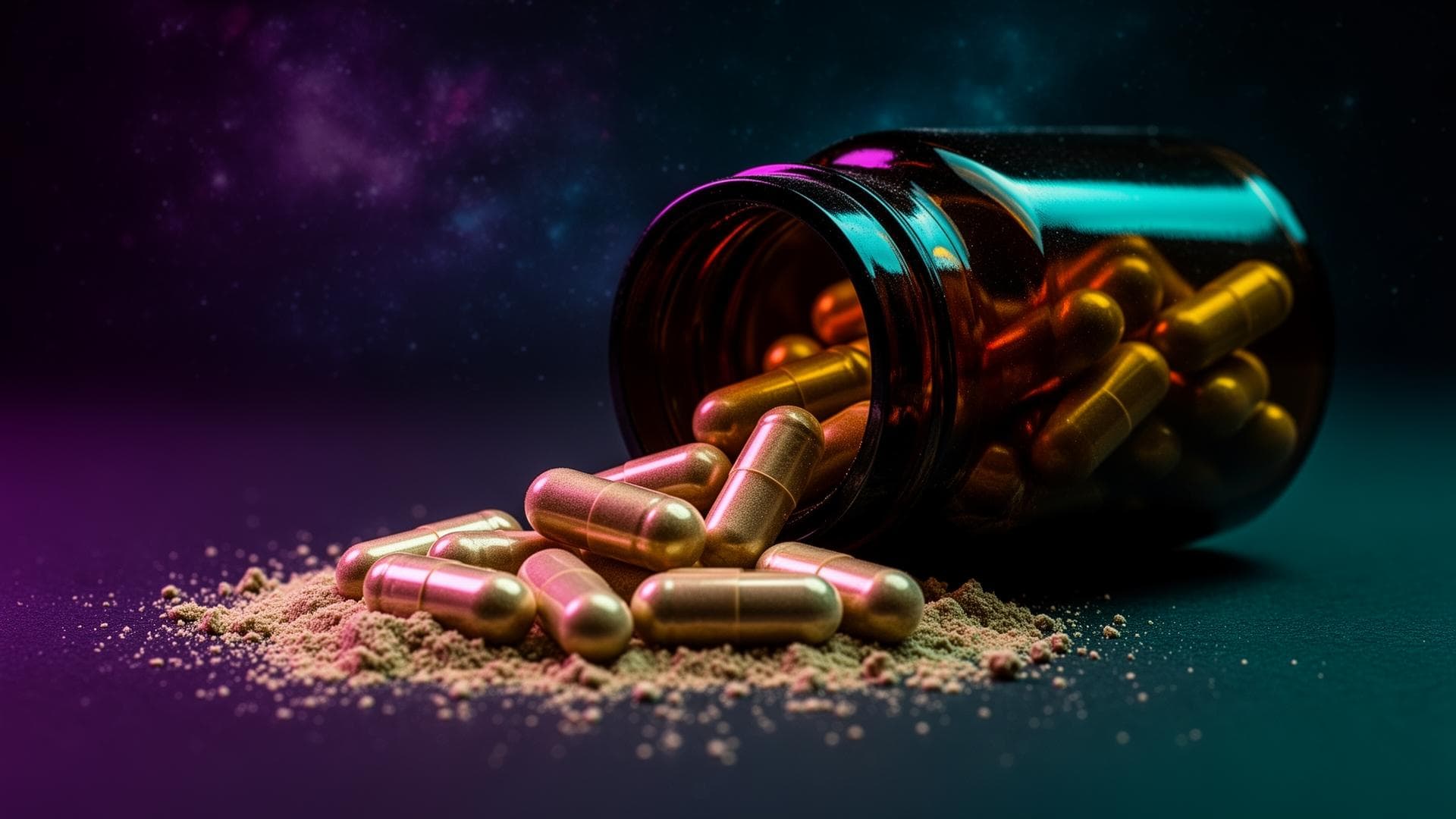
This metric captures the rise of psilocybin as a tool for ongoing wellness rather than just a powerful intervention for acute illness. People microdose for a wide range of reasons—enhanced focus, creative problem-solving, emotional regulation, or reduced anxiety. For these individuals, psilocybin is not a once-a-year event but a structured regimen, often involving taking a small dose two or three times a week. Products designed for this purpose, like precisely dosed Focus Microdose Capsules, facilitate this kind of routine by removing the guesswork and ensuring a consistent, sub-perceptual dose every time.
Why Does This Distinction Matter?
Recognizing the difference between counting "trips" and counting "days" is more than a statistical exercise. It has significant implications for public health, product development, and harm reduction.
First, it validates the experiences of millions of people whose use patterns are ignored by the dominant clinical narrative. The wellness-oriented user taking a microdose for productivity is engaged in a fundamentally different activity than a patient in a clinical trial. Understanding the sheer volume of "microdosing days" confirms that this is not a niche activity but a primary mode of consumption. It suggests that a significant portion of the market is seeking products that support a regular wellness routine. This includes not just capsules, but also low-dose edibles like our Mindful Milk Chocolate Bar, which can be easily divided for consistent microdosing.
Second, it highlights a critical gap in scientific research. While billions of dollars are flowing into studying high-dose psilocybin, the most common application—microdosing—remains poorly understood from a scientific standpoint. The data from "use days" makes a powerful case for dedicating more research resources to understanding the long-term effects, safety profile, and potential benefits of sustained, low-dose psilocybin regimens. For those interested in managing their own regimens, our selection of psilocybin capsules offers a range of options.
Finally, this distinction helps create a more nuanced public conversation. The narrative of psilocybin is not monolithic. It is both a powerful therapeutic agent for profound change and a subtle daily supplement for cognitive and emotional wellness. Acknowledging that nearly half of all psilocybin consumption happens on "microdosing days" allows for a more mature discussion about what it means to use these compounds safely and effectively.
The language we use to measure a substance reflects our understanding of it. As psilocybin continues to integrate into society, moving from counting trips to counting use days signals a broader acceptance of its diverse applications beyond the high-dose clinical event.

ShroomDash Editorial Team
Published 2026-05-05 · 4 min read read · Dosing