
Data vs. Narrative: The Reality of Psilocybin Use
Quick Summary
New data shows a disconnect between how psilocybin is studied versus how it's used. While clinical trials focus on high-dose sessions for treating major conditions, millions of adults are actually microdosing as a part of their regular wellness routine. This suggests that for a majority of users, psilocybin is treated more like a daily supplement than a powerful, infrequent medicine.
The public conversation around psilocybin is often dominated by cinematic depictions of intense, life-altering trips. Clinical research, backed by millions in funding, reinforces this narrative by focusing on high-dose sessions for treating conditions like severe depression and addiction. While this therapeutic path holds immense promise, it casts a long shadow over a quieter, far more common reality. New data reveals that for every person undergoing a high-dose, clinically supervised session, there are thousands incorporating psilocybin into their lives in a much more subtle, routine way.
A groundbreaking 2026 study from the RAND Corporation has provided the first large-scale data on psychedelic use patterns, and the findings are clear: microdosing is not a fringe activity. It is the primary way most people actually use psilocybin. This data challenges the prevailing narrative and highlights a significant disconnect between how psilocybin is researched and portrayed versus how it is used in the real world for personal wellness.
What Does a Day of Psilocybin Use Actually Look Like?
The common image of a psilocybin "session" involves a full day cleared, an experienced guide, an eye mask, and a curated playlist, all in service of a profound 6-hour journey. This is the model used in nearly all clinical trials, from the well-publicized smoking cessation studies at Johns Hopkins to research on depression at institutions worldwide. The goal is a "peak" experience, one that can reframe perspective and create lasting change. But according to the data, this is not what a typical day of psilocybin use looks like.
The RAND study found that of the more than 200 million days of psilocybin use reported in the past year, nearly half involved microdosing. This means that on any given day, about as many people are taking a sub-perceptual dose for subtle support as are taking a high dose for a full psychedelic experience. The study further reveals that approximately two-thirds of all adults who used psilocybin in the past year reported microdosing at least once.
This paints a very different picture:
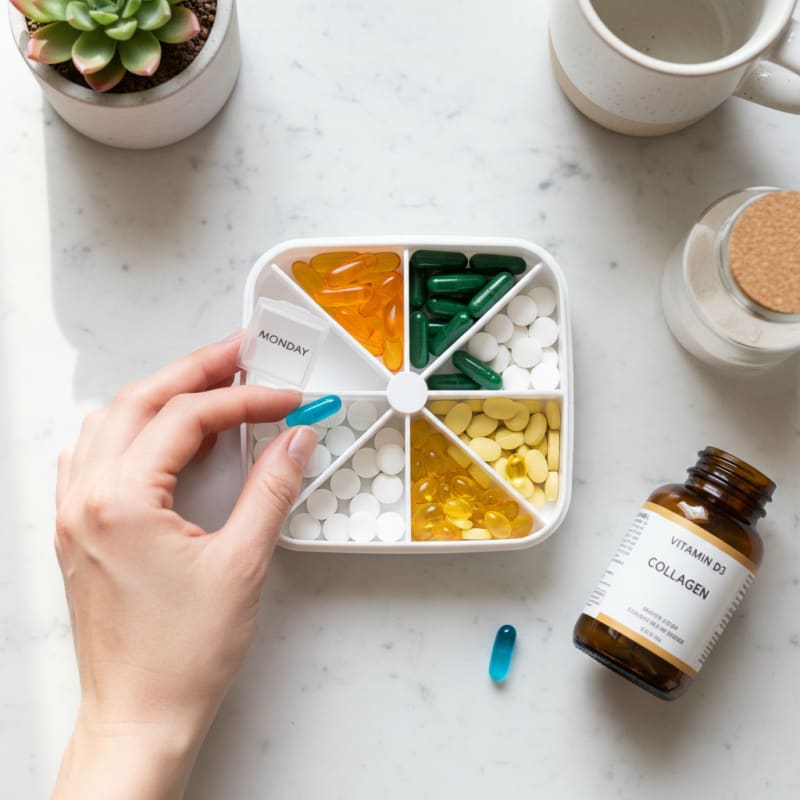
- Routine vs. Event: For a large portion of users, psilocybin is not a rare, momentous event. It is a routine, much like taking a vitamin or supplement. It integrates into daily life—work, exercise, creative projects, and social situations.
- Subtlety vs. Intensity: The goal of microdosing is specifically to *avoid an altered state of consciousness. Users seek subtle enhancements in mood, focus, and creativity, not a dramatic psychological overhaul in a single session.
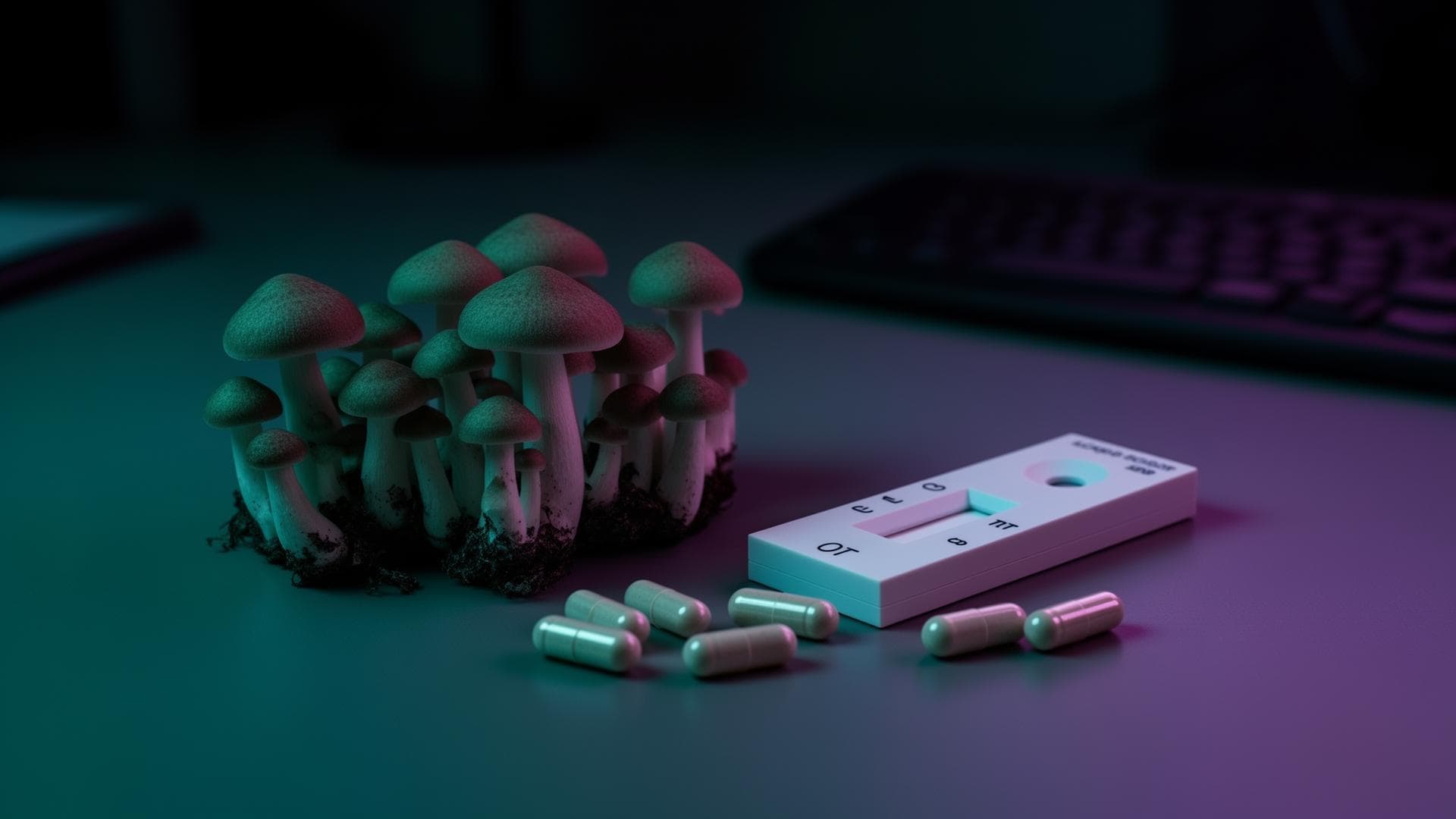
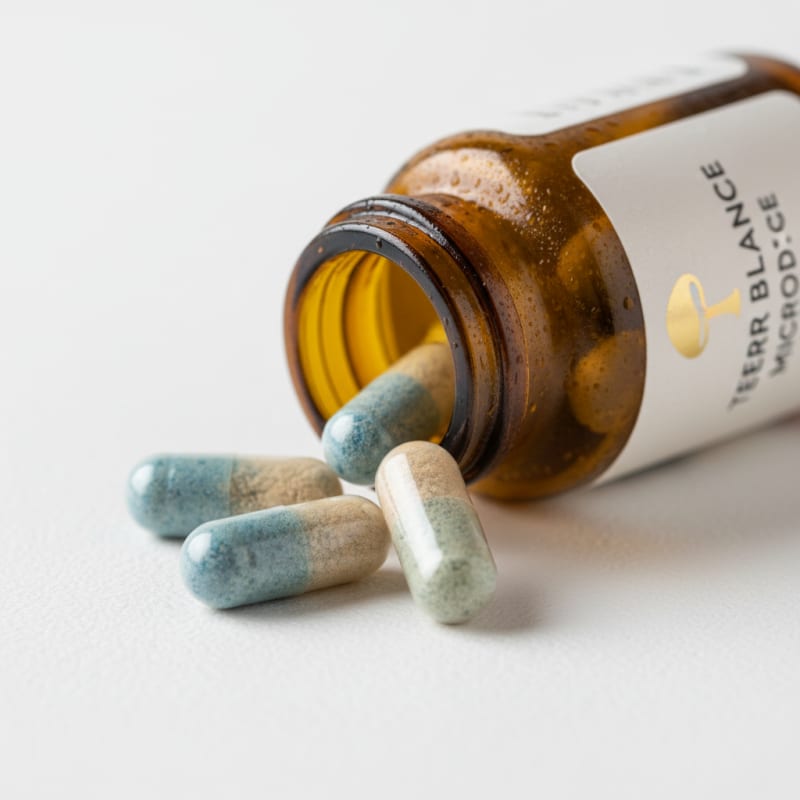
- Accessibility: The wellness model of use is self-directed and doesn't require clinical oversight, making it accessible to a much broader population. Products like precisely measured capsules, found in our [/shop?category=capsules], are designed for this exact purpose, removing the guesswork and providing a consistent, reliable experience.
Why Does Research Focus So Heavily on High Doses?
If microdosing accounts for so much real-world use, why do headlines and research grants almost exclusively feature high-dose "trip" treatments? The answer lies in the methodology of clinical science. Researchers need to produce measurable, statistically significant results to prove efficacy and gain regulatory approval.
A high dose of psilocybin creates a powerful and undeniable effect. In a controlled setting, researchers can measure physiological changes in the brain and quantify subjective reports of mystical experiences. It’s easier to prove that a single, overwhelming intervention caused a specific outcome—like a reduction in depressive symptoms—than it is to measure the subtle, cumulative effects of microdosing over several months. For more on the clinical approach, see our post on high-dose protocols for addiction.
Furthermore, the entire clinical trial system is built around the concept of a "dose" administered in a controlled environment. The importance of a therapeutic container, or a specific set and setting, is paramount in this research to ensure patient safety and maximize positive outcomes. This model is well-suited for a single, powerful experience but poorly adapted to studying a practice defined by its integration into uncontrolled, everyday life.
This research is vital, but its focus creates a public perception that psilocybin’s only valid use is as a powerful, occasionally frightening medicine for the seriously ill. The data on widespread wellness use suggests a parallel, equally valid reality has emerged outside the lab.
How Do Wellness and Clinical Protocols Differ?
The divergence between wellness use and clinical research comes down to goals and methods. Neither is inherently better; they simply serve different purposes.
Clinical Use:
- Goal: To treat a specific, diagnosed mental health condition (e.g., PTSD, Major Depressive Disorder, nicotine addiction).
- Method: A limited number of very high-dose sessions (e.g., 2-3 sessions) in a therapeutic setting with professional guidance. It is an acute intervention designed to catalyze a breakthrough.
- Substance: The active compound, psilocybin, is treated as a pharmaceutical agent administered in a pure, clinical form.
Wellness Use:
- Goal: To enhance general well-being. This includes aims like improving mood, fostering creativity, increasing focus, and promoting emotional balance.
- Method: Regular, sub-perceptual microdoses taken over an extended period. It is a supportive practice integrated into a lifestyle. High-dose experiences are used less frequently for personal exploration rather than acute treatment.
- Substance: The whole mushroom and its spectrum of compounds are often preferred. Products are designed for convenience and consistency. Our Stamina Stack capsules, for example, are formulated not just with *Psilocybe cubensis but also with functional mushrooms like Cordyceps to support energy and performance, embodying the "stacking" philosophy popular among microdosers.
While clinical trials work to isolate psilocybin as a targeted drug, the wellness world embraces a more holistic view. It sees psilocybin as one component in a toolkit for better living, often combined with other supplements and healthy habits. This user-driven movement, now visible in the data, demonstrates that millions have found value in a practice that science is only just beginning to acknowledge.
The two parallel worlds of psilocybin—the highly controlled clinical path and the widespread wellness path—will continue to evolve. While research focuses on the dramatic potential of high-dose therapy, the data shows that for most people, the magic of mushrooms lies in the subtle, steady support it provides for the challenges and opportunities of daily life.

ShroomDash Editorial Team
Published 2026-04-22 · 5 min read read · Dosing