

Data Shows Microdosing Is The New Norm
Quick Summary
A new RAND study reveals that 10 million US adults are microdosing psychedelics like psilocybin. This data shows that taking small, sub-perceptual doses is now a primary way people use psilocybin, contrasting with the clinical and media focus on high-dose 'trips.' For a majority of users, psilocybin is a wellness tool for daily life, not a rare, intense experience.
The popular image of psilocybin is one of intense, vivid, and often life-altering psychedelic journeys. News headlines and clinical research tend to focus on high-dose sessions conducted in controlled settings, aimed at treating profound psychological conditions. While these applications are valid and important, a landmark 2026 study from the RAND Corporation reveals a fundamentally different reality: for the vast majority of people, psilocybin use is a far more subtle affair. The data indicates that microdosing—taking small, non-intoxicating amounts—has become the quiet norm, representing a primary way modern adults integrate psilocybin into their lives.
This trend signifies a major shift in both perception and application. Away from the spotlight of clinical trials and sensational media, millions of people are using psilocybin not for a transformative trip, but as a routine wellness tool to enhance their daily experience. This widespread, low-dose usage pattern has been poorly understood and largely unmeasured, until now.
How Common Is Microdosing, Really?
The numbers are staggering and reshape our understanding of contemporary psilocybin use. The RAND study, "Millions of U.S. Adults Microdosing Psychedelics," provides the first large-scale, data-driven look into this practice. It found that an estimated 10 million American adults microdosed psychedelics like psilocybin or LSD in the past year.
The key findings paint a clear picture:
- A Mainstream Practice: Among adults who used psilocybin in the last year, approximately two-thirds reported microdosing at least once.
- A Dominant Use Case: Of the more than 200 million days of psilocybin use reported, nearly half of those days involved microdosing.
This data confirms that microdosing is not a niche, fringe activity. It is a, if not the, primary modality of psilocybin consumption in North America. For every person undertaking a high-dose psychedelic journey, there is another person—or perhaps the same person on a different day—integrating a sub-perceptual dose into their routine. This reality stands in stark contrast to the narrative that psilocybin is used exclusively for profound, earth-shattering experiences.
Why Is Microdosing So Popular?
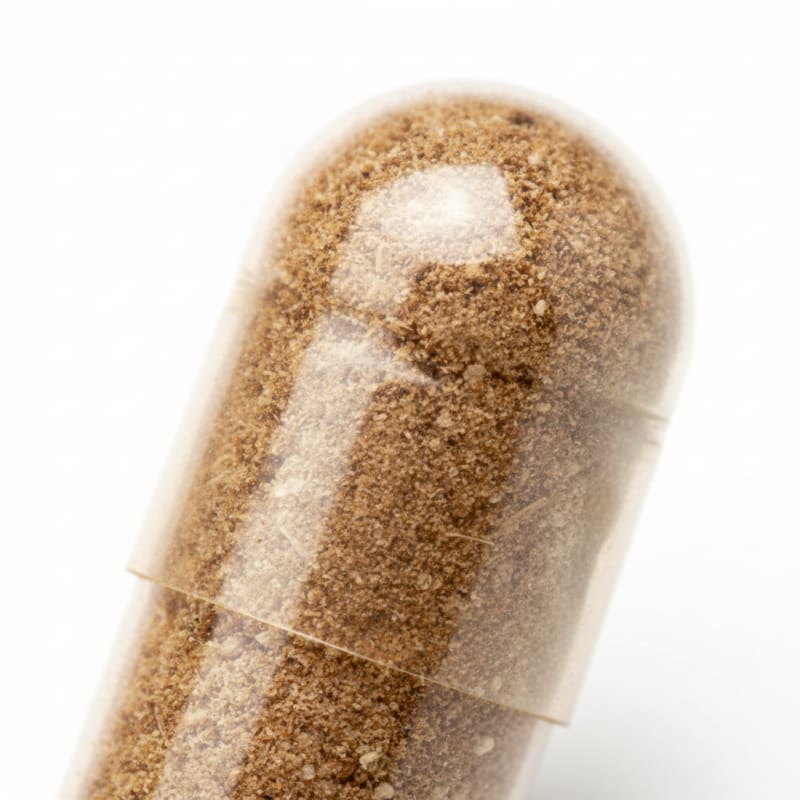
The motivation behind microdosing is fundamentally different from that of macrodosing. Users are not seeking an altered state of consciousness, hallucinations, or ego dissolution. The goal is to operate below that perceptual threshold, harnessing the subtle effects of psilocybin to improve mood, creativity, and focus without disrupting daily function. Our precisely measured Microdose Capsules are designed for this exact purpose, offering a reliable dose for consistent integration into a wellness routine.
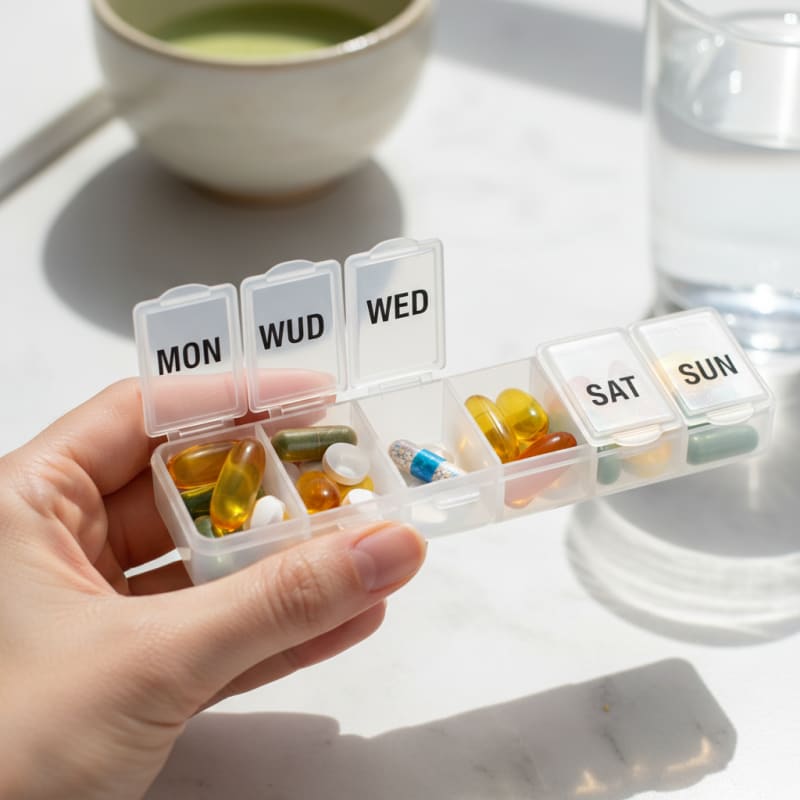
Many users describe the practice as similar to taking a daily supplement or having a morning coffee. It’s a tool for optimization rather than transformation. Potential benefits often cited by users include:
- Enhanced mood and emotional regulation
- Increased creativity and divergent thinking
- Improved focus and productivity
- Greater sense of well-being and connectedness
This approach removes much of the intimidation factor associated with psychedelics. It doesn't require setting aside a full day, arranging for a trip-sitter, or navigating an intense psychological experience. Instead, it fits neatly into an existing lifestyle. For those curious about the subtle, sub-perceptual effects, our guide on what defines a "sub-perceptual" microdose offers a more detailed explanation.
What Does a "Microdose" Even Mean?
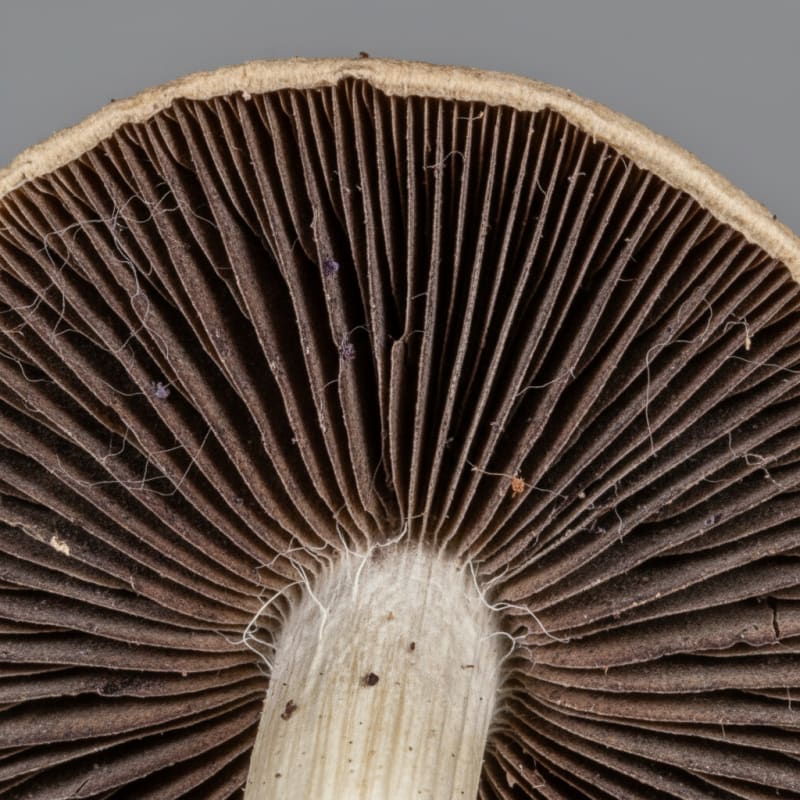
One of the challenges noted by researchers is the lack of a standardized definition for a "microdose." Generally, it refers to taking approximately 5% to 10% of a standard recreational dose. For *Psilocybe cubensis mushrooms, this often translates to a dose between 50 and 150 milligrams of dried mushroom powder.
The key is consistency. The difference between a sub-perceptual microdose and an unexpectedly distracting mini-dose can be just a few milligrams of active compound. This is why "lab-tested" products are crucial for a reliable microdosing regimen. While potency can vary dramatically in raw mushrooms, products like standardized mushroom capsules are formulated to contain a precise amount of homogenized mushroom material, ensuring each dose is identical. This allows users to find their optimal dose and maintain it over time without guesswork. Our Golden Teacher Capsules are a popular option, valued for their reliable and balanced effects in a standardized format.
How Does This Trend Compare to Clinical Research?
The rise of microdosing as a popular wellness practice has largely occurred outside the formal scientific establishment. Most psilocybin research, such as the promising studies on psilocybin for smoking cessation or Major Depressive Disorder, focuses almost exclusively on high-dose therapy. In these clinical models, one or two large doses are administered in a controlled setting, accompanied by extensive psychotherapy.
The reasons for this focus are practical. The effects of a high dose are dramatic, immediate, and easier to measure than the subtle, cumulative effects of microdosing. A high-dose session is a singular event that fits a traditional pharmaceutical trial model, whereas a long-term microdosing schedule is more complex to study.
This has created a significant research gap. While millions of people are microdosing, the scientific community is only beginning to investigate its safety and efficacy. The RAND study is a crucial first step, as it quantifies the sheer scale of the practice. It demonstrates to researchers and policymakers that the way psilocybin is being used in the real world is vastly different from how it is being studied in the lab. For a deeper dive into this discrepancy, see our post on why science overlooks microdosing.
The widespread and growing adoption of microdosing shows a clear divergence between the clinical path of psilocybin as a targeted medical intervention and its real-world integration as a daily wellness supplement by millions of adults.

ShroomDash Editorial Team
Published 2026-03-13 · 4 min read read · Microdosing