
Why Science Overlooks Microdosing
Quick Summary
Despite data showing millions of adults microdose psilocybin, most scientific research focuses on large, clinically administered macrodoses. This is due to research challenges like the difficulty of measuring subtle effects, controlling for placebo, and the historical precedent of macrodose studies. The gap between real-world use and clinical trials remains significant.
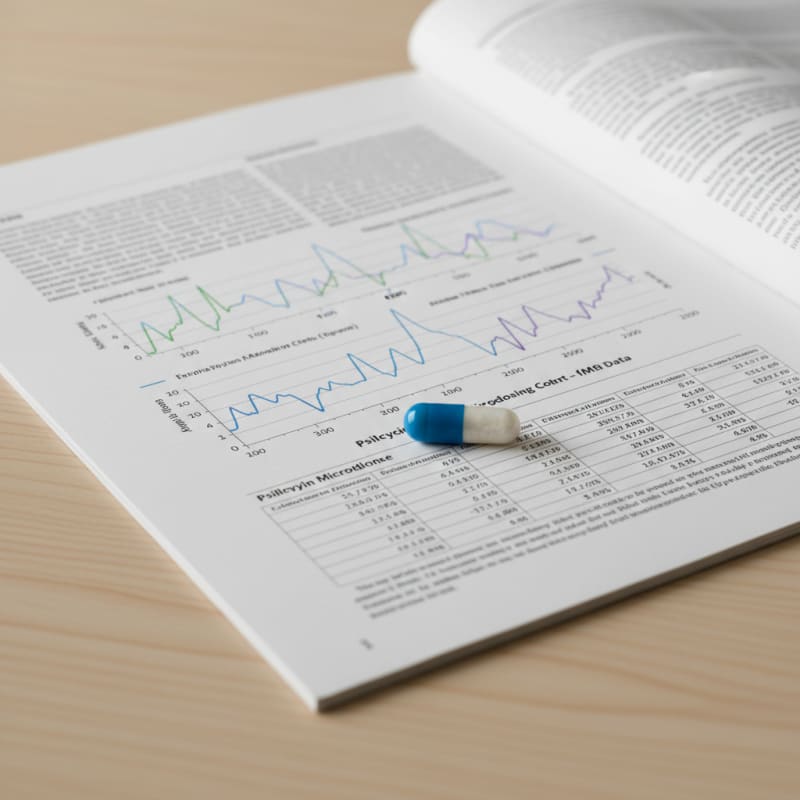
Recent data reveals a fascinating divide in the world of psilocybin. A 2026 RAND study estimates that of the millions of adults who use psilocybin, nearly half of all use days involve microdosing. This is a staggering figure, suggesting that taking sub-perceptual doses is not a niche activity but a common practice for a huge segment of users. Yet, when we look at the landscape of institutional and clinical research, the focus is almost entirely elsewhere.
High-profile studies from institutions like the Johns Hopkins Center for Psychedelic and Consciousness Research are making headlines, but they predominantly investigate large, single-dose sessions. This leaves many wondering: if so many people are microdosing, why is the bulk of scientific research concentrated on macrodoses?
Where is the scientific focus?
The current wave of the psychedelic renaissance is largely defined by research into macrodosing. Studies exploring psilocybin's effects on Major Depressive Disorder (MDD), end-of-life anxiety for cancer patients, and smoking cessation have captured public and scientific attention. These trials typically involve administering a substantial dose of psilocybin (e.g., 20-30mg) in a controlled clinical setting, with a therapist providing guidance and support throughout the experience.
The methodology is rigorous and designed to fit within established medical frameworks. The goal is to induce a profound psychedelic experience, which researchers theorize can create a "reset" in brain activity and psychological perspective. This approach has yielded promising results in specific, hard-to-treat conditions, providing a clear path toward potential medical approval. The data gathered from these sessions—from fMRI scans showing changes in brain connectivity to subjective patient reports—is dramatic and measurable. But it reflects a model of use that is very different from a self-directed, low-dose regimen.
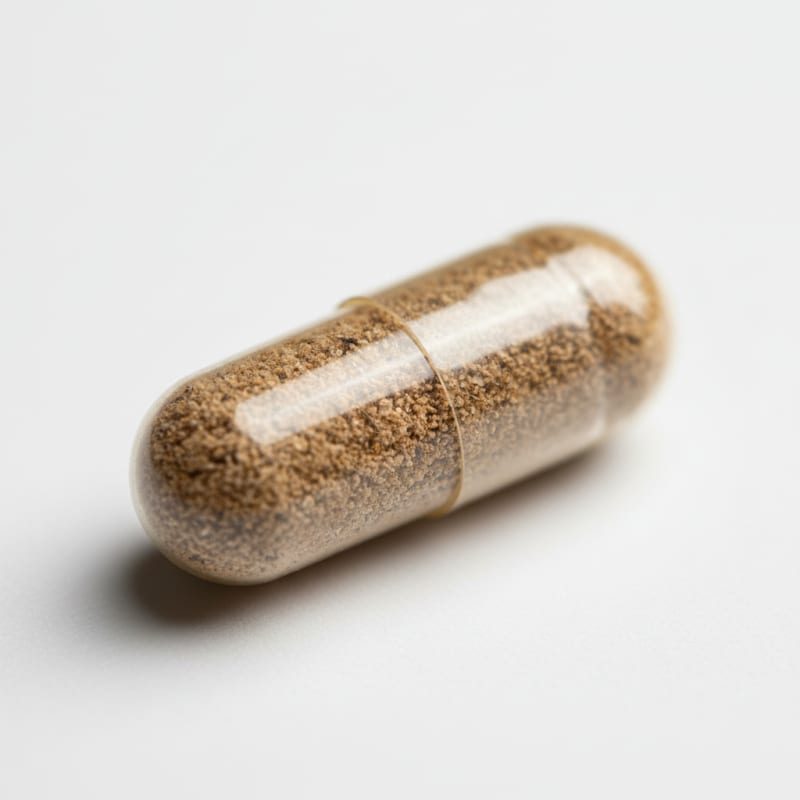
When exploring options for a low-dose regimen, many users gravitate toward precisely formulated products. Our Core Microdose Capsules are made with this in mind, offering a standardized amount of *Psilocybe cubensis to ensure consistency, which is a key factor often missing in anecdotal reports.
Why the heavy focus on macrodoses?
The scientific community's preference for macrodose studies over microdosing is not an oversight but a result of several practical and methodological factors.
- Clearer Outcomes: Macrodoses produce immediate, profound, and relatively easy-to-measure effects. A mystical-type experience, the dissolution of ego, and significant shifts in mood are distinct events. In contrast, the purported benefits of microdosing—subtle improvements in focus, creativity, and mood—are incremental and develop over weeks or months. Designing a study to capture these subtle, cumulative changes is far more complex than tracking the outcome of a single, powerful intervention.
- Therapeutic & Historical Precedent: The current research model builds upon the work of early psychedelic pioneers from the 1950s and 60s, who also focused on high-dose experiences for therapeutic insight. Furthermore, a single, professionally guided session fits more neatly into the existing medical paradigm of discrete treatments or procedures, as opposed to a long-term, patient-managed protocol like microdosing.
- The Blinding Problem: The gold standard in clinical trials is the double-blind, placebo-controlled study, where neither the participants nor the researchers know who is receiving the active substance. This is notoriously difficult with psychedelics. While it’s impossible to mask a 3-gram dose of mushrooms, researchers hoped it would be easier with microdoses. However, studies have shown that participants can often correctly guess whether they received a microdose or a placebo, a phenomenon known as "unblinding." This compromises the integrity of the data, as the power of expectation (placebo effect) becomes a significant confounding variable.
What are the core challenges of microdosing research?
Beyond the difficulty of blinding, studying microdosing presents a unique set of obstacles that have slowed its formal investigation.
First is the subjective nature of its effects. While one person might microdose to enhance creative problem-solving, another may use it to regulate their mood. These outcomes are difficult to quantify with standard clinical metrics. You can read more about the self-reported outcomes in our article on the benefits of microdosing.
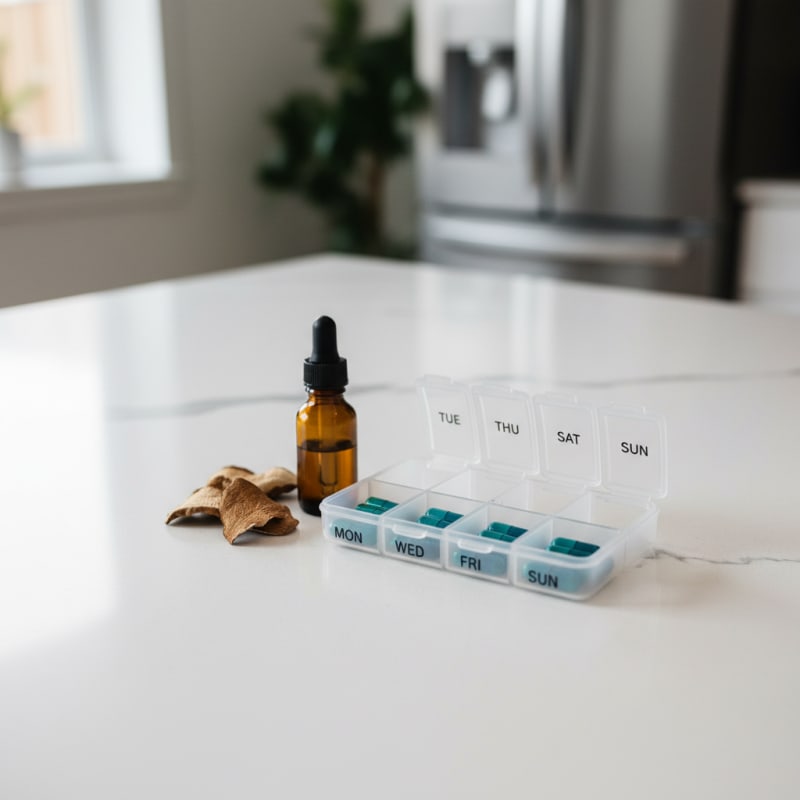
Second is the lack of standardization in real-world use. People follow various protocols, such as the Fadiman or Stamets schedules, often detailed in our microdosing schedule guide. They use different species of mushrooms, different doses, and sometimes combine them with other supplements. This variability makes it challenging for researchers to study microdosing as a single, consistent phenomenon.
For those interested in protocols that involve combining psilocybin with other functional ingredients, products like our Focus Microdose Capsules incorporate Lion's Mane and other nootropics. These stacks are popular but add another layer of complexity for researchers trying to isolate the effects of psilocybin alone.
Finally, the placebo effect remains the largest hurdle. The very idea of microdosing is associated with positive outcomes like enhanced productivity and well-being. This strong expectation can lead users to experience perceived benefits even when taking an inactive substance. Disentangling this powerful psychological effect from a genuine pharmacological one is the central task facing microdosing researchers.
While institutional research continues to prioritize the study of large, therapist-guided doses for specific psychiatric conditions, real-world data shows that microdosing is a significant and established practice. This disparity highlights a gap between the controlled, clinical application of psilocybin and its widespread use for everyday wellness and performance. As the science evolves, it will need to develop new methodologies to properly investigate the subtle, long-term effects of the low-dose regimens that millions of people are already using.

ShroomDash Editorial Team
Published 2026-02-27 · 4 min read read · Lab Science