Amanita muscaria: Not a Psilocybin Mushroom
Quick Summary
Amanita muscaria mushrooms are trending, but they are not the same as psilocybin mushrooms. They contain different chemicals (muscimol and ibotenic acid, not psilocybin) that work on different brain systems, producing dissociative or sedative effects, not classic psychedelic ones. Their legal status is different, and they carry unique risks related to toxicity if not prepared correctly.
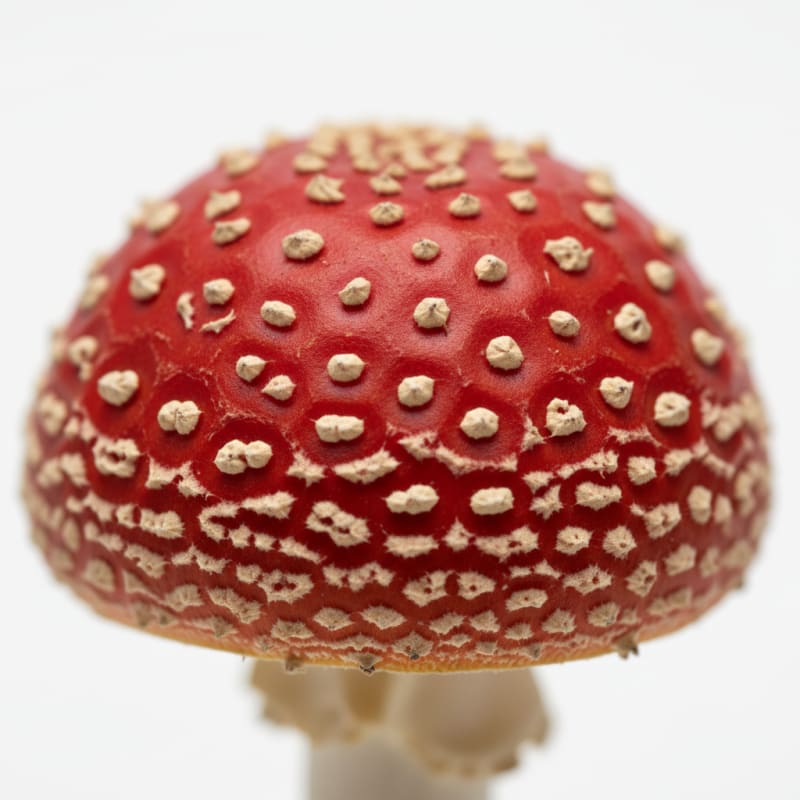
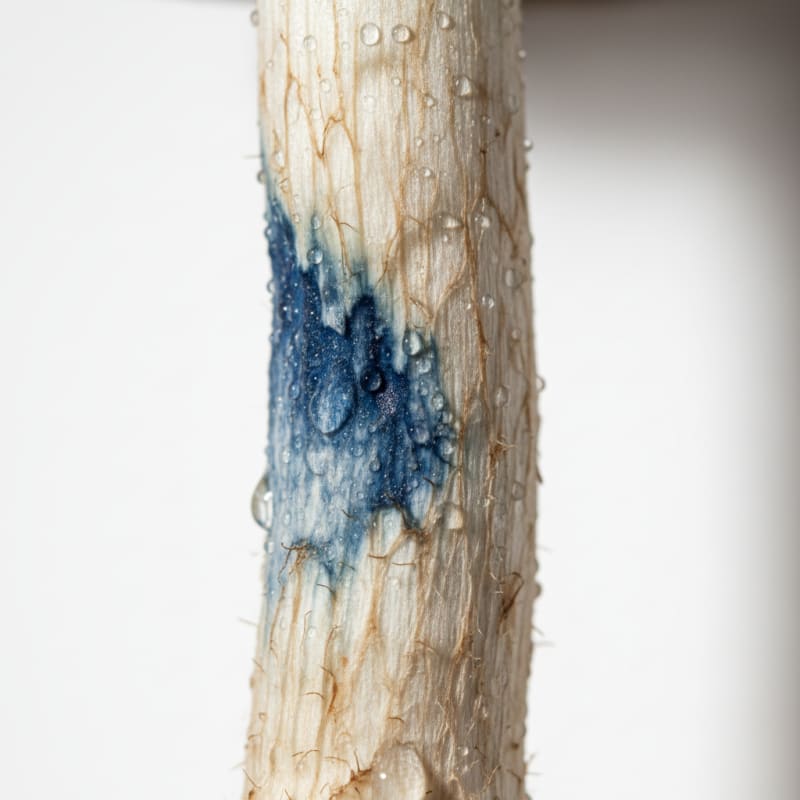
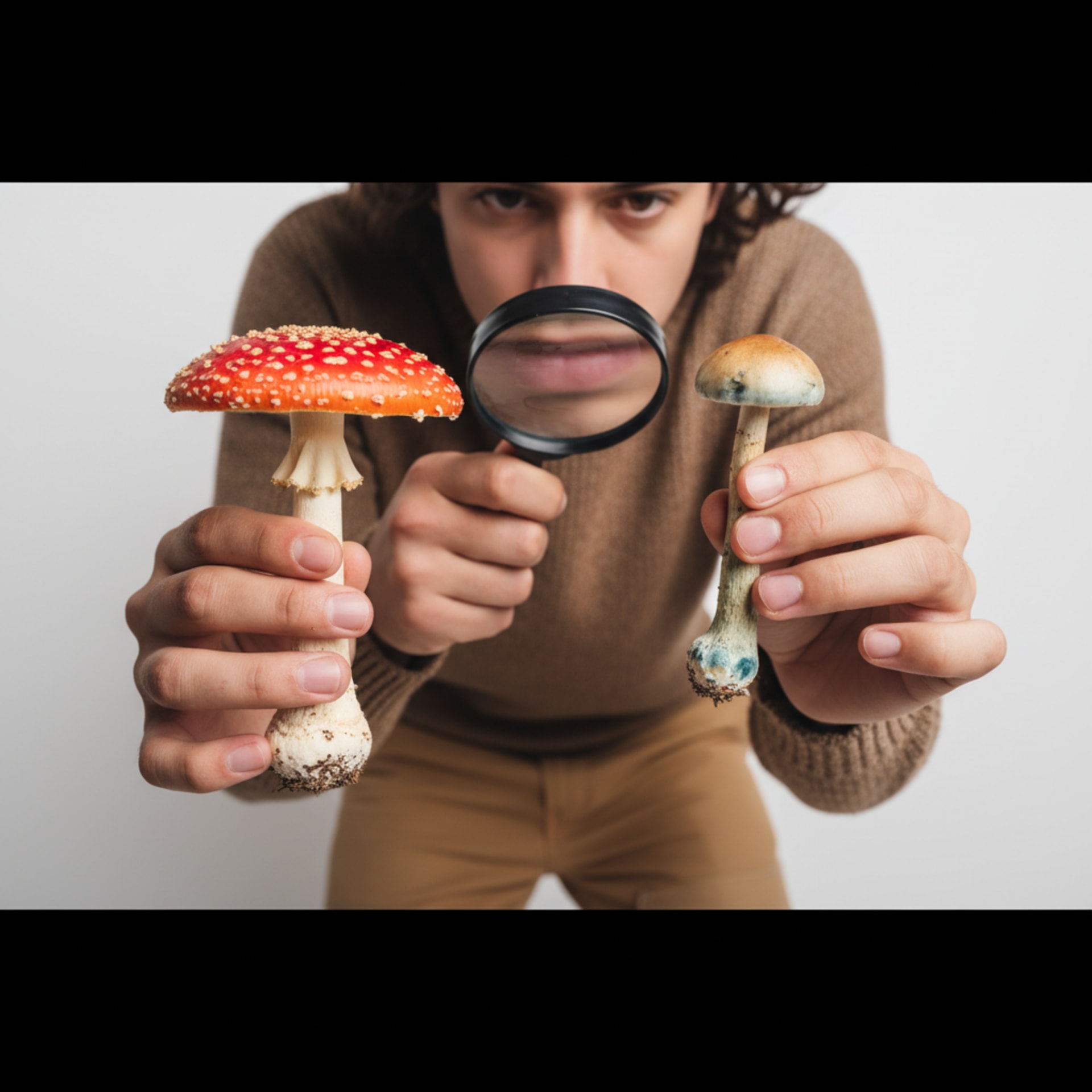
The market for psychoactive fungi is expanding, and with it comes a wave of new products and consumer confusion. Among the most prominent examples is *Amanita muscaria, the iconic red-and-white-capped mushroom of fairy tales. Often sold online and in smoke shops as gummies or dried caps, it is frequently positioned alongside psilocybin products. However, these two fungi are not interchangeable and belong to entirely different classes of psychoactive compounds.
A recent RAND study highlighted that an estimated 3.5 million U.S. adults used *Amanita muscaria in the past year, making it the third most common psychedelic substance after psilocybin and MDMA. This surge in popularity is largely driven by its unique legal status, but consumers need to understand that its effects, chemistry, and safety profile are fundamentally different from psilocybin-containing mushrooms.
This guide breaks down the critical distinctions you need to know.
What Are the Active Compounds?
The primary reason Psilocybe and Amanita mushrooms are different is their active ingredients. They do not share the same psychoactive molecules, and their compounds interact with the brain in completely different ways.
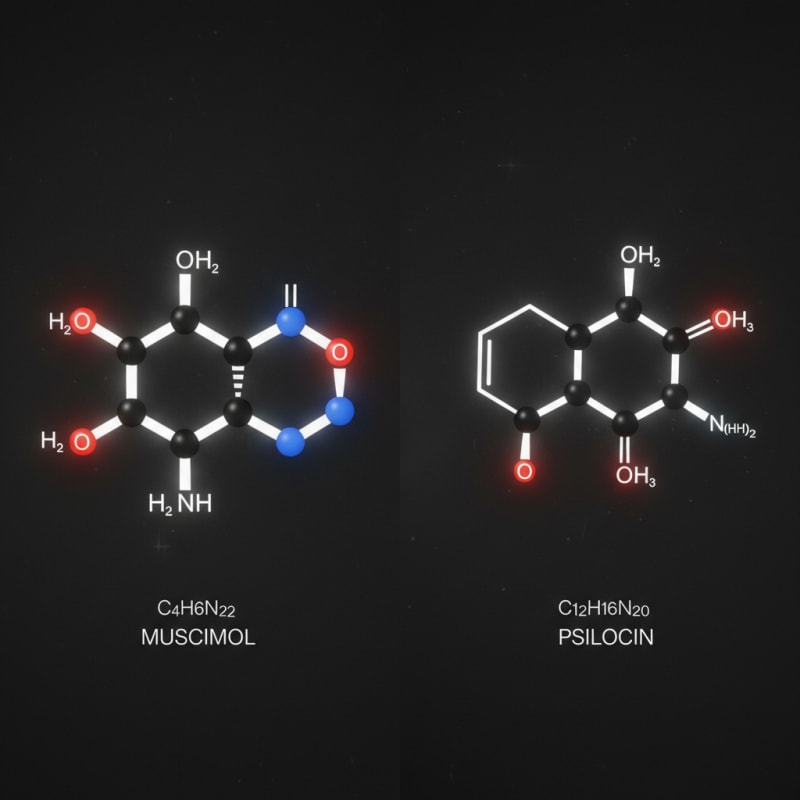
- Psilocybin Mushrooms (*Psilocybe species): These mushrooms contain psilocybin and psilocin. When ingested, the body converts psilocybin into psilocin, the primary psychoactive agent. Psilocin’s molecular structure is very similar to serotonin, a key neurotransmitter. As a result, it primarily binds to serotonin receptors in the brain, particularly the 5-HT2A receptor. This interaction is what produces the classic psychedelic effects of a mushroom journey, such as visual patterns, emotional release, and profound introspection. You can learn more about this process in our post on how psilocybin affects serotonin receptors.
- Amanita muscaria: This mushroom contains ibotenic acid and muscimol. It contains zero psilocybin or psilocin. Ibotenic acid is a neurotoxin that can cause unpleasant effects like nausea, muscle twitching, and confusion. When the mushroom is properly dried or heated, the ibotenic acid converts (decarboxylates) into muscimol. Muscimol is the primary desired psychoactive compound in Amanita muscaria. Unlike psilocin, muscimol interacts with the GABA-A receptor system, which is the brain’s main inhibitory neurotransmitter network. This makes it a GABA agonist, producing effects that are more sedative, dissociative, or deliriant.
How Do the Effects and Risks Differ?
Because they act on different neurotransmitter systems, the subjective experiences and potential risks associated with these mushrooms are worlds apart.
Psilocybin Experience The effects of psilocybin are dose-dependent but are generally categorized as classic psychedelic. Users often report:
- Heightened sensory perception (brighter colours, vivid sounds)
- Complex geometric visual patterns, especially with eyes closed
- Deep introspection and emotional processing
- A sense of interconnectedness or unity
- Altered perception of time and space
The experience is highly influenced by your mindset and environment, a concept known as "set and setting." While a psilocybin experience can be challenging, the primary risks are psychological, such as anxiety or paranoia during the trip.
To ensure a predictable experience, precise, lab-tested dosing is key. Products like mushroom capsules or edibles from trusted sources remove the guesswork. While some prefer the flavour of mushroom gummies, others opt for the simplicity of capsules.
*Amanita muscaria Experience The effects of muscimol are markedly different and often less predictable. Users commonly report:
- Sedation, dream-like states, or deep sleep
- A sense of drunkenness or impaired coordination
- Repetitive motion or thought loops
- Distortions in the perception of size (macropsia or "Alice in Wonderland syndrome")
- Muscle twitching and salivation
Critically, the experience is heavily dependent on preparation. If Amanita muscaria is not properly decarboxylated to convert the neurotoxic ibotenic acid into muscimol, the user risks significant physical discomfort, including profuse sweating, nausea, vomiting, and delirium. The lack of standardized testing for most commercial Amanita products means that the ratio of ibotenic acid to muscimol is often unknown, making consistent and safe dosing a major challenge.
Why Is Amanita Muscaria Trending Now?
The popularity of Amanita muscaria is not necessarily due to its effects but is almost entirely a result of a legal loophole. In most jurisdictions, including federally in the United States and Canada, muscimol and amanita muscaria are not listed as controlled substances. Psilocybin, on the other hand, is.
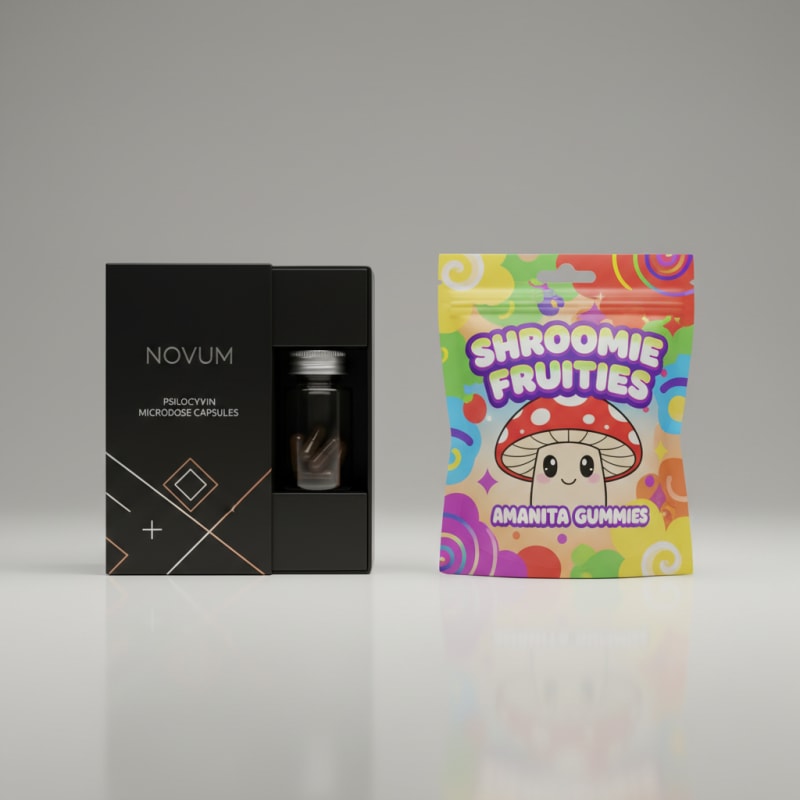
This legal distinction has allowed an unregulated market to flourish. Companies are packaging *Amanita extracts into gummies and chocolates, often using bright, cartoonish branding that may appeal to younger consumers and imply a fun, benign experience similar to cannabis edibles. They can be sold openly in places where psilocybin cannot.
This creates significant consumer risk. Many people purchasing these products may be unaware that they do not contain psilocybin and are unfamiliar with the unique risks associated with muscimol and ibotenic acid. The importance of knowing what "lab tested" actually means is paramount—for *Amanita products, it is often unclear what lab-tested actually means, as there are no standardized requirements for showing the conversion ratio of ibotenic acid to muscimol.
In contrast to the Wild West of Amanita products, the legacy psilocybin market has developed more established practices for ensuring consistency. For anyone seeking a predictable microdosing or macrodosing experience, a precisely measured product like ShroomDash's Golden Teacher Capsules offers a level of reliability that is simply not available with Amanita muscaria preparations. Each batch is lab-tested to confirm potency, ensuring you know exactly what you are consuming.
The rise of Amanita muscaria highlights a critical principle for all consumers: know your fungi. While both mushrooms are psychoactive, they offer vastly different experiences and carry distinct risks. The distinct pharmacology of Amanita muscaria and *Psilocybe species underscores the need for precise consumer awareness and accurate product identification.

ShroomDash Editorial Team
Published 2026-03-20 · 4 min read read · Lab Science