The Two Psilocybin Economies
Quick Summary
The world of psilocybin is split into two economic models. The clinical model involves expensive, supervised high-dose therapy for specific conditions. The wellness model focuses on accessible, affordable products like microdose capsules for daily use, which accounts for nearly half of all psilocybin consumption days.
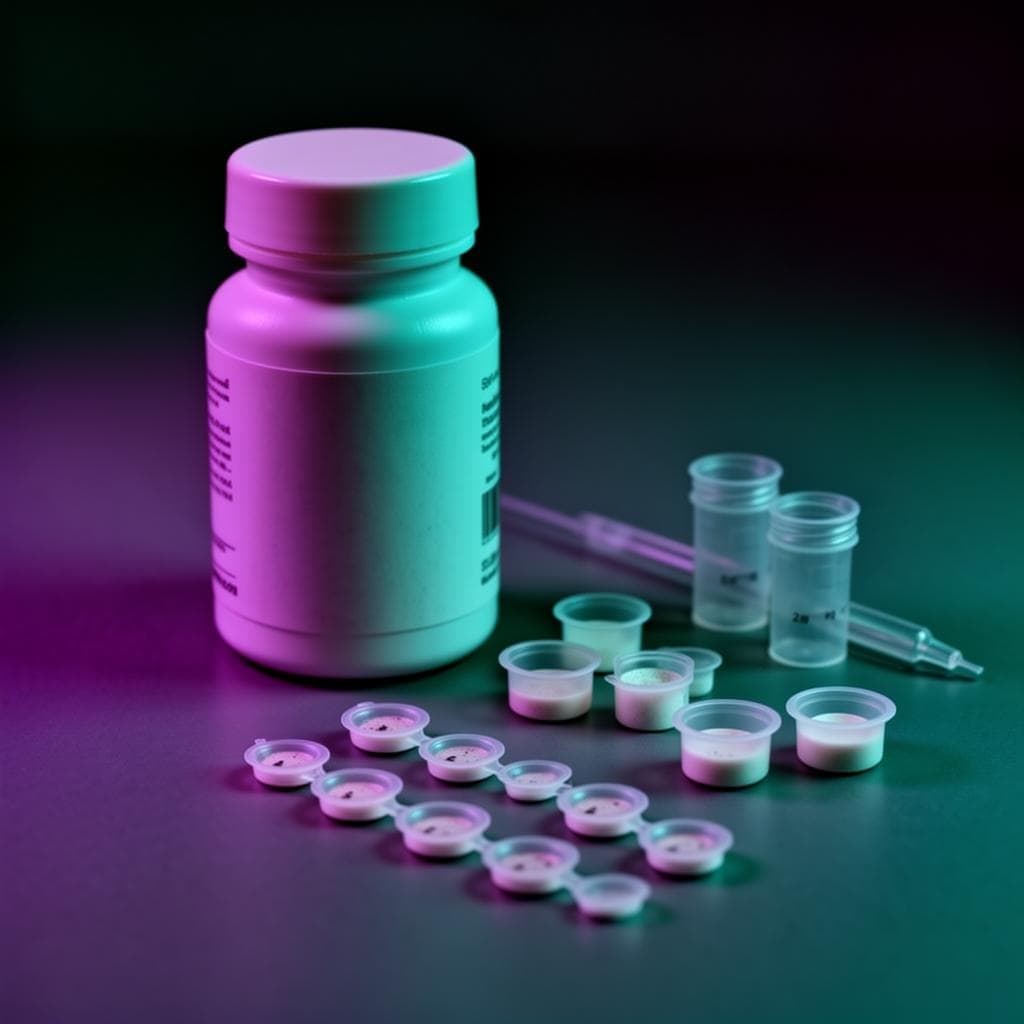
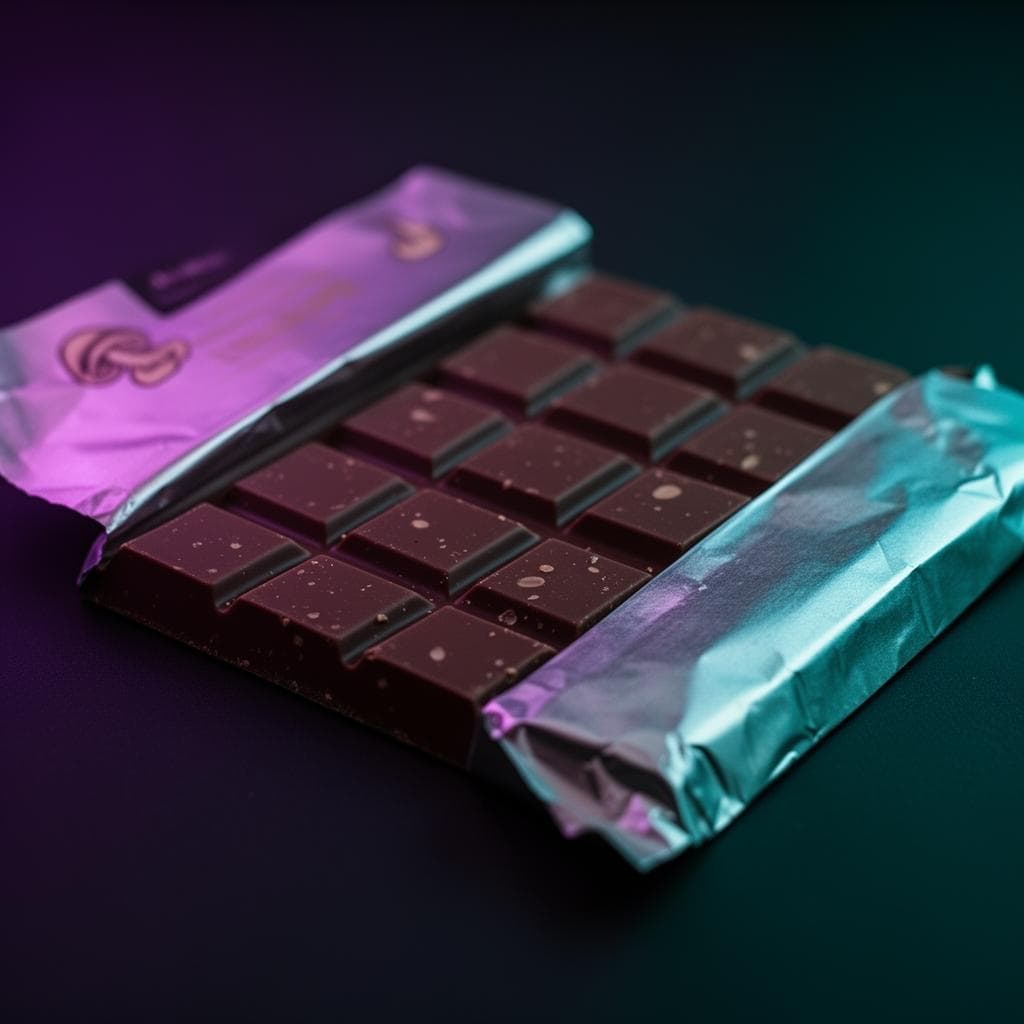
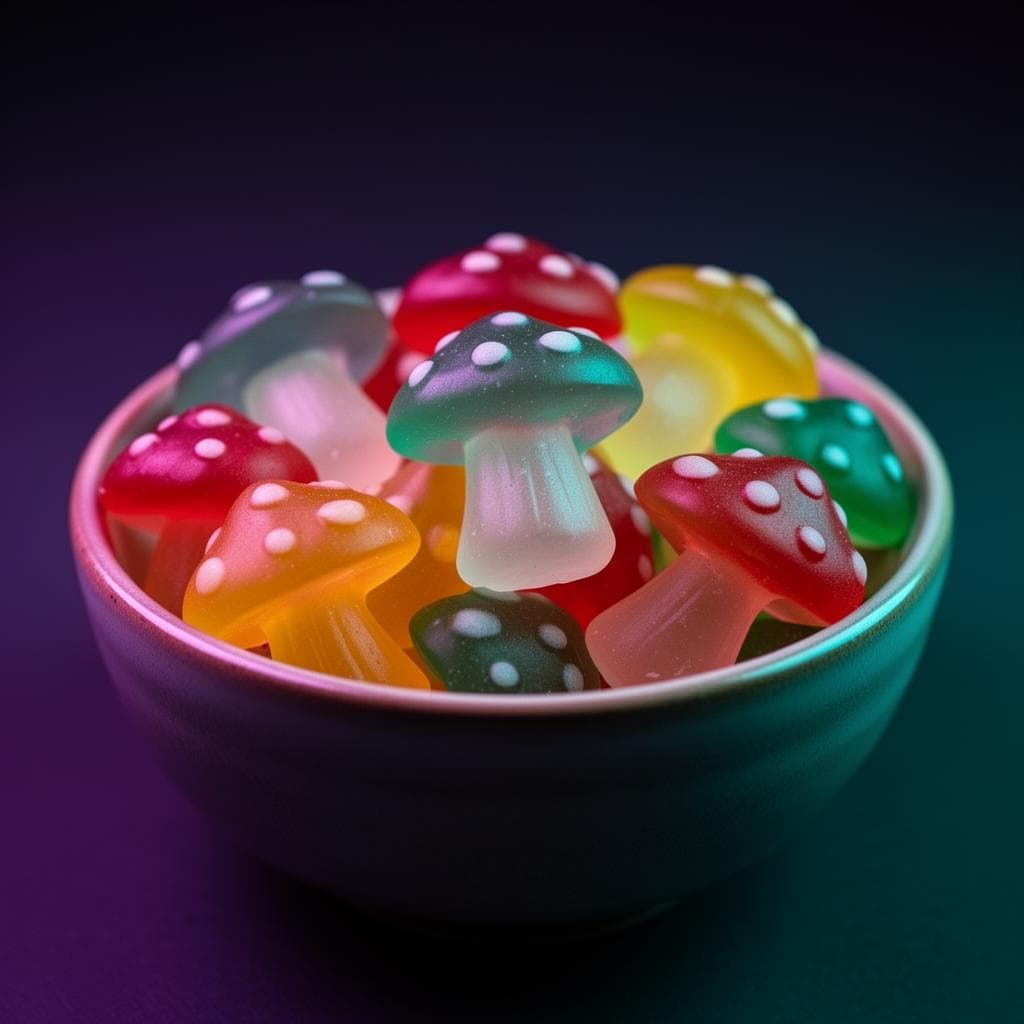
The conversation around psilocybin is splitting into two distinct paths, creating parallel economies that serve different purposes and people. One is the high-profile, clinical model: structured, expensive, and aimed at treating specific medical conditions. The other is the high-volume, wellness model: accessible, affordable, and integrated into daily life. While clinical trials and legislative changes generate headlines, recent data shows that for every day spent in a high-dose therapeutic session, there is roughly a day spent microdosing, revealing a massive, quiet economy of everyday use.
This division isn't just about dosage; it's about access, cost, and intent. The clinical path is necessarily restrictive, requiring professional oversight and significant financial investment. The wellness path, driven by products available at online shops like ours, prioritizes autonomy, routine, and personal exploration. Understanding the economics and logistics of both is key to seeing the full picture of psilocybin's role today.
What Defines the Clinical Psilocybin Model?
The clinical model of psilocybin use is a structured, medically supervised process designed to address diagnosed health conditions. This is the model studied at institutions like Johns Hopkins and is the focus of regulatory fast-tracking. It is not a simple matter of taking a substance; it is a comprehensive therapeutic protocol that involves substantial professional time and resources.
The process typically includes several distinct phases:
- Screening and Preparation: Patients undergo extensive psychological and physical screening to ensure they are suitable candidates. This is followed by multiple preparatory therapy sessions with trained facilitators to establish trust, set intentions, and manage expectations.
- High-Dose Administration: The psilocybin session itself involves a high dose (typically 20-30mg of pure psilocybin) administered in a controlled, clinical setting. The patient is monitored by two facilitators for the entire duration of the experience, which can last six to eight hours.
- Integration: Following the session, patients participate in multiple integration therapy sessions. These are crucial for helping them process the experience, derive meaning from it, and translate insights into lasting behavioral changes.
This intensive protocol comes at a high cost, often running into thousands of dollars for a single course of treatment. The price reflects the specialized environment, the extensive time commitment from multiple medical professionals, and the significant liability and regulatory overhead. The goal is targeted therapeutic outcomes for conditions like major depressive disorder, PTSD, or end-of-life anxiety.
How Does the Wellness Model Differ?
In contrast, the wellness model is built on principles of accessibility, affordability, and self-directed use. This is the economy of microdosing, functional mushroom blends, and occasional personal use outside of a medical framework. It caters to individuals seeking general improvements in well-being, such as enhanced creativity, focus, mood, or spiritual connection, rather than treating a specific pathology.
The key differences are logistical and financial:
- Low Barrier to Entry: This model does not require a diagnosis, a therapist, or a clinical setting. Products are purchased directly and used according to personal judgment and research.
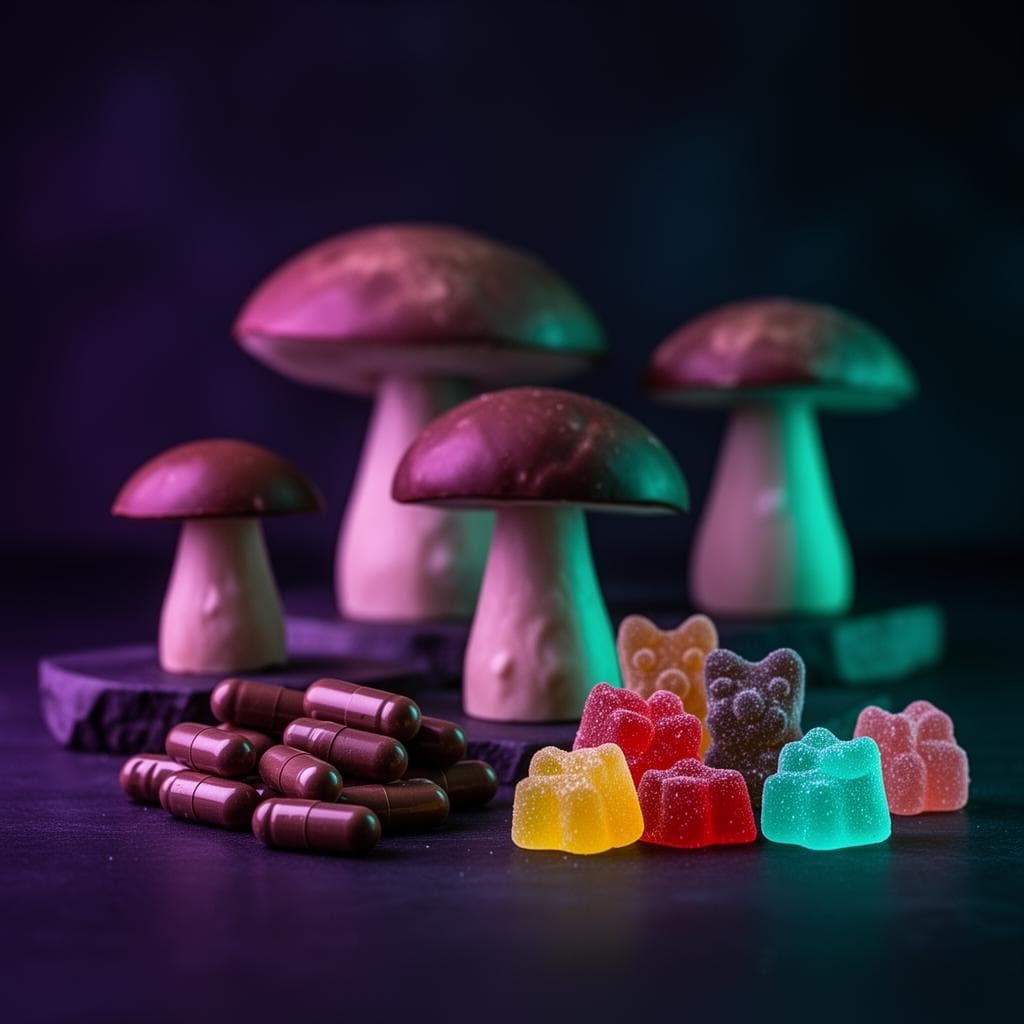
- Focus on Routine: Microdosing, in particular, is designed for integration into a daily or weekly routine. Products like our Balance Microdose Capsules, which combine *Psilocybe cubensis with functional ingredients like Lion’s Mane, are pre-measured for consistency and convenience. They are meant to fit into life, not disrupt it. You can browse our full range of easy-to-dose capsules in the shop.
- Affordability: The cost is a fraction of clinical therapy. A month's supply of microdoses is comparable to other wellness supplements, making it accessible to a much broader population.
This model thrives on productization and user autonomy. Formats like precisely scored chocolate bars or gummies provide users with the tools to manage their own experience, whether it's a sub-perceptual microdose or a moderate dose for a quiet day of reflection. The reasons why mushroom experiences vary (/blog/why-mushroom-experiences-vary) are often tied to this ability to self-select the appropriate dose and setting.
Why Is Non-Clinical Volume So High?
Recent survey data from RAND highlights a crucial fact: nearly half of the more than 200 million days of psilocybin use reported in a single year involved microdosing. This statistic confirms that the wellness model isn't a niche phenomenon; it represents a massive share of total consumption. The reasons for this high volume are primarily practical.
The clinical model, for all its therapeutic promise, is inaccessible to most people. The combination of high cost, the need for a specific diagnosis, and the time commitment (multiple full days for sessions and therapy) creates significant barriers. For a person seeking to manage mild anxiety or improve their creative output, this path is neither practical nor proportionate.
The wellness model offers a low-cost, low-risk alternative. A user can explore the potential benefits of psilocybin without a significant upfront investment or disruption to their life. Products like the Odyssey 1500mg Chocolate Bar offer this flexibility, with squares precisely dosed at 100mg, making it simple to find a dose that fits the user's intention. You can see chocolate options and other formats that prioritize this user control. This accessibility is the primary driver of its enormous volume.
The two psilocybin economies are not in competition but are developing in parallel to serve fundamentally different needs. The clinical model pushes the frontier of medicine under strict supervision, while the wellness model allows for broad, accessible exploration of psilocybin for personal growth and well-being.

ShroomDash Editorial Team
Published 2026-05-04 · 4 min read read · Guides