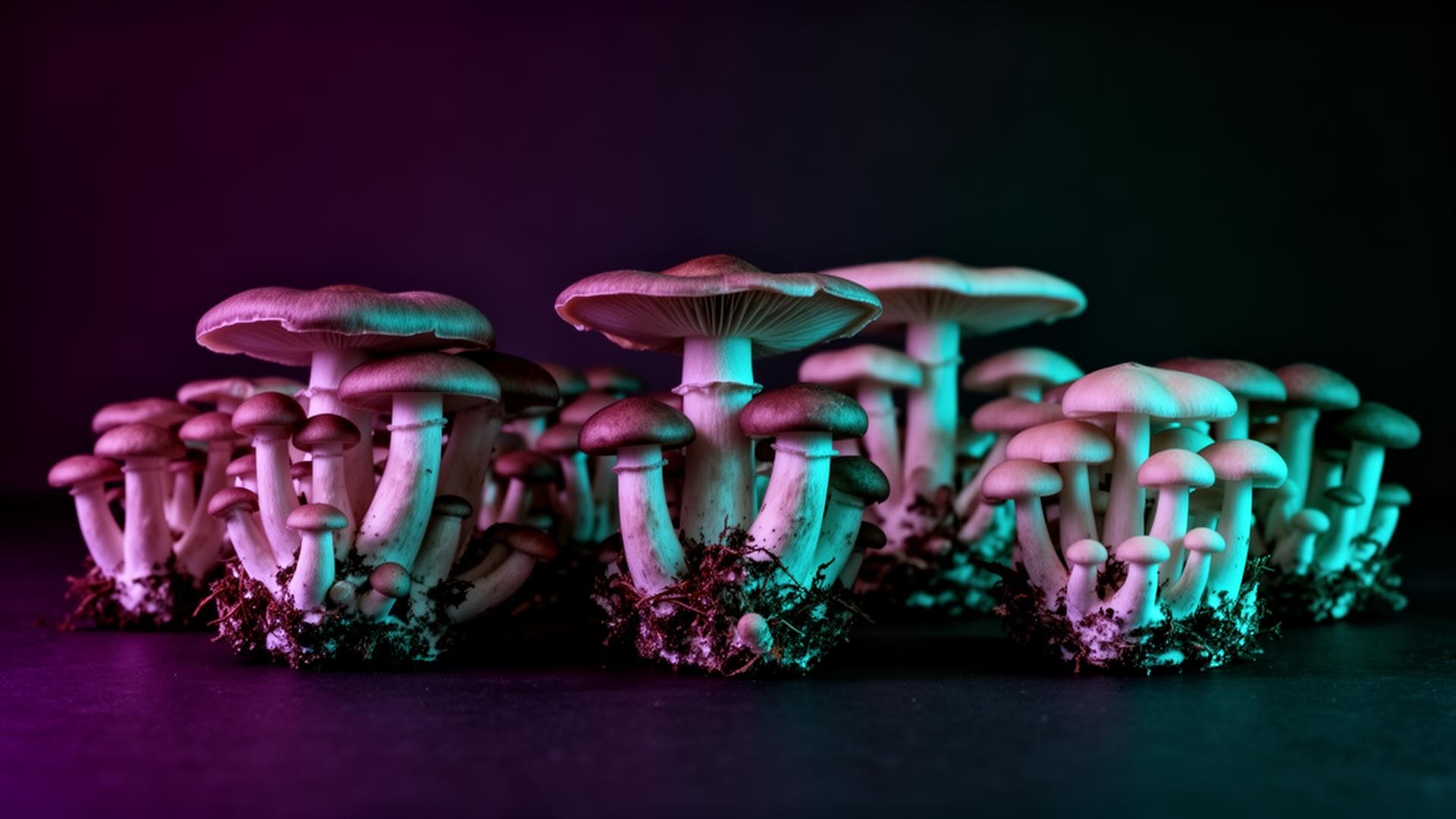

"Wood-Loving" Psilocybin Mushrooms: A Guide
Quick Summary
Wood-loving psilocybin mushrooms are species that thrive on wood chips and mulch, often found in urban landscaping. The most common types, like Psilocybe cyanescens ("Wavy Caps") and Psilocybe azurescens, are significantly more potent than the more familiar Psilocybe cubensis. This guide explains their habitat, characteristics, and key differences from other psilocybin mushrooms.



Reports of psychedelic mushrooms sprouting in the wood-chip landscaping of Silicon Valley tech campuses have drawn attention to a specific category of fungi: "wood-lovers." These species are distinct from the more commonly known *Psilocybe cubensis and represent a fascinating intersection of mycology and urban cultivation. As psilocybin continues to enter mainstream discussion, understanding the different types of mushrooms, their habitats, and their characteristics is essential.
Wood-loving mushrooms are, as the name suggests, fungi that thrive on decaying wood. Their proliferation in modern landscapes is a direct result of the widespread use of wood chips and mulch in gardens, parks, and commercial properties. This has created vast, novel habitats for these species to colonize, often right under our noses.
What Defines a Wood-Loving Mushroom?
In mycology, fungi that grow on wood are known as lignicolous fungi. The "wood-lovers" in the psilocybin context are species that have adapted to feeding on the cellulose-rich environment of wood chips, sawdust, and other treated wood debris used in landscaping. This sets them apart from the dung-loving (coprophilous) species like *Psilocybe cubensis, which are historically more famous and widely cultivated indoors.
Key characteristics of their habitat include:
Substrate: They almost exclusively fruit from wood-based materials. You will not find them growing directly from soil or manure. Environment: They prefer the cool, wet climates typical of the Pacific Northwest and other temperate regions. The mulch beds provide a stable, moisture-retentive environment perfect for mycelial growth. Seasonality: Fruiting is typically triggered by dropping temperatures and increased rainfall in the autumn and early winter months.
The rise of these mushrooms in urban and suburban settings is an accidental consequence of horticultural trends. The same mulch that suppresses weeds and retains soil moisture for ornamental plants also serves as a perfect food source and microclimate for these potent fungi.
Which Species Are Considered Wood-Lovers?
While several species fall into this category, a few are particularly well-known for their potency and distinctive appearance. If you have heard of mushrooms being foraged in parks or on trails, it is likely one of these.
_Psilocybe cyanescens_: Commonly known as "Wavy Caps," this is the species frequently identified on tech campuses and throughout the Pacific Northwest. Its cap is chestnut to caramel-brown, fading to a lighter tan as it dries, and develops a unique wavy or rippled margin at maturity. It is a potent species known for its distinct blue bruising when handled. _Psilocybe azurescens_: Nicknamed "Flying Saucers" for their broad, convex cap with a pronounced nipple-like bump (umbone), these are among the most potent psilocybin mushrooms ever discovered. They are native to a small coastal region of the United States but have been successfully cultivated outdoors in similar climates. Their potency commands significant respect. _Psilocybe allenii_: A more recently classified species, P. allenii is also found in the wood-chip beds of the West Coast. It is visually similar to P. cyanescens but often has a more convex cap that doesn't become as wavy.
These species form dense, perennial mycelial patches that can produce flushes of mushrooms year after year in the same location, as long as the wood substrate remains.
How Do Wood-Lovers Compare to _Psilocybe cubensis_?
The differences between wood-loving species and Psilocybe cubensis are significant, particularly concerning potency and consumption. While P. cubensis is the most common variety for purchase and is often what users first encounter in products like mushroom chocolates, wood-lovers present a different profile.
Potency: This is the most critical distinction. _P. azurescens_ and _P. cyanescens_ can contain several times the concentration of psilocybin and psilocin found in a typical _P. cubensis_. This means that a standard dose by weight for a _cubensis_ mushroom could be overwhelmingly potent if applied to a wood-lover. The high and often variable potency is a primary reason why experiences between mushroom types can differ so drastically. You can read more about this in our post: Why Mushroom Experiences Vary. Predictability: Cultivated _P. cubensis_, especially when used in precisely manufactured products, offers a high degree of predictability. For those interested in controlled experiences, particularly with microdosing, standardized products are a more reliable method. Foraging for wood-lovers introduces many variables, including the risk of misidentification and accidental encounters with dangerously high potency.
Product Spotlight: For those seeking a reliable, low-dose regimen, our Clarity Microdose Capsules provide a consistent and measured amount of psilocybin from _P. cubensis_, removing the guesswork associated with foraged mushrooms. You can find them in our capsules collection.
Taste and Consumption: Many foragers report that wood-loving species have an intensely bitter flavour, which can make direct consumption difficult. This is another area where prepared products provide a more palatable alternative.
Product Spotlight: The PolkaDot Milk Chocolate Bar is a popular choice for those who prefer a full-dose experience without the earthy, often-unpleasant taste of raw mushrooms. It combines premium chocolate with a precisely measured dose of psilocybin.
The discovery of these mushrooms in urban environments is a direct result of human landscaping practices creating ideal conditions. It underscores the resilience and adaptability of fungi to colonize new territories.

ShroomDash Editorial Team
Published 2026-04-01 · 4 min read read · Guides