
Why Psilocybin Is The Top Psychedelic
Quick Summary
A recent RAND study found that 11 million US adults used psilocybin, making it the most popular psychedelic by a wide margin. Its dominance is attributed to its natural origins, versatile applications ranging from microdosing to high-dose therapy, a more manageable 4-6 hour duration compared to LSD, and a positive cultural perception as a wellness tool.


Recent data reveals a clear leader in the landscape of psychedelic use. A 2026 RAND study on psychedelic use in the United States provided a wealth of information, but one statistic stands out: an estimated 11 million adults used psilocybin in the past year. This figure is more than double that of the next most common substance, MDMA, which was used by 4.7 million adults. This gap isn’t a statistical anomaly; it highlights a collection of distinct characteristics that position psilocybin mushrooms as uniquely accessible and versatile for a broad spectrum of users.
The widespread adoption of psilocybin reflects a convergence of cultural trends, practical considerations, and the inherent properties of the substance itself. From microdosing for focus to high-dose introspective journeys, its applications are famously varied. This article examines the key factors contributing to psilocybin’s position as the most prevalent psychedelic substance.
How Popular is Psilocybin, Really?
To understand psilocybin's dominance, it helps to see the numbers side-by-side. The RAND study surveyed use across 11 different substances, and the top five paint a vivid picture of the current landscape:
Psilocybin: 11 million users MDMA: 4.7 million users Amanita muscaria: 3.5 million users Ketamine: 3.3 million users LSD: 3 million users
Psilocybin isn't just in first place; it commands a significant lead. The number of psilocybin users surpasses that of MDMA, ketamine, and LSD combined. The study also found that of the more than 200 million days of psilocybin use reported in the past year, nearly half involved microdosing. This highlights that its popularity is not just about the classic "trip," but about its integration into wellness routines in sub-perceptual amounts. This dual appeal is a primary driver of its widespread use.
What Factors Drive Psilocybin's Popularity?
Several key attributes contribute to psilocybin's status as the most widely used psychedelic. These factors make it more approachable, manageable, and appealing to a broader audience than other substances.
Natural Origins and Accessibility: Unlike synthetic compounds like LSD and MDMA, psilocybin is naturally produced by hundreds of species of fungi. For many, this "from the earth" origin story makes it feel safer and more organic. This perception lowers the barrier to entry for individuals who might be wary of laboratory-created chemicals. The mushrooms themselves are the product, without the need for complex synthesis.
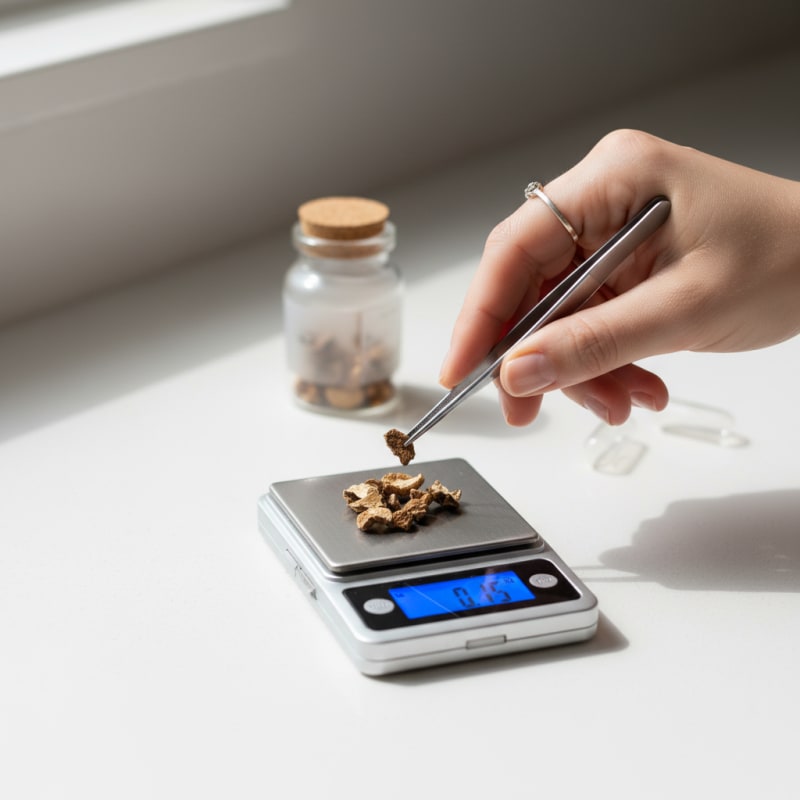
Versatility in Dosing and Intent: Psilocybin is perhaps the most versatile psychedelic in terms of application. It can be used across a wide spectrum of doses to achieve different outcomes. High doses are used in clinical settings for psychedelic-assisted therapy, while moderate doses are common for recreational or spiritual exploration. Crucially, the rise of microdosing has opened a new frontier. Products like Mindful Microdose Capsules are designed for this exact purpose, providing a consistent, sub-perceptual dose for users seeking benefits like enhanced creativity, focus, or mood without a psychoactive experience. This allows psilocybin to serve different needs, from profound therapeutic intervention to a subtle daily supplement, which you can find in our capsules shop.
Manageable Duration: A typical psilocybin experience lasts between 4 to 6 hours. This is significantly shorter than the 8 to 12-hour duration of an LSD experience. This practical difference is a major advantage for many people. A 6-hour experience can be planned for an evening or a free day, whereas a 12-hour commitment requires more extensive preparation and recovery time, making it a much larger undertaking.
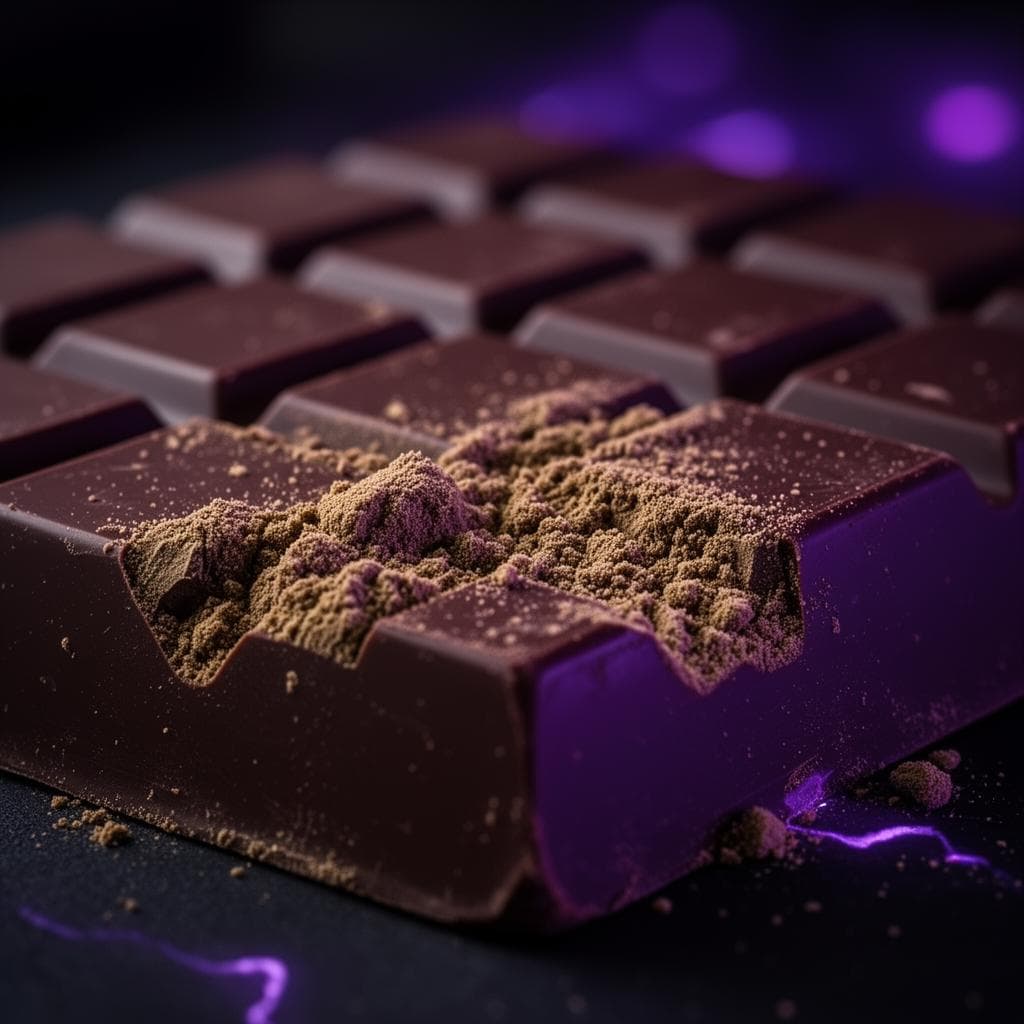
Cultural and Media Framing: Psilocybin has been the primary beneficiary of the "psychedelic renaissance." Documentaries, podcasts, and books have largely focused on mushrooms as a tool for healing and self-discovery. This positive media narrative has helped destigmatize psilocybin and frame it as a wellness product, separate from the cultural baggage associated with other substances. Our Fusion Chocolate Bar is an example of a product that aligns with this modern, accessible image of psilocybin.
How Does Psilocybin Compare to Other Psychedelics?
A direct comparison with other popular substances further clarifies why psilocybin has pulled ahead of the pack.
Vs. LSD: While both are classic serotonin-agonist psychedelics, LSD's purely synthetic nature and long duration make it less practical for many. The controlled, predictable dosing of modern psilocybin products also contrasts with the often-uncertain dosage of LSD sold illicitly on blotter paper.
Vs. MDMA: MDMA is an empathogen, not a classic psychedelic. Its effects are primarily social and emotional, making it popular in therapeutic and party settings. However, it is not typically used for the kind of introspective or creative exploration associated with psilocybin and is not suitable for microdosing.
Vs. Ketamine: Ketamine is a dissociative anesthetic with a very different mechanism of action and experiential profile. Used clinically for depression, its effects are shorter but often described as more disorienting or "weird" than psilocybin. It doesn't offer the same range of applications, being largely confined to clinical or specific recreational contexts.
Vs. Amanita muscaria: Many users are surprised to see another mushroom, Amanita muscaria, on the list of popular psychedelics. It is crucial to understand that Amanita muscaria is not psilocybin. It contains muscimol and ibotenic acid, which are dissociative compounds, not classic psychedelics. Its inclusion in the top five highlights the need for consumer education, as its effects and risk profile are entirely different from those of psilocybin mushrooms.
The preference for psilocybin appears to be a clear choice made by millions of users. Its unique combination of natural origins, dosing versatility, manageable duration, and positive cultural framing makes it the most adaptable and approachable psychedelic substance available today.

ShroomDash Editorial Team
Published 2026-04-13 · 4 min read read · Dosing