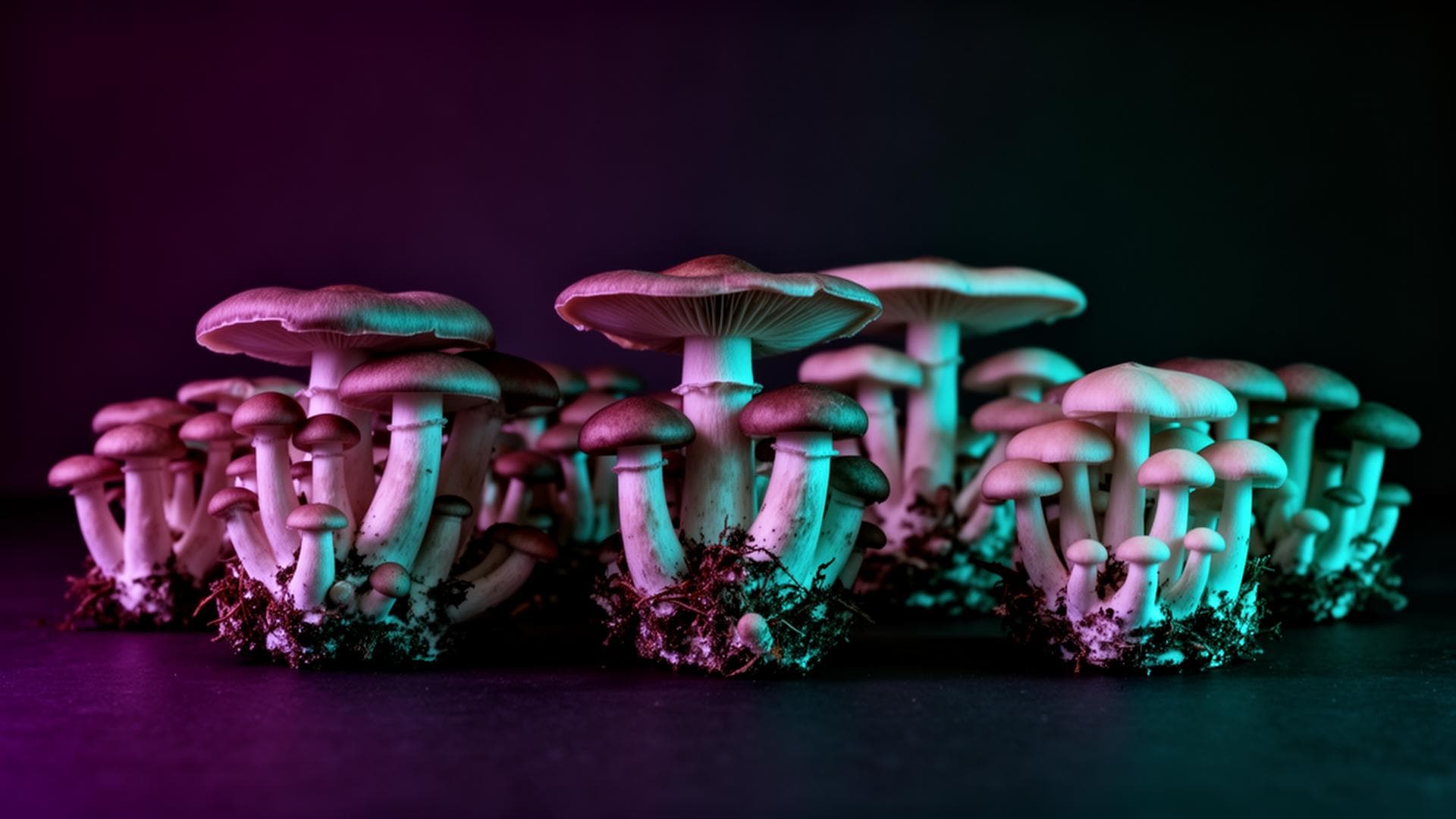

Psilocybin's Two Paths: Clinical vs. Wellness Use
Quick Summary
Recent data shows millions of adults use psilocybin for wellness, primarily through microdosing. This stands in contrast to the clinical research model, which uses high, guided doses to treat severe mental health conditions. These two paths exist due to different goals, research priorities, and levels of accessibility.

Recent data reveals a fascinating duality in how psilocybin is being used. On one hand, institutions like the Johns Hopkins Center for Psychedelic and Consciousness Research are conducting rigorous clinical trials. On the other, a recent RAND study indicates that millions of adults are independently using psilocybin for wellness, primarily through microdosing. These two distinct paths—clinical and wellness—operate in parallel, driven by different goals, methods, and user expectations.
The formal, clinical path is what often makes headlines: psilocybin-assisted therapy for treating severe conditions like major depressive disorder (MDD) and post-traumatic stress disorder (PTSD). The wellness path is a quieter, consumer-driven movement focused on general life enhancement, creativity, and mental clarity. Understanding the distinction between these two worlds is crucial for anyone interested in psilocybin today.
What Does the Clinical Path Involve?
The clinical model for psilocybin is structured, controlled, and focused on treating specific, diagnosed health conditions. It is not about casual use; it is a targeted medical intervention.
Key characteristics of the clinical path include:
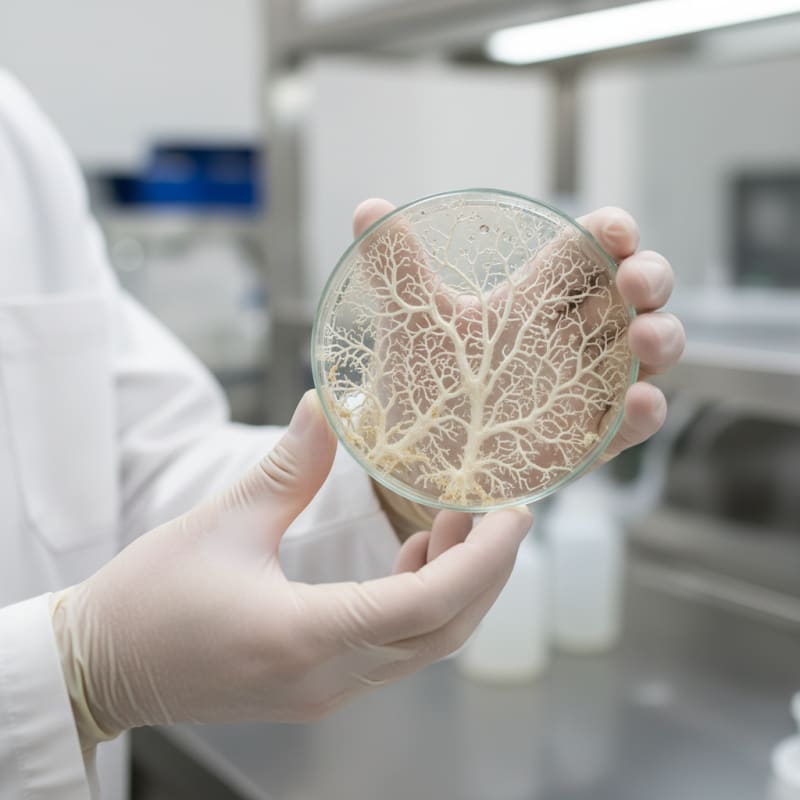
- High Doses, Infrequent Sessions: Clinical trials typically administer a single, high dose of pure, synthetic psilocybin designed to induce a profound or "mystical" experience. This is not a recreational event but a therapeutic catalyst, often followed by one or two subsequent sessions.
- Therapeutic Setting: The experience takes place in a controlled, safe environment, usually a comfortable room designed to be calming. Patients are supervised by trained therapists or facilitators who guide them through the experience and help them integrate the insights gained afterward.
- Integration with Therapy: The psilocybin session is just one part of a broader therapeutic framework. It is almost always paired with extensive psychotherapy, such as Cognitive Behavioral Therapy (CBT), both before and after the session. The goal is to use the neuroplasticity and emotional openness prompted by psilocybin to make lasting therapeutic progress.
- Focus on Illness: The primary objective is to alleviate the symptoms of specific, often treatment-resistant, psychiatric and behavioral disorders. Success is measured by established clinical metrics, like a reduction in depression scores on a standardized scale.
This path is methodical, expensive, and currently inaccessible to the general public. It represents the long, rigorous process of getting a new medical treatment approved by regulatory bodies like Health Canada or the FDA.
How Is the Wellness Path Different?
In contrast, the wellness path is defined by accessibility, personal autonomy, and a focus on optimization rather than treatment. This is the world of microdosing and personal experimentation that has become a primary use case for psilocybin.
The wellness path is characterized by:
- Low, Regular Doses: The most common method is microdosing—taking a sub-perceptual dose (typically 25mg to 100mg) on a recurring schedule. The intent is not to "trip" or have an altered state of consciousness, but to experience subtle, cumulative benefits over time. A useful resource for structuring this is our complete microdosing schedule guide.
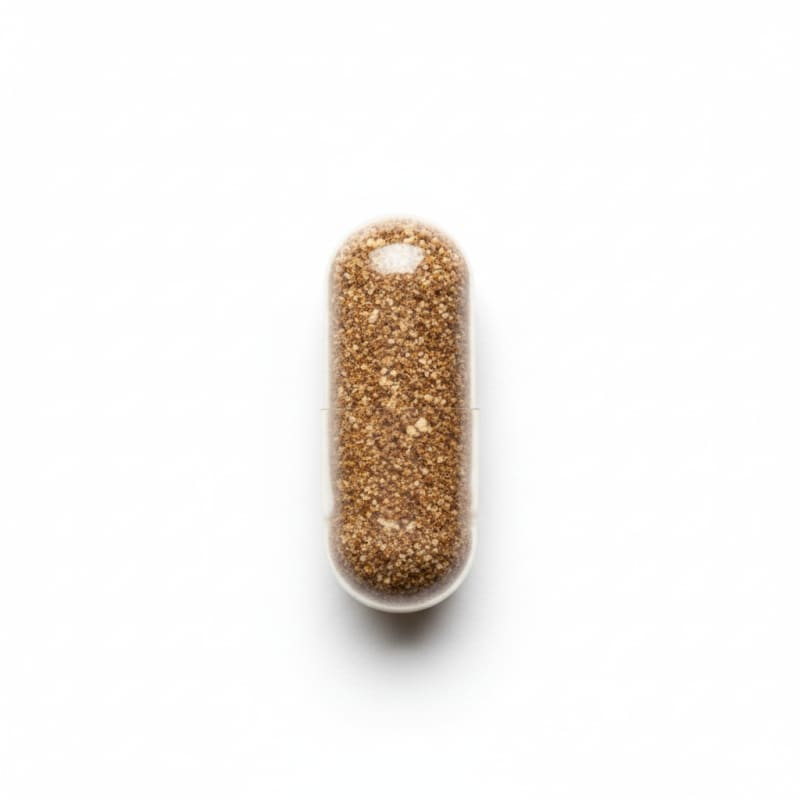
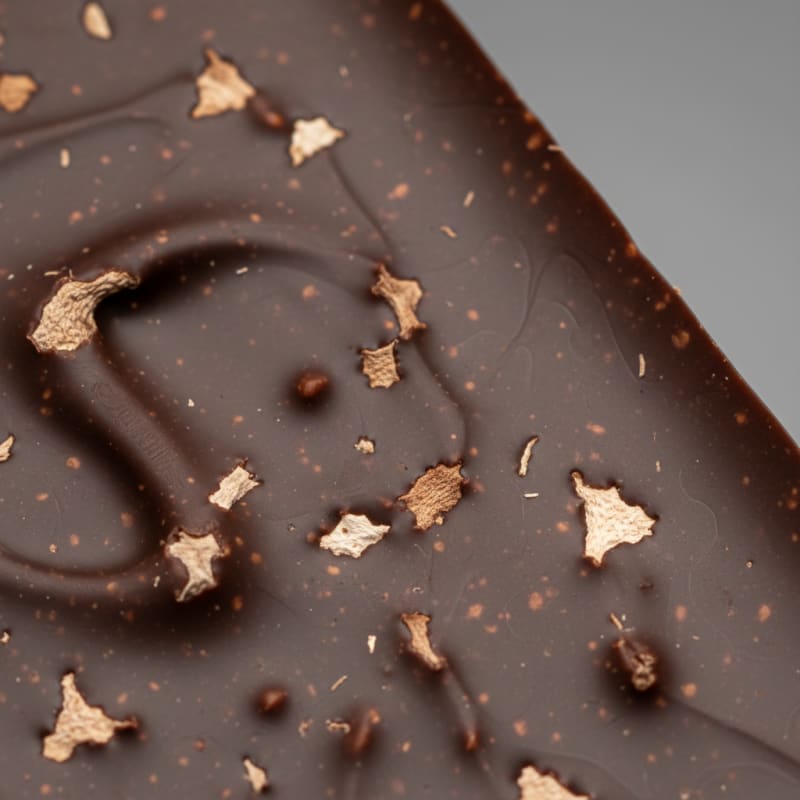
- Whole-Fungus Products: Instead of pure, synthetic psilocybin, wellness users typically consume products made from whole *Psilocybe mushrooms. These come in various formats, with precisely dosed edibles like mushroom capsules and chocolates being the most popular for their convenience and consistency.
- Focus on General Well-Being: Users are often not seeking to treat a severe, diagnosed illness. Instead, they report goals like enhanced creativity, improved focus, greater emotional regulation, and a general sense of well-being. It is about improving one's baseline state, not healing from a major disorder.
Our Clarity Microdose Capsules (25mg) are specifically formulated for this purpose, providing a very low, sub-perceptual dose ideal for cognitive enhancement protocols.
Why Are These Two Worlds So Divergent?
The simultaneous evolution of these two paths stems from a few key factors. First, clinical research prioritizes what is measurable and fundable. It is far easier to secure funding and regulatory approval for a study that shows a dramatic reduction in severe depression than one that measures a subtle increase in subjective creativity. This has led to a research landscape that often overlooks microdosing in favor of high-dose studies.
Second is accessibility. The clinical path, while promising, is years or even decades away from being widely available. Faced with this timeline, individuals interested in the potential benefits of psilocybin are turning to the wellness market, which provides immediate access. This consumer demand drives the innovation and variety seen in products made from whole mushrooms, like our Golden Teacher Mushrooms, which are chosen for their reliable and balanced effects in wellness applications.
Ultimately, the goals are fundamentally different. The clinical world uses psilocybin as a powerful tool to help reset the brain in the context of severe illness. The wellness world uses it as a subtle modulator to enhance day-to-day life. One is an acute intervention; the other is a sustained practice.
These two paths are not necessarily in conflict. Data from widespread wellness use can generate new hypotheses for researchers to test in controlled settings. Conversely, as clinical research validates the safety and efficacy of psilocybin, it will almost certainly bring more rigorous standards and understanding to the wellness market. For now, they remain two separate but equally significant facets of psilocybin's modern story.

ShroomDash Editorial Team
Published 2026-03-07 · 4 min read read · Lab Science