Psilocybin's Two Paths: Clinical vs. Real-World Use
Quick Summary
Psilocybin is evolving along two separate paths. Clinical research focuses on high-dose, therapist-guided sessions to treat severe conditions like depression. In contrast, mainstream real-world use is dominated by low-dose microdosing for wellness, creativity, and mood enhancement.
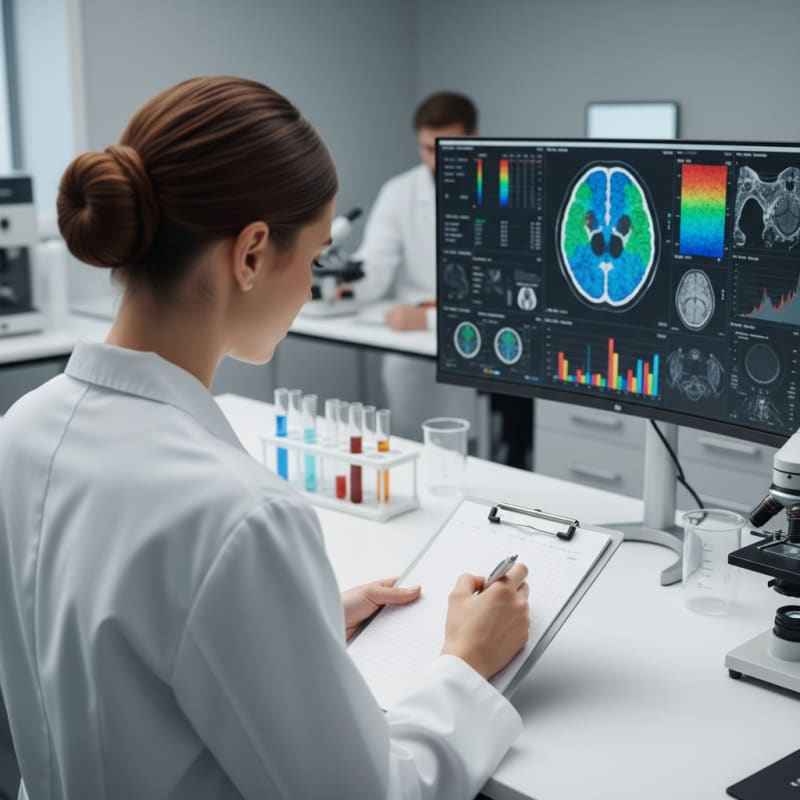
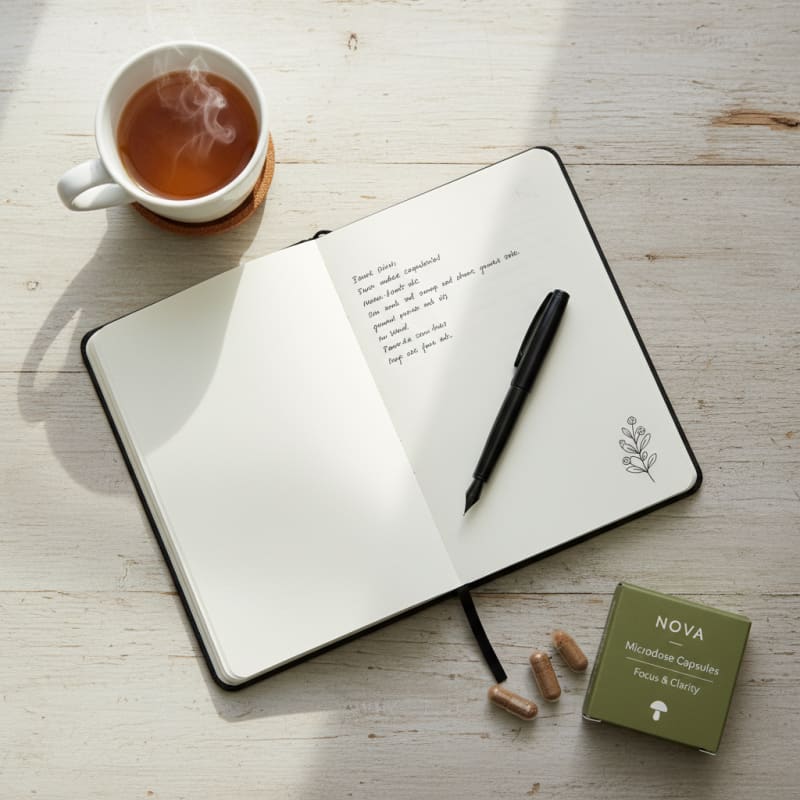
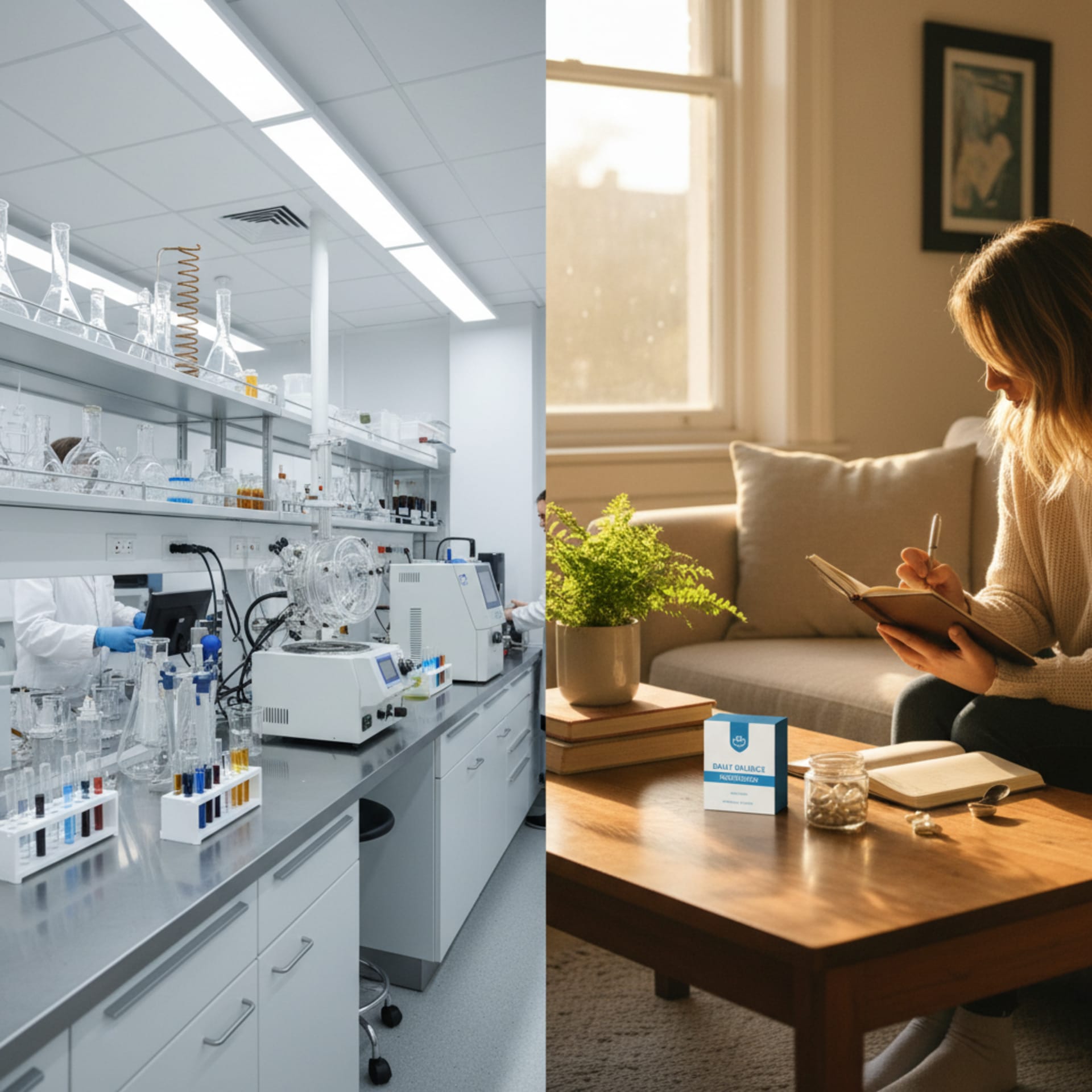
Psilocybin is currently evolving along two distinct, parallel paths. In one world, prestigious institutions like the Johns Hopkins Center for Psychedelic and Consciousness Research are conducting slow, methodical, and highly regulated clinical trials. In the other, millions of people are independently using psilocybin products, primarily through microdosing, to enhance their daily lives. These two worlds operate with different objectives, methodologies, and philosophies, creating a significant divergence between the scientific frontier and mainstream real-world application.
What Does Clinical Psilocybin Research Focus On?
Clinical research into psilocybin is characterized by its rigorous, controlled, and cautious approach. The primary goal is to establish psilocybin as a safe and effective treatment for specific, often severe, medical and psychiatric conditions. This research operates within the strict frameworks established by health authorities.
Key characteristics of the clinical model include:
- High-Dose Sessions: Most clinical trials use moderate to high doses of psilocybin, typically ranging from 20 to 30mg per 70kg of body weight. The objective is to induce a profound or "mystical-type" experience, which is often correlated with positive therapeutic outcomes.
- Therapist Guidance: Sessions are not undertaken alone. Participants are guided by one or two trained therapists who provide psychological support before, during, and after the experience. This structured approach, a core component of how to properly manage set and setting for mushroom experiences, is considered critical for safety and efficacy.
- Specific Indications: Research is not focused on general wellness. Instead, it targets diagnosed disorders such as Major Depressive Disorder (MDD), end-of-life anxiety in cancer patients, Post-Traumatic Stress Disorder (PTSD), and substance use disorders like smoking addiction.
- Controlled Environments: Psilocybin is administered in a clinical setting designed to be safe, comfortable, and non-distracting, often resembling a living room more than a hospital room.
The therapeutic model being tested is resource-intensive, requiring extensive screening, preparation, and integration therapy sessions. This structure is designed to maximize safety and therapeutic benefit but also makes it inaccessible and impractical for the general public seeking wellness benefits.
How Does Real-World Use Differ From Clinical Trials?
While the clinical world moves with caution, public use of psilocybin has accelerated rapidly. This trend is not defined by high-dose, therapist-guided sessions but by the exact opposite: low-dose, self-administered protocols aimed at subtle, sub-perceptual improvements in day-to-day life.
Mainstream use is dominated by microdosing. According to a 2026 RAND study, approximately two-thirds of adults who used psilocybin in the past year reported microdosing at least once. This involves taking a very small fraction of a recreational dose—typically 50mg to 200mg—with the intention of avoiding an altered state of consciousness.
The goals of real-world users are fundamentally different from those of clinical trial participants:
- Wellness and Optimization: Instead of treating a diagnosed illness, users are often seeking to enhance mood, boost creativity, improve focus, and reduce general anxiety. The objective is not to cure a disorder but to optimize a state of well-being.
- Self-Administration: Users manage their own dosing schedules, sourcing, and protocols without clinical oversight. This relies on personal research and community knowledge. A popular practice involves following a protocol detailed in our complete microdosing schedule guide, such as one day on, two days off.
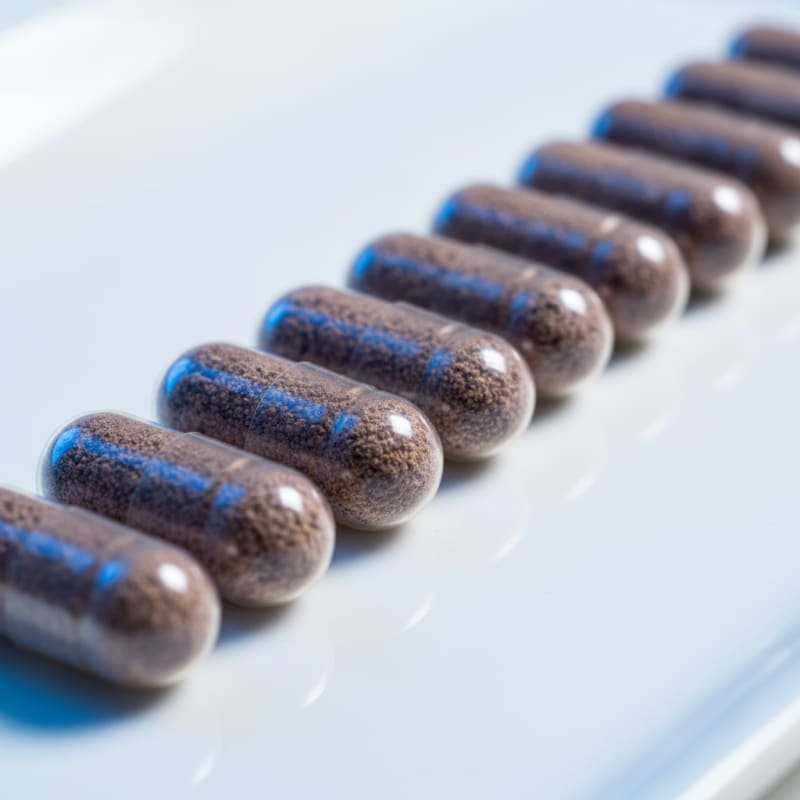
- Product Formats: The market has responded with products designed for this user. Precisely dosed edibles and capsules have become the standard, removing the variability and guesswork of using raw dried mushrooms. For instance, Clarity Microdose Capsules (100mg) are specifically formulated with a consistent, low dose of *Psilocybe cubensis combined with other functional ingredients like Lion's Mane. This allows users to accurately manage their protocols without needing a lab.
Why Is There Such a Disconnect?
The divergence between clinical research and real-world use stems from several factors. First, the regulatory environment makes clinical research incredibly slow and expensive. Studies take years to approve and conduct, while public interest and use can shift in months. The public is not waiting for institutional validation.
Second, the objectives are fundamentally misaligned. Clinical research must prove efficacy for a specific, diagnosable condition to gain medical approval. Its endpoint is the treatment of illness. Real-world use is driven by a desire for personal growth and wellness enhancement, a field that falls outside the medical system's purview. Science is built to study medication for the sick, not tools for the healthy. The contrast between these two approaches is a central theme when comparing clinical trials vs. real-world psilocybin data.
Finally, the products themselves reflect this disconnect. A clinic might use pure, synthesized psilocybin, while the public uses a variety of accessible formats. Products like Wonder Mushroom Gummies are designed for ease of use and consistency, offering a reliable way to manage intake that fits into a daily routine. This consumer-friendly approach stands in stark contrast to the highly medicalized single-dose administration seen in clinical trials.
The two worlds of psilocybin are not necessarily in conflict, but they are proceeding on separate tracks with different destinations in mind. One aims for a prescription-based medical treatment, while the other is building a culture of self-guided wellness and personal optimization.
The current landscape shows clinical research proceeding to validate psilocybin as a powerful tool for treating specific mental health crises, while public adoption of microdosing for daily well-being continues to expand at a rapid pace.

ShroomDash Editorial Team
Published 2026-03-02 · 4 min read read · Lab Science