Psilocybin Volume: The Rise of Microdosing Days
Quick Summary
A new study shows that microdosing accounts for nearly half of all days of psilocybin use. This finding challenges the public narrative focused on high-dose "trips" and reframes psilocybin as a substance often used in small, regular amounts, similar to a daily supplement. This perspective is important for public health, research, and policy.
Recent data from a 2026 RAND study has illuminated a fundamental aspect of psilocybin use that diverges significantly from the prevailing public and media narrative. The research found that of the more than 200 million days of psilocybin use reported in the past year, nearly half involved microdosing. This statistic challenges the conventional image of psilocybin consumption as a rare, high-impact event and suggests that for a large number of people, it is a routine and regular practice.
This shift in understanding requires a new metric for evaluating use: moving from counting the number of users or "trips" to counting the total number of "use days." The data indicates that while millions of adults use psilocybin, the volume of consumption is heavily weighted towards low, non-perceptual doses. This reframes the conversation around psilocybin, moving it away from the exclusive domain of intense therapeutic sessions and toward a model that more closely resembles daily supplementation.
Why is "Days of Use" a More Accurate Metric?
Historically, discussions about substance use have focused on prevalence—how many people have used a substance within a given timeframe. While useful, this metric can be misleading when it comes to psilocybin. For example, one person who undertakes a single high-dose journey in a year is counted the same as a person who microdoses three times a week for the entire year. While they are both single users, their consumption patterns and total volume are vastly different. The second individual accounts for 156 use days, whereas the first accounts for only one.
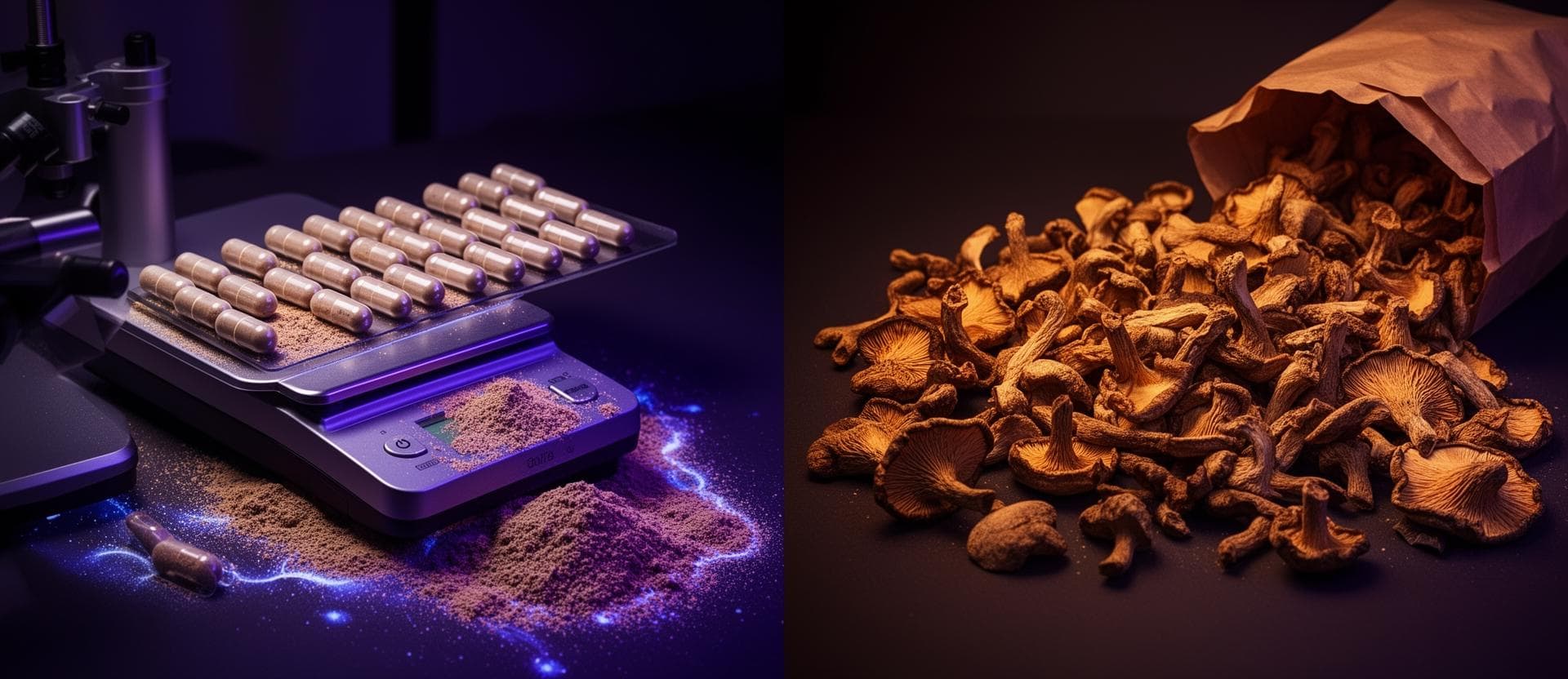
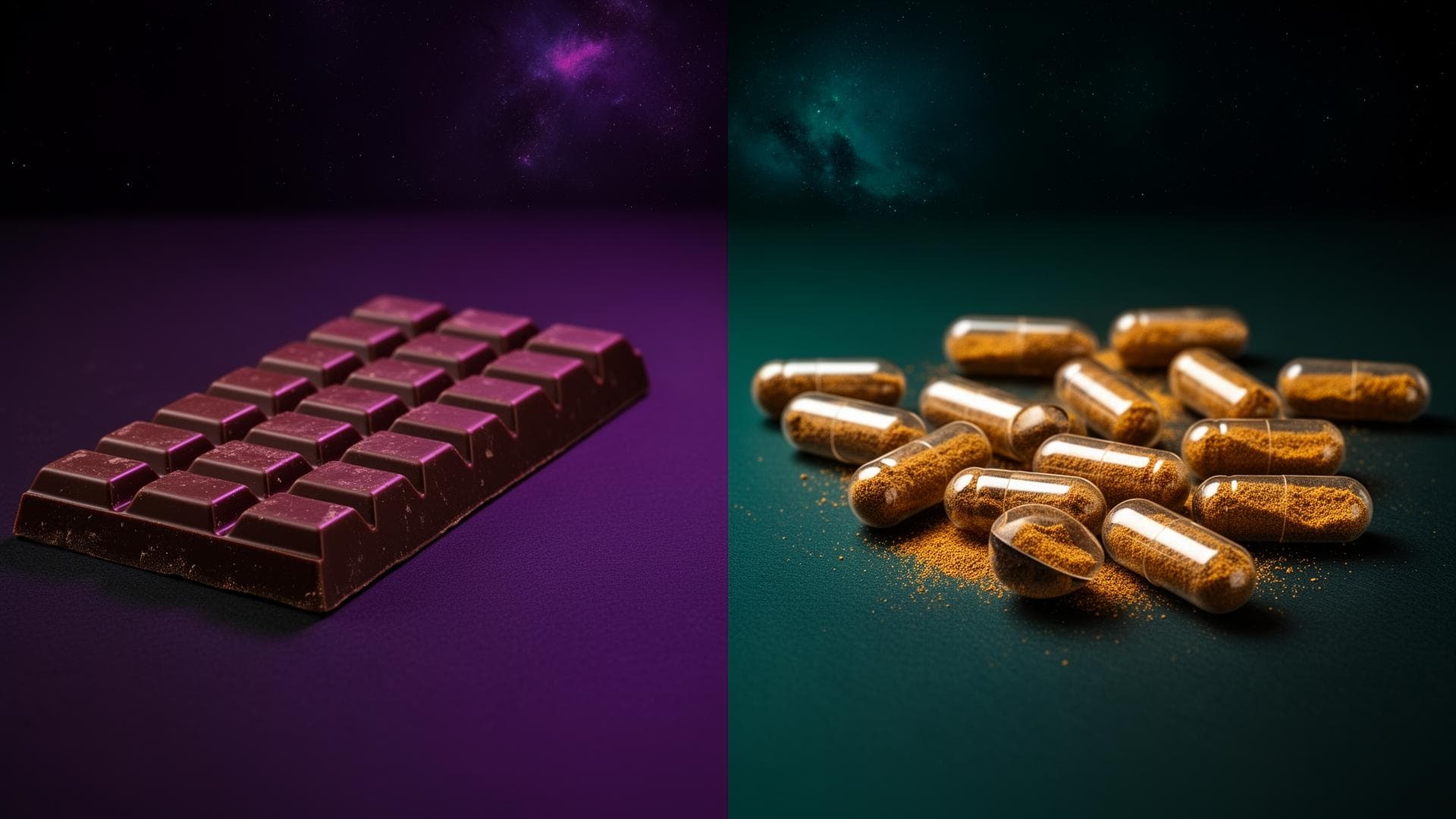
The RAND study highlights this disparity. By analyzing "use days," we gain a more precise understanding of the scale and nature of psilocybin consumption. It reveals that the narrative focused on occasional, high-dose experiences, often seen in clinical trials and media reports, represents only a fraction of how psilocybin is actually being used. The silent majority of consumption, it turns out, is happening in small, consistent amounts. This distinction is critical for informing public health policy, research priorities, and harm reduction education. It also helps explain the rise of specific product formats, such as precisely measured capsules and edibles, which cater to this pattern of regular, low-dose use.
A deeper look at what constitutes a "dose" is essential for this conversation. As we've explored in our post, "What Is a 'Dose' of Psilocybin?", the amount can range from a sub-perceptual 50mg to a therapeutic 5,000mg or more. The data on use days confirms that the lower end of this spectrum accounts for a massive volume of total consumption.
What Does This Data Reveal About Psilocybin's Role?
The finding that microdosing constitutes nearly half of all use days suggests psilocybin often plays a role similar to a vitamin or supplement rather than a powerful, one-time intervention. Users who microdose are not typically seeking an altered state of consciousness. Instead, they often report motivations related to improved mood, enhanced creativity, increased focus, and general well-being. This pattern of use integrates psilocybin into daily or weekly routines, much like taking a multi-vitamin, drinking a morning coffee, or using other nootropics.
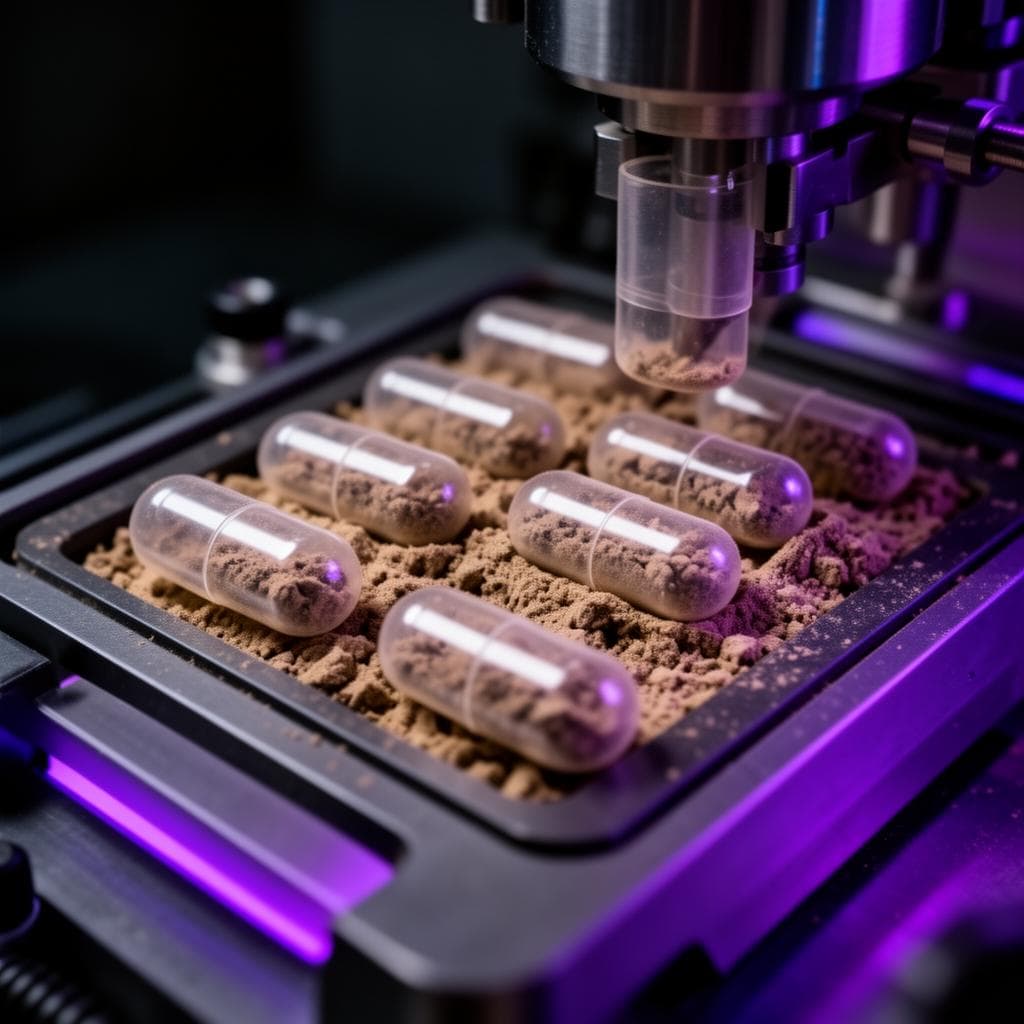
This routine-based use pattern is supported by the product formats that have become most common. For individuals seeking consistency, products like our Clarity Microdose Capsules are designed for precision. Each capsule contains a specific, pre-measured amount of *Psilocybe cubensis powder, removing the guesswork and variability associated with other methods. This allows for a structured regimen where the user can reliably track their intake and its effects over time. The popularity of such microdosing capsules directly reflects the trend identified in the data: a significant portion of the market is prioritizing consistency and routine over intensity.
This reality of psilocybin use stands in contrast to the picture painted by much of the academic and media coverage. The disconnect between research and reality is substantial, with most clinical studies focusing exclusively on the effects of infrequent, high-dose, therapist-guided sessions. While that research is valuable, it overlooks the primary way many people engage with psilocybin.
How Does This Reality Compare to the Public Narrative?
The public narrative, heavily influenced by clinical research from institutions like Johns Hopkins, has centered on psilocybin-assisted therapy for conditions like depression, PTSD, and addiction. These studies almost exclusively use high doses to induce profound mystical experiences, which are believed to be the catalyst for therapeutic change. Media coverage understandably gravitates toward these dramatic, life-altering stories. The result is a skewed public perception that equates psilocybin use with intense, psychologically demanding "trips."
The data on use days provides a necessary corrective. It shows that for every person undergoing a high-dose session, there are thousands of doses being taken in a sub-perceptual, routine manner. This does not invalidate the therapeutic potential of macrodosing, but it does suggest that the wellness and self-management model of microdosing is a far larger phenomenon. This has significant implications for regulation and safety. Policies built around a model of infrequent, clinically supervised sessions may be ill-equipped to address a reality where the dominant use pattern is frequent, unsupervised, and low-dose.
Understanding that nearly half of all psilocybin consumption happens one microdose at a time is not just a statistical curiosity. It is a critical piece of information that should reframe how researchers, policymakers, and the public think about and discuss psilocybin.
The data encourages a more nuanced perspective, one that acknowledges both the profound potential of high-dose therapeutic work and the widespread practice of microdosing for ongoing wellness and cognitive enhancement.

ShroomDash Editorial Team
Published 2026-04-30 · 4 min read read · Dosing