
Psilocybin Use: Routine vs. Rare Event
Quick Summary
New research shows that psilocybin use is not just about infrequent, high-dose 'trips.' Data reveals that nearly half of all days of psilocybin use involve microdosing, establishing a common pattern of use as a regular, supplement-like wellness routine rather than a rare, transformative event.


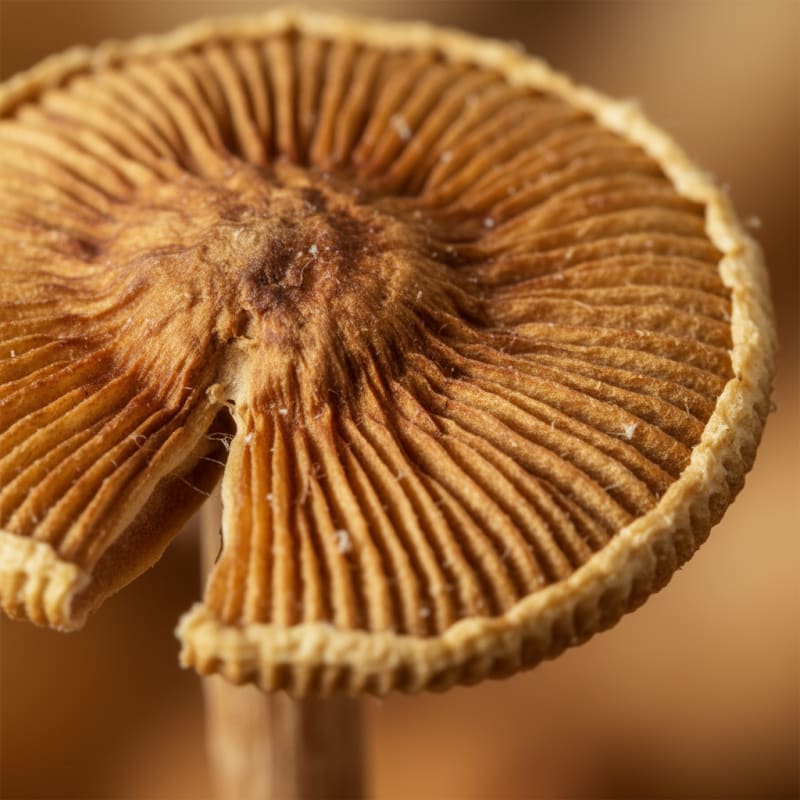
The public conversation around psilocybin often conjures a specific image: a user undertaking a profound, hours-long journey. This "rare event" model, punctuated by intense introspection and altered states of consciousness, is the primary focus of clinical research and media headlines. However, emerging data reveals another, equally significant pattern of use—one that looks less like a momentous occasion and more like a daily supplement.
New research from the RAND Corporation indicates that for every two days of psilocybin use, one of them is a microdosing day. This simple statistic reframes our entire understanding of how psilocybin is being integrated into modern life. It suggests that for a vast number of users, psilocybin is not a once-a-year trip, but a regular wellness routine.
What Does "A Day of Use" Actually Mean?
When researchers analyze substance use, they often look at "days of use" to measure prevalence and patterns. A 2025 RAND study on psychedelic use did just that, and the findings were illuminating. Out of more than 200 million days of psilocybin use reported by U.S. adults in the past year, nearly half involved microdosing.
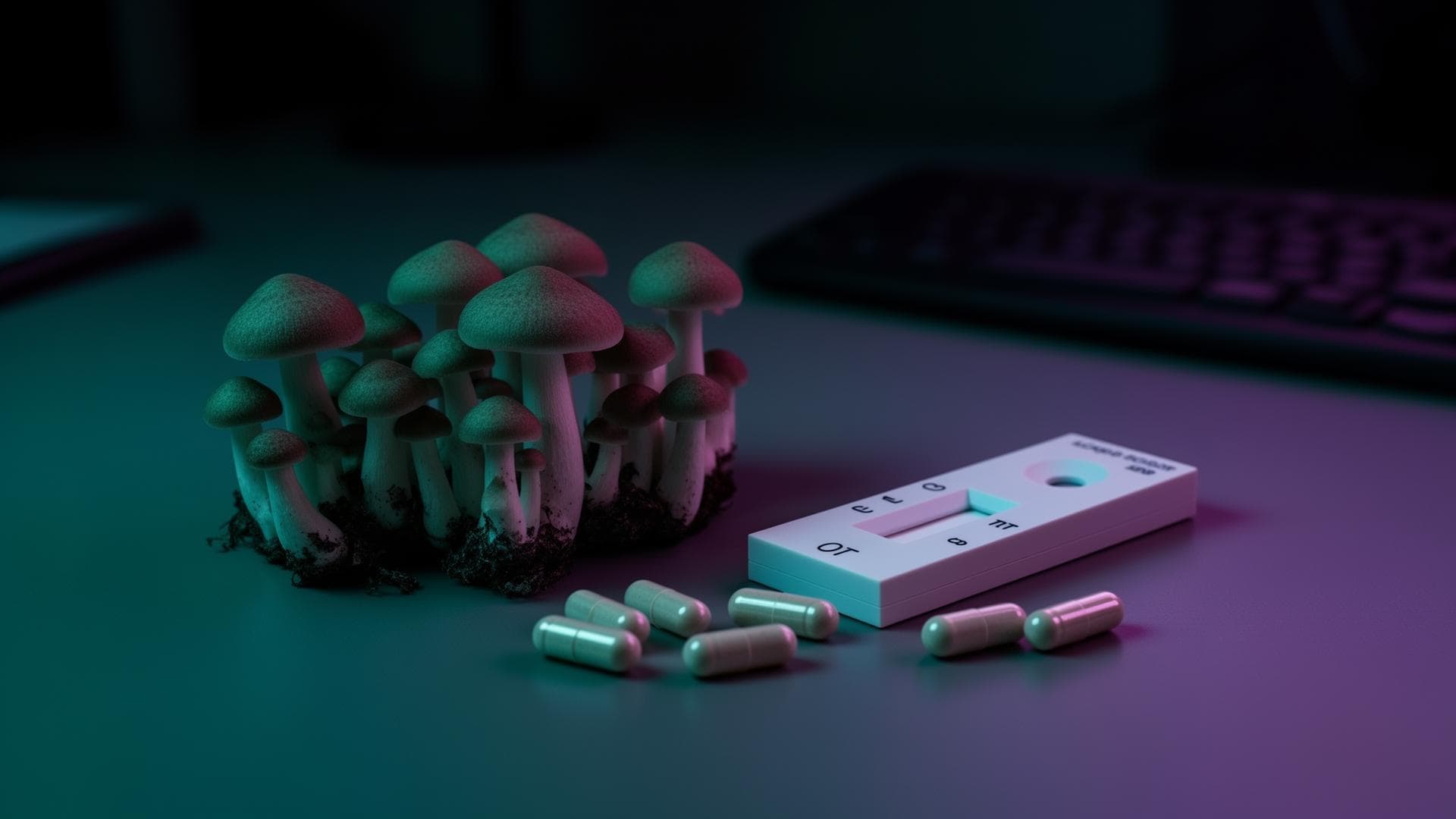
This means the narrative is split. The "rare event"—a macrodose session—accounts for a significant portion of use, but the "routine"—small, regular, sub-perceptual doses—is just as common. Two-thirds of people who used psilocybin in the past year reported microdosing at least once. This isn't a niche activity; it's a primary way people are engaging with psilocybin. The landscape of psilocybin products reflects this duality, with options ranging from whole mushrooms for deep experiences to precisely measured capsules for daily regimens.
This data challenges the monolithic view of a "drug user" and replaces it with a more nuanced picture: individuals using a compound in different ways to achieve different goals.
The "Rare Event" Model of Psilocybin
The rare event model centers on the macrodose: a significant amount of psilocybin taken with the intent to produce a full psychedelic experience. This approach is characterized by its infrequency and intensity. It is the model used almost exclusively in clinical settings, such as the research conducted at the Johns Hopkins Center for Psychedelic and Consciousness Research.
In these therapeutic contexts, a high dose is administered in a controlled environment under the supervision of trained professionals. The goals are often profound and specific:
Catalyzing Breakthroughs: Helping individuals overcome treatment-resistant depression or anxiety. Confronting Trauma: Providing a new perspective on past events in a therapeutic container. Addiction Cessation: Studies have shown high-dose psilocybin, paired with cognitive behavioral therapy, can be effective for smoking cessation. End-of-Life Peace: Assisting terminal patients in coming to terms with their mortality.
This model treats psilocybin as a powerful tool for a psychological "reset." The experience is the therapy. For those outside a clinical setting who pursue this path, the intent is often similar: deep self-exploration, spiritual discovery, or working through personal challenges. It is a planned, intentional, and demanding undertaking.
For this approach, users often seek out products with known potency and sufficient quantity for a single, powerful session. The focus is on the quality and nature of the mushroom itself.
The "Daily Routine" Model of Psilocybin
In stark contrast to the rare event, the routine model involves microdosing. A microdose is a sub-perceptual dose of psilocybin, typically 5% to 10% of a macrodose, taken every few days according to a specific schedule, or protocol.
The user does not feel "high" or experience psychedelic effects. Instead, the reported benefits are subtle and cumulative. The goals are not about a single breakthrough but about ongoing improvement:
Enhanced Well-being: Many users report improved mood, reduced anxiety, and a more positive outlook. Increased Creativity: Artists, engineers, and other professionals often microdose to foster divergent thinking and problem-solving. Improved Focus: Some users find that microdosing helps with concentration and flow states, using it much like a nootropic supplement.
This model treats psilocybin less like a powerful medicine and more like a vitamin or supplement. It is integrated into a daily or weekly wellness practice. The popularity of this approach is why product formats have evolved. The convenience and precision of microdose capsules, often blended with other functional ingredients, are perfectly suited for the routine-based user who values consistency over intensity.
Why Intent Defines the Pattern
Neither the routine nor the rare event model is inherently superior; they simply serve different purposes. The divergence in use patterns comes down to the user's intent. One person might seek a mental and spiritual reset through a single, high-dose experience, while another may be looking for sustained cognitive and emotional support through a microdosing regimen. You can learn more about how intent and other factors shape an experience in our post, "What Is a 'Dose' of Psilocybin?".
It is also common for these two patterns to coexist in a single user's life. A person might have a profound "rare event" experience that reveals new insights about their life, then adopt a "daily routine" of microdosing to help integrate those lessons and maintain a new baseline of well-being.
The data on "days of use" confirms that psilocybin is a uniquely versatile substance. Its application is not defined by the compound alone, but by the goals of the individual using it.

ShroomDash Editorial Team
Published 2026-04-25 · 4 min read read · Dosing