200 Million Use Days & Psilocybin
Quick Summary
A recent study found that psilocybin was used on over 200 million days last year. Nearly half of these 'use days' were microdoses, indicating that psilocybin is frequently being used as a sub-perceptual routine supplement rather than just for high-dose psychedelic experiences. This data reflects a major shift in how people consume and integrate psilocybin into their lives.
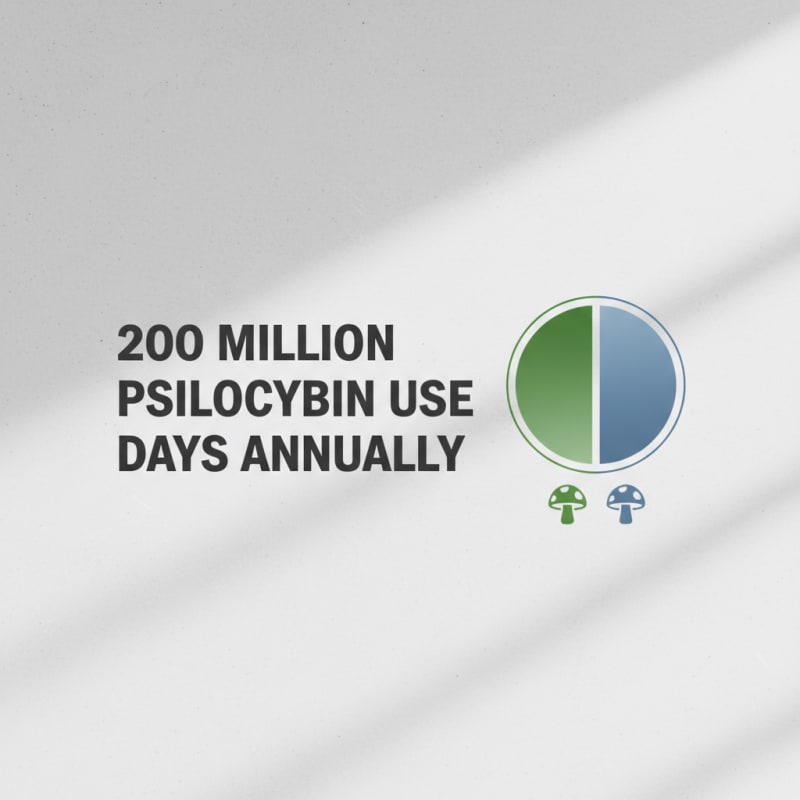
New research is beginning to quantify not just how many people use psilocybin, but how they use it. A recent study from the RAND Corporation estimated that psilocybin was consumed on over 200 million separate days in the United States last year. This concept of a "use day" is a powerful new metric that shifts the focus from user prevalence to user behaviour.
While headlines often focus on the number of individuals trying psychedelics, the "use day" metric provides a more granular view of consumption patterns. It reveals a story not just of experimentation, but of integration. Understanding the frequency and type of use is critical for appreciating how psilocybin is actually being incorporated into modern life.
What Exactly Is a "Use Day"?
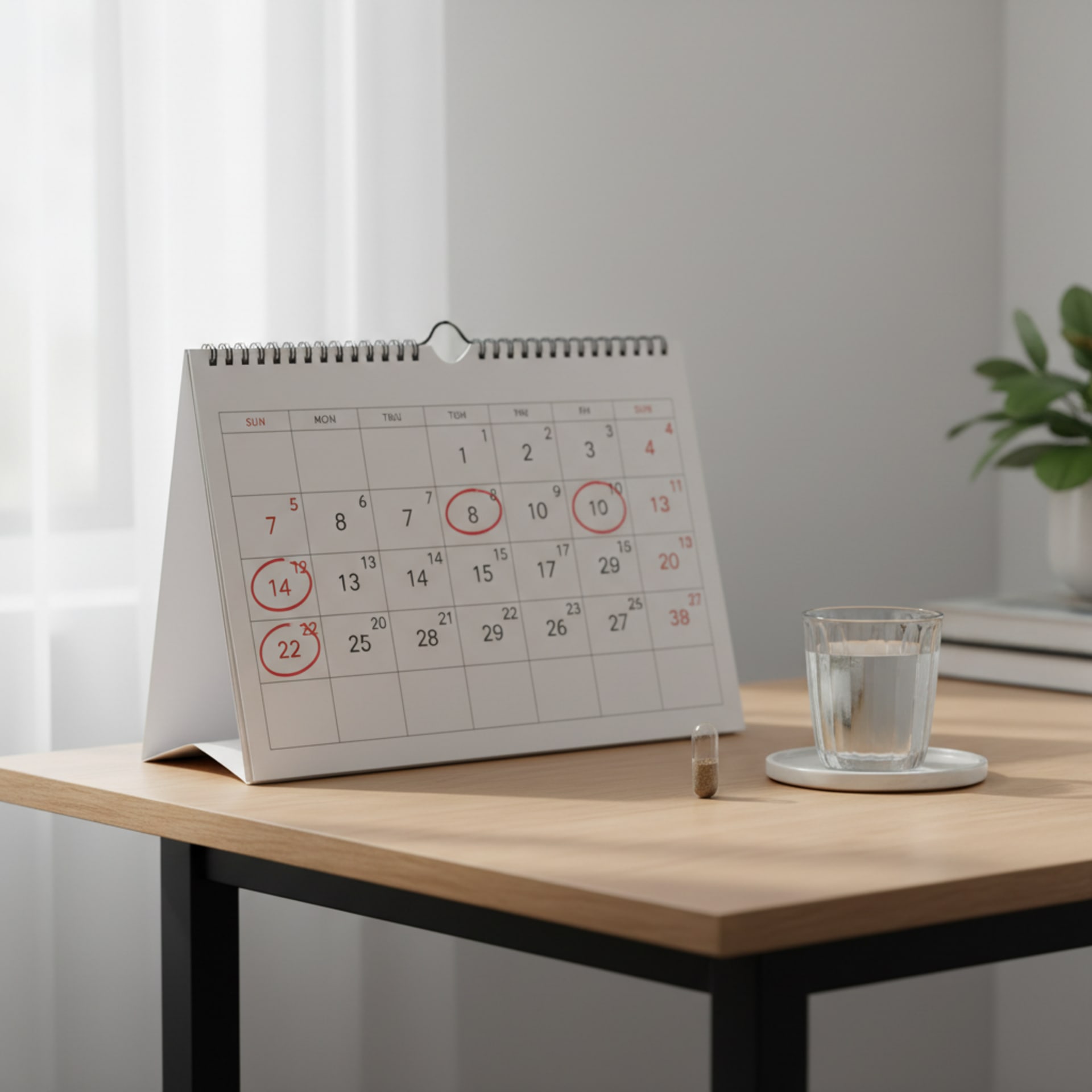
A "use day" refers to any calendar day where an individual consumes a substance. It is a metric of frequency, not quantity of users. For example, one person microdosing five days a week for a month contributes more "use days" (20) than ten people who each take a single high dose once during that same month (10).
This distinction is important because it helps differentiate between occasional, event-based use and regular, routine-based use. The data on total use days suggests a significant portion of psilocybin consumption is happening in a structured, intentional way. It moves beyond the simple question of "who?" and starts to answer the more nuanced question of "how and when?".
This method of analysis allows us to see psilocybin less as a novelty and more as a component of a lifestyle. Much like tracking daily coffee consumption or weekly gym visits, counting use days paints a clearer picture of habit and routine.
How Do Microdoses and High Doses Compare?
The most striking finding from the research is how these 200 million use days are divided. Nearly half of all psilocybin use days were reported to be microdoses, defined as a sub-perceptual dose taken not for a psychedelic experience, but for more subtle effects on mood, creativity, or focus.
This 50/50 split is a fundamental insight. It means that for every day someone is taking a high, experiential dose of psilocybin, another person is taking a small, functional dose as part of a structured protocol. This pattern is less indicative of a "drug culture" and more aligned with the world of supplementation and wellness. For those interested in the specifics of these protocols, our complete microdosing schedule guide offers a detailed breakdown.
This shift toward routine-based consumption is facilitated by product innovation. The days of relying on unpredictable, raw dried mushrooms are being replaced by precisely formulated products. Knowing that a capsule or gummy contains an exact, lab-verified amount of psilocybin is what makes a consistent microdosing practice possible.
Why Has This Shift in Usage Occurred?
The rise of microdosing as a primary use pattern is directly linked to the availability of reliable, precisely dosed products. A person seeking the benefits of a structured microdosing protocol needs assurance that their dose is the same every time. This is where modern product formats have become essential.
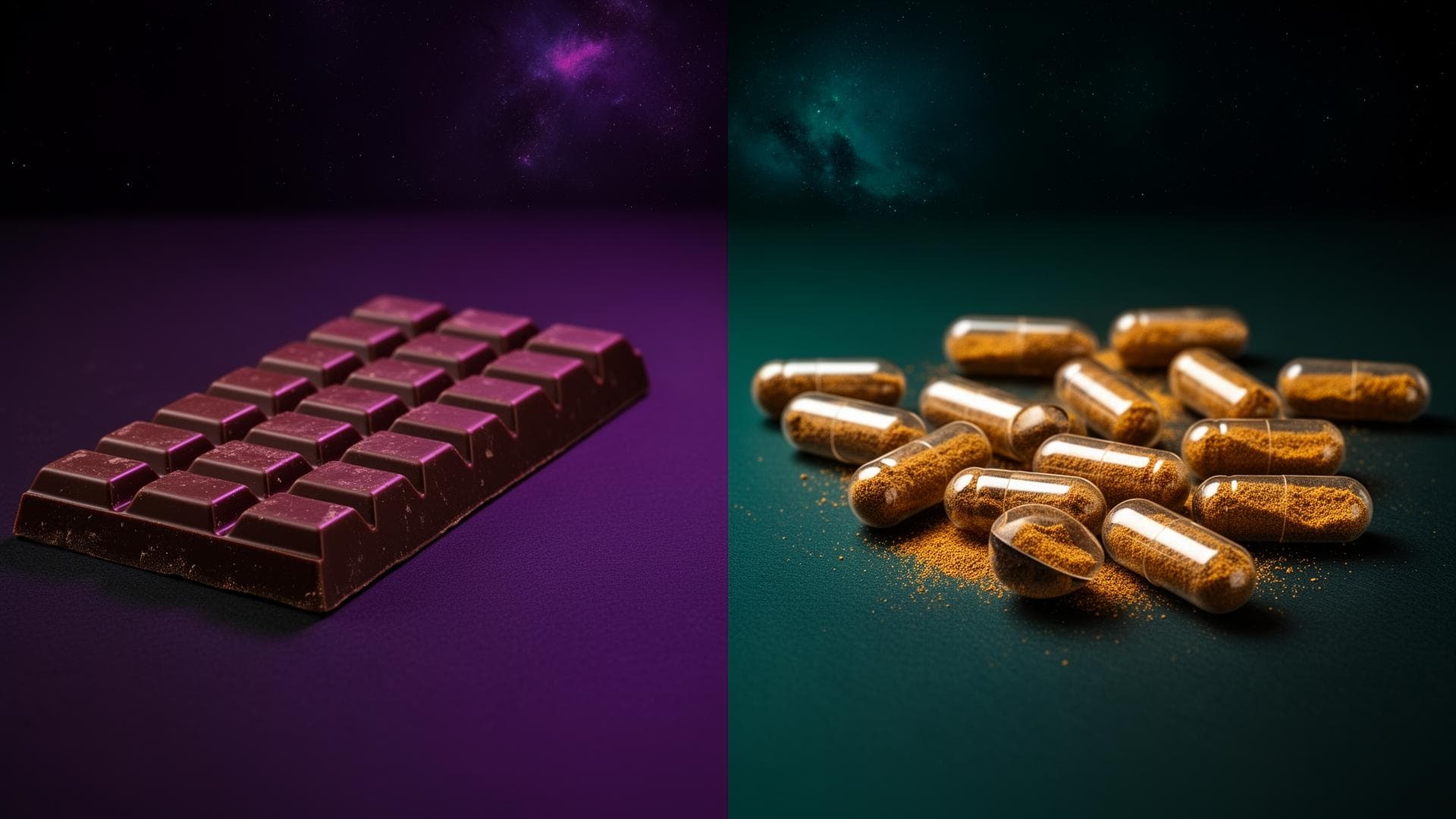
- Predictability: Products like capsules, gummies, and chocolates offer a level of precision that is impossible to achieve with raw mushrooms, where potency can vary significantly from one mushroom to another.
- Convenience: Taking a small capsule is a simple, discreet act that easily integrates into a daily supplement routine. This removes the practical barriers associated with preparing and consuming raw fungi.
- Accessibility: Formulated products make psilocybin accessible to a broader demographic that may be interested in its benefits but is hesitant to engage with the complexities and uncertainties of high-dose experiences. The ability to simply view all microdose capsules online empowers users to choose a format that fits their lifestyle.
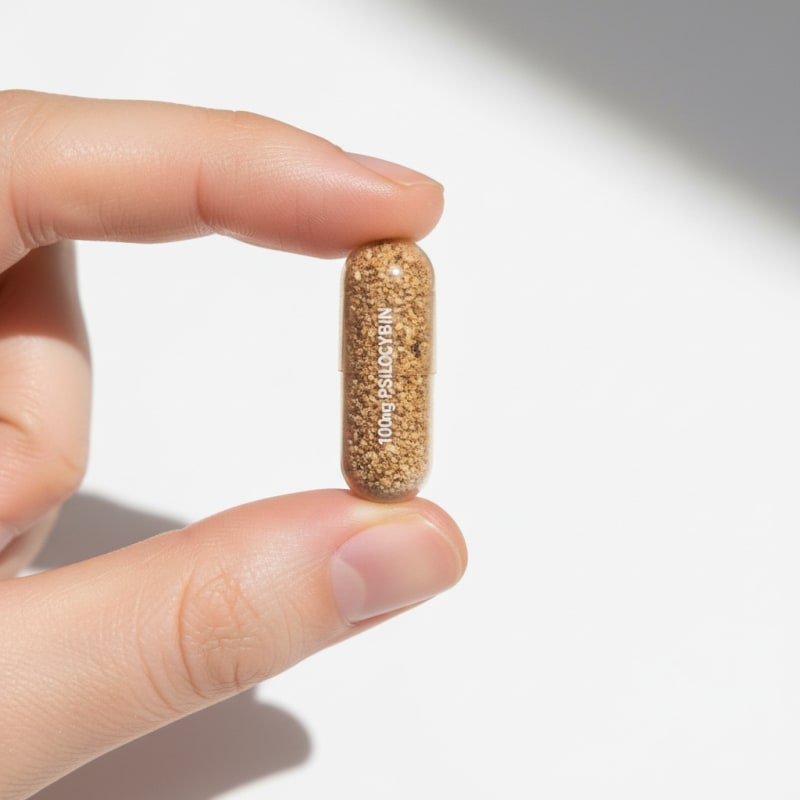
For instance, the existence of products like Stamina Blend Microdose Capsules, which combine a 100mg psilocybin dose with other functional ingredients, shows how the market is adapting to this demand for routine-based wellness integration. It frames the compound as part of a holistic approach to well-being.
Does This Data Redefine Our View of Psilocybin?
This data encourages a more nuanced understanding of psilocybin. The narrative that has long defined it—one centered exclusively on intense, reality-bending trips—is incomplete. While high-dose psychedelic journeys remain a valid and important use case, they no longer represent the dominant mode of consumption by volume.
Instead, the data shows psilocybin is a versatile compound with applications across a spectrum of doses. The "use day" metric validates the idea that for millions of people, psilocybin is a tool for subtle, ongoing optimization rather than a vehicle for profound, occasional breakthroughs. Understanding what defines a "sub-perceptual" microdose is key to appreciating this distinction.
The behaviour is clear: people are microdosing frequently and consistently, making it a larger cumulative activity than high-dose use.
This pattern of use, characterized by regularity and low intensity, suggests that public perception has not yet caught up with the reality of how psilocybin is being used today. The data indicates that on any given day, psilocybin consumption is just as likely to be about subtle adjustments as it is about transformative experiences.

ShroomDash Editorial Team
Published 2026-03-17 · 4 min read read · Dosing