Psilocybin Volume: The Rise of Microdosing Days
Quick Summary
Recent studies show that microdosing accounts for nearly half of all psilocybin "use days." This means that while clinical research and media focus on high-dose therapeutic trips, the actual volume of consumption is dominated by people using small, regular doses for wellness. This reality positions psilocybin more like a daily supplement than a rare, intense event for a large number of users.
The public conversation about psilocybin often focuses on the high-dose, or "heroic," experience. Media headlines and clinical research from institutions like Johns Hopkins tend to spotlight the profound, consciousness-altering trips designed to treat severe conditions like major depression or addiction. This narrative, while important, captures only a fraction of how psilocybin is actually used.
Recent data reveals a different story, one not measured in life-changing trips but in the quiet accumulation of days. A 2026 RAND study analyzing psychedelic use in the United States uncovered a significant statistic: of the more than 200 million days of psilocybin use in the past year, nearly half were microdosing days. This suggests that for every person undertaking a significant journey, there is a vast and growing cohort integrating psilocybin into their lives in small, sub-perceptual amounts. The real volume of psilocybin consumption is found in the routine, not the rare event.
What defines a "psilocybin use day"?
A "use day" is a simple metric: any 24-hour period in which an individual consumes psilocybin, regardless of the dose. This framework is crucial because it shifts the focus from the intensity of the experience to the frequency of use. It equates a 5-gram dose taken once a year with a 100-milligram microdose taken every third day. While their effects are worlds apart, each counts as a "use day."
Understanding this distinction reveals the limitations of the mainstream narrative. A single person following a common microdosing protocol, such as one day on and two days off, accounts for approximately 121 use days per year. In contrast, an individual who takes a high dose once per quarter accounts for only four use days per year.
This data reframes the landscape of psilocybin consumption. It shows that while high-dose therapy sessions are groundbreaking, the sheer volume of use is dominated by low-dose regimens. This pattern of consumption is less about dramatic resets and more about subtle, ongoing adjustments to mood, creativity, and focus. For many, psilocybin is not a rare psychedelic event; it is a consistent wellness tool. Products designed for this purpose, like precisely dosed capsules, facilitate this kind of regular, measured use, a practice explored in our post on /blog/psilocybin-for-addiction-high-dose-vs-microdose.
Why does clinical research prioritize high doses?
The focus on high-dose psilocybin in clinical trials is a matter of methodology and objectives. Researchers at institutions like the Johns Hopkins Center for Psychedelic and Consciousness Research are typically investigating treatments for specific, often severe, psychiatric and behavioral disorders. To achieve a statistically significant result and demonstrate a clear therapeutic outcome, a powerful intervention is required.
High-dose, medically supervised sessions provide this. They are designed to induce a "mystical-type experience," which has been correlated with the most significant and lasting positive outcomes in clinical settings. The goal is to create a profound psychological shift that can help individuals reframe their perspectives on trauma, addiction, or depression.
Key factors for this focus include:
- Measurable Outcomes: A high-dose session produces acute, powerful effects that can be clearly observed and measured against a placebo. The effects of microdosing are subtle by nature and much harder to distinguish from placebo in a controlled setting.
- Treatment Model: The clinical model is therapeutic. It is not about daily enhancement but about treating a diagnosed condition. The structure involves a limited number of intense sessions complemented by extensive psychotherapy.
- Safety and Control: Administering a powerful substance in a controlled medical environment allows researchers to ensure patient safety and collect high-quality data.
This research is vital, but it was never intended to represent the full spectrum of psilocybin use. It is a specific application for a specific purpose, whereas the data on "use days" points to a much broader, user-driven application focused on general well-being.
How does real-world use reflect a different goal?
The RAND study's findings confirm what many in the community have known for years: the majority of psilocybin use is not about tripping. It is about function. People who microdose are not seeking to escape reality but to engage with it more effectively. They report benefits such as improved mood, enhanced focus, greater creativity, and reduced anxiety.
This type of use positions psilocybin as a supplement rather than a medicine. The goal is not a dramatic overhaul but a gentle optimization. It is a proactive approach to mental wellness. For those who practice this, precision and consistency are paramount. This is why many users gravitate toward products that offer reliable, pre-measured doses, removing the guesswork involved with raw mushrooms. Those interested in this format can explore a range of precisely measured products in our capsules category.
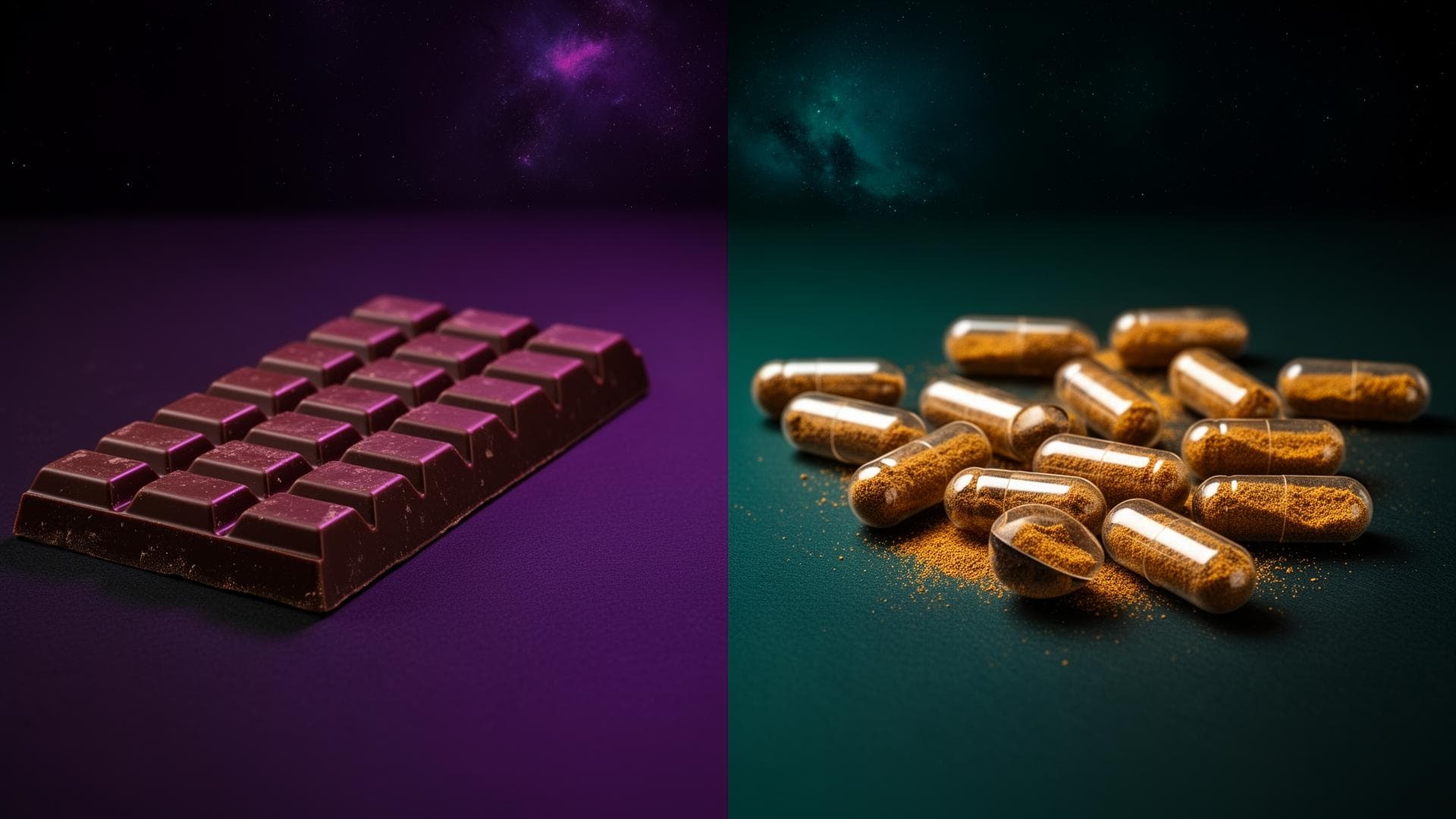
One of our most precisely formulated products, the Cognito Blend Capsules, is designed for this exact purpose. Offering a consistent 100mg dose of *Psilocybe cubensis alongside supportive ingredients like Lion's Mane and Niacin, it provides a reliable foundation for a structured microdosing protocol.
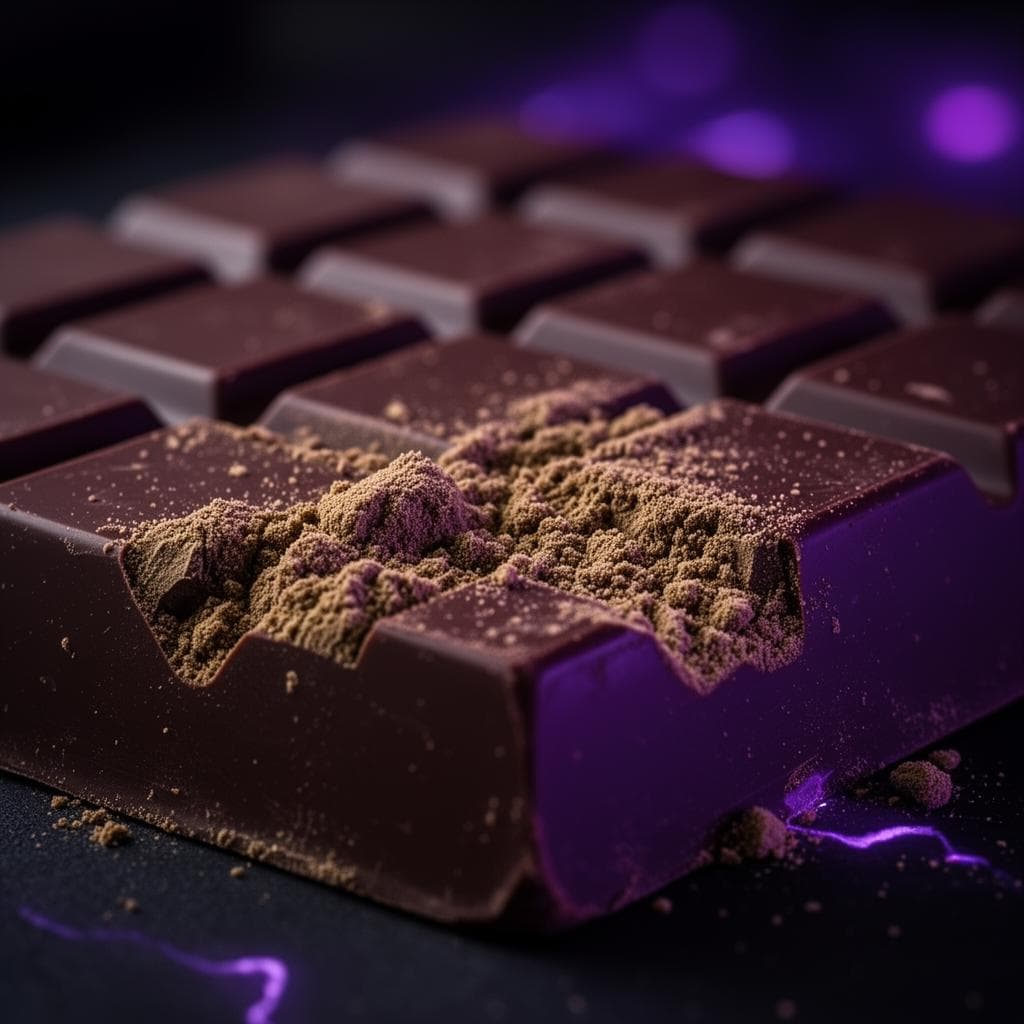
Similarly, edibles provide another route to controlled dosing. A product like the Sporeless Chocolate Bar is scored into small squares, allowing an individual to consume a precise microdose or combine pieces for a more moderate experience. This flexibility serves the wide range of intentions people bring to psilocybin, from subtle enhancement to more noticeable effects. A full range of options can be found at our main shop.
The data on psilocybin "use days" does not diminish the importance of high-dose therapeutic work. Instead, it completes the picture, showing a substance with a vast and varied spectrum of applications. The narrative of the rare, powerful trip is compelling, but the data shows the quiet, consistent practice of microdosing represents the larger share of psilocybin consumption.

ShroomDash Editorial Team
Published 2026-05-01 · 4 min read read · Dosing