Psilocybin Use by the Numbers: Why Microdoses Dominate
Quick Summary
A recent RAND study found that nearly half of all psilocybin consumption days are microdosing days. This is because microdosing involves taking small, repeated doses as part of a schedule (e.g., every three days), leading to a high number of "use days" over time. This contrasts with high-dose use, which is an infrequent event, and shows a trend towards using psilocybin as a regular wellness tool.

A recent study from the RAND Corporation shed light on the specifics of psychedelic consumption, revealing a striking statistic: nearly half of all psilocybin use days in the past year were attributed to microdosing. This means that for every two days a psilocybin product was consumed, one of those instances was a microdose. For a practice that involves taking a sub-perceptual amount, this dominance in consumption frequency can seem counterintuitive.
This data invites a closer look not just at how many people are using psilocybin, but how they are using it. The answer to why microdosing accounts for such a large share of use lies in the fundamental arithmetic of dosing protocols and the different intentions behind a microdose versus a macrodose. It signals a major shift in how individuals are incorporating psilocybin into their lives—moving from an occasional, event-based experience to a structured, routine practice.
What Qualifies as a "Psilocybin Use Day"?
To understand the data, it is essential to first define the terminology. In the context of the RAND study and similar research, a "use day" refers to any calendar day during which an individual consumes a substance, regardless of the quantity. A 5-gram heroic dose and a 100-milligram microdose, though worlds apart in effect, are both counted as a single "use day." This is the key to understanding why microdosing numbers appear so inflated.
A typical high-dose or macrodose psilocybin experience is an infrequent event. A person might take a multi-gram dose once every few months for a deep, introspective journey. If someone undertakes four such experiences in a year, they have accumulated four use days. The preparation for and integration of these experiences may span weeks, but the actual consumption happens on only a handful of days.
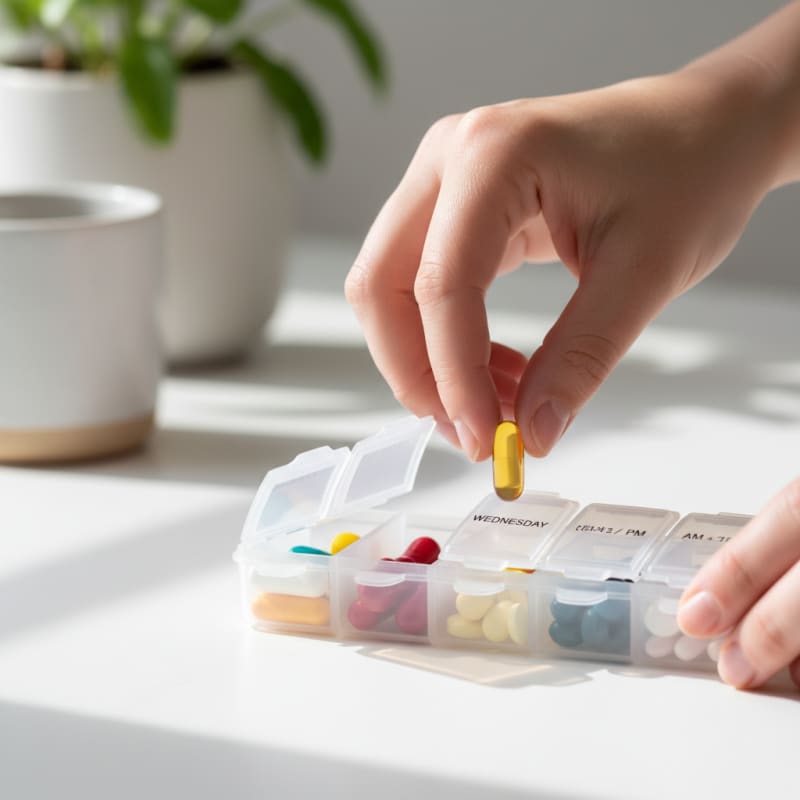
Contrast this with a standard microdosing protocol. Many popular schedules, like the one proposed by Dr. James Fadiman, involve a cycle of one day on, followed by two days off. Over a single month, this amounts to approximately 10 use days.
Let’s consider two hypothetical individuals over one year:
- Person A takes a 3-gram dose of psilocybin mushrooms every two months for therapeutic insight. In one year, Person A accounts for 6 use days.
- Person B follows a Fadiman microdosing protocol (1 day on, 2 days off) for three months, takes a month-long break, and repeats this cycle throughout the year. Person B accounts for approximately 90 use days (10 days/month for 9 months).
Person B has 15 times more use days than Person A, despite both being "psilocybin users." When millions of people adopt this kind of routine, the cumulative number of microdosing days quickly surpasses the total for macrodosing, even if more individuals have tried a macrodose at some point in their lives.
How Do Dosing Protocols Amplify Use Day Counts?
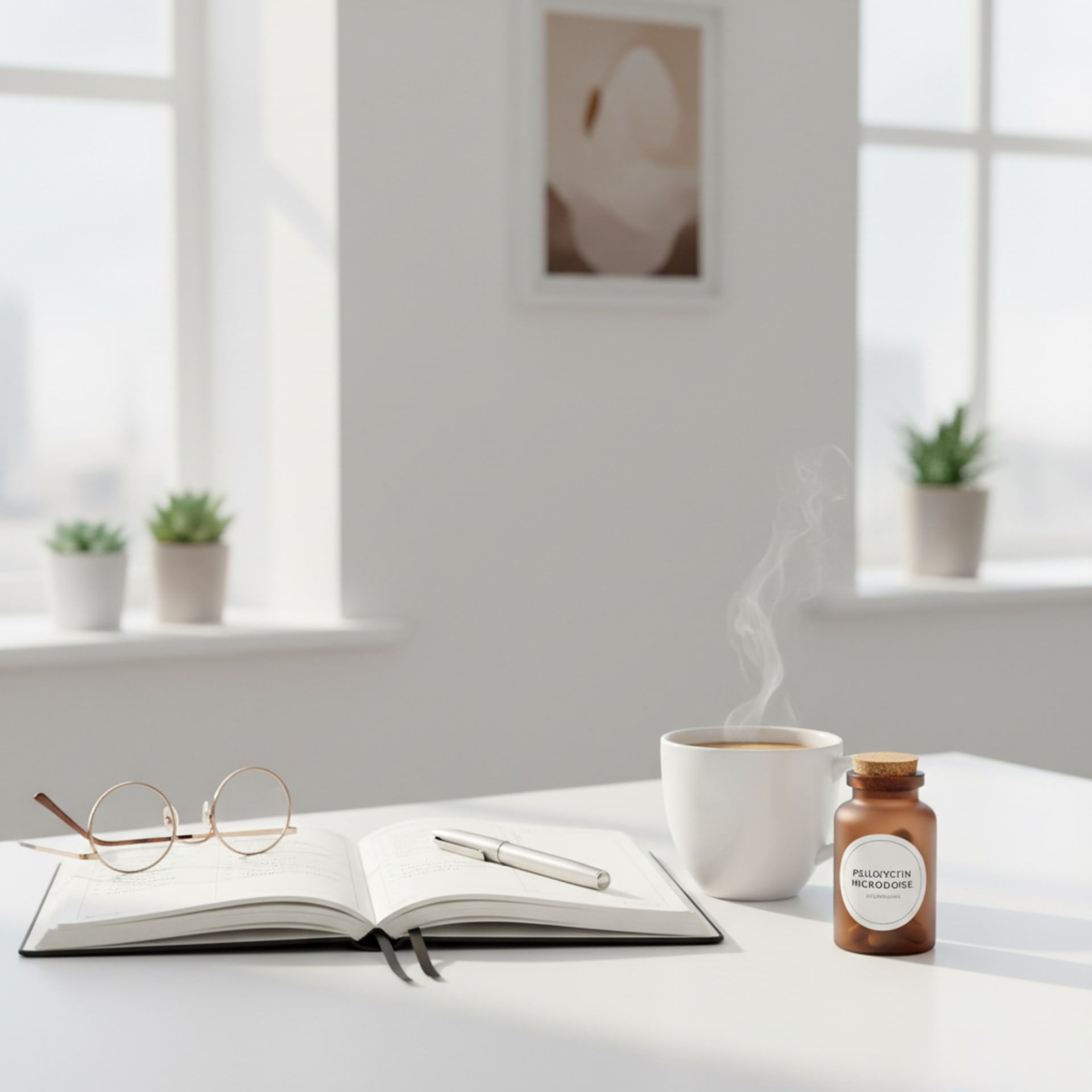
The structure of microdosing is built around consistency and repetition. The goal is not to trigger a psychedelic state but to produce subtle, cumulative changes in mood, creativity, or focus. This requires a disciplined and sustained schedule of consumption, which is the primary driver of the high volume of use days. For a detailed breakdown of different approaches, our Complete Microdosing Schedule Guide offers further reading.
The most common protocols include:
- The Fadiman Protocol: As mentioned, this involves taking a microdose every third day (e.g., Monday, Thursday, Sunday). This rhythm is designed to prevent tolerance buildup while maintaining a consistent influence.
- The Stamets Stack: Popularized by mycologist Paul Stamets, this protocol often involves five consecutive days of microdosing followed by two days off. It also incorporates other non-psychoactive substances like Lion's Mane mushroom and Niacin. This 5-on, 2-off cycle results in roughly 20 use days per month, further accelerating the count.
- Intuitive Dosing: Many experienced users adapt these protocols to their own needs, taking a microdose on an as-needed basis to support specific tasks or states of mind, such as before a creative work session or a social gathering.
All of these approaches share a common feature: frequent, low-dose consumption. A macrodose is a destination; a microdose is part of the daily or weekly journey. It is this fundamental difference in application that skews the "total use days" metric so heavily in favor of microdosing.
Why Are People Choosing Sustained Microdoses?
The data reflects a practical choice. While high-dose psychedelic therapy sessions are gaining ground for treating conditions like depression and addiction, they require significant commitment in terms of time, preparation, and integration. A microdosing regimen, on the other hand, is designed to fit within a person’s existing lifestyle. The appeal can be broken down into several key factors:
- Accessibility and Low Time Commitment: A microdose does not disrupt one's ability to work, socialize, or manage daily responsibilities. There is no need to set aside a full day or find a "trip sitter."
- Reduced Psychological Intensity: For individuals seeking the benefits of psilocybin without a potentially overwhelming psychedelic experience, microdosing offers a much lower barrier to entry.
- Different Therapeutic Goals: The intention is often wellness-oriented rather than cataclysmic. Users frequently cite benefits like improved mood, enhanced focus, reduced anxiety, and greater creativity as their primary motivators.
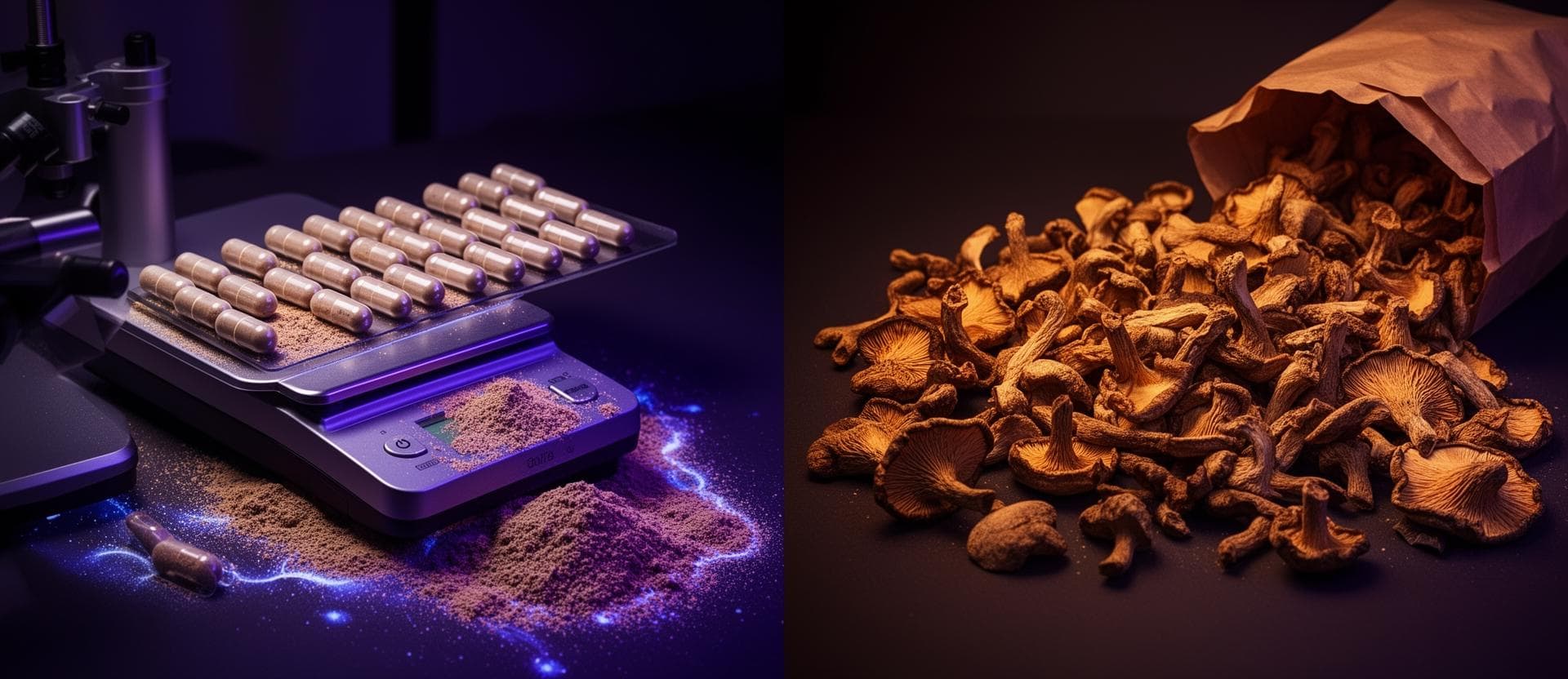
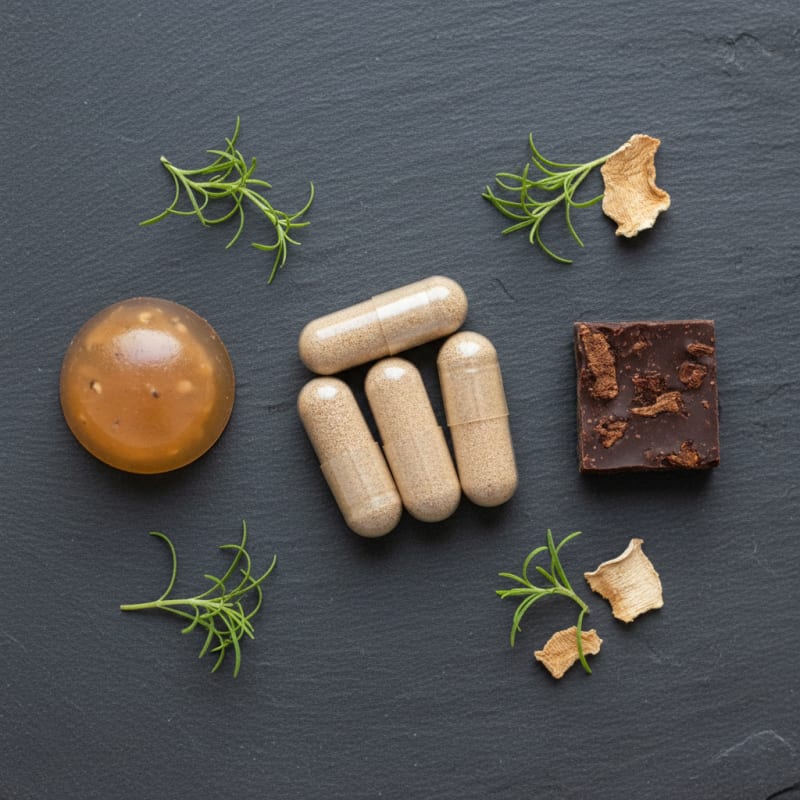
- Ease of Management: The modern market has made microdosing remarkably straightforward. Products like precisely measured mushroom capsules remove the guesswork of weighing and preparing dried mushrooms. Edibles like gummies offer an even more palatable and convenient format for consistent dosing.
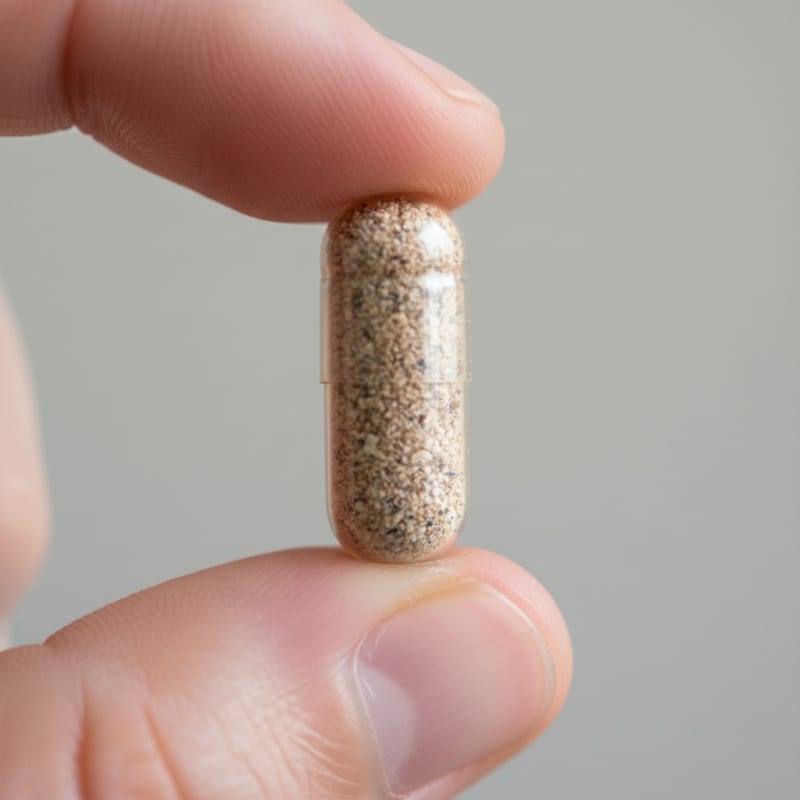
This is where products like Clarity Microdose Capsules come into play. Containing 100mg of psilocybin from *Psilocybe cubensis alongside complementary ingredients, they are purpose-built for these routines. The precise, consistent dose in each capsule allows users to confidently follow a protocol without worrying about the potency variations found in raw mushrooms. Similarly, products like Bright Future Microdose Gummies offer a familiar, easy-to-consume format that makes sticking to a schedule simple.
The rise of such products and the consumer behavior reflected in the RAND data indicate that for many, psilocybin is being viewed as a tool for ongoing personal management rather than a medicine for acute, occasional intervention.
Ultimately, the finding that microdosing constitutes nearly half of all use days is less a statement on its prevalence versus macrodosing, and more a reflection of its fundamental methodology. It highlights a paradigm where a significant and growing number of users are engaging with psilocybin not through periodic, intense experiences, but through a consistent, low-dose regimen integrated into the fabric of their daily lives.

ShroomDash Editorial Team
Published 2026-03-14 · 5 min read read · Dosing