Psilocybin: Treatment vs. Enhancement
Quick Summary
Psilocybin is used in two primary ways. The clinical treatment model uses single high doses in therapeutic settings to treat conditions like depression. The wellness enhancement model uses regular, low microdoses for ongoing improvements in mood, focus, and creativity, which is how the majority of people use psilocybin.


Modern discussions about psilocybin follow two parallel tracks that rarely intersect. One track, heavily covered in mainstream media, takes place in clinical research settings. It involves high, carefully controlled doses administered by medical professionals to treat specific, diagnosed conditions. The other track is far more common but less visible. It happens in homes and offices across the country, where millions of adults use low, sub-perceptual doses to enhance their general well-being.
Recent data illuminates this divide. While institutions like Johns Hopkins explore psilocybin-assisted therapy for conditions like major depression and nicotine addiction, survey-based research from organizations like the RAND Corporation shows a different picture of real-world use. A 2026 study found that among people who used psilocybin in the past year, about two-thirds had microdosed. This wellness-oriented approach accounted for nearly half of all days of psilocybin use reported.
Understanding the distinction between psilocybin for clinical treatment and psilocybin for wellness enhancement is crucial. The goals, dosages, and methodologies are fundamentally different, and acknowledging these two paths is key to a nuanced view of its role in society.
What is the Clinical Treatment Model?
The clinical or therapeutic model uses psilocybin as a catalyst for profound psychological change in a structured, medicalized environment. This is the model behind the headlines showing psilocybin as a breakthrough treatment for conditions like severe depression, PTSD, and substance use disorders.
Key features of this model include:
- High Doses: The treatment involves a single, large dose of psilocybin, often ranging from 20 to 30 milligrams, intended to reliably produce a powerful psychedelic experience.
- Controlled Setting: The substance is administered in a safe, comfortable room designed to be calming, often with eye shades and headphones playing a curated music playlist. This controlled environment is a core part of the "set and setting" protocol.
- Professional Guidance: The entire session, which can last for several hours, is supervised by one or two trained therapists or guides. They do not direct the experience but provide support and reassurance, helping the patient navigate challenging moments.
- Therapeutic Integration: The psilocybin session is just one part of a larger therapeutic arc. It is preceded by several preparatory therapy sessions and followed by multiple integration sessions. During integration, the therapist helps the patient make sense of their experience and translate any insights into lasting behavioral changes.
The goal is not simply to have an experience, but to use the experience to fundamentally shift a person's perspective on their specific ailment. Research from Johns Hopkins and other institutions suggests that the "mystical-type experience" often occasioned by a high dose is strongly correlated with positive therapeutic outcomes. You can learn more about this approach in our post on why psilocybin research focuses on high doses.
What is the Wellness Enhancement Model?
The wellness enhancement model, most commonly associated with microdosing, operates on a completely different philosophy. It is not about treating a diagnosed illness but about improving one's baseline state of well-being. Proponents use it to pursue cognitive and emotional benefits rather than to resolve deep-seated trauma or pathology.
The defining characteristics of the wellness model are:
- Low, Sub-Perceptual Doses: A microdose is typically 1/10th to 1/20th of a recreational dose, usually between 50 and 250 milligrams of dried mushroom. The key is that it does not impair normal functioning or produce overt psychedelic effects.
- Regular Schedule: Unlike the single large dose of the clinical model, microdosing involves taking small amounts according to a specific schedule or "protocol" over an extended period. This might mean dosing every third day or on weekdays only.
- Real-World Setting: Microdoses are taken while engaging in everyday activities like working, studying, socializing, or exercising. The goal is to enhance these activities, not to step away from them.
- Self-Directed Use: This path is typically self-managed without the oversight of a medical professional. Users determine their own dose and schedule based on personal experimentation and desired outcomes.
The reported goals are broad and focused on optimization: increased creativity, better focus, elevated mood, greater patience, and reduced anxiety. This aligns with RAND's findings that suggest for many, psilocybin use is a routine part of life, a practice closer to taking a daily supplement than undergoing a major medical procedure. The reality for most users is microdosing, a topic we explore further in this post.
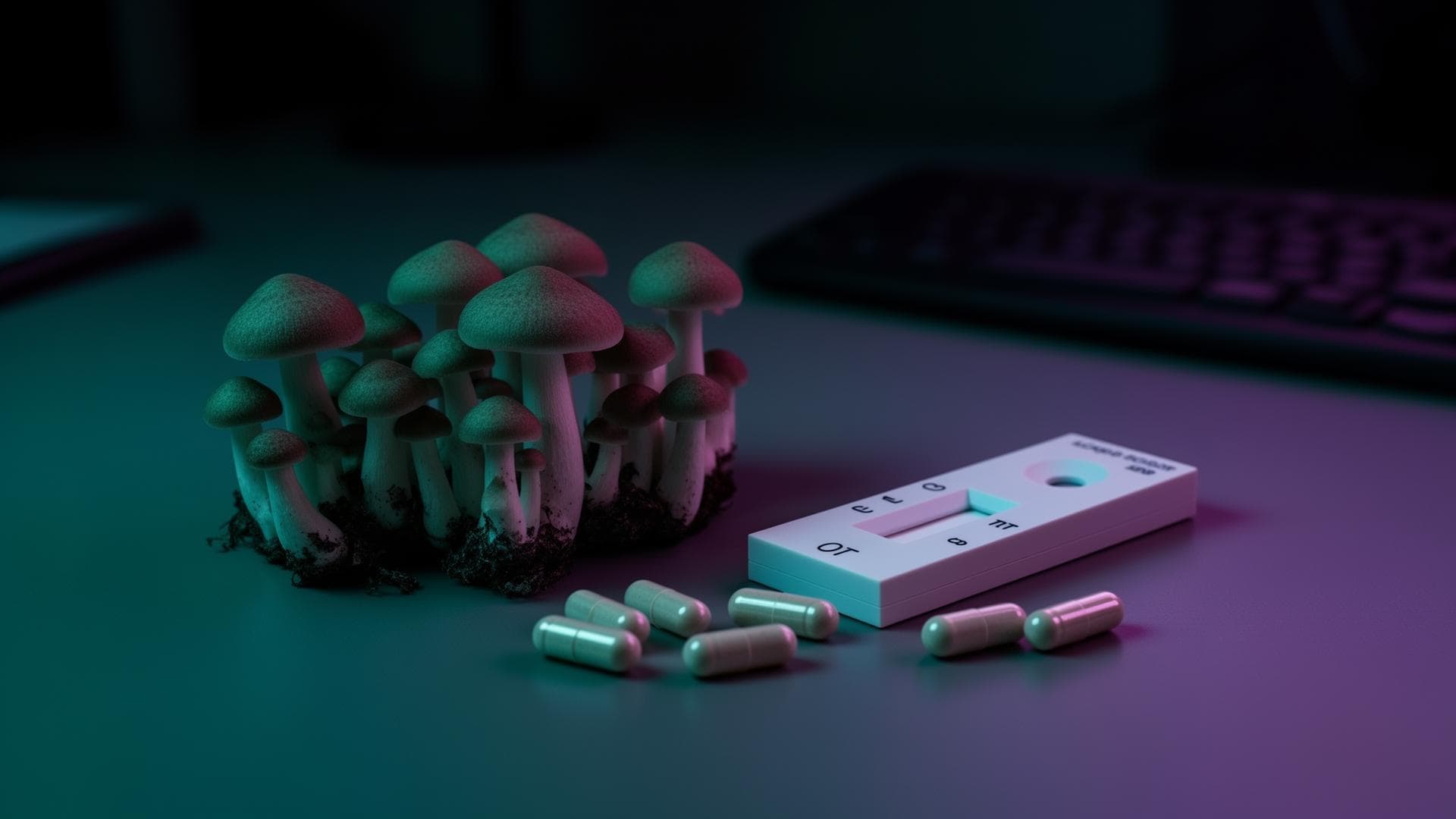
Products like Core Microdose Capsules are designed specifically for this model. Containing a precise, low dose of ground *Psilocybe cubensis, they offer a reliable and straightforward way for individuals to integrate psilocybin into their wellness routine without the guesswork of handling raw mushrooms.
Why Are the Goals and Doses So Different?
The divergence in dosage between the two models stems directly from their divergent goals. One seeks a transformative event, while the other seeks subtle, ongoing enhancement.
The clinical treatment model relies on what researchers call a "peak experience" or "ego dissolution." The high dose is necessary to temporarily dismantle a person's ordinary sense of self and default patterns of thinking. This psychological reset can allow someone stuck in rigid, ruminative patterns—like those seen in depression or addiction—to see their life and problems from a radically new perspective. The intensity is the point; it is a short-term intervention designed to create a long-term impact.
Conversely, the wellness enhancement model requires the complete absence of such intensity. The goal is to function *better, not to cease functioning for an afternoon. A microdose works at the edge of perception, subtly modulating neurotransmitter systems like serotonin to produce slight shifts in mood, cognition, and perception over time. It is a tool for integration into life, not a departure from it. Consistency and precision are paramount, which is why many users prefer manufactured formats like mushroom capsules or gummies that guarantee a specific dose every time.
For those seeking a gentle mood lift or creative boost, Balance Microdose Gummies offer another accessible option. They combine a small dose of psilocybin with other functional ingredients in a palatable format, aligning perfectly with the goal of subtle, daily enhancement.
While the clinical model holds tremendous promise for the future of psychiatry, survey data shows it is not how most people interact with psilocybin today. The dominant paradigm is one of personal wellness and self-optimization through low, managed doses. Each path has a different purpose, and the dosage directly reflects the intended outcome.

ShroomDash Editorial Team
Published 2026-03-22 · 5 min read read · Dosing