Psilocybin: Research vs. Real-World Use
Quick Summary
Psilocybin use is split into two worlds. Scientific research studies high, therapeutic doses to treat conditions like depression, but most people in the real world take tiny, sub-perceptual microdoses to improve creativity, mood, and focus.


Headlines about psilocybin often paint a dramatic picture. Groundbreaking studies from institutions like Johns Hopkins and Imperial College London show psilocybin’s potential for treating severe depression, PTSD, and addiction. These reports are encouraging, but they represent only one side of the story. The methods used in these formal clinical trials look very different from how most people use psilocybin in their daily lives.
The world of psilocybin can be divided into two distinct camps: high-dose clinical research and low-dose real-world wellness. While the former grabs headlines with its transformative therapeutic sessions, the latter represents a quiet majority of users integrating psilocybin into their routine for more subtle benefits. Understanding this divergence is key to seeing the full landscape of psilocybin use today.
What Does Clinical Psilocybin Research Involve?
Clinical trials involving psilocybin are highly structured and controlled environments designed to test the compound's efficacy for specific, often severe, medical conditions. The primary focus is on safety, repeatability, and measurable outcomes.
Key characteristics of a clinical research setting include:
- High Doses: Participants typically receive a single, high dose of pure, synthesized psilocybin, often ranging from 10mg to 30mg. This is enough to induce a powerful psychedelic experience lasting several hours. The goal is often to occasion a "mystical" or "peak" experience, which has been correlated with positive therapeutic outcomes.
- Controlled Set and Setting: The environment is carefully managed. Participants are in a comfortable, living-room-like setting, often wearing eyeshades and listening to a curated music playlist to facilitate an inward journey. The importance of the participant's mindset and the physical environment is paramount, a concept known as set and setting.
- Professional Guidance: The entire session is monitored by trained therapists or facilitators. These guides do not direct the experience but provide reassurance and support. They help the participant prepare for the session beforehand and integrate the insights gained afterward.
- Targeted Conditions: Research is almost exclusively focused on treating diagnosed disorders. This includes major depressive disorder (MDD), post-traumatic stress disorder (PTSD), end-of-life anxiety in cancer patients, and various forms of addiction. The success of the trial is measured against established clinical benchmarks for these conditions.
In this context, psilocybin is viewed as a catalyst for a profound psychological event that, with therapeutic support, can reset brain patterns and create lasting change. It is a targeted, infrequent intervention, not a daily supplement.
How Do People Use Psilocybin in the Real World?
Away from the lab, the picture of psilocybin use changes dramatically. Data on purchasing habits and self-reported use shows that the vast majority of individuals are not seeking a full-blown psychedelic trip. Instead, they are microdosing.
This real-world approach is defined by:
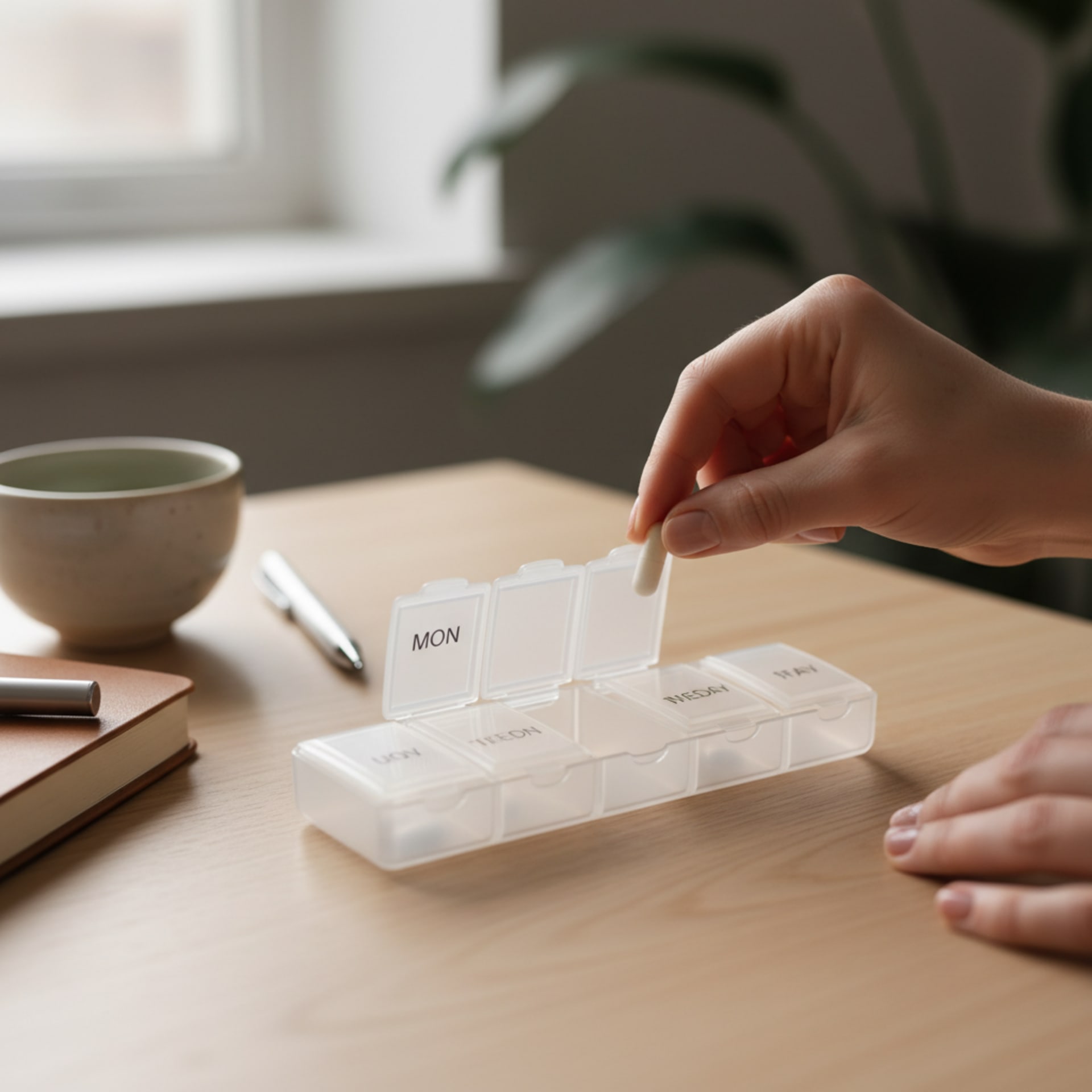
- Sub-Perceptual Doses: Microdosing involves taking a fraction of a recreational dose, typically 50mg to 150mg of dried mushroom material, which contains a much smaller amount of active psilocybin than a clinical dose. The goal is to gain the benefits of the compound without impairing cognitive function or producing hallucinatory effects. For a more detailed breakdown, you can read our post on what a microdose is from a data-driven perspective.
- Regular Schedules: Unlike the single large dose in clinical trials, microdosing is done according to a schedule. Common protocols, like the one popularized by James Fadiman, involve taking a microdose every three or four days to prevent tolerance buildup.
- Wellness and Enhancement Goals: Users are typically not trying to cure a severe illness. Instead, their stated goals are often related to general wellness and performance enhancement. These include improved mood, increased creativity, better focus, reduced anxiety, and greater emotional regulation.
- Product Formats: Real-world use relies on accessible products. Capsules, chocolates, and gummies are the most common formats, as they offer discretion and dose accuracy that raw mushrooms do not. Precise, low-dose formats like our Mindful Microdose Capsules are exceptionally popular because they remove the guesswork and provide a consistent, reliable experience.
This approach treats psilocybin less like a powerful, disruptive medicine and more like a daily supplement for maintaining mental and emotional balance.
Why the Disconnect Between Research and Reality?
The gap between clinical research and widespread use exists for several practical and historical reasons. High-dose studies offer clear, dramatic results that are easier to measure. It is far simpler to prove that a single psilocybin session reduced depression scores by 50% than it is to quantify a 10% increase in a person's creativity over several months.
Furthermore, the medical and regulatory systems are built to approve treatments for specific diseases. Proving efficacy for a diagnosed condition like MDD is a well-established path to drug approval. In contrast, "wellness" and "enhancement" are vague endpoints that do not fit neatly into the pharmaceutical model. Researchers follow the funding, which is predominantly aimed at finding novel treatments for recognized illnesses.
For many users, edibles provide a versatile option. A product like the Voyager Chocolate Bar can be sectioned for a precise microdose or consumed in larger quantities for a more significant experience, bridging the gap between different use cases. These products are part of a growing market that caters directly to how people are actually using psilocybin outside of clinical settings.
The current landscape shows two parallel worlds. One is a slow, methodical, and medically-focused research path aimed at legitimizing psilocybin as a prescription treatment. The other is a rapidly growing, user-driven wellness movement that has already embraced psilocybin for its subtle, ongoing benefits.
The divergence between clinical research and real-world use is not a story of one side being right and the other wrong. It is a reflection of psilocybin's versatile nature. While institutions meticulously study its power to heal deep wounds, millions of people are quietly using it to improve their daily lives.

ShroomDash Editorial Team
Published 2026-03-26 · 4 min read read · Dosing