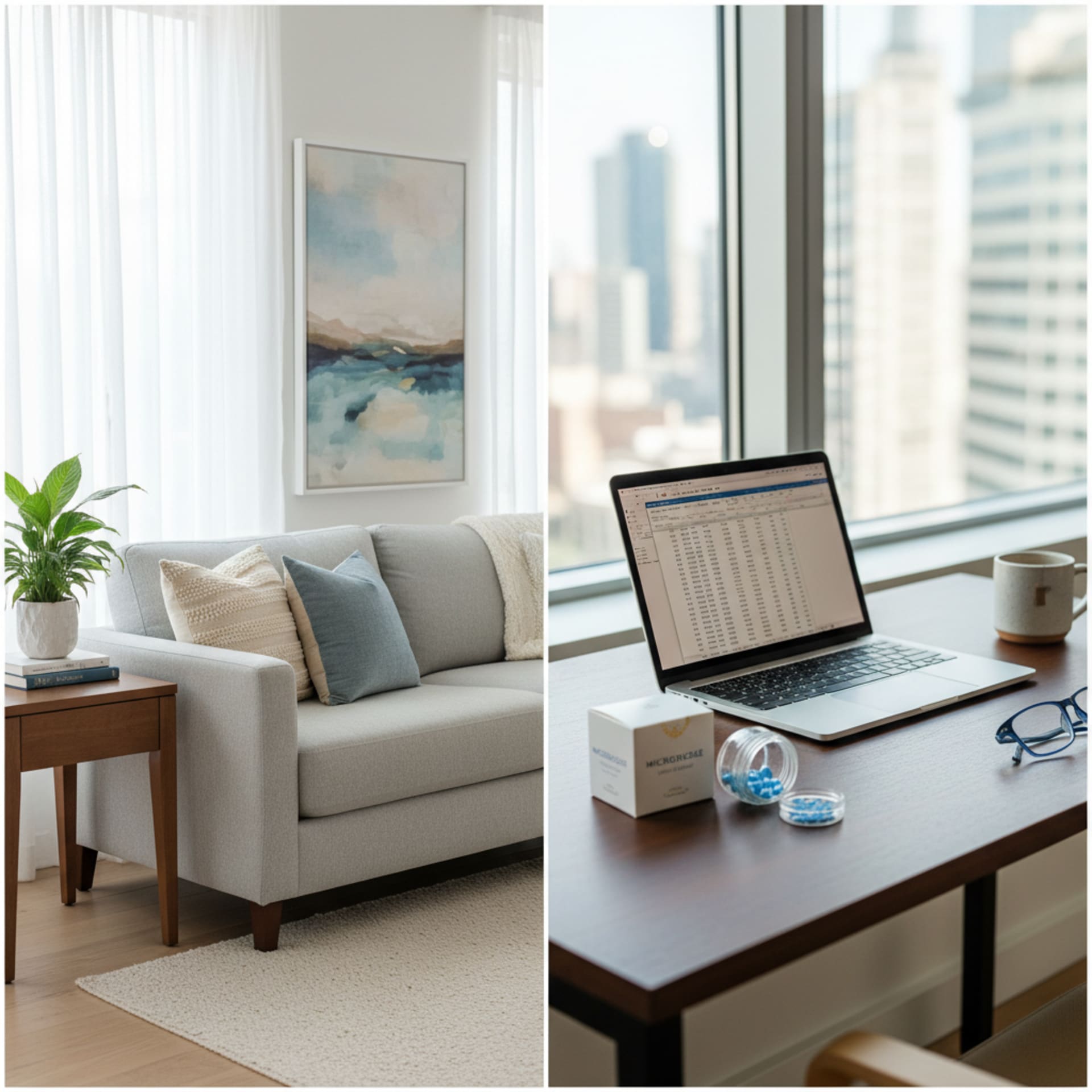
Psilocybin Protocols: Therapy vs. Microdosing
Quick Summary
Psilocybin is primarily used in two distinct ways: high-dose therapy and low-dose microdosing. High-dose therapy involves a large, infrequent dose in a clinical setting to treat serious conditions like depression. Microdosing involves taking a tiny, regular dose for daily wellness benefits like improved mood and focus, and is the far more common method of use.
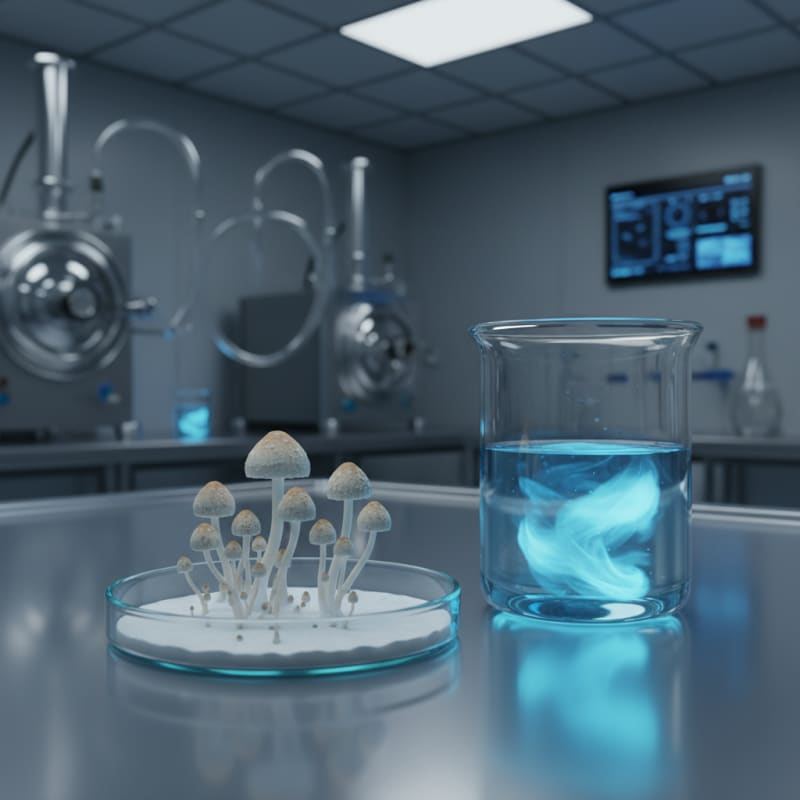
While clinical trials make headlines with high-dose psilocybin therapy, a quieter but much larger movement is happening in parallel: microdosing. Recent research highlights this divide. Studies from institutions like Johns Hopkins focus on large, therapist-guided doses to treat severe conditions, a model often called "psilocybin-assisted therapy." Conversely, survey data from RAND indicates that for every person undergoing clinical treatment, there are thousands self-administering small, regular doses to enhance daily life.
These two approaches, high-dose therapy and low-dose microdosing, represent the primary protocols for psilocybin use today. They differ fundamentally in their dosage, intention, frequency, and setting. Understanding these differences is key to navigating the modern psilocybin landscape, whether for profound healing or subtle optimization.
What Defines a High-Dose Therapy Protocol?
A high-dose or macrodose protocol involves taking a quantity of psilocybin sufficient to induce a significant psychedelic experience. In a clinical context, this is a carefully managed event, not a recreational one. The goal is to catalyze a profound psychological shift in a short period.
Key characteristics of this protocol include:
Dosage: Typically 20mg to 35mg of pure psilocybin, equivalent to 3 to 5 grams of potent dried *Psilocybe cubensis mushrooms. This dose reliably produces strong perceptual and cognitive changes. Setting: The environment is strictly controlled. Sessions occur in a comfortable, safe room, often designed to feel more like a living room than a clinic. Patients are usually guided by two trained therapists or facilitators. A crucial part of the protocol is the use of eye shades and a curated music playlist to encourage an internal journey, a practice detailed in our post on Set and Setting in Psilocybin Use. Frequency: High-dose sessions are infrequent. A full therapeutic course might involve only one to three sessions spread out over several months. Intention: The primary aim is therapeutic breakthrough. Researchers are studying this model for treating conditions like major depressive disorder, end-of-life anxiety, post-traumatic stress disorder (PTSD), and severe addiction. Integration: The psychedelic experience is just one part of the process. The protocol includes extensive therapy before the session (preparation) and afterward (integration) to help the patient make sense of their experience and translate insights into lasting change.
This model is resource-intensive and is currently only legally accessible in clinical trials or specific jurisdictions. It is designed for deep, targeted therapeutic work.
How Does a Microdosing Protocol Work?
A microdosing protocol involves taking a sub-perceptual dose of psilocybin. The dose is too low to cause a "trip" or any noticeable psychedelic effects. Instead, the intention is to leverage the subtle, cumulative effects of the compound over time.
This approach is far more common. A 2026 RAND study found that among people who used psilocybin in the past year, about two-thirds reported microdosing, and it accounted for nearly half of all use days. This wellness-oriented model is characterized by:
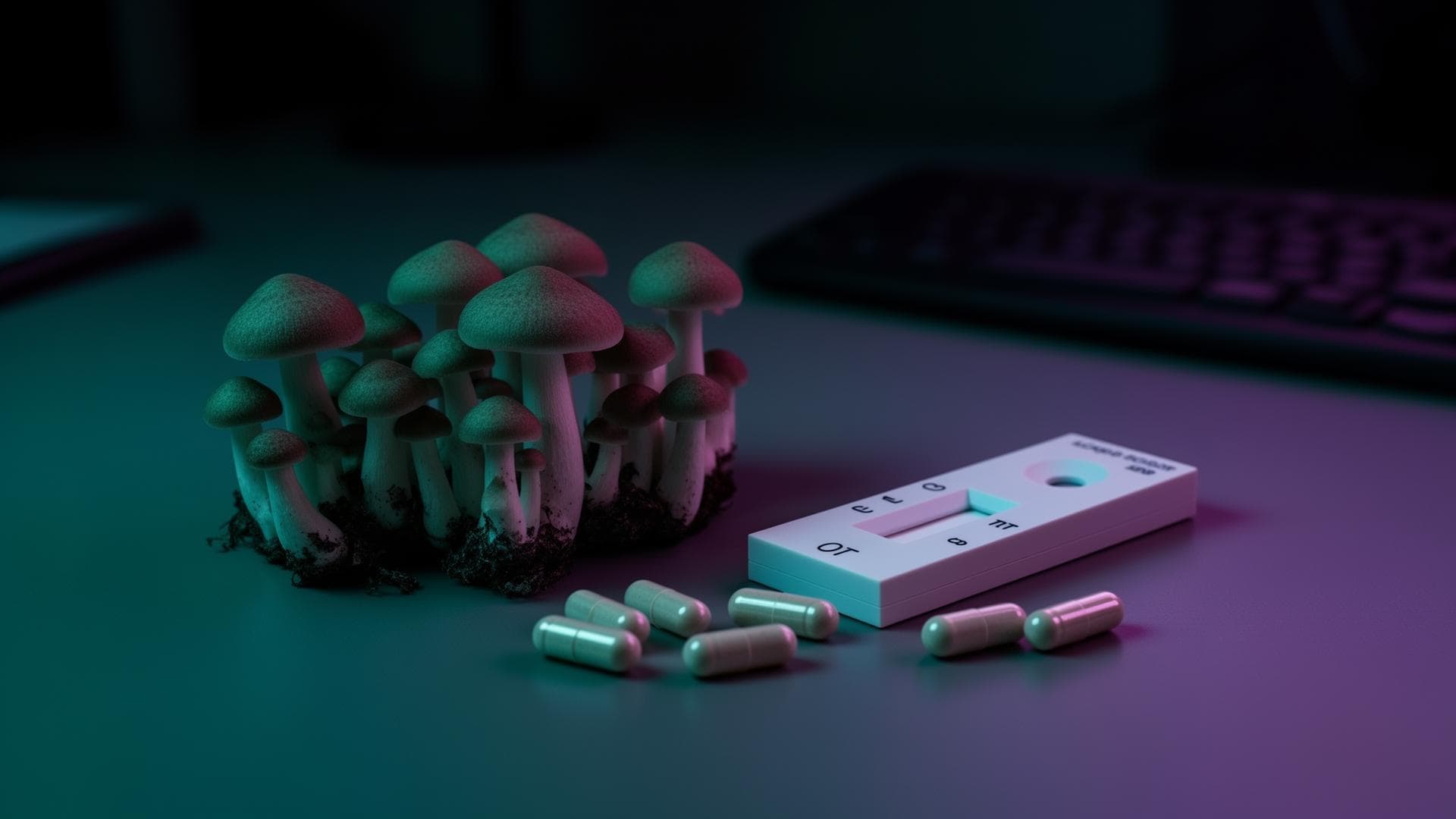
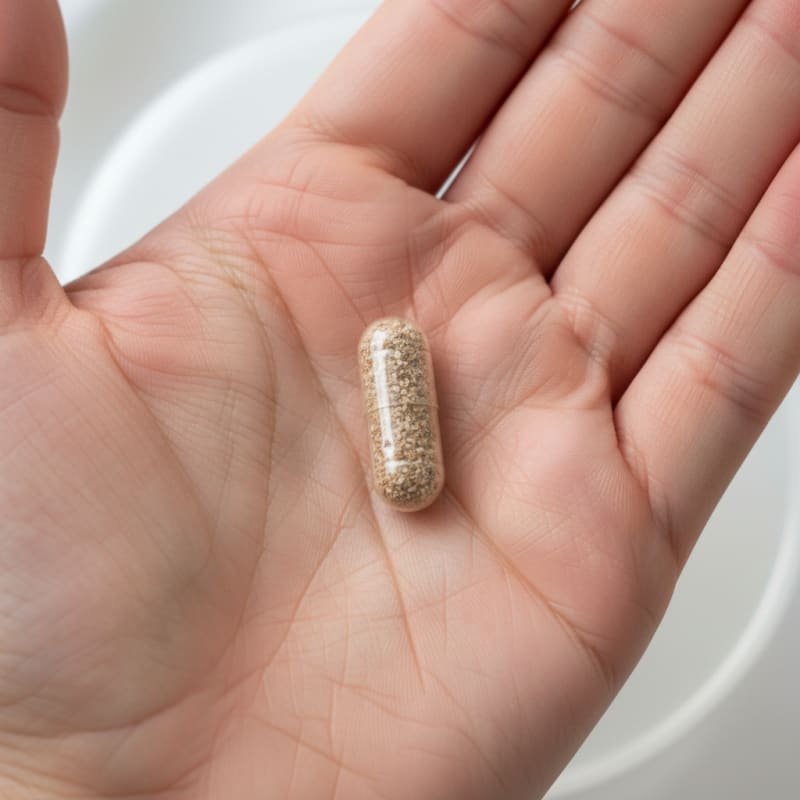
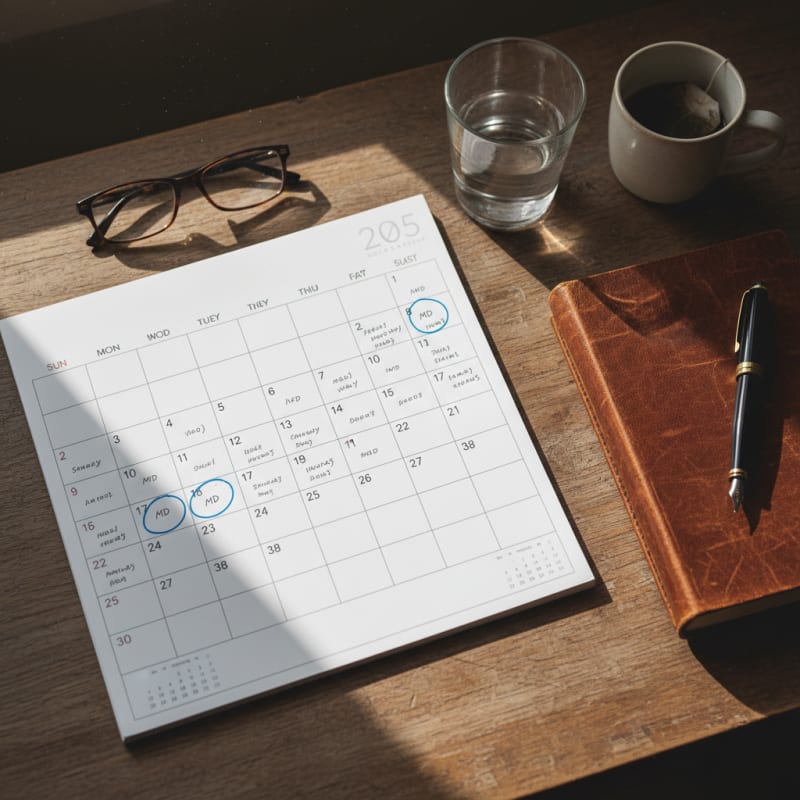
Dosage: Usually 50mg to 250mg (0.05g to 0.25g) of dried mushroom. This is about 1/10th to 1/20th of a typical psychoactive dose. Products like our Core Microdose Capsules are precisely measured to provide a consistent 100mg of ground *Psilocybe cubensis for this purpose. Setting: As the dose is sub-perceptual, it is integrated into a person's normal daily routine. People microdose on workdays, while running errands, or during creative pursuits. Frequency: Doses are taken on a regular schedule. Common protocols include the Fadiman Protocol (one day on, two days off) or four days on, three days off. The goal is a sustained effect, not a single event. A well-designed regimen of psilocybin capsules can make this consistency effortless. Intention: The goals are typically related to wellness and optimization. Users report benefits like improved mood, increased creativity, enhanced focus, reduced anxiety, and greater emotional openness.
Microdosing is a user-driven phenomenon, originating from individuals seeking to improve their mental health and cognitive function outside of the medical system. It addresses a different set of needs than high-dose therapy, focusing on incremental enhancement rather than profound transformation.
Why Are These Protocols So Different?
The divergence between high-dose therapy and low-dose wellness protocols stems from their distinct objectives and the environments in which they developed. One is a top-down medical model, while the other is a bottom-up wellness movement.
High-dose therapy is tailored for scientific research and regulatory approval. To prove that a substance works for a specific illness, researchers need to produce a clear, dramatic, and measurable effect. A large, single dose provides this, creating a powerful experience whose effects can be quantified and compared against a placebo. This approach is built to fit the existing framework for developing and approving new medicines.
Microdosing, on the other hand, evolved to meet a different demand. It’s for individuals who may not have a diagnosable mental illness but are seeking to operate at a higher level of well-being. It’s a tool for optimization, much like meditation, exercise, or journaling. The science on microdosing is still catching up to the real-world use, a topic we explore in our article Microdosing Research vs. Real-World Use.
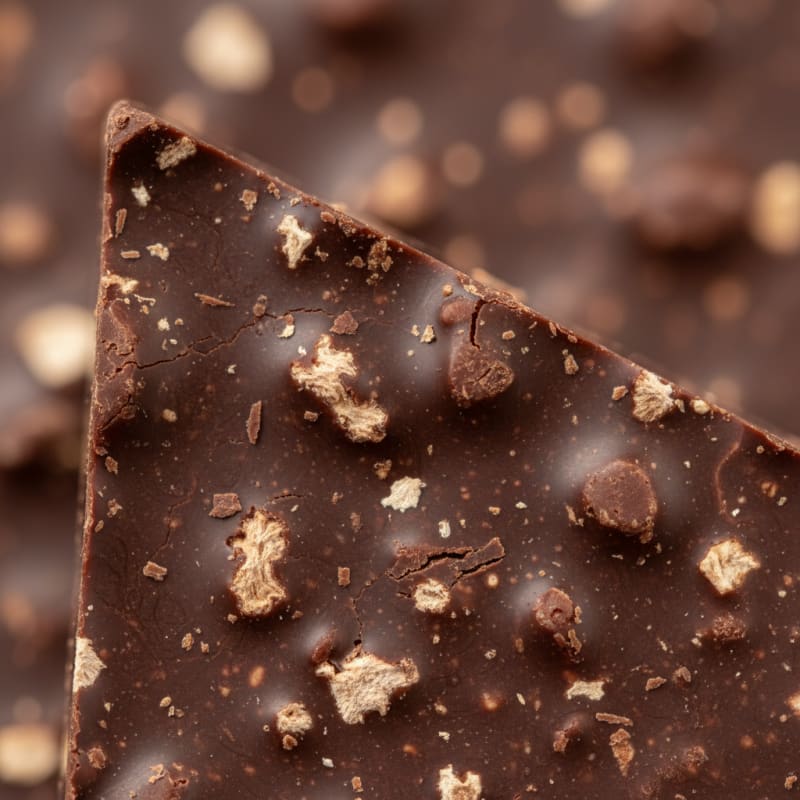
For those seeking a middle ground, products like our Flow State Mushroom Chocolate offer a slightly higher dose per piece, allowing for a more noticeable but still manageable effect perfect for creative work or a contemplative afternoon.
Ultimately, the protocol dictates the outcome. High-dose therapy uses a sledgehammer to break down rigid psychological structures. Microdosing uses a fine-tuning fork to gently adjust mood and cognition over time.
Both protocols are valid applications of psilocybin, serving different purposes for different people. While clinical research rightfully garners excitement for its potential to heal deep-seated trauma and illness, the widespread adoption of microdosing for daily wellness reflects a major shift in how society approaches mental health and personal growth.

ShroomDash Editorial Team
Published 2026-04-12 · 4 min read read · Dosing