Psilocin: Understanding its Role in Mushroom Potency
Quick Summary
Psilocin is the active compound in psilocybin-containing mushrooms, derived from psilocybin after ingestion. It directly interacts with serotonin receptors in the brain to produce psychoactive effects. Accurate lab testing of both psilocin and psilocybin is crucial for determining product potency and ensuring consistent dosing.
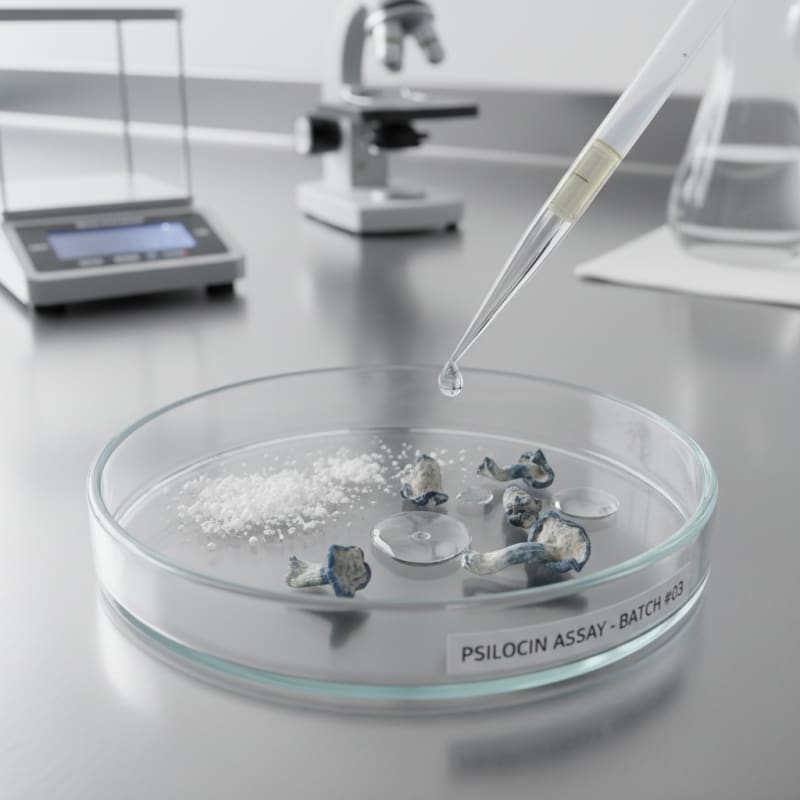
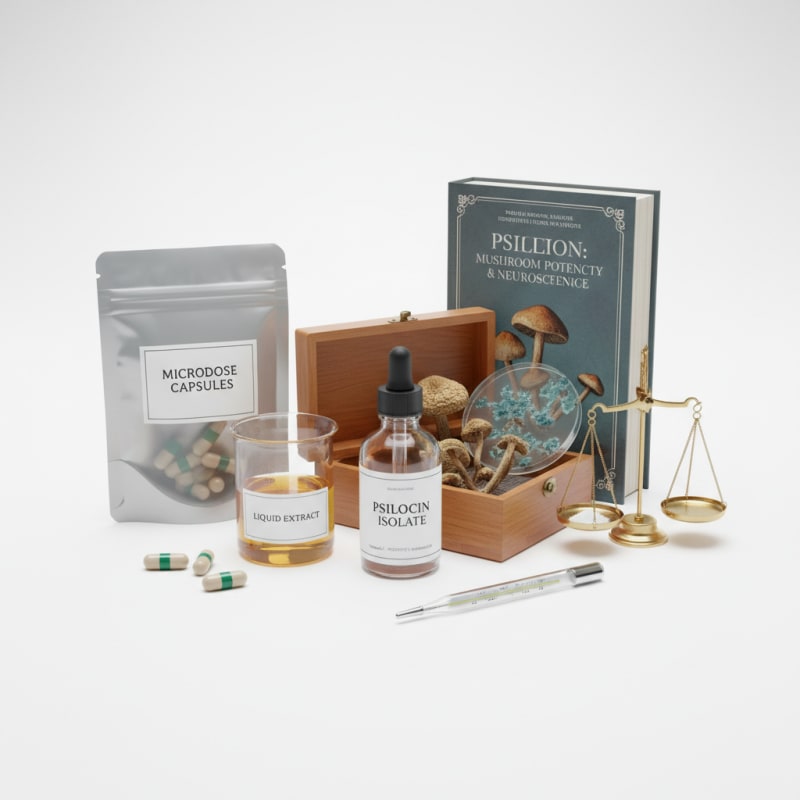
The experience associated with consuming psilocybin mushrooms is primarily attributed to two compounds: psilocybin and psilocin. While psilocybin is often highlighted, it's psilocin that directly interacts with the brain's serotonin receptors to produce the psychoactive effects.
What is psilocin?
Psilocin is a naturally occurring psychedelic alkaloid found in many species of psilocybin-containing mushrooms. Unlike psilocybin, which is a prodrug, psilocin is the active compound. When psilocybin is ingested, it is rapidly dephosphorylated in the body (primarily by alkaline phosphatase enzymes) into psilocin. This conversion happens quickly, meaning that the psychoactive effects reported by users are due to psilocin's interaction with neuroreceptors.
How does psilocin affect the brain?
Psilocin acts as a partial agonist at various serotonin receptors, most notably the 5-HT2A receptor. This interaction is believed to be central to its psychoactive effects. By mimicking serotonin, psilocin can temporarily alter neural activity and communication, leading to changes in perception, mood, and thought processes. The intensity and nature of these effects are influenced by the dose of psilocin and the individual's unique neurochemistry and set and setting.
Why is lab testing for psilocin important?
Accurate measurement of psilocin content, alongside psilocybin, is crucial for determining the true potency of a mushroom product. Without knowing the levels of both compounds, it is difficult to predict the strength or ensure consistency across batches. Modern testing methods, such as High-Performance Liquid Chromatography (HPLC), can precisely quantify both psilocybin and psilocin, providing a comprehensive understanding of a product's psychoactive potential. This precision is especially important for precise dosing of mushroom edibles like chocolates and gummies, as well as capsules designed for consistent experiences.
Psilocin vs. Psilocybin: Which is more significant?
While psilocybin is the more stable compound and often present in higher concentrations in dried mushrooms, it's inactive until converted to psilocin. Therefore, for the immediate psychoactive experience, psilocin is the key player. When analyzing mushroom products, both compounds contribute to the "total potential psilocin," which represents the maximum amount of active psilocin that can be generated from the available psilocybin and native psilocin. Understanding their individual contributions and the conversion process is fundamental to predicting the effects of a product.

ShroomDash Editorial Team
Published 2026-02-23 · 4 min read · Lab Science